greensand sand casting is a cornerstone of modern manufacturing, a process you'll find quietly enabling production across a vast spectrum of industries. It’s not glamorous work, believe me – I’ve spent enough time in foundries to know – but it’s fundamentally important. It’s a method for creating metal parts by pouring molten metal into a sand mold. What makes it especially relevant today is its adaptability, cost-effectiveness, and the sheer range of metals it can handle. From engine blocks and machine tools to complex components for aerospace, greensand sand casting is a workhorse. It's a technology that's been around for centuries, sure, but it continues to evolve, becoming more precise, efficient, and sustainable.
Globally, the foundry industry, and specifically greensand sand casting, is a multi-billion dollar market. According to data from the World Bank, global metal production continues to rise, fueled by infrastructure development in emerging economies and the ongoing demand for manufactured goods. This translates directly into a need for casting processes like greensand. The challenge, however, is balancing that demand with increasingly stringent environmental regulations and the push for more sustainable manufacturing practices. That’s where innovation in sand reclamation, binder systems, and process control comes into play. We need to make it cleaner, more efficient, and ultimately, more responsible.
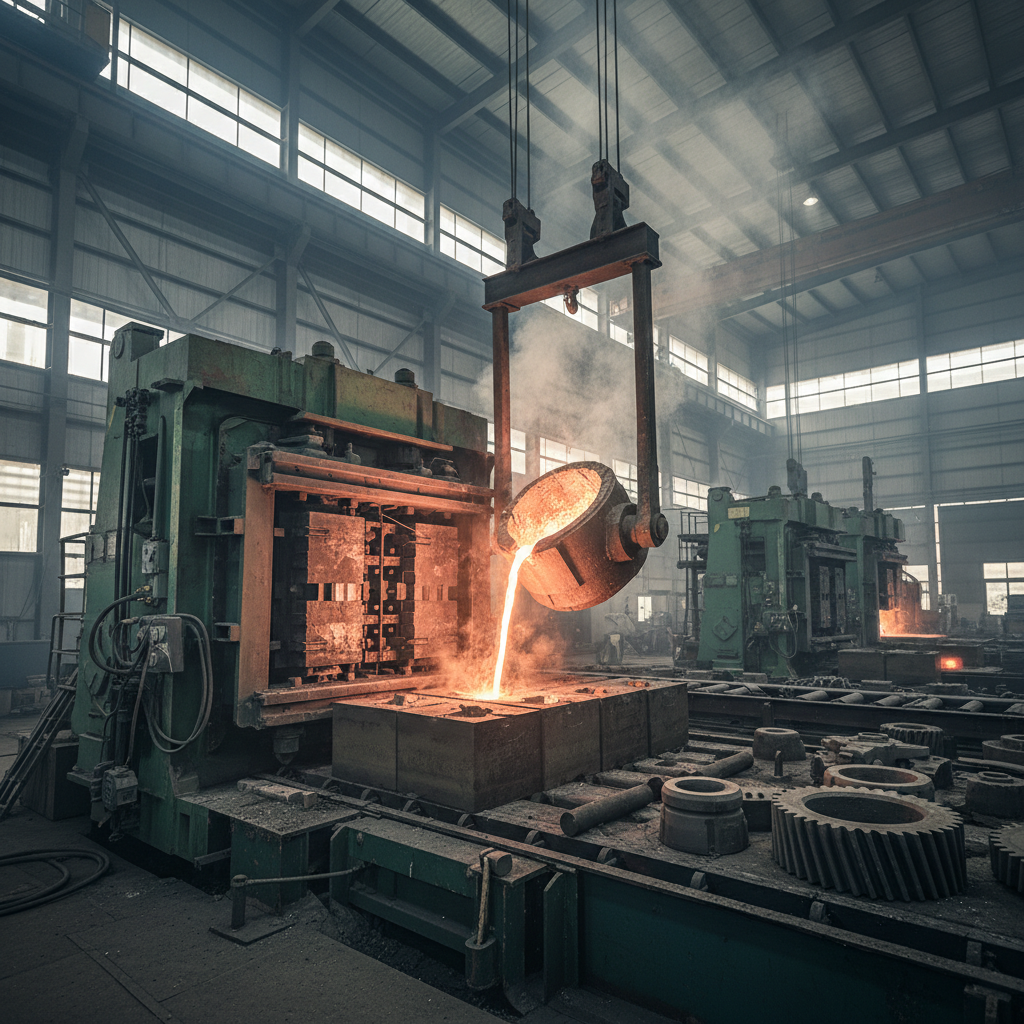
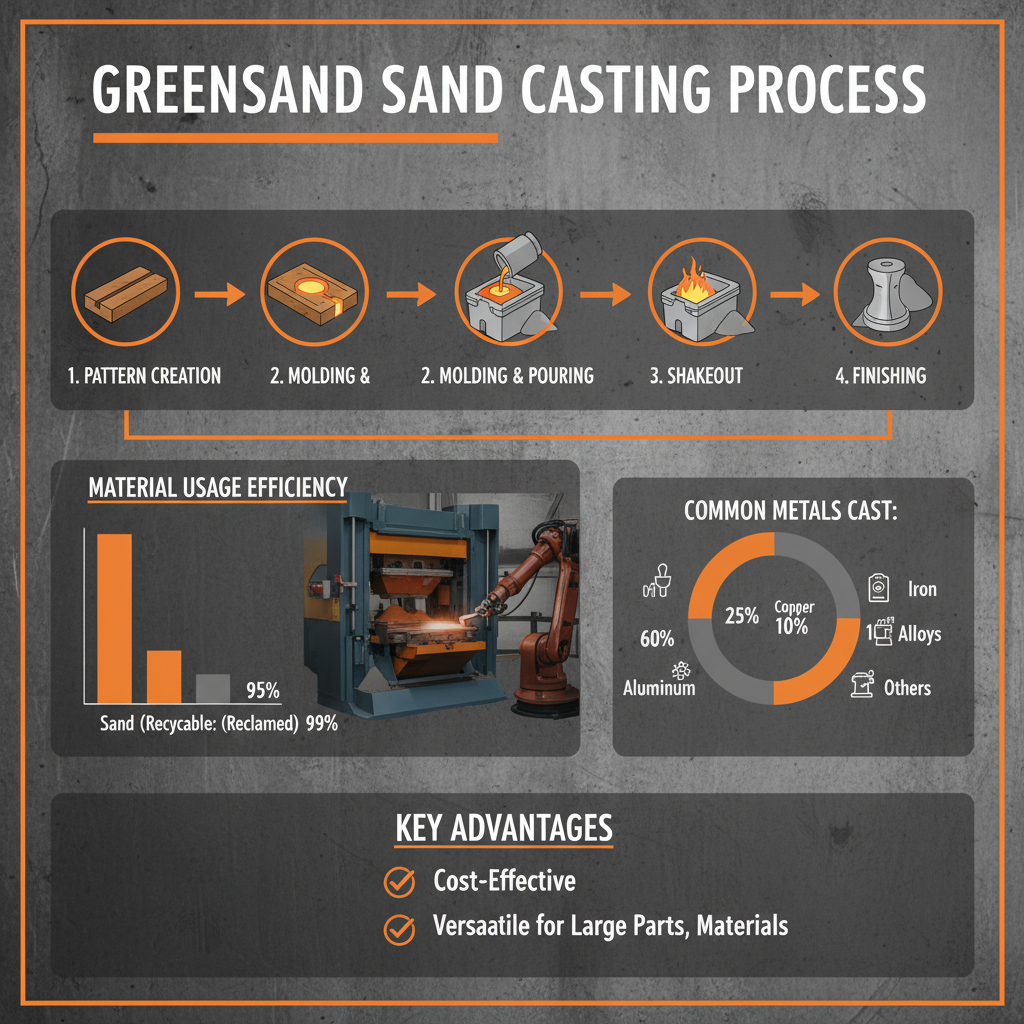
At its core, greensand sand casting is surprisingly simple. It utilizes sand, typically silica, mixed with a binder – traditionally clay, but increasingly organic polymers – to create a mold around a pattern representing the desired part. Molten metal is then poured into this mold, allowed to cool and solidify, and the mold is broken away, revealing the finished casting. It's a subtractive process, yes, but one that allows for complex geometries and relatively large part sizes, making it incredibly versatile. It’s the workhorse of the industry for a reason; it reliably delivers on a lot of diverse requirements.
The Core Principles of greensand sand casting
The durability of a greensand sand casting, surprisingly, isn't just about the metal itself. It’s about the careful control of the entire process, from the sand mix to the cooling rate. I’ve seen castings fail not because of inherent metal flaws, but because the sand wasn’t properly compacted around the pattern. That affects the final microstructure. It's a deceptively simple process that demands attention to detail.
Scalability is another huge benefit. You can produce a handful of castings or thousands, depending on the complexity of the pattern and the size of the foundry. That flexibility is critical for both prototyping and high-volume production runs. We've seen companies move seamlessly from producing a few dozen parts for testing to ramping up to thousands for final product release, all using the same basic greensand sand casting process.
Global Relevance and Industry Impact of greensand sand casting
greensand sand casting’s impact is felt across nearly every manufacturing sector. Automotive, aerospace, energy, construction – you name it, they’re using castings. In the automotive industry, engine blocks, cylinder heads, and transmission housings are often made using this process. In aerospace, complex turbine components benefit from the design freedom it offers. Even in the energy sector, large valves and pump housings rely on greensand castings for their robust construction.
The process is particularly vital in regions with developing industrial bases. It requires a relatively low initial capital investment compared to other casting methods like die casting, making it accessible to a wider range of manufacturers. In countries like India, China, and Brazil, greensand sand casting plays a significant role in supporting local manufacturing growth. This doesn’t mean it’s a “low-tech” solution, though; modern foundries are increasingly incorporating automation and digital process control.
The biggest challenge we’re facing now is sustainability. The environmental impact of sand extraction and binder use is a growing concern. There’s a lot of research going into alternative binder systems – plant-based binders, for example – and improved sand reclamation techniques. It's not just about meeting regulations; it’s about doing the right thing for the long term.
Defining greensand sand casting: A Foundational Process
greensand sand casting isn’t just a manufacturing technique; it’s a fundamental building block for countless products we rely on daily. It's the process that allows us to translate a design into a physical metal component, often with intricate details and complex geometries. Think about the cast iron skillet in your kitchen – chances are, it was made using a variation of greensand sand casting.
The connection to modern industry and even humanitarian needs is significant. It's not just about producing parts for cars or airplanes; it’s also about creating essential components for infrastructure, medical equipment, and even disaster relief efforts. The ability to produce robust, reliable parts quickly and cost-effectively is critical in emergency situations.
The beauty of greensand sand casting lies in its adaptability. It can be used with a wide variety of metals, including iron, steel, aluminum, and bronze. The process can be tailored to produce parts ranging in size from a few ounces to several tons. That versatility makes it an indispensable tool for manufacturers across numerous sectors.
Key Advantages of greensand sand casting in Modern Manufacturing
The cost-efficiency of greensand sand casting is a major draw. Compared to other casting methods, the tooling costs are relatively low, making it an attractive option for both small-batch and large-scale production. You don’t need to invest in expensive dies or molds.
The design flexibility is another significant advantage. greensand sand casting allows for complex geometries and intricate details that are difficult or impossible to achieve with other processes. That’s crucial for industries like aerospace, where parts often have highly specialized shapes.
greensand sand casting Performance Metrics
Real-World Applications of greensand sand casting
In the automotive industry, greensand sand casting is essential for producing engine blocks, cylinder heads, and other critical components. The process allows for the complex internal structures needed for efficient combustion and power delivery. We're talking about millions of parts produced every year.
The aerospace sector heavily relies on greensand sand casting for turbine blades, structural components, and housings. The ability to create parts with high strength-to-weight ratios is crucial for aircraft performance and safety.
Long-Term Value and Benefits of greensand sand casting
The cost savings associated with greensand sand casting aren't just limited to tooling. The process also generally requires less energy and generates less waste compared to some other casting methods. That translates to lower operating costs and a smaller environmental footprint.
From a sustainability perspective, the advancements in sand reclamation technologies are significant. We're seeing foundries invest in systems that can recycle up to 90% of the sand used in the process, reducing the demand for virgin materials. This isn't just good for the environment; it's good for business.
And finally, there’s the reliability factor. greensand sand casting has been proven over decades, if not centuries. It’s a mature technology that consistently delivers high-quality parts when properly executed. That reliability builds trust with customers and ensures long-term success.
Future Trends and Innovations in greensand sand casting
We’re seeing a growing trend toward automation in foundries. Robotic systems are being used for mold making, core setting, and finishing operations, increasing efficiency and reducing labor costs. Digital process control is also becoming more prevalent, allowing for real-time monitoring and adjustment of key parameters.
The development of new binder systems is another area of active research. The goal is to find binders that are more environmentally friendly, offer improved casting quality, and reduce emissions. Plant-based binders are showing particular promise.
And finally, the integration of artificial intelligence (AI) and machine learning (ML) is poised to revolutionize greensand sand casting. AI algorithms can analyze data from sensors and process parameters to optimize casting performance and predict potential defects.
Summary of Greensand Sand Casting Process Optimization
| Optimization Area |
Current Status |
Potential Impact |
Implementation Complexity |
| Sand Reclamation |
90% reclamation rates achievable with advanced systems. |
Significant reduction in sand consumption and waste. |
Medium - Requires capital investment in specialized equipment. |
| Binder Technology |
Shift towards organic and plant-based binders. |
Reduced emissions and improved worker safety. |
High - Requires extensive testing and validation. |
| Process Automation |
Robotic systems used for mold making and finishing. |
Increased efficiency and reduced labor costs. |
Medium - Requires integration with existing systems. |
| Digital Process Control |
Real-time monitoring of key parameters. |
Improved casting quality and reduced defects. |
Low - Requires sensor installation and software integration. |
| AI-Driven Optimization |
Early stages of implementation, focused on defect prediction. |
Significant improvements in casting yield and efficiency. |
High - Requires large datasets and specialized expertise. |
| 3D Printing for Patterns |
Increasingly used for prototyping and low-volume production. |
Reduced lead times and lower tooling costs. |
Medium - Requires expertise in 3D printing and pattern design. |
FAQS
While versatile, greensand sand casting generally has lower dimensional accuracy than processes like investment casting or die casting. Surface finish can also be rougher, requiring secondary machining. It also tends to be more labor intensive. However, the lower tooling costs and ability to handle larger parts often outweigh these limitations, particularly for low to medium volume production. The key is understanding the trade-offs and selecting the best process for the specific application.
Several techniques can improve surface finish. Using a finer sand grain size, employing a compatible coating on the pattern, and optimizing the pouring temperature can all make a difference. Proper mold compaction and vibration are also crucial. In some cases, a subsequent polishing or machining step may be necessary to achieve the desired smoothness.
Silica sand is the most widely used type of sand for greensand molds due to its availability, low cost, and thermal stability. However, other sands like olivine and zircon are also used in specialized applications where higher refractoriness or lower thermal expansion are required. The sand grain size and shape are critical factors that affect casting quality.
The binder system is critical. Traditionally clay binders provided cohesion, but modern binders, like organic polymers, offer greater strength, plasticity, and permeability. The binder’s characteristics influence mold collapsibility, gas permeability, and overall mold strength. Choosing the right binder depends on the metal being cast, the part geometry, and the desired casting properties.
Environmental concerns center around sand extraction, binder emissions, and waste sand disposal. Implementing sand reclamation systems, utilizing environmentally friendly binders, and proper ventilation are key mitigation strategies. Minimizing waste and responsibly managing byproducts are also crucial for sustainable foundry operations.
Common defects include gas porosity, shrinkage cavities, and sand inclusions. These can be prevented through careful mold design, proper venting, controlled pouring rates, and optimized metal temperature. Ensuring the sand mix is properly compacted and free of moisture is also essential for minimizing defects. Thorough inspection and quality control procedures are vital.
Conclusion
greensand sand casting remains a cornerstone of modern manufacturing, offering a unique combination of cost-effectiveness, design flexibility, and scalability. While challenges related to sustainability and automation persist, ongoing innovation in materials, processes, and technologies is paving the way for a more efficient, environmentally responsible, and reliable future for this vital industry. It's a process that's constantly evolving, but its fundamental principles will likely remain relevant for generations to come.
Looking ahead, the integration of digital technologies and the development of sustainable practices will be critical for ensuring the long-term viability of greensand sand casting. By embracing these advancements, manufacturers can unlock new levels of efficiency, reduce their environmental impact, and continue to deliver high-quality metal components to meet the ever-evolving demands of a global marketplace. Visit our website at greensand sand casting to learn more about our solutions.