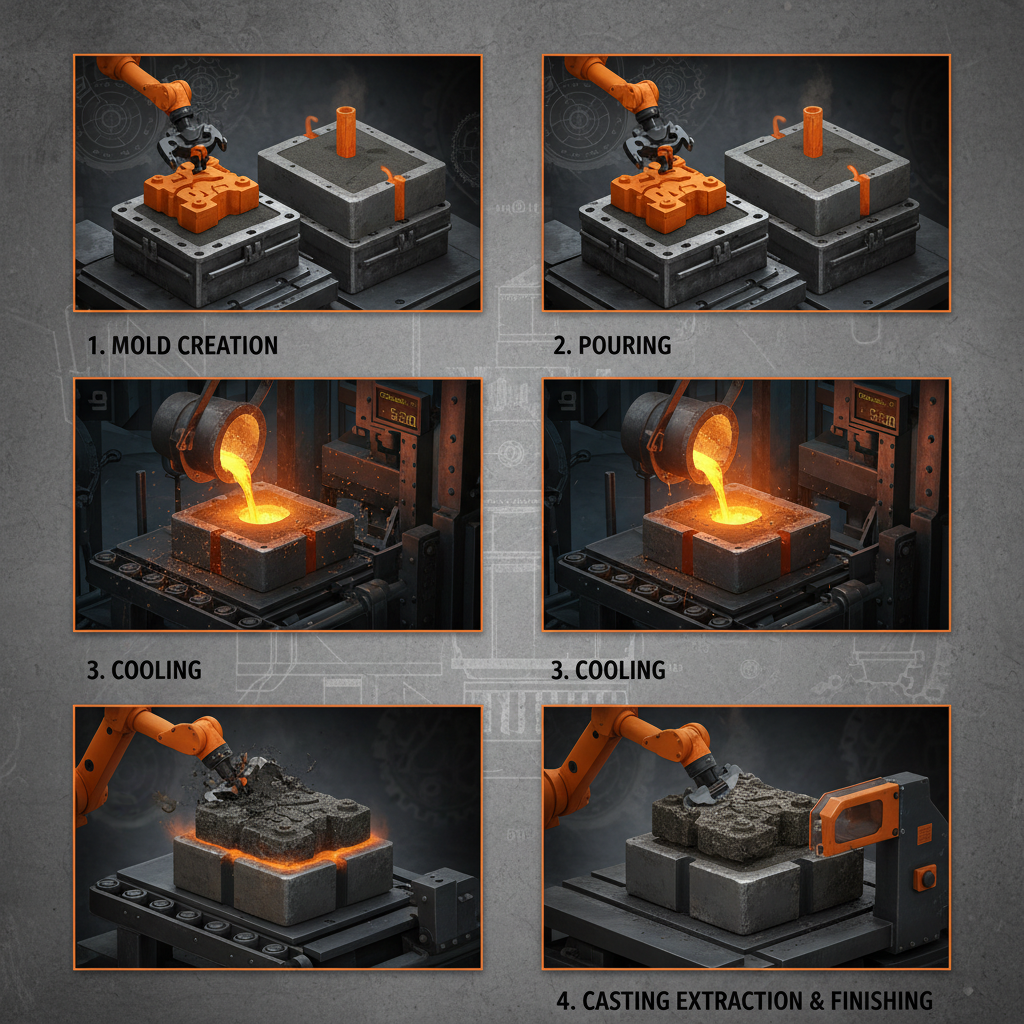
Sand molds for metal casting are a cornerstone of modern manufacturing, serving as the foundational process for creating metal components across a vast spectrum of industries. From automotive parts to aerospace components and intricate machinery, the ability to accurately and reliably produce metal shapes is paramount. Understanding the nuances of sand molds, including material science, casting techniques, and quality control, is crucial for optimizing production efficiency, minimizing defects, and achieving desired mechanical properties in the final product. This comprehensive guide explores the essential aspects of sand molds for metal casting, its global significance, and emerging trends shaping its future.
The historical reliance on sand molds for metal casting stems from its cost-effectiveness and versatility. Unlike other casting methods, sand casting doesn't require expensive tooling, making it ideal for both prototyping and large-scale production runs. Globally, this translates into a readily accessible manufacturing process, particularly in developing economies where capital investment in specialized equipment is limited. According to the World Bank, manufacturing contributes significantly to the GDP of emerging nations, and sand casting represents a substantial portion of that contribution. The demand for sand molds for metal casting is therefore continuously driven by infrastructure development, automotive production, and the broader industrial landscape.
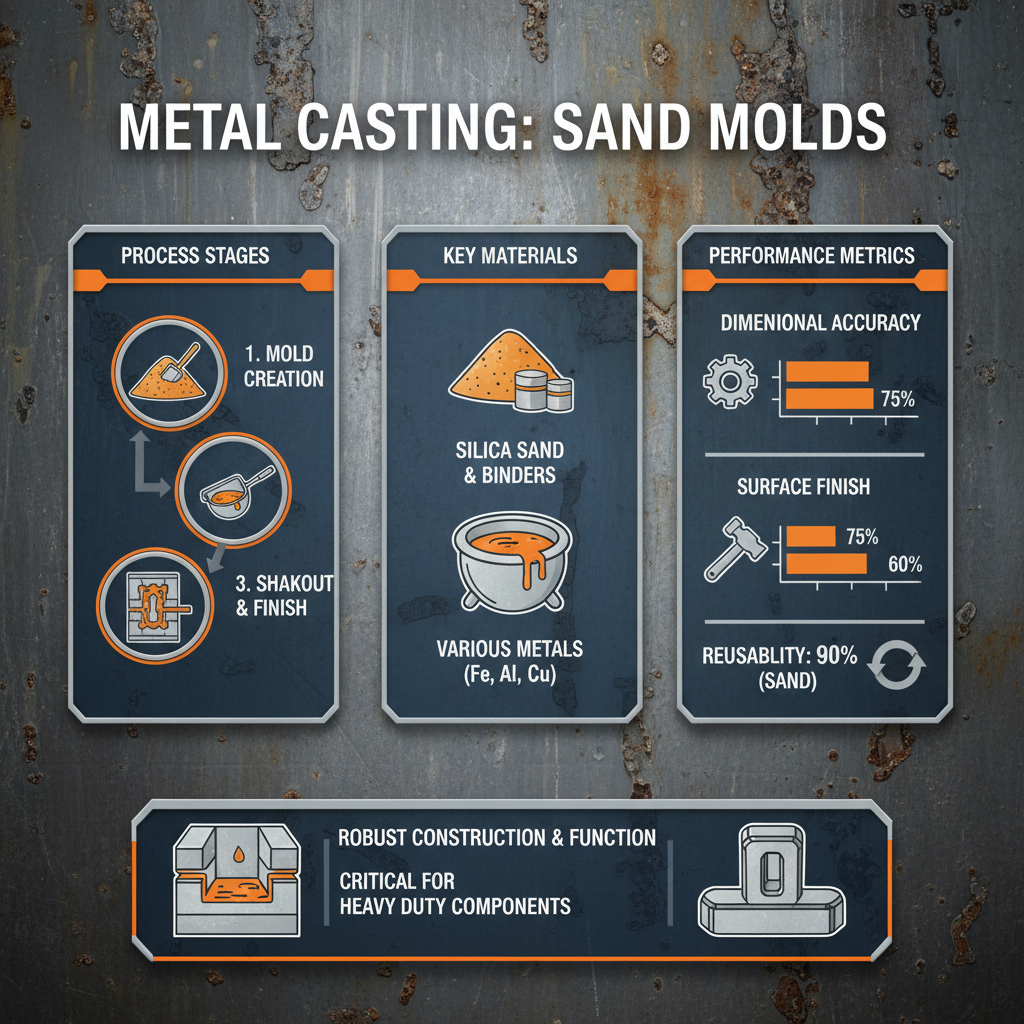
At its core, sand molds for metal casting involve creating a negative impression of the desired metal part within a sand mixture. This mixture, typically composed of silica sand, clay, and a binder, is packed around a pattern – a replica of the part to be cast. Once the pattern is removed, a cavity remains, ready to receive molten metal. The resulting casting cools and solidifies, taking the shape of the mold. This fundamental process bridges the gap between design and physical reality, enabling the creation of complex geometries and custom metal parts crucial for countless applications, ranging from essential infrastructure to specialized consumer goods.
Introduction to Sand Molds for Metal Casting
Sand molds for metal casting represent a foundational manufacturing process, enabling the creation of complex metal parts for diverse industries. The process relies on forming a mold from a sand mixture, into which molten metal is poured. The resulting casting adopts the shape of the mold, offering a cost-effective solution for producing a wide range of components. sand molds for metal casting play a critical role in enabling efficient and scalable production.
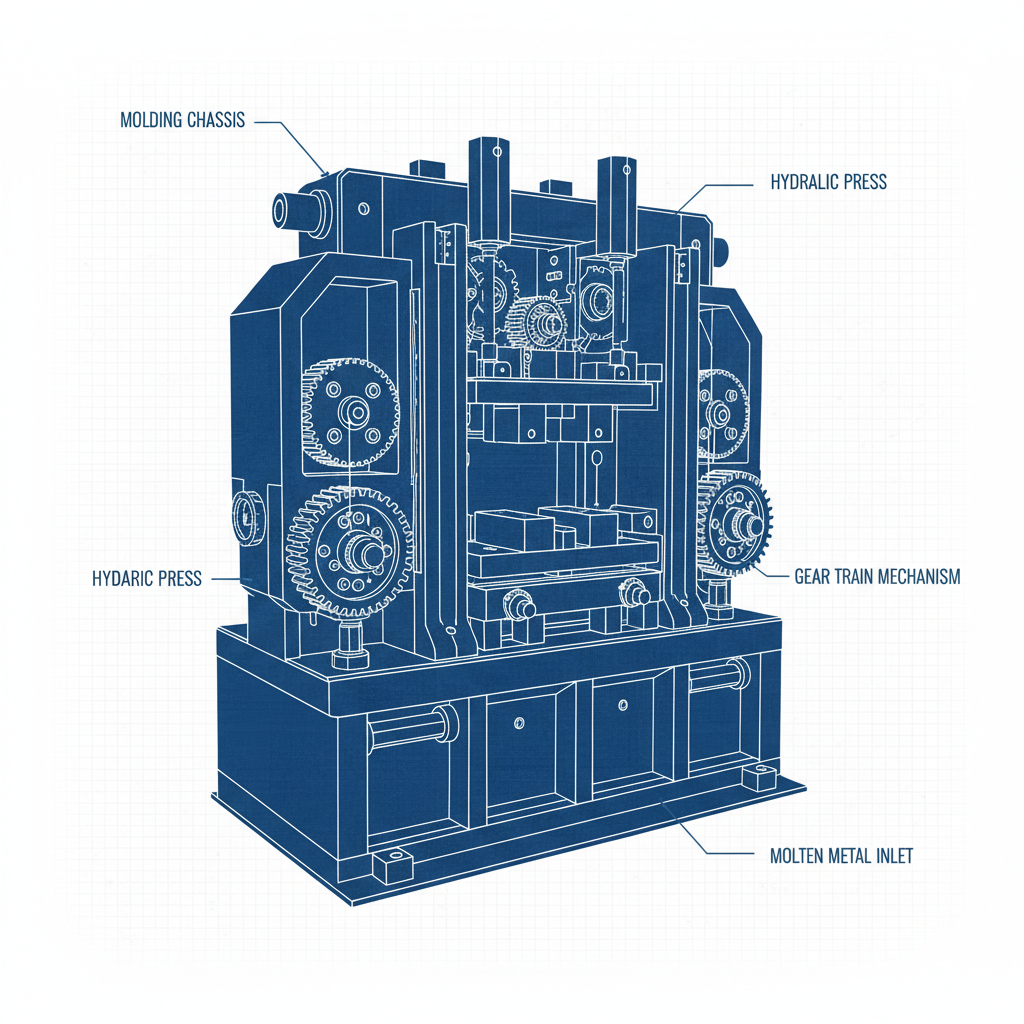
The versatility of sand casting allows for the use of various metals, including iron, steel, aluminum, and bronze. This adaptability makes it suitable for producing everything from engine blocks and machine housings to artistic sculptures. Furthermore, advancements in sand mold technology, such as automated molding machines and improved sand compositions, continue to enhance the precision and quality of castings produced through this traditional method.
The Global Relevance of Sand Casting
Sand casting is a globally ubiquitous manufacturing process, playing a pivotal role in the industrial output of nations worldwide. Its accessibility and relatively low investment costs make it particularly important in developing economies, where it provides a pathway to localized manufacturing capabilities. According to reports from the ISO, sand casting accounts for a significant portion of all metal castings produced annually, highlighting its enduring relevance in the global manufacturing landscape.
The automotive industry is a major driver of demand for sand molds for metal casting, utilizing the process for producing engine blocks, cylinder heads, and various other components. Similarly, the aerospace industry relies on sand casting for creating complex turbine blades and structural parts. The construction sector also benefits, with sand-cast components used in pumps, valves, and other critical infrastructure elements. The demand is projected to increase with rising infrastructure development in emerging markets.
However, the process faces challenges, including environmental concerns related to sand mining and the generation of waste materials. Addressing these concerns through sustainable practices, such as utilizing recycled sand and implementing efficient waste management systems, is crucial for ensuring the long-term viability of sand casting as a globally responsible manufacturing method. The implementation of lean manufacturing principles, coupled with the exploration of alternative binding agents, can further minimize the environmental footprint.
Defining Sand Molds for Metal Casting
Sand molds for metal casting are temporary molds created using a mixture of sand, clay, and a binding agent. These molds serve as the cavity into which molten metal is poured to create a desired shape. The sand mixture is carefully packed around a pattern – a replica of the final part – which is subsequently removed, leaving the mold cavity. The process’s simplicity and adaptability make it a cornerstone of metal forming.
The connection to modern industry is profound. Sand casting remains the preferred method for creating complex metal parts where high precision isn’t the primary requirement or where tooling costs for other methods, such as die casting, are prohibitive. This accessibility directly impacts the production of goods essential for everyday life – from the plumbing fixtures in our homes to the components within our vehicles.
In humanitarian contexts, the ability to locally produce metal parts via sand casting can be invaluable. In disaster relief scenarios or remote regions, the capacity to manufacture replacement parts or essential tools on-site can significantly reduce reliance on external supply chains. This localized production capability empowers communities and enhances resilience.
Key Factors in Sand Mold Quality
Several key factors determine the quality and performance of sand molds for metal casting. Firstly, permeability – the ability of the sand mixture to allow gases to escape during pouring – is critical to prevent defects such as gas porosity. Secondly, cohesion ensures the sand mold holds its shape and resists crumbling under the weight of the molten metal. A robust and cohesive mold is essential for dimensional accuracy.
Thirdly, refractoriness dictates the mold's ability to withstand the high temperatures of molten metal without breaking down or reacting. Using sand with appropriate refractoriness is critical for maintaining mold integrity. Fourthly, green strength refers to the strength of the mold immediately after compaction, vital for handling and maintaining shape before pouring. Finally, collapsibility ensures the mold can easily break apart after solidification, facilitating the removal of the casting.
Sand Mold Quality Factor Ratings
Global Applications and Use Cases
Sand molds for metal casting are utilized across a diverse range of industries and geographical locations. In the automotive sector, manufacturers in Germany, the United States, and Japan rely heavily on sand casting to produce engine blocks, transmission housings, and other critical components. The construction industry in rapidly developing nations like China and India utilizes sand castings for creating pumps, valves, and structural elements for infrastructure projects.
In remote industrial zones, where access to advanced manufacturing technologies is limited, sand casting provides a viable solution for localized production. For instance, in parts of Africa, sand casting is used to manufacture agricultural tools and spare parts for machinery, empowering local communities and reducing dependence on imports. This decentralized production capacity fosters economic growth and self-sufficiency.
Furthermore, in post-disaster relief operations, the ability to quickly produce replacement parts for damaged equipment can be crucial. Sand casting, with its relatively simple tooling requirements, allows for the rapid fabrication of essential components, accelerating recovery efforts and minimizing disruptions to critical services. The flexibility and adaptability of the process make it a valuable asset in emergency response scenarios.
Advantages and Long-Term Value
The primary advantage of sand molds for metal casting lies in its cost-effectiveness, particularly for low to medium production volumes. The relatively low tooling costs and the availability of readily available materials contribute to this economic benefit. Moreover, sand casting offers design flexibility, allowing for the creation of complex geometries and intricate details. This flexibility translates to reduced design constraints and faster prototyping cycles.
From a sustainability perspective, the use of recycled sand and the development of eco-friendly binding agents are gaining traction, reducing the environmental impact of the process. The long-term value extends beyond economic considerations to encompass reliability and durability. Properly executed sand castings can exhibit excellent mechanical properties, ensuring the longevity and performance of the finished product. sand molds for metal casting provide a foundation for lasting value.
Future Trends and Innovations
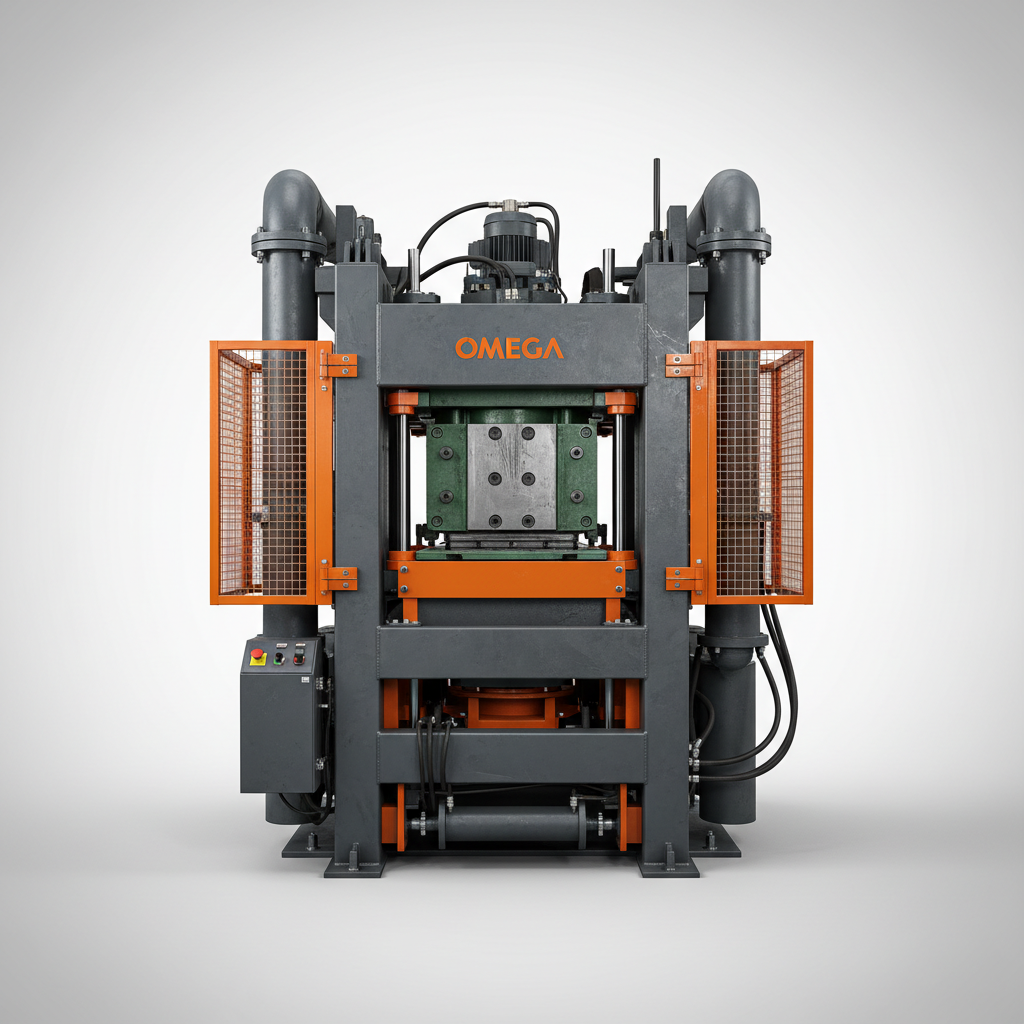
Several trends are shaping the future of sand molds for metal casting. Automation is playing an increasingly significant role, with robotic molding machines and automated pouring systems enhancing efficiency and reducing labor costs. The development of advanced sand compositions, incorporating materials like olivine and zircon, is improving mold strength and thermal stability. Digital transformation is also impacting the industry, with the adoption of simulation software for optimizing mold designs and predicting casting defects.
The integration of Industry 4.0 technologies, such as real-time data monitoring and predictive maintenance, is further enhancing process control and reducing downtime. The shift towards sustainable practices, including the use of bio-based binders and the implementation of closed-loop recycling systems, is driven by increasing environmental concerns and regulatory pressures. These innovative approaches will contribute to a more efficient, sustainable, and resilient sand casting industry.
Challenges and Solutions
A major challenge in sand casting is controlling the dimensional accuracy of castings, as shrinkage during solidification can lead to distortions. Utilizing advanced simulation software and implementing precise temperature control during pouring can mitigate this issue. Another challenge is the generation of waste sand, which requires responsible disposal or recycling. Investing in sand reclamation technologies and promoting the use of recycled sand are crucial for minimizing environmental impact.
The industry also faces a skills gap, with a shortage of qualified personnel capable of operating and maintaining advanced casting equipment. Investing in training programs and fostering collaboration between educational institutions and industry partners are essential for addressing this challenge. Furthermore, the high energy consumption associated with melting metal necessitates the adoption of energy-efficient technologies and the exploration of alternative heating methods.
Summary of Challenges and Solutions in Sand Mold Casting
| Challenge |
Impact on Casting Quality |
Proposed Solution |
Implementation Cost (1-10) |
| Dimensional Inaccuracy |
Poor fit, reduced functionality |
Advanced Simulation & Temperature Control |
7 |
| Waste Sand Generation |
Environmental Impact, Disposal Costs |
Sand Reclamation Technologies |
8 |
| Skills Gap |
Reduced Productivity, Increased Errors |
Industry-Academia Training Programs |
6 |
| High Energy Consumption |
Increased Operational Costs, Carbon Footprint |
Energy-Efficient Technologies |
9 |
| Gas Porosity |
Weakened Casting, Reduced Integrity |
Optimized Sand Permeability |
5 |
| Mold Collapsing |
Surface Defects, Poor Casting Finish |
Enhanced Binder Systems |
4 |
FAQS
Common defects include gas porosity (caused by trapped gases), shrinkage defects (resulting from metal contraction during solidification), and surface imperfections (like rough surfaces or fins). Proper mold design, controlled pouring rates, and appropriate sand composition are key to minimizing these issues. Careful inspection and quality control measures are also crucial for identifying and addressing defects.
The type of sand used significantly impacts casting quality. Silica sand is common, but alternatives like olivine and zircon offer improved thermal stability and reduced gas evolution. Grain size and shape also matter – finer, rounded grains generally produce smoother surfaces. The binding agent used to hold the sand together also plays a critical role in determining mold strength and collapsibility.
A core is used to create internal cavities or complex shapes within a sand casting that cannot be formed by the mold alone. Cores are typically made from sand mixed with a binder and are inserted into the mold cavity before pouring. After casting, the core is removed, leaving the desired internal feature. Cores must be strong enough to withstand the molten metal's pressure but also collapsible for easy removal.
Several strategies can minimize the environmental footprint. Utilizing recycled sand, implementing efficient sand reclamation systems, and employing eco-friendly binding agents are key. Optimizing the casting process to reduce waste, improving energy efficiency, and responsibly managing waste materials are also crucial. These practices promote sustainability and minimize environmental harm.
Sand casting is generally cost-effective for low to medium production volumes due to low tooling costs. However, costs can vary depending on the size and complexity of the casting, the type of metal used, and the required level of precision. Labor costs, material costs, and energy consumption also contribute to the overall expense. Conducting a thorough cost analysis is essential for making informed decisions.
Recent advancements include automated molding machines, 3D printing of sand molds, and the use of advanced simulation software for process optimization. The development of new sand compositions with improved properties and the integration of Industry 4.0 technologies are also driving innovation. These advancements are enhancing efficiency, reducing costs, and improving the quality of sand castings.
Conclusion
Sand molds for metal casting remain a foundational and remarkably versatile manufacturing process. Despite the emergence of newer technologies, its cost-effectiveness, design flexibility, and scalability continue to make it a preferred method for producing a vast array of metal components across diverse industries. Embracing sustainable practices, leveraging advancements in automation and materials science, and addressing the skills gap are critical for ensuring the long-term viability and relevance of sand casting in a rapidly evolving global landscape.
Looking ahead, continuous innovation in sand mold technology will be essential for meeting the growing demands of modern manufacturing. Investing in research and development, fostering collaboration between industry and academia, and promoting the adoption of best practices will drive further improvements in efficiency, quality, and sustainability. For those seeking reliable and cost-effective metal casting solutions, understanding the fundamentals and embracing the advancements in sand mold technology is paramount. Visit our website: sand molds for metal casting.