Industrial sand casting—it's the backbone of so much of what we build. You see it everywhere, from the engine blocks in your car to the housings for pumps and valves in critical infrastructure. It’s a process that’s been around for ages, but it’s still evolving, and understanding its nuances is key to building things reliably and affordably. Frankly, it’s a skill that keeps the world turning. Knowing the details, from the sand composition to the cooling rates, separates the good castings from the scrap metal. The sheer volume of parts produced globally using industrial sand casting is staggering; it’s a fundamental technology supporting nearly every manufacturing sector.
We’re talking about a manufacturing process that's incredibly versatile. It handles everything from small, intricate components to massive pieces weighing tons. And it’s not just about sheer size; it’s about the materials too. You can cast ferrous and non-ferrous metals—steel, iron, aluminum, bronze—the list goes on. What’s often overlooked is the cost-effectiveness. While other processes, like die casting or forging, might be suitable for high-volume production, sand casting remains incredibly competitive, especially for larger parts and complex geometries.
What really separates it is its adaptability. The tooling costs are significantly lower than with other casting methods, meaning you can quickly prototype and iterate designs without breaking the bank. That’s huge when you’re trying to get a new product to market quickly. I've seen entire production lines built around sand casting because it allowed for rapid adjustments and improvements based on field testing. It's a workhorse, plain and simple.
The Global Importance of Industrial Sand Casting
Industrial sand casting isn't confined to a single country or region; it’s a truly global process. According to the World Bank, manufacturing contributes significantly to the GDP of developing nations, and sand casting plays a crucial role in enabling that growth. It allows these countries to produce complex components locally, reducing reliance on expensive imports. The ISO 9001 certification is almost universally required for suppliers, demonstrating a commitment to quality and consistency that’s essential in international supply chains.
The challenge, though, is maintaining quality standards and addressing environmental concerns. Older foundries often lack the modern pollution control equipment necessary to meet stricter regulations. This creates a gap in the market for companies investing in sustainable casting practices. The demand for high-quality castings is rising, particularly in sectors like aerospace and automotive, pushing the industry to innovate and adopt cleaner, more efficient methods.
Defining Industrial Sand Casting
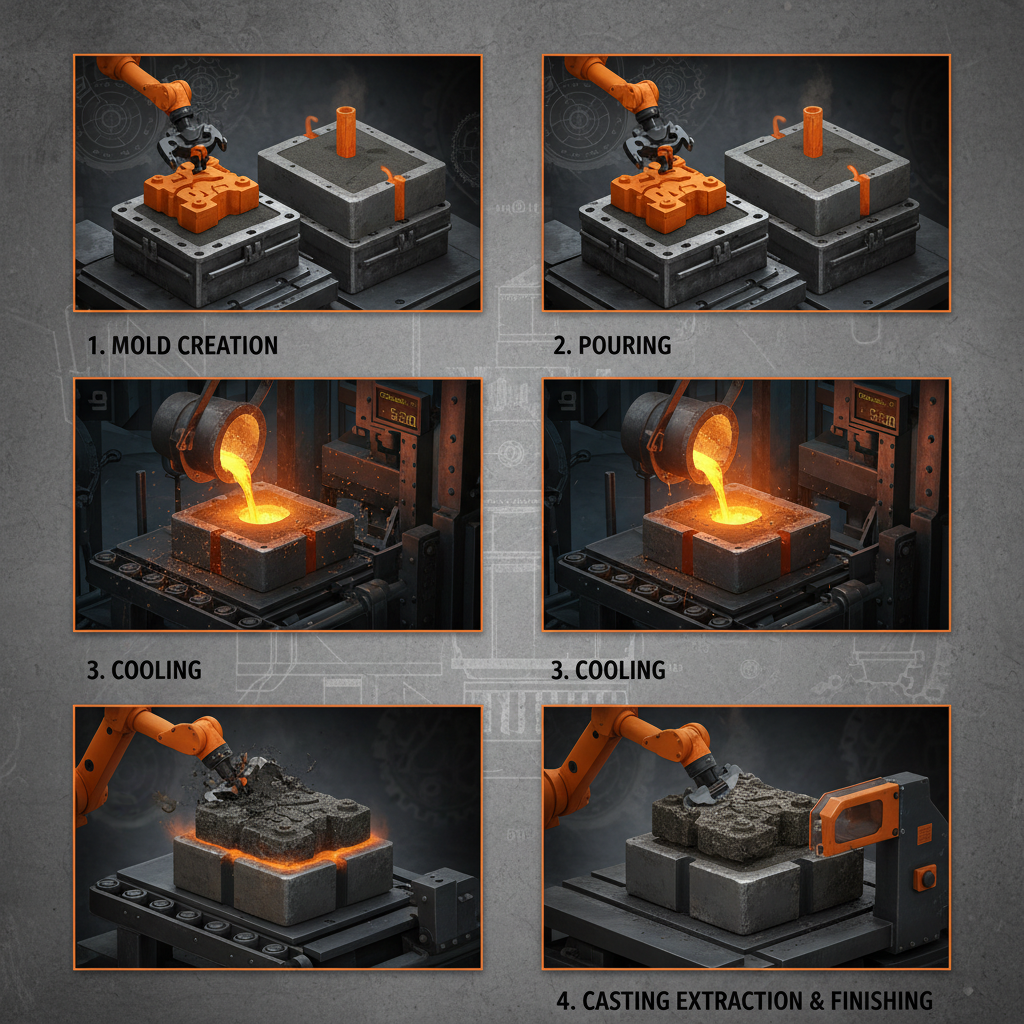
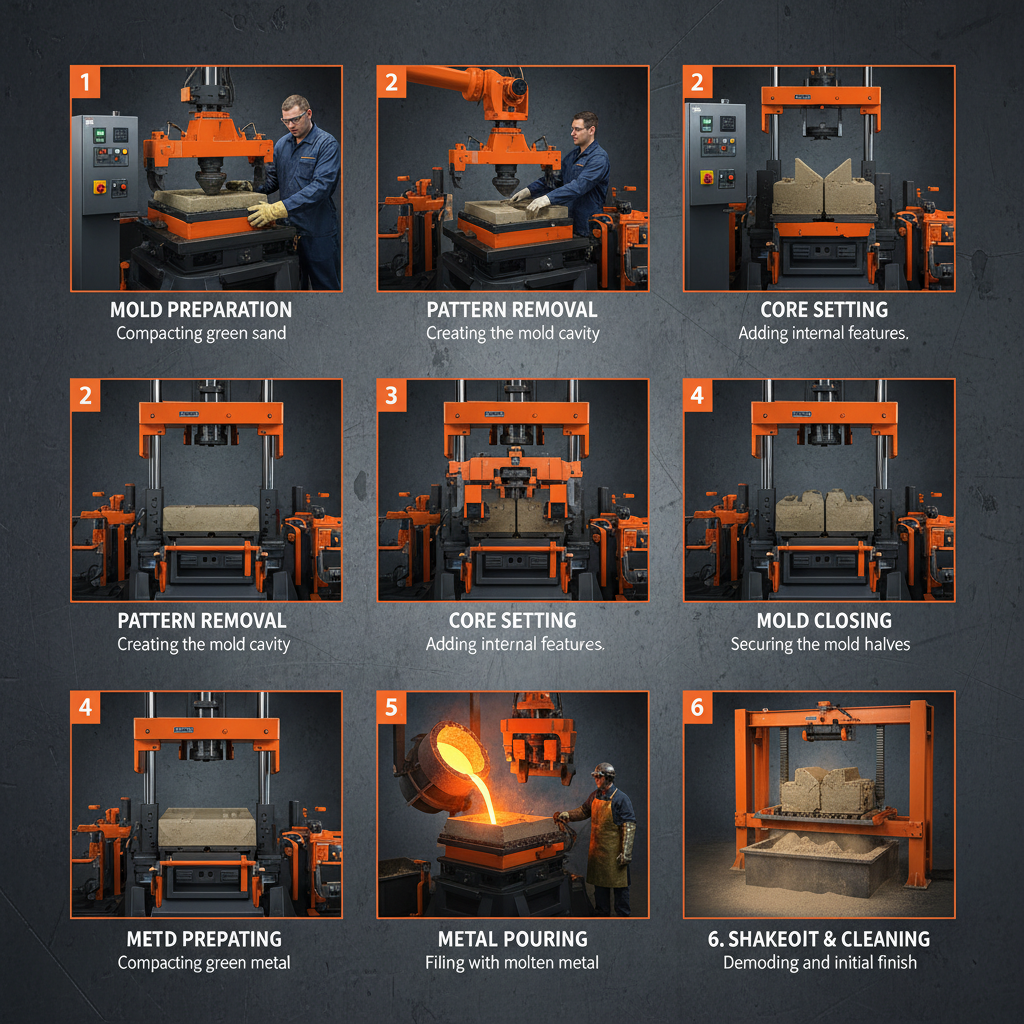
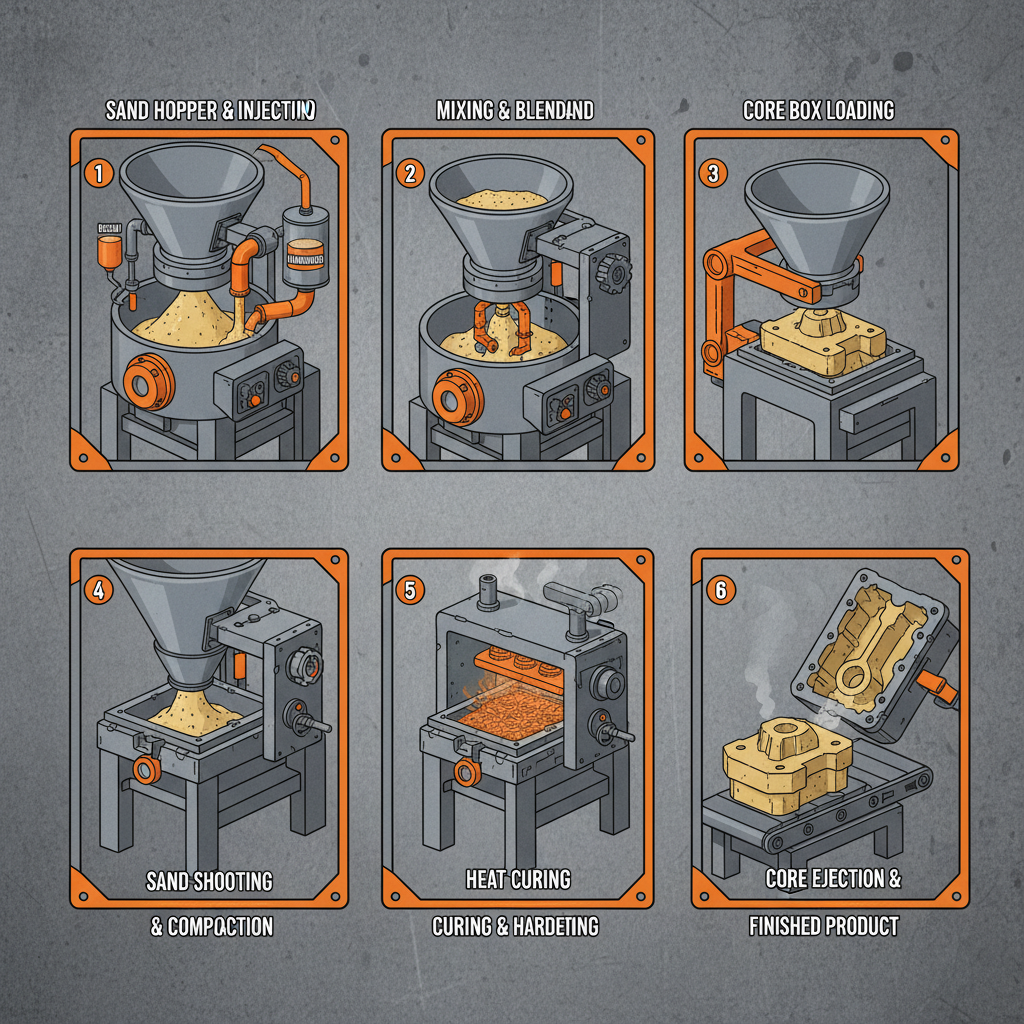
Simply put, industrial sand casting involves pouring molten metal into a sand mold. This mold is typically made by packing sand around a pattern, which is a replica of the desired part. Once the metal solidifies, the sand mold is broken away, revealing the finished casting. It's a surprisingly straightforward process in its basic form, but mastering it requires a deep understanding of metallurgy, mold design, and process control.
The beauty of it is its accessibility. While sophisticated automated foundries exist, you can also perform sand casting with relatively simple equipment, making it vital for small-scale manufacturing and prototyping. It’s a core technology underpinning so many industries, offering solutions where precision and cost-effectiveness are paramount.
In a world facing supply chain disruptions, the ability to produce parts locally using sand casting is becoming increasingly important. It empowers businesses to control their own production and reduce their vulnerability to external factors. It directly addresses humanitarian needs too; rapid prototyping and local production are invaluable in disaster relief scenarios.
Key Factors in Industrial Sand Casting
Several factors influence the success of industrial sand casting. Sand composition is critical – the grain size, shape, and mineral content all affect the mold’s permeability, strength, and surface finish. Then you’ve got the binder system, which holds the sand together; organic and inorganic binders each offer different advantages in terms of cost, strength, and environmental impact.
Beyond the sand itself, the gating system—the network of channels that delivers molten metal to the mold cavity—is crucial. It needs to be designed to ensure a smooth, consistent flow of metal, minimizing turbulence and preventing defects like gas porosity and incomplete fills. You’ve also got to consider the cooling rate, which influences the microstructure and mechanical properties of the casting.
Finally, the skill of the foundry personnel is paramount. It takes experience and intuition to diagnose and correct problems on the fly, ensuring that each casting meets the required specifications. I’ve seen guys who can practically feel when something’s off just by listening to the pour. It’s an art as much as a science.
Durability and Scalability
The durability of sand castings is often underestimated. With proper design and process control, they can achieve excellent mechanical properties, rivaling those of parts produced by more expensive methods. It really comes down to controlling the solidification process and minimizing defects. You can get some surprisingly robust castings.
As for scalability, that’s where sand casting really shines. You can produce a single prototype or thousands of parts with relative ease. The tooling is relatively inexpensive, meaning you’re not facing huge upfront costs. And it’s adaptable to a wide range of part sizes and complexities, making it a versatile choice for everything from small engine components to large structural castings.
Industrial Sand Casting Process Comparison
Global Applications and Use Cases
You’ll find industrial sand castings in virtually every sector. In automotive, they’re used for engine blocks, cylinder heads, and transmission housings. In aerospace, they contribute to critical components like landing gear parts and turbine casings. Heavy machinery relies on sand castings for frames, gears, and housings, while the construction industry uses them for pipes, valves, and fittings.
In post-disaster relief operations, the ability to rapidly produce replacement parts using sand casting can be a lifeline. I’ve seen mobile foundries deployed to remote areas to manufacture essential components for water purification systems and generators. It’s a surprisingly versatile solution.
Advantages and Long-Term Value
The advantages of industrial sand casting are compelling. It’s cost-effective, particularly for large parts and low to medium production volumes. It offers design flexibility, allowing for complex geometries and intricate details. And it’s a relatively quick turnaround process, enabling rapid prototyping and shorter lead times. These aren’t just financial benefits; they translate to increased agility and responsiveness for manufacturers.
The long-term value lies in its reliability and sustainability. Properly designed and manufactured sand castings can last for decades, reducing the need for frequent replacements. And with the increasing focus on circular economy principles, the recyclability of metal castings makes them an environmentally responsible choice.
Ultimately, it's about trust. Knowing you’ve got a part that’s been reliably produced using a proven process gives you peace of mind. That’s something you can’t put a price on, especially when lives or critical infrastructure are on the line.
Future Trends and Innovations
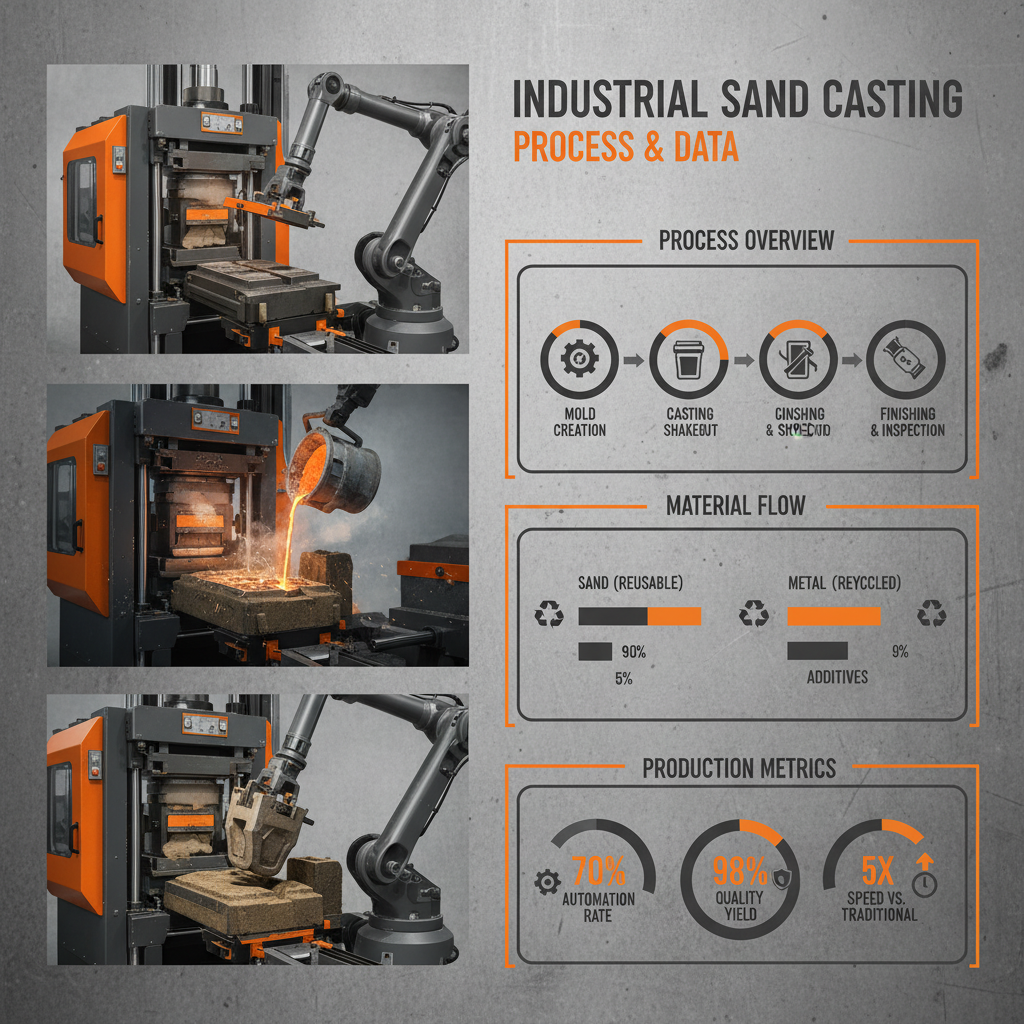
The future of industrial sand casting is all about automation, sustainability, and digitalization. We’re seeing a growing trend toward robotic mold making and automated pouring systems, increasing efficiency and reducing labor costs. 3D-printed sand molds are gaining traction, allowing for even greater design freedom and faster prototyping.
The industry is also actively exploring alternative binder systems that are more environmentally friendly. Reducing emissions and minimizing waste are key priorities. And data analytics are playing an increasingly important role, enabling real-time process monitoring and predictive maintenance.
Looking ahead, I expect to see sand casting integrated more closely with other manufacturing processes, such as additive manufacturing and machining. The goal is to create a seamless, hybrid manufacturing workflow that leverages the strengths of each technology.
Summary of Challenges and Potential Solutions in Industrial Sand Casting
| Challenge Area |
Impact on Casting Quality |
Potential Solution |
Implementation Cost (1-10) |
| Sand Composition Variability |
Inconsistent mold strength and permeability |
Implement automated sand mixing and quality control |
6 |
| Gating System Design Flaws |
Turbulence, gas porosity, incomplete fills |
Utilize simulation software for gating system optimization |
7 |
| Binder System Degradation |
Reduced mold strength, increased emissions |
Switch to more sustainable and stable binder alternatives |
5 |
| Manual Pouring Inconsistencies |
Variations in metal temperature and flow rate |
Implement automated pouring systems |
8 |
| Lack of Real-Time Monitoring |
Delayed detection of process deviations |
Integrate sensor networks and data analytics for process monitoring |
7 |
| Skilled Labor Shortage |
Difficulty maintaining quality standards |
Invest in training programs and knowledge transfer |
4 |
FAQS
While die casting offers higher precision and faster cycle times, industrial sand casting excels in cost-effectiveness, particularly for larger parts and low to medium production runs. The tooling costs for sand casting are significantly lower, making it ideal for prototyping and one-off projects. Sand casting also offers greater flexibility in terms of part size and complexity. It’s a better choice when you need a robust, affordable solution without the constraints of die casting's tooling requirements.
Sand type is critical. Grain size, shape, and mineral composition directly impact mold permeability, strength, and surface finish. Finer grains produce smoother surfaces, while larger grains offer better permeability for gas removal. The type of binder used also interacts with the sand properties. Using the wrong sand can lead to defects like porosity, rough surfaces, and even mold collapse. It's something we carefully control, often blending different sand types to achieve the optimal characteristics.
Traditionally, sand casting has faced environmental concerns related to binder emissions and sand disposal. However, the industry is making strides toward sustainability. We're seeing a shift towards using more environmentally friendly binder systems and implementing sand reclamation processes. Reclaiming and reusing sand significantly reduces waste and minimizes the need for new sand extraction. Controlling emissions through proper ventilation and filtration systems is also crucial.
Industrial sand casting is incredibly versatile in terms of the metals it can handle. Commonly cast metals include various steels (carbon steel, alloy steel, stainless steel), iron (gray iron, ductile iron), aluminum alloys, brass, and bronze. The specific metal dictates the mold material, pouring temperature, and cooling rate. While some metals are more challenging than others, sand casting remains a viable option for a wide range of alloys.
Quality inspection is multi-faceted. Visual inspection is the first step, looking for obvious defects like cracks, porosity, or surface imperfections. Non-destructive testing (NDT) methods like radiography, ultrasonic testing, and dye penetrant inspection are used to detect internal flaws. Destructive testing, such as tensile testing and hardness testing, is performed on sample castings to verify mechanical properties. We take quality very seriously!
Lead time varies greatly depending on the complexity of the part, the quantity required, and the availability of materials. A simple prototype could be delivered in a few weeks, while a large production run might take several months. Pattern making is often the longest lead-time component. However, with streamlined processes and efficient supply chain management, we strive to minimize lead times without compromising quality.
Conclusion
Industrial sand casting remains a cornerstone of modern manufacturing, offering a unique blend of cost-effectiveness, versatility, and scalability. From its historical roots to its ongoing innovations in automation and sustainability, the process continues to evolve to meet the demands of a changing world. Understanding its nuances – from sand composition to gating system design – is vital for anyone involved in product development and manufacturing.
Looking ahead, the future of sand casting lies in embracing digital technologies, adopting environmentally responsible practices, and fostering a skilled workforce. By prioritizing these areas, we can ensure that this time-tested process remains a reliable and sustainable solution for years to come. For more information on our industrial sand casting capabilities, visit our website: industrial sand casting.