The global demand for efficient and cost-effective manufacturing solutions is consistently rising, with vertical moulding machines playing a pivotal role. The vertical moulding machine price is a key factor influencing production costs and overall project feasibility across numerous industries. Understanding the nuances of this pricing – influenced by factors like automation level, material quality, and manufacturing capacity – is crucial for businesses seeking to optimize their investment and maintain a competitive edge in the global marketplace.
The significance of accurately assessing vertical moulding machine price extends beyond mere cost analysis. It impacts supply chain management, product development cycles, and ultimately, the final retail price of goods. Businesses need to consider total cost of ownership, including maintenance, operational expenses, and potential downtime, when evaluating different machine options. A well-informed purchasing decision can dramatically improve profitability and long-term sustainability.
This understanding isn’t limited to large corporations. Small and medium-sized enterprises (SMEs) also benefit from meticulous price research. Access to affordable, reliable vertical moulding machinery empowers them to scale production, enter new markets, and compete more effectively with larger industry players, driving innovation and economic growth. Therefore, a deep dive into the factors determining vertical moulding machine price is invaluable.
The Importance of Vertical Moulding Machine Price
Understanding the factors that contribute to the vertical moulding machine price is paramount for any manufacturer looking to optimize their production processes. It’s not simply about finding the cheapest option; it’s about securing the best value for your investment. This involves considering the machine’s longevity, efficiency, and ability to adapt to evolving production needs.
The current global economic climate demands fiscal responsibility and maximized return on investment. A meticulously researched vertical moulding machine price can unlock significant cost savings, improve product quality, and ultimately boost a company's bottom line. Ignoring these crucial price components can lead to unexpected expenses and hinder long-term growth.
Defining Vertical Moulding Machine Price
The vertical moulding machine price encompasses more than just the initial purchase cost. It's a comprehensive figure reflecting the total expense associated with acquiring, installing, operating, and maintaining the equipment over its lifespan. This includes not only the base machine price but also shipping costs, installation fees, training expenses, and ongoing maintenance contracts.
This concept is crucial in modern industry, as manufacturers are increasingly adopting a Total Cost of Ownership (TCO) approach to evaluate investments. By considering all associated costs, businesses can make informed decisions that maximize their return on investment and minimize long-term expenses. A low initial vertical moulding machine price might be misleading if it’s accompanied by high maintenance or operating costs.
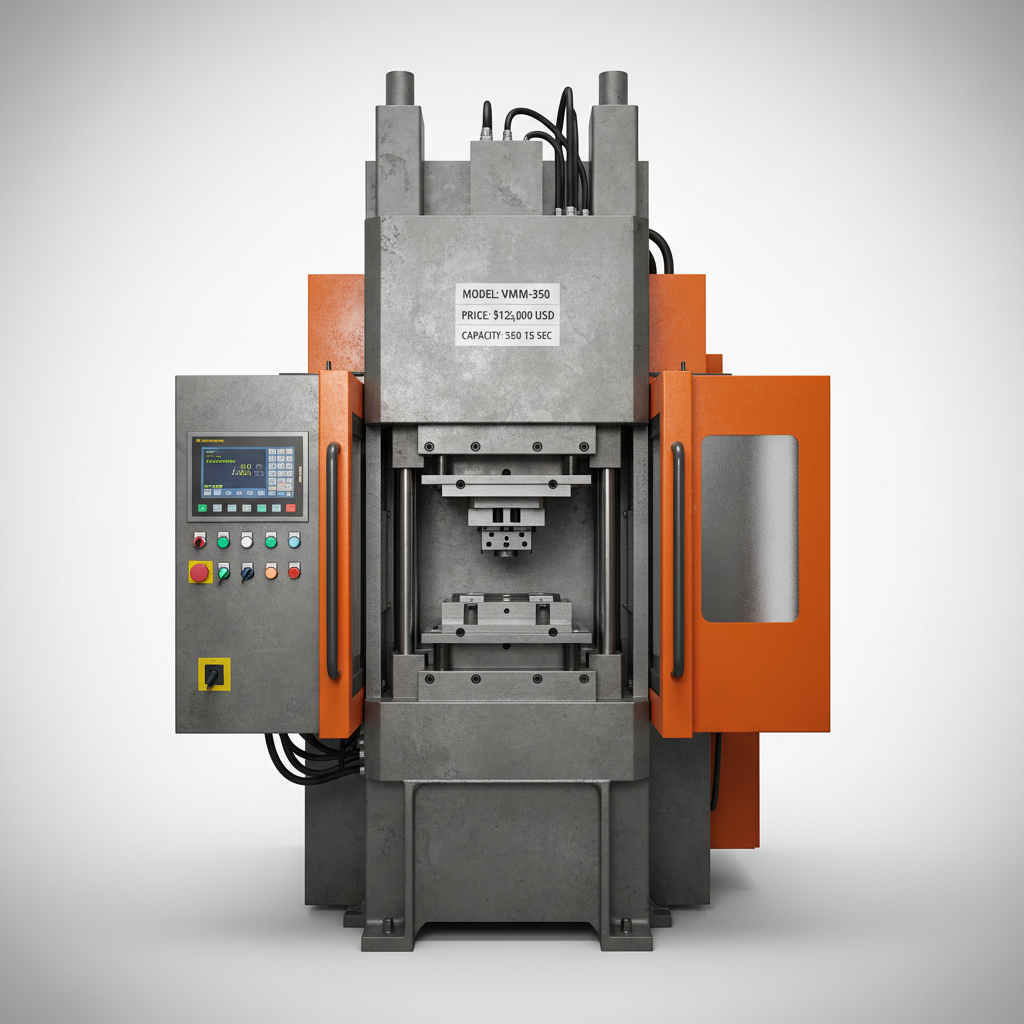
The price is also heavily influenced by the machine's specifications, such as its clamping force, shot capacity, and level of automation. Machines designed for high-volume production or specialized applications will naturally command a higher price point compared to simpler, entry-level models.
Core Factors Influencing Vertical Moulding Machine Price
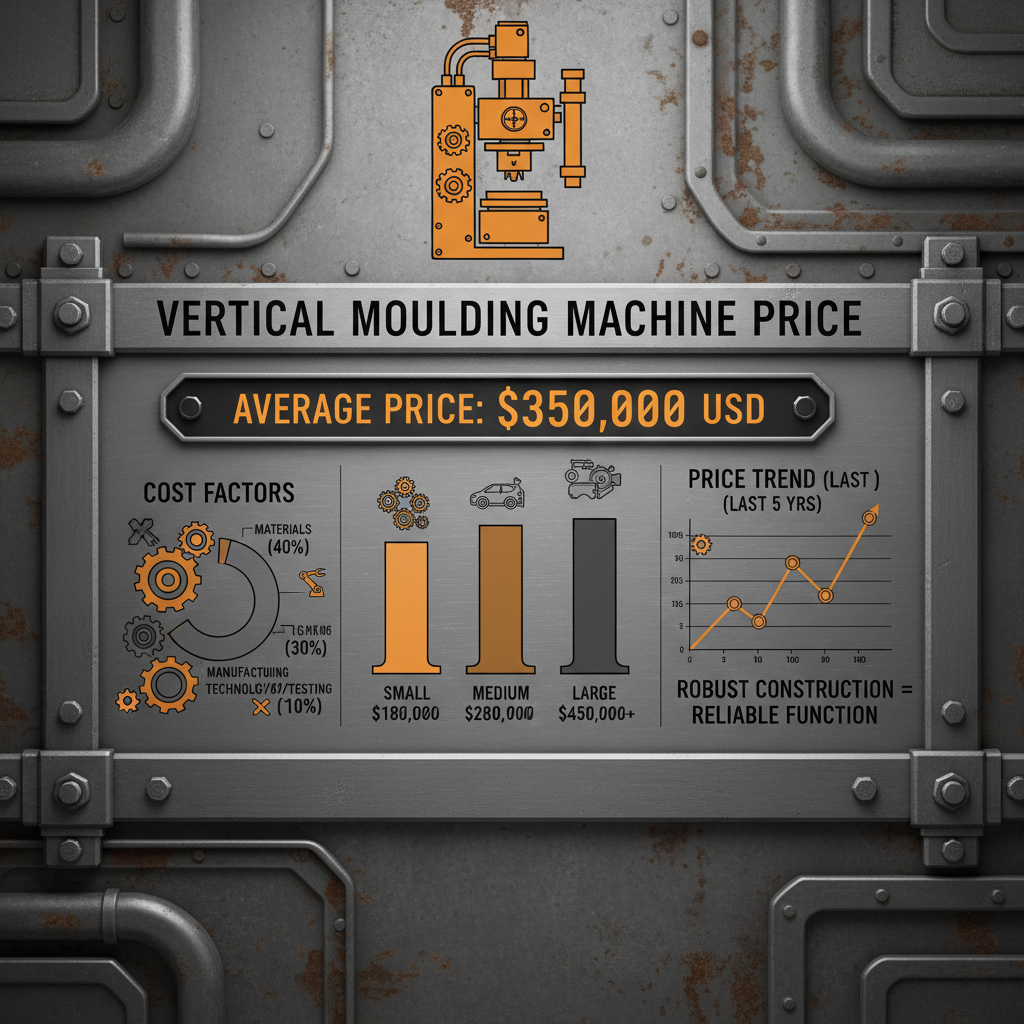
Several key factors directly impact the vertical moulding machine price. One significant component is the level of automation incorporated into the machine. Fully automated machines, equipped with robotic arms and sophisticated control systems, generally come with a higher price tag compared to manually operated machines.
Material quality is another critical factor. Machines constructed with high-grade steel and durable components tend to be more expensive upfront, but they offer greater reliability, longevity, and reduced maintenance costs over time. The choice of controller (e.g., Siemens, Fanuc) also significantly affects the price, with advanced controllers offering superior performance and precision.
The manufacturing capacity and clamping force also play a major role. Larger machines with higher clamping forces, designed to handle more complex moulds and produce larger parts, naturally command a higher vertical moulding machine price. Brand reputation and after-sales service support also contribute to the overall cost.
Global Applications and Industrial Relevance
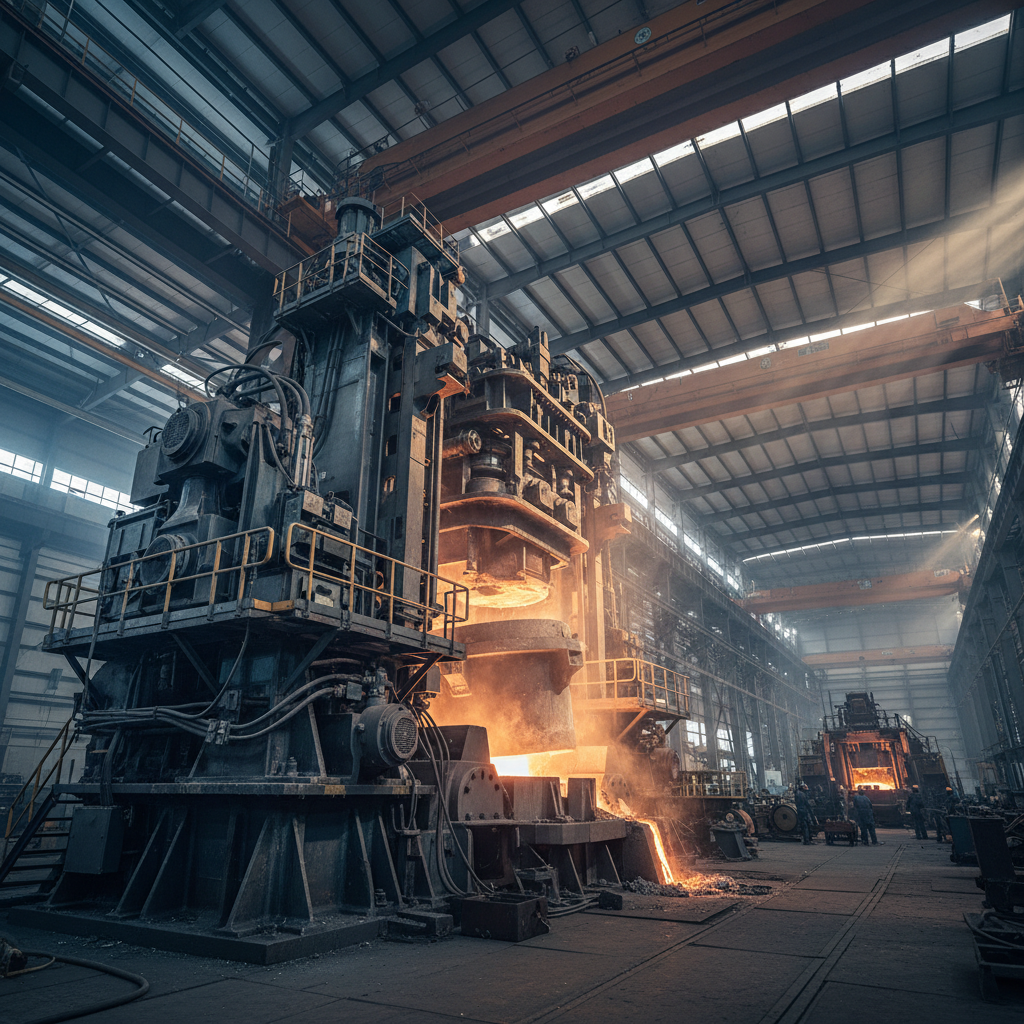
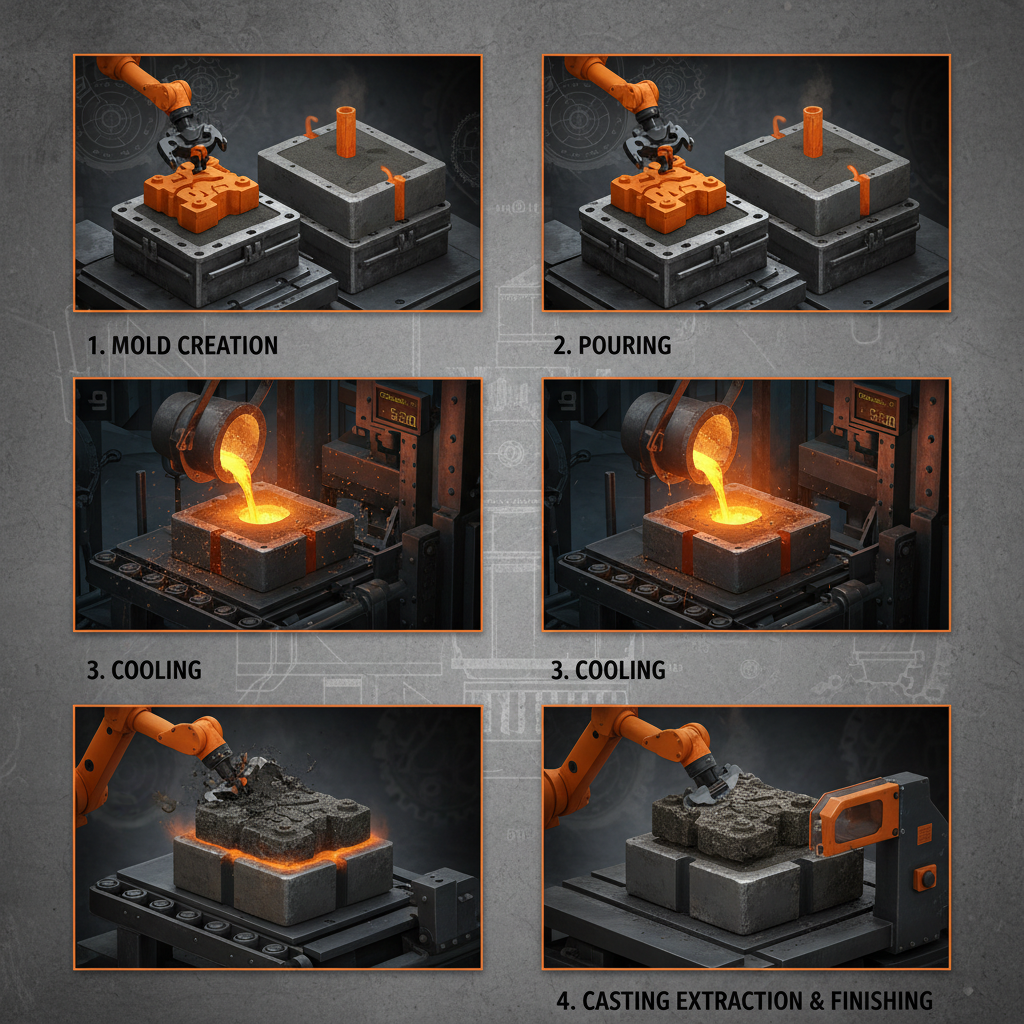
Vertical moulding machines are indispensable across a diverse range of industries globally. From automotive manufacturing and electronics to packaging and medical devices, these machines enable the efficient production of plastic parts and components. The vertical moulding machine price varies considerably depending on the specific application and industry requirements.
In the automotive sector, vertical moulding machines are used to produce interior and exterior components, ensuring precision and durability. The medical device industry relies on them for manufacturing sterile and high-precision parts. Packaging applications benefit from the speed and efficiency of these machines, enabling high-volume production of containers and closures. Across Asia, particularly in China and India, rapidly expanding manufacturing sectors are driving demand for affordable and reliable vertical moulding machines.
Comparative Analysis of Vertical Moulding Machine Price by Application
Advantages and Long-Term Value Proposition
Investing in a quality vertical moulding machine, despite the initial vertical moulding machine price, offers significant long-term advantages. These include increased production efficiency, reduced labor costs, improved product quality, and enhanced process control. The reliability of modern machines also minimizes downtime and maintenance expenses.
The sustainability benefits are also noteworthy. Efficient moulding processes minimize material waste, contributing to a smaller environmental footprint. Furthermore, the precise control offered by these machines allows for the use of recycled materials, promoting a circular economy. These factors enhance a company's reputation and appeal to environmentally conscious consumers.
Future Trends and Technological Advancements
The future of vertical moulding machines is characterized by increasing automation, integration of Industry 4.0 technologies, and a focus on sustainable manufacturing practices. Advances in machine learning and artificial intelligence will enable predictive maintenance, optimizing machine performance and minimizing downtime.
We can anticipate the development of more energy-efficient machines, utilizing innovative materials and designs to reduce energy consumption. Digital twins – virtual replicas of physical machines – will allow for remote monitoring, simulation, and optimization of production processes, further reducing costs and improving efficiency. The vertical moulding machine price will likely reflect these technological advancements, but the long-term benefits will outweigh the initial investment.
Challenges and Potential Solutions Regarding Price
One significant challenge is the fluctuating cost of raw materials, such as steel and electronic components, which can impact the vertical moulding machine price. Another challenge is the complexity of integrating new technologies, requiring specialized expertise and training.
Potential solutions include establishing long-term contracts with suppliers to secure stable pricing, investing in employee training programs to enhance technical skills, and exploring leasing or financing options to reduce upfront costs. Furthermore, adopting a modular machine design can allow for phased upgrades, spreading the investment over time.
Careful consideration of these challenges and proactive implementation of appropriate solutions can help businesses mitigate risks and maximize the value of their investment in vertical moulding machinery.
Key Considerations for Assessing Vertical Moulding Machine Price
| Machine Specifications |
Automation Level |
Supplier Reputation & Support |
Total Cost of Ownership |
| Clamping Force (tons) |
Manual, Semi-Automatic, Fully Automatic |
Years in Business, Customer Reviews |
$80,000 - $150,000 |
| Shot Capacity (grams) |
Robot Integration, Control System |
Warranty, Service Contracts |
$60,000 - $100,000 |
| Mold Size (mm) |
Sensor Technology, Data Analytics |
Training Availability, Parts Supply |
$90,000 - $180,000 |
| Cycle Time (seconds) |
Remote Monitoring, Predictive Maintenance |
Local Support, Response Time |
$75,000 - $130,000 |
| Control System Brand |
Energy Efficiency Features |
Customization Options |
$50,000 - $80,000 |
| Machine Age/Condition |
Software Updates, Compatibility |
Financing Options, Payment Terms |
$100,000 - $200,000 |
FAQS
Several factors heavily impact the vertical moulding machine price, including the level of automation, the machine’s clamping force and shot capacity, the quality of materials used in construction, and the supplier’s reputation and after-sales service. Advanced control systems and energy-efficient features also add to the cost. Ultimately, the complexity of the machine and its capabilities drive the price.
Higher levels of automation, such as the integration of robotic arms and sophisticated control systems, significantly increase the vertical moulding machine price. While automated machines require a larger upfront investment, they often lead to lower labor costs, increased production efficiency, and improved product quality, resulting in a quicker return on investment.
The Total Cost of Ownership (TCO) encompasses all expenses associated with the machine over its lifespan, not just the initial purchase price. This includes installation costs, training, maintenance, energy consumption, and potential downtime. Considering TCO allows for a more accurate comparison of different machines and helps businesses make informed decisions that maximize long-term value.
Explore options like leasing or financing the machine instead of purchasing it outright. Consider a refurbished machine from a reputable supplier. Negotiate with suppliers for discounts or bundled services. Focus on purchasing a machine with the specific features you need, avoiding unnecessary extras. Prioritizing essential functionalities can help keep costs down.
A reputable supplier offers reliable machines, comprehensive training, and prompt after-sales support, minimizing downtime and ensuring optimal performance. Excellent customer service, readily available spare parts, and timely technical assistance add significant value to the investment, even if the initial vertical moulding machine price is slightly higher.
Industry 4.0 technologies, such as machine learning, predictive maintenance, and remote monitoring, are increasingly integrated into vertical moulding machines, influencing prices. Energy-efficient designs and the use of advanced materials are also contributing to both higher initial costs and long-term savings. Digital twin technology is also gaining prominence.
Conclusion
In conclusion, understanding the vertical moulding machine price is a complex undertaking requiring a holistic assessment of numerous factors. From initial purchase cost to long-term operating expenses, and from automation levels to supplier reliability, a thorough evaluation is crucial for making a sound investment. Prioritizing value, sustainability, and future-proof technology will ultimately deliver the greatest return.
Looking ahead, we encourage businesses to embrace technological advancements, prioritize employee training, and actively seek out strategic partnerships with reputable suppliers. By staying informed about industry trends and proactively addressing potential challenges, you can unlock the full potential of vertical moulding technology and drive sustainable growth. Visit our website: www.yonghongbq.com to learn more about our solutions.