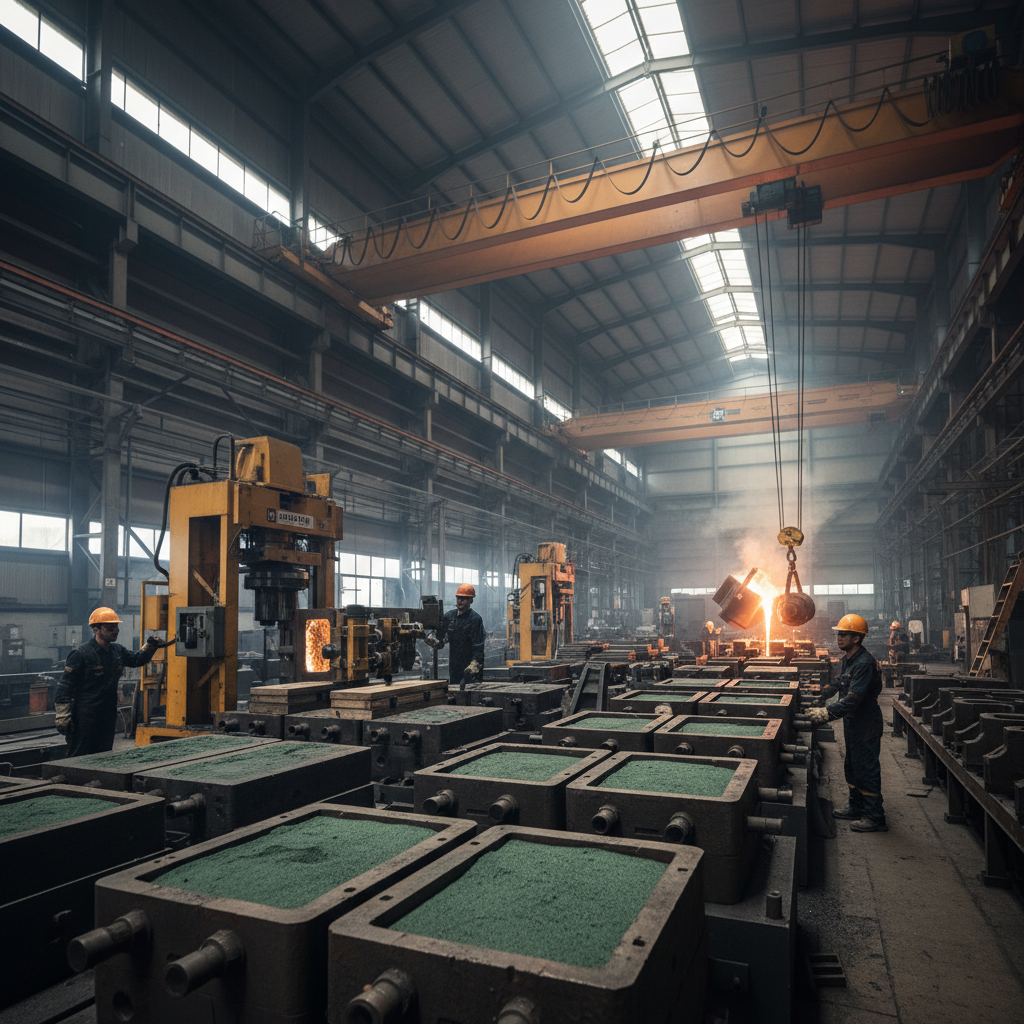
The global demand for rapid and efficient manufacturing solutions is constantly increasing, driven by factors like population growth, urbanization, and the need for localized production. In this dynamic landscape, the vertical molding machine has emerged as a crucial technology, offering a versatile and cost-effective approach to producing a wide range of plastic parts. Its ability to optimize space, reduce cycle times, and enhance product quality makes it indispensable across numerous industries.
The significance of the vertical molding machine extends beyond simple manufacturing efficiency. It plays a vital role in supporting industries requiring high precision and consistent output, such as automotive, medical device manufacturing, and consumer electronics. Furthermore, the adoption of these machines contributes to a reduction in material waste and energy consumption, aligning with global sustainability goals.
Understanding the nuances of vertical molding machine technology—from its core components to its emerging applications—is essential for professionals in manufacturing, engineering, and supply chain management. Investing in knowledge and innovative solutions in this area promises enhanced productivity, reduced costs, and a more sustainable future.
Introduction to Vertical Molding Machine
Vertical molding machines represent a significant advancement in plastic injection molding technology, offering unique advantages over traditional horizontal configurations. They operate by injecting molten plastic material vertically into a mold, a process that optimizes space utilization and enhances part ejection. vertical molding machine are becoming increasingly popular.
This design inherently addresses common challenges associated with molding complex geometries and large components. The gravity-assisted part ejection minimizes the risk of deformation or damage, resulting in higher quality products and reduced scrap rates. This makes them a favorable option in industries requiring precision and reliability.
Defining Vertical Molding Machine
A vertical molding machine, at its core, is a plastic injection molding system where the mold clamping unit operates in a vertical orientation. Molten plastic resin is injected into the mold cavity under high pressure, where it cools and solidifies, forming the desired part. Unlike horizontal machines where the mold opens and closes sideways, vertical machines open and close vertically, typically with the mold moving up and down.
This configuration isn't merely a spatial difference; it profoundly impacts the molding process. The vertical orientation leverages gravity to assist in part ejection, a critical advantage when dealing with complex or delicate components. The connection to modern industry is strong, supporting high-volume production in sectors requiring precise plastic components.
The technology serves humanitarian needs, too. The efficiency and potential for localized production afforded by vertical molding enables rapid deployment of essential plastic products—from medical supplies to sanitation solutions—in disaster-relief or remote settings.
Core Components and Functionality
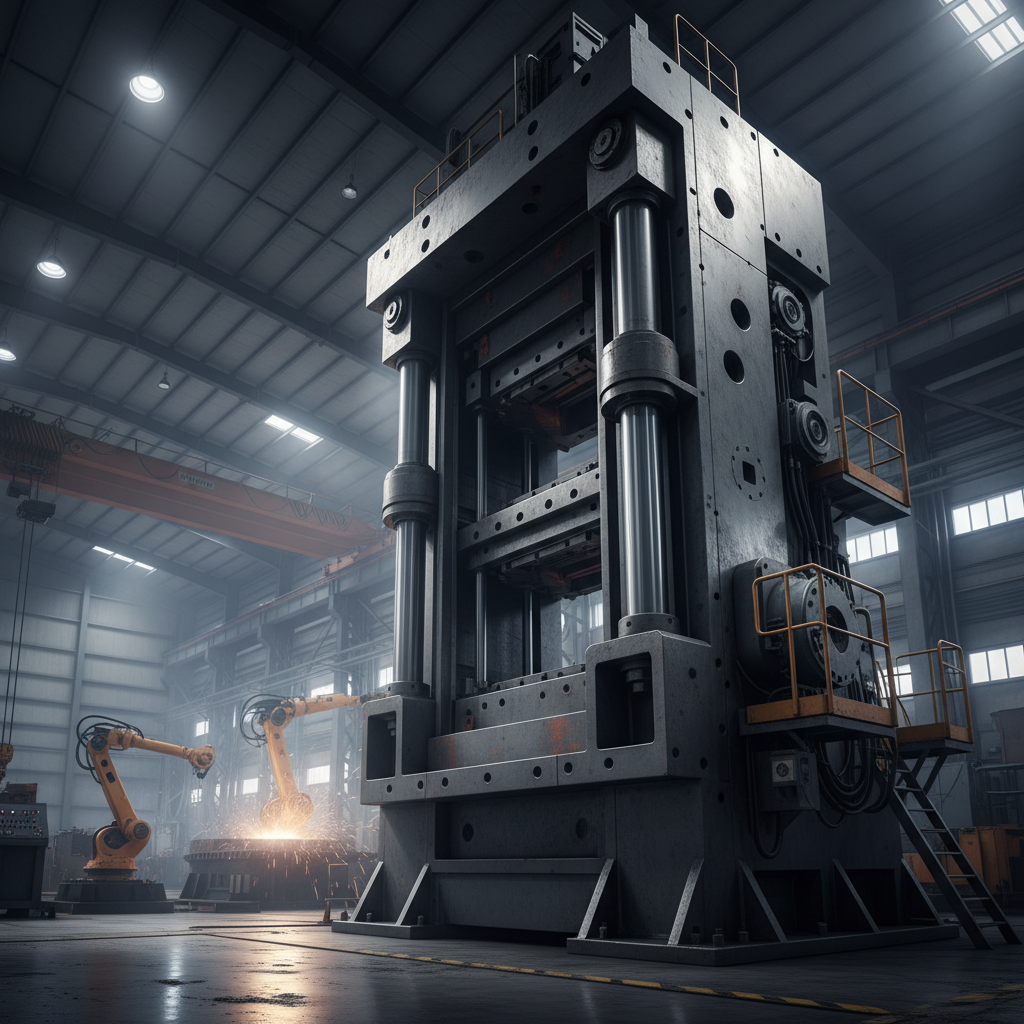
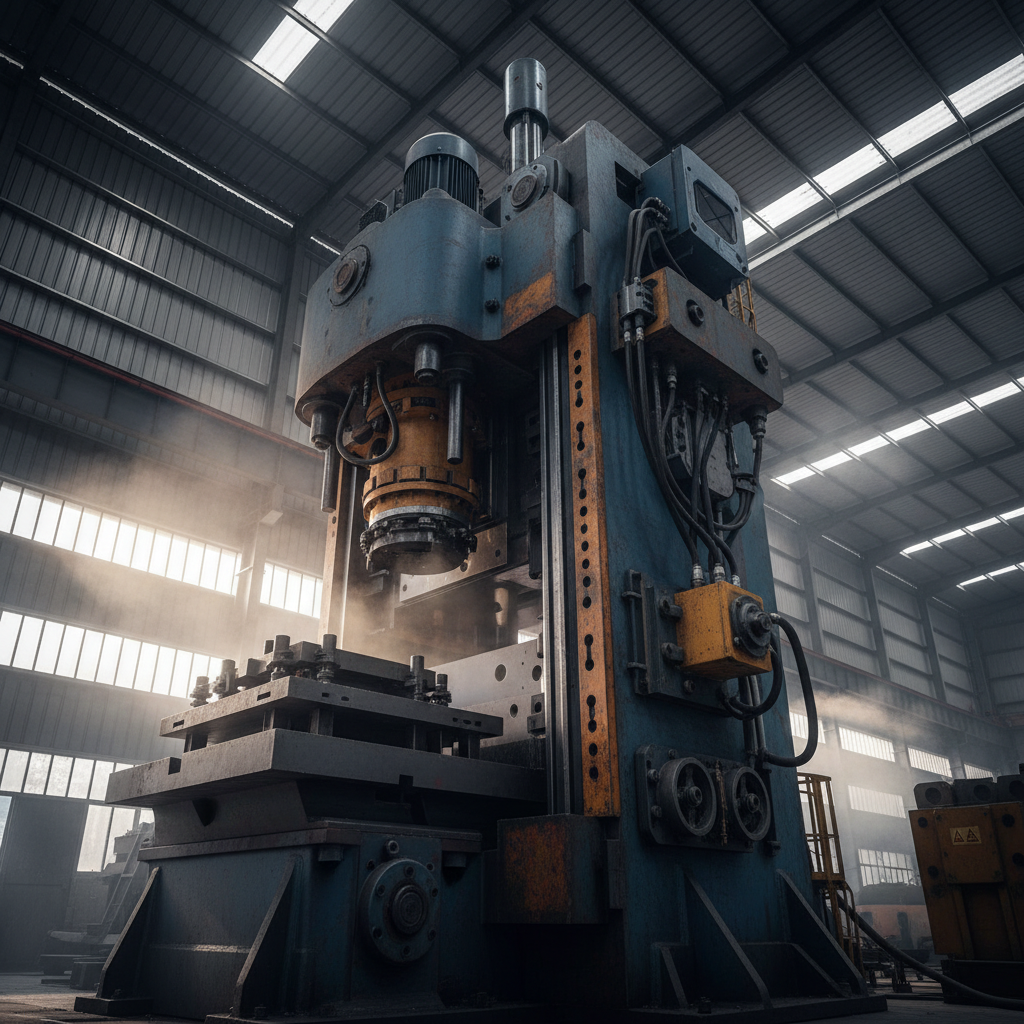
The heart of any vertical molding machine lies in several key components. These include the injection unit, which melts and injects the plastic resin; the clamping unit, which securely holds the mold closed during injection; the mold itself, defining the shape of the final product; and the control system, orchestrating the entire process. Each component operates in precise coordination to deliver consistent results.
The injection unit typically consists of a hopper, screw, and heating bands. The hopper stores the plastic resin, while the screw conveys and melts the material. Heating bands regulate the temperature to ensure proper melt viscosity. The clamping unit uses hydraulic or electric actuators to apply the necessary force to keep the mold tightly closed against the injection pressure.
Sophisticated control systems—often employing Programmable Logic Controllers (PLCs)—monitor and adjust critical parameters like injection pressure, temperature, and cycle time. Modern machines incorporate sensors and feedback loops to maintain precise control and optimize the molding process for different materials and part designs.
Key Advantages of Vertical Molding
The advantages of utilizing a vertical molding machine are numerous. First and foremost is the space optimization, allowing for a smaller footprint compared to horizontal machines, which is crucial in facilities with limited floor space. Gravity-assisted ejection minimizes part damage and deformation, leading to higher quality parts. vertical molding machine are popular because of their advantages.
Reduced cycle times, a direct result of the efficient ejection process, contribute to increased production output. Furthermore, vertical machines often require lower clamping forces for comparable part sizes, leading to energy savings and reduced wear and tear on machine components.
Vertical Molding Machine Performance Metrics
Global Applications and Industries Served
The versatility of the vertical molding machine extends across a diverse range of industries. The automotive sector utilizes these machines for producing interior components, housings, and connectors. Medical device manufacturers rely on them for creating precise and sterile plastic parts for instruments and equipment.
The consumer electronics industry leverages vertical molding for manufacturing casings, buttons, and other components for smartphones, laptops, and appliances. Packaging is another significant application, producing containers, lids, and closures efficiently. In post-disaster relief operations, rapid production of water containers, sanitation units, and temporary shelter components are greatly helped by vertical molding machines.
Long-Term Value and Economic Impact
Investing in vertical molding technology provides substantial long-term value. Reduced material waste, coupled with lower energy consumption, contributes to significant cost savings. Enhanced product quality minimizes defect rates and associated expenses. The increased production efficiency translates into higher throughput and faster time-to-market.
Furthermore, the adoption of vertical molding supports sustainable manufacturing practices, appealing to environmentally conscious consumers and meeting increasingly stringent regulatory requirements. The technology's reliability reduces downtime and maintenance costs, ensuring consistent operational performance and a strong return on investment.
Future Trends in Vertical Molding Technology
The future of vertical molding is shaped by several emerging trends. Integration with automation and robotics promises fully automated production lines, further boosting efficiency and reducing labor costs. Advances in material science are enabling the use of new, high-performance plastics in vertical molding applications.
Digitalization, including the use of Industry 4.0 technologies like real-time monitoring and predictive maintenance, is optimizing machine performance and preventing downtime. Green energy solutions, such as electric servo-hydraulic systems, are reducing the environmental impact of vertical molding processes.
The development of multi-component molding techniques, allowing for the creation of parts with diverse materials in a single process, will expand the application scope of vertical molding even further.
Summary of Vertical Molding Machine Challenges and Potential Solutions
| Challenge |
Impact on Vertical Molding |
Potential Solution |
Implementation Cost (Scale 1-10) |
| Material Selection Limitations |
Not all polymers are suitable for vertical injection. |
Research and development of new compatible materials. |
7 |
| Mold Design Complexity |
Vertical ejection requires careful mold design. |
Advanced simulation software and mold flow analysis. |
6 |
| Cycle Time Optimization |
Achieving optimal cycle times can be challenging. |
Precise temperature control and injection speed adjustments. |
5 |
| Machine Maintenance Requirements |
Regular maintenance is crucial for consistent performance. |
Preventive maintenance schedules and remote monitoring systems. |
4 |
| Operator Skill Level |
Effective operation requires specialized training. |
Comprehensive operator training programs and automated control systems. |
6 |
| Initial Investment Costs |
Vertical molding machines can be expensive. |
Leasing options or phased investment strategies. |
8 |
FAQS
Vertical molding machines offer several advantages, including a smaller footprint, improved part ejection due to gravity, reduced cycle times, and potentially lower clamping force requirements. These benefits translate to increased efficiency, higher quality parts, and cost savings in the long run. They are particularly well-suited for intricate parts where ejection is a concern.
A wide range of thermoplastic materials can be processed using vertical molding machines, including polypropylene (PP), polyethylene (PE), ABS, polycarbonate (PC), and nylon. However, material selection should consider factors like melt flow rate, shrinkage, and compatibility with the specific machine and mold design. Some engineering-grade plastics may require specialized configurations.
Cycle times for vertical molding machines can often be faster than those for horizontal machines, particularly for parts with complex geometries. This is largely due to the gravity-assisted ejection, which reduces the time needed for part removal. Typical cycle times can range from a few seconds to several minutes, depending on the part size, material, and machine settings.
Regular maintenance is essential for optimal performance and longevity. This includes lubricating moving parts, inspecting and replacing wear items (such as screws and nozzles), cleaning the mold, and checking hydraulic fluid levels. Implementing a preventive maintenance schedule and monitoring machine parameters can help identify potential issues before they lead to downtime.
Safety is paramount. Operators should always wear appropriate personal protective equipment (PPE), including safety glasses, gloves, and hearing protection. Machine guarding should be in place and functioning correctly. Emergency stop buttons should be easily accessible, and operators should be thoroughly trained on safe operating procedures and emergency protocols.
With proper maintenance and care, a vertical molding machine can have a lifespan of 15-20 years or even longer. Regular inspections, timely repairs, and adherence to recommended operating procedures are crucial for maximizing its service life. Investing in high-quality machines and components also contributes to long-term reliability.
Conclusion
In conclusion, the vertical molding machine represents a powerful and versatile technology driving innovation in the plastics manufacturing industry. Its ability to optimize space, enhance part quality, reduce cycle times, and promote sustainable practices makes it a crucial asset for businesses across diverse sectors. Understanding the core components, advantages, and future trends surrounding this technology is vital for remaining competitive in today’s dynamic market.
Looking ahead, continued advancements in automation, materials science, and digitalization will further enhance the capabilities of vertical molding machines. Embracing these innovations will unlock new opportunities for efficiency, cost reduction, and product development. We encourage exploration of vertical molding machine solutions to empower your manufacturing processes and achieve long-term success.