Your casting is getting easier!
link
Telephone:0312-7027666
0%

Table of Contents

The horizontal casting machine represents a pivotal advancement in modern manufacturing, offering a streamlined and efficient method for producing continuous metal sections. Its significance extends across diverse industries, from construction and automotive to railway and general engineering. Understanding the principles and applications of this technology is crucial for optimizing production processes, reducing material waste, and enhancing product quality. This comprehensive guide delves into the intricacies of horizontal casting machines, exploring their core components, global applications, and future trends.

Globally, the demand for high-quality metal products is steadily increasing, driven by infrastructural development and industrial growth in emerging economies. The horizontal casting machine addresses this demand by providing a cost-effective and scalable solution for mass production. According to recent reports from the World Steel Association, global steel production reached 1.871 billion tonnes in 2023. Horizontal casting technologies play an essential role in fulfilling a significant portion of this demand. However, challenges remain in optimizing energy efficiency and minimizing environmental impact within the casting process.

The horizontal casting machine is a specialized piece of equipment designed to continuously cast molten metal into a semi-finished product, such as billets, blooms, or slabs. Unlike traditional casting methods, which involve pouring molten metal into molds, the horizontal process uses a water-cooled mold that moves continuously, solidifying the metal as it travels. This continuous solidification process leads to improved material properties, reduced defects, and increased production rates. Horizontal casting machines are essential in meeting the growing needs of various industries demanding consistent and high-quality metal components.
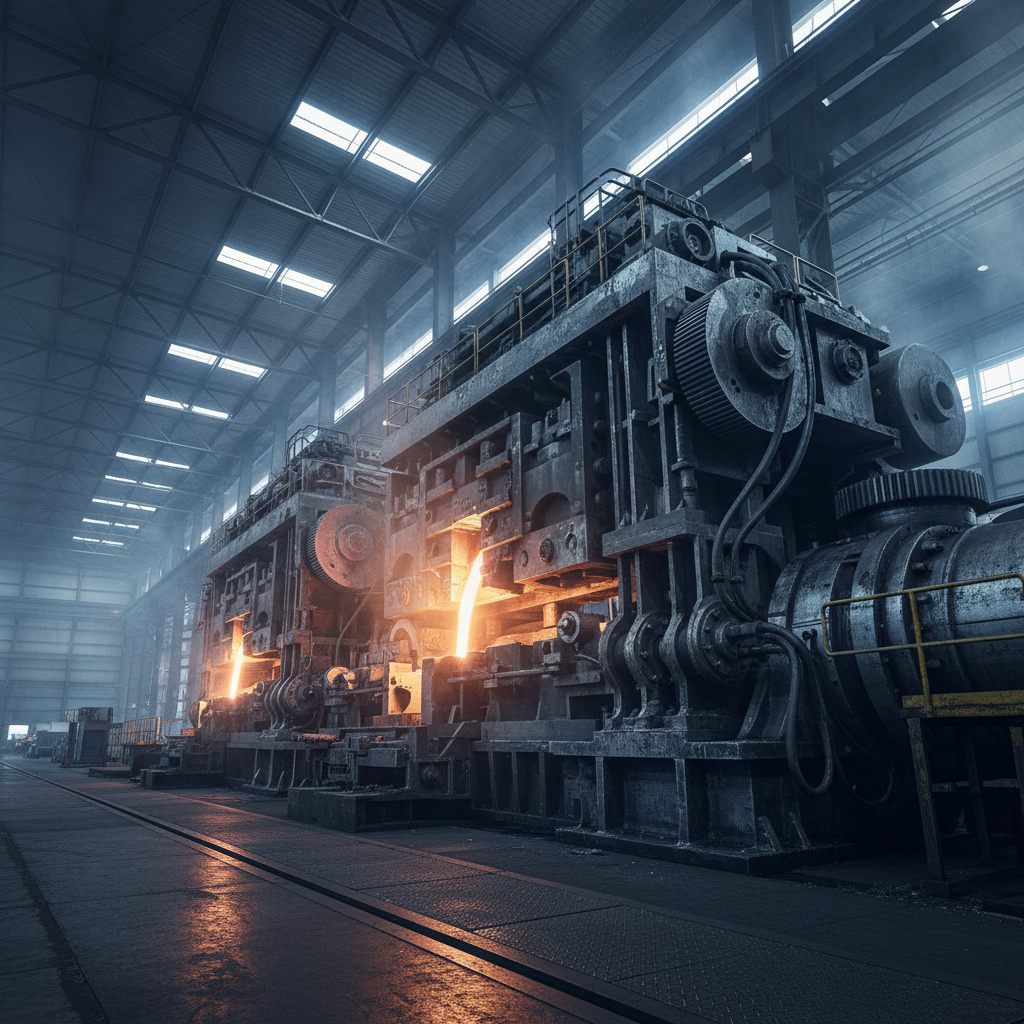
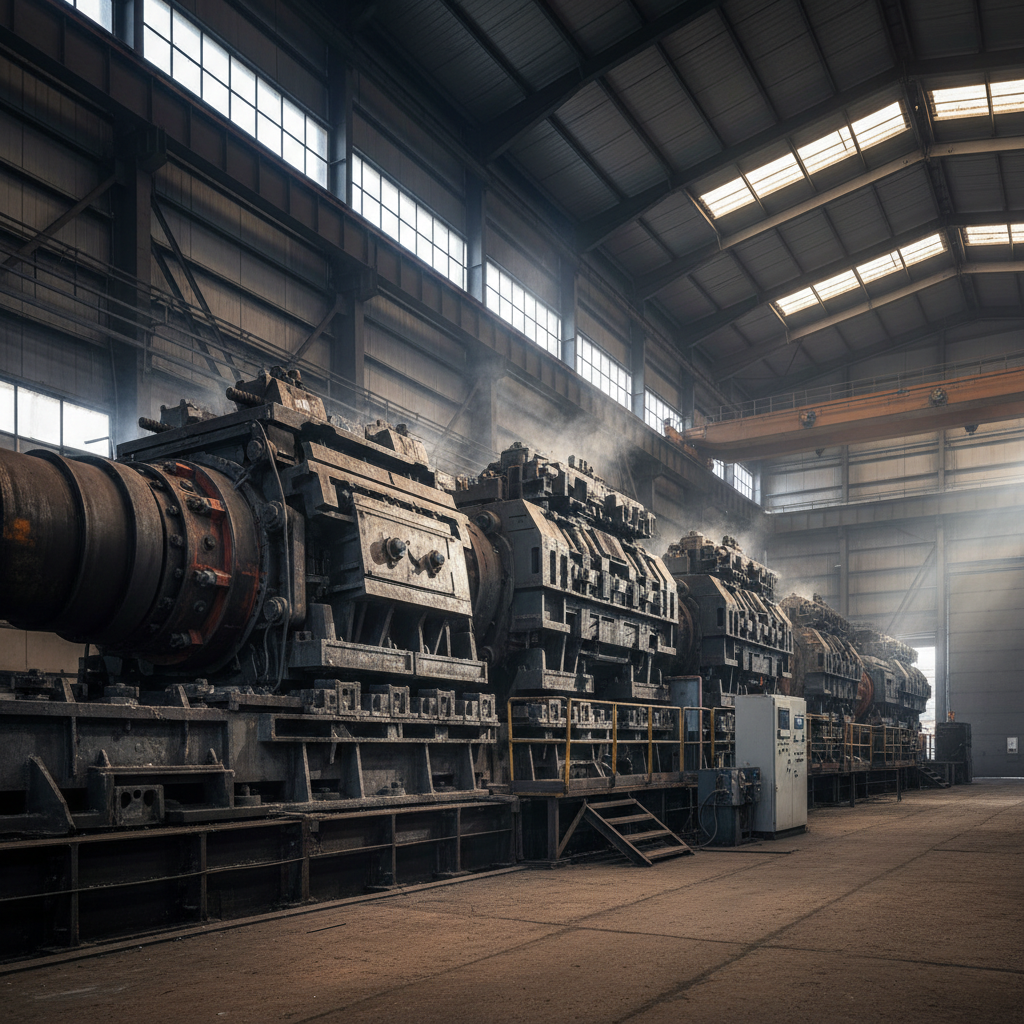
Advancements in Horizontal Casting Machine Technology and Global Applications

Introduction to Horizontal Casting Machine

Advancements in Horizontal Casting Machine Technology and Global Applications

The horizontal casting machine is a cornerstone of modern metal production, providing a pathway to continuous and efficient casting. This process differs significantly from traditional methods, optimizing material utilization and enhancing the consistency of the final product. Understanding the underlying principles of horizontal casting is paramount for engineers, metallurgists, and manufacturers seeking to improve their operational capabilities.

The core function of a horizontal casting machine involves feeding molten metal into a water-cooled mold while simultaneously withdrawing a solidified strand. This continuous process allows for high production rates and minimizes the need for subsequent processing steps. The resulting cast sections are typically closer to their final dimensions, reducing waste and lowering overall manufacturing costs.

Defining Horizontal Casting Machine

A horizontal casting machine is a metallurgical process used to create semi-finished metal products through continuous solidification in a horizontally oriented, water-cooled mold. This differs from traditional casting where molten metal is poured into individual molds. The key feature is the continuous movement of both the molten metal and the mold, resulting in a continuous cast strand.

This technology is directly linked to modern industrial production, enabling large-scale manufacturing of billets, blooms, and slabs used in various industries. Its efficiency and ability to produce high-quality metal products are vital for supporting infrastructural projects, automotive manufacturing, and other critical sectors. The machine’s effectiveness in minimizing material waste also aligns with sustainable manufacturing practices.

Ultimately, the horizontal casting machine serves as a critical link in the supply chain, converting raw materials into usable metal forms. It represents a sophisticated application of metallurgical principles, delivering significant economic and operational benefits for businesses across the globe.

Core Components of a Horizontal Casting Machine

The functionality of a horizontal casting machine relies on a carefully integrated system of components. The core of the machine is the horizontal casting machine itself, encompassing the mold, cooling system, and withdrawal mechanism. These components work in harmony to ensure consistent metal solidification and strand quality.

Critical to the process is the pouring system, which ensures a controlled and consistent flow of molten metal into the mold. The mold itself is typically made of high-conductivity copper to facilitate rapid cooling and solidification. Furthermore, the machine incorporates sophisticated sensors and control systems to monitor temperature, speed, and other key parameters.

Finally, the withdrawal mechanism precisely controls the speed at which the solidified strand is extracted from the mold, preventing defects and maintaining dimensional accuracy. Supporting systems, such as lubrication and hydraulic power units, are also integral to the operation of the machine, ensuring smooth and reliable performance.

Advantages of Horizontal Casting Machine Technology

The advantages of employing a horizontal casting machine are numerous and impactful. One key benefit is improved product quality, achieved through controlled cooling and consistent solidification. This leads to a reduction in defects and enhanced mechanical properties in the cast metal.

Another significant advantage is increased production efficiency. The continuous casting process significantly surpasses batch-style casting in terms of output volume. Horizontal casting machines are designed for high-volume production, reducing cycle times and maximizing throughput.

Comparison of Horizontal Casting Machine Methods


Global Applications of Horizontal Casting Machine

Horizontal casting machines are deployed globally across diverse industrial sectors. In the construction industry, they are essential for producing reinforcing steel bars (rebar) and structural components. In the automotive sector, they manufacture parts for chassis, engines, and transmission systems.

Railway industries rely heavily on horizontal casting for the production of rails and wheels. Furthermore, the general engineering sector utilizes this technology for producing a wide range of customized metal profiles and components. The demand for horizontal casting machines is particularly strong in developing economies undergoing rapid infrastructure expansion.

Long-Term Value and Benefits

Investing in horizontal casting machine technology provides significant long-term value, extending beyond initial cost savings. The enhanced product quality and reduced material waste contribute to higher profitability and a stronger market position. The reliability of the machines minimizes downtime and ensures continuous operation, further boosting productivity.

Sustainability is another key benefit, as horizontal casting machines can be integrated with energy-efficient systems and optimized to reduce environmental impact. Moreover, the advanced control systems and automated features enhance workplace safety, creating a more secure environment for operators. The technology’s contribution to innovation and consistent product quality fosters trust among clients and partners.

Future Trends in Horizontal Casting Machine Technology

The future of horizontal casting machine technology is poised for significant advancements. The integration of Industry 4.0 principles, including advanced sensors, data analytics, and artificial intelligence, will enable predictive maintenance, real-time process optimization, and enhanced quality control.

Research and development efforts are focused on developing new mold materials with improved thermal conductivity and wear resistance. Additionally, the adoption of digital twins—virtual representations of the physical machine—will allow for simulation, optimization, and remote monitoring. These innovations will drive efficiency, reduce costs, and enhance the overall performance of horizontal casting processes.

Green energy solutions are also becoming increasingly relevant, with a focus on reducing the carbon footprint of casting operations through optimized energy consumption and the use of renewable energy sources. The trend towards automation and robotics will further streamline processes and improve productivity.

Summary of Challenges and Solutions in Horizontal Casting Machine Operation

Challenge Impact Area Proposed Solution Implementation Cost (Scale 1-10)
Surface Defect Formation Product Quality Optimize cooling rates and mold surface finish. 6
Temperature Control Instability Process Efficiency Implement advanced temperature control systems and sensors. 8
Mold Wear and Tear Maintenance Costs Utilize high-wear-resistant mold materials and coatings. 7
Energy Consumption Operating Expenses Implement energy-efficient cooling systems and heat recovery technologies. 5
Process Automation Limitations Production Throughput Integrate robotics and AI-powered control systems. 9
Material Waste Resource Utilization Implement optimized process parameters and scrap recovery systems. 4

FAQS

What are the primary advantages of horizontal casting over traditional casting methods?

Horizontal casting offers several key advantages over traditional methods, including improved product quality due to consistent cooling, higher production rates thanks to the continuous process, and reduced material waste from closer-to-final-dimension casting. It also allows for better control over the solidification process, leading to fewer defects and enhanced mechanical properties. The scalability of the process is also a major benefit for large-scale production.

What types of metals are commonly cast using horizontal casting machines?

Horizontal casting is widely used for a variety of metals, including steel (carbon steel, alloy steel, stainless steel), aluminum alloys, copper alloys, and even certain types of cast iron. The specific metal alloy influences the mold materials and cooling parameters employed, but the fundamental process remains largely consistent. The flexibility to handle various alloy compositions makes horizontal casting a versatile manufacturing solution.

How does the cooling system in a horizontal casting machine impact the final product quality?

The cooling system is absolutely critical for final product quality. Uniform and controlled cooling prevents the formation of internal stresses, cracks, and porosity within the cast metal. Water-cooled molds are the most common, and maintaining precise temperature gradients is essential. Advanced cooling strategies, such as segmented cooling, can further enhance product consistency and minimize defects. Improper cooling can lead to significant quality issues and product rejection.

What maintenance is required for a horizontal casting machine to ensure optimal performance?

Regular maintenance is crucial for ensuring reliable operation and extending the lifespan of the machine. This includes routine inspection and cleaning of the mold, cooling system, and withdrawal mechanism. Lubrication of moving parts is essential, and periodic replacement of worn components like spray nozzles and bearings is necessary. Implementing a preventative maintenance schedule and conducting regular performance assessments can prevent costly downtime and maintain optimal production efficiency.

What is the typical lifespan of a horizontal casting machine, and what factors influence it?

The lifespan of a horizontal casting machine typically ranges from 15 to 25 years, depending on several factors. These include the quality of the initial construction, the intensity of usage, the quality of maintenance performed, and the types of metals cast. Machines used for abrasive alloys or operating under harsh conditions may have a shorter lifespan. Proper operation, diligent maintenance, and timely replacement of worn parts are key to maximizing the machine's longevity.

How does automation impact the operation and efficiency of a horizontal casting machine?

Automation significantly enhances the operation and efficiency of a horizontal casting machine. Automated systems can control key parameters such as pouring rate, cooling water flow, and withdrawal speed with greater precision than manual operation. Robotics can be used for tasks like mold handling and quality inspection, reducing labor costs and improving consistency. AI-powered control systems can further optimize processes and predict potential issues, minimizing downtime and maximizing throughput.

Conclusion

In conclusion, the horizontal casting machine stands as a vital technology in modern metal production, offering substantial advantages in terms of efficiency, product quality, and cost-effectiveness. Its ability to deliver continuous casting, minimize material waste, and adapt to various metal alloys makes it a cornerstone of industries ranging from construction to automotive. The evolution of this technology continues to drive innovation and sustainability within the manufacturing landscape.

Looking ahead, continued advancements in automation, data analytics, and green energy integration will further enhance the capabilities of horizontal casting machines. Investing in these technologies and fostering a skilled workforce will be crucial for optimizing production processes and maintaining a competitive edge in the global market. For more information and solutions regarding horizontal casting machines, visit our website: www.yonghongbq.com.


Kevin Rodriguez

Kevin Rodriguez

Kevin Rodriguez is a Technical Support Specialist at Yonghong Machinery Group, providing on-site and remote assistance to our US-based clients. He is a highly skilled technician with extensive knowledge of our equipment’s operation and maintenance. Kevin excels at troubleshooting complex issues and providing prompt, effective solutions. Since joining Yonghong in
Previous Advancements in Vertical Molding Machine Technology for Efficient Manufacturing
Next Advancements in Horizontal Moulding Machine Technology for Efficient Manufacturing