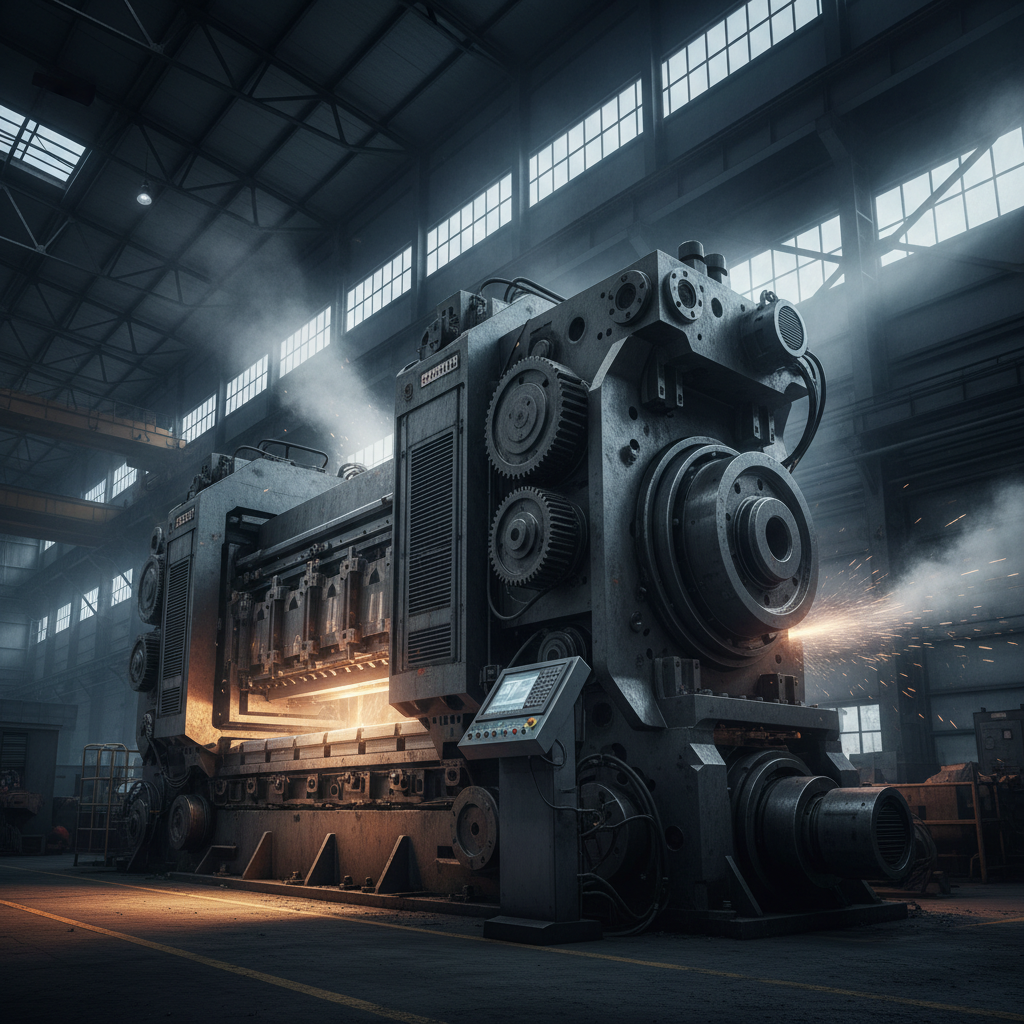
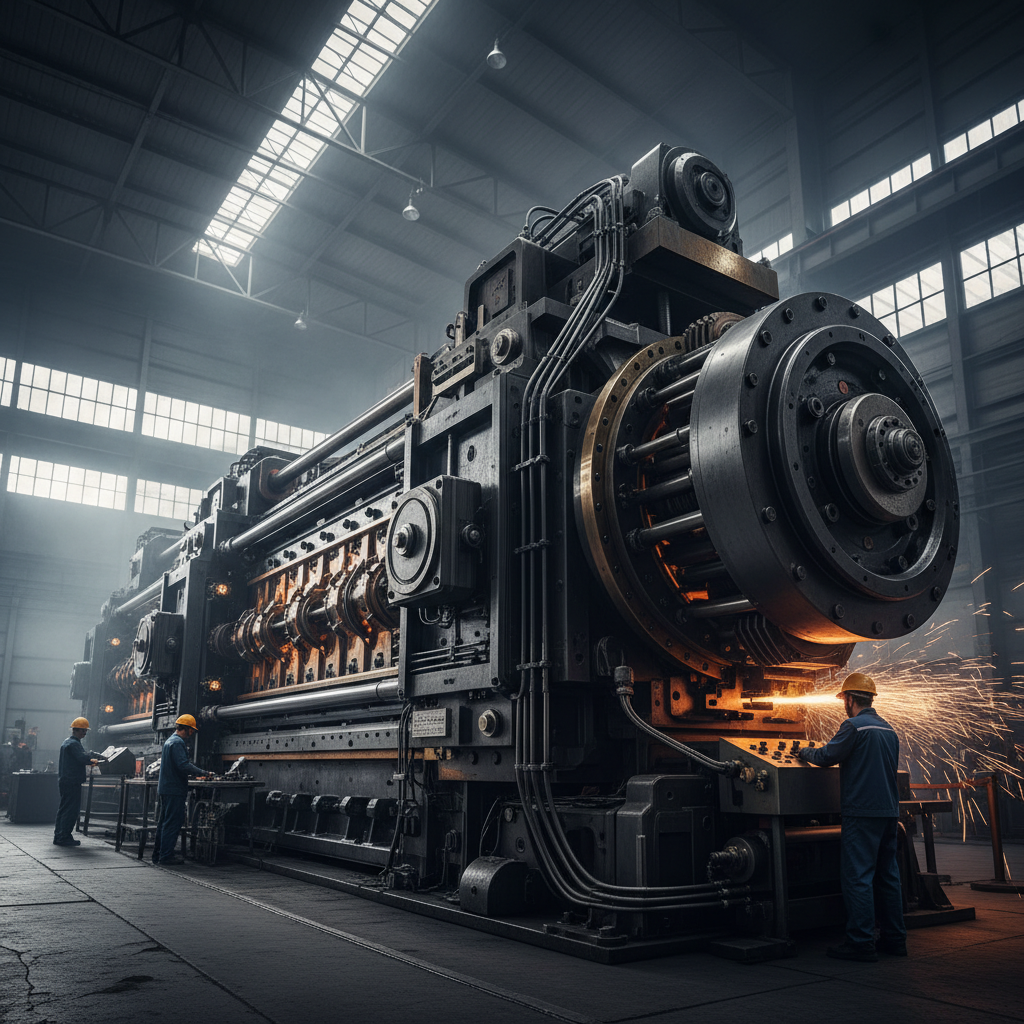
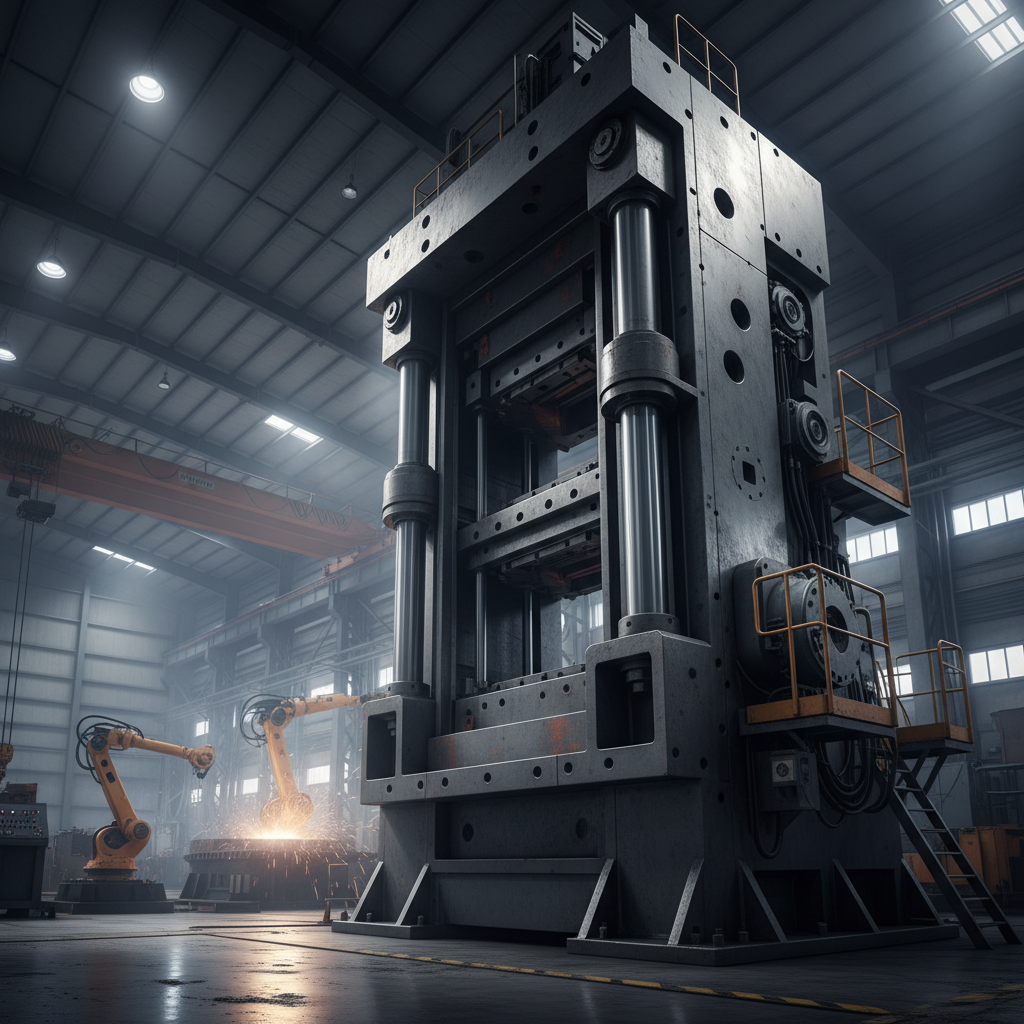
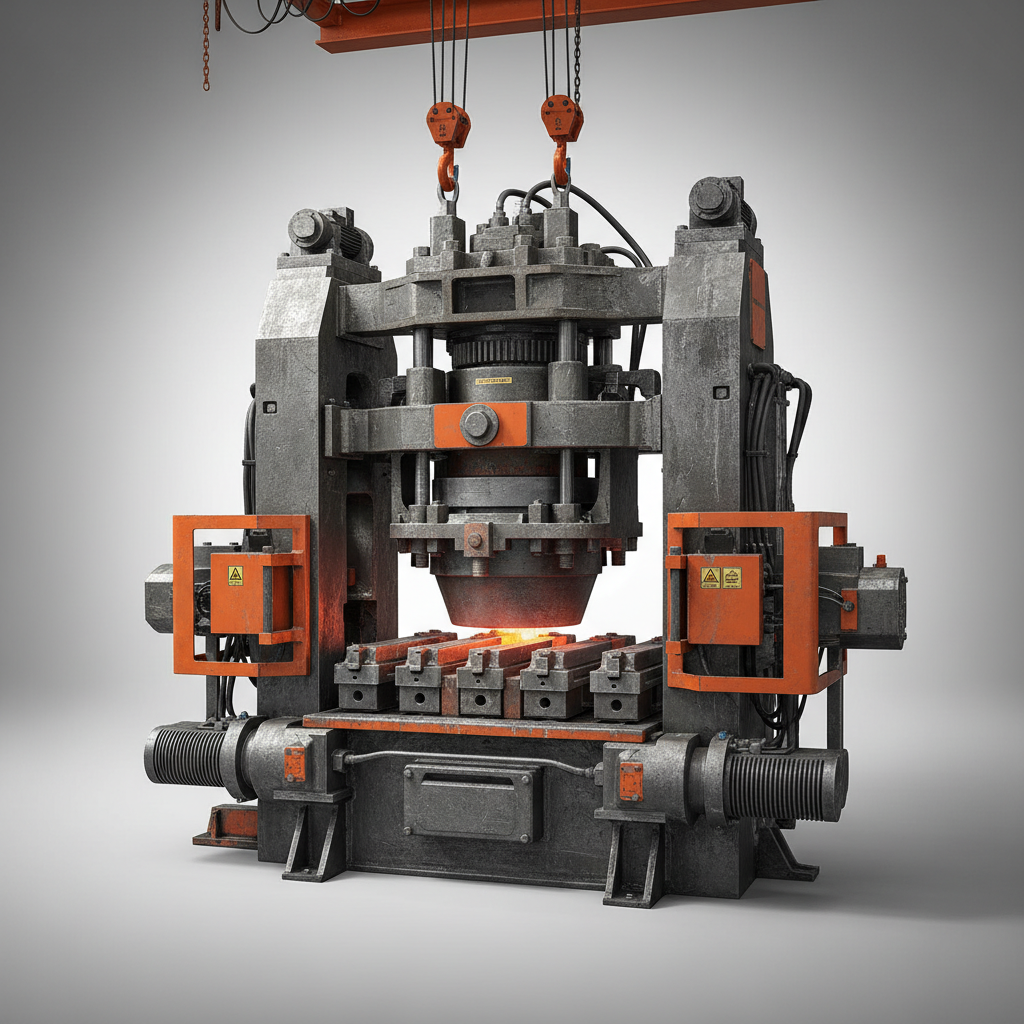
The global demand for efficient and reliable manufacturing processes is constantly increasing, driving innovation in machinery like the horizontal moulding machine. This technology plays a crucial role in diverse industries, from plastics and packaging to construction and automotive, enabling the mass production of complex shapes with precision and speed. Understanding the capabilities and advancements in horizontal moulding machine technology is therefore paramount for businesses seeking to optimize their production processes and gain a competitive edge in the global market.
The application of the horizontal moulding machine is particularly relevant as industries move towards increased automation and customization. Traditional vertical moulding often presents limitations in terms of part size, complexity, and cycle times. Horizontal moulding offers a solution to these challenges, enhancing production efficiency and expanding the range of products that can be manufactured. As supply chains become more agile and responsive, the need for flexible manufacturing solutions like the horizontal moulding machine will only continue to grow.
Furthermore, the development of sustainable and eco-friendly manufacturing practices is influencing the design and operation of modern machinery. Horizontal moulding machines are increasingly incorporating energy-efficient components and utilizing recyclable materials, aligning with the global push for environmental responsibility. The adoption of this technology allows businesses to not only meet production demands but also contribute to a more sustainable future.
The Global Significance of Horizontal Moulding Machine
The global market for plastic products is experiencing significant growth, fuelled by increasing demand from packaging, automotive, construction, and consumer goods sectors. According to a report by Grand View Research, the global plastic molding market was valued at USD 195.98 billion in 2022 and is expected to grow at a compound annual growth rate (CAGR) of 4.2% from 2023 to 2030. Within this market, horizontal moulding machines play a vital role in producing a wide range of plastic components efficiently.
This growing demand, coupled with the need for enhanced production capabilities, is driving manufacturers to invest in advanced technologies like horizontal moulding machines. These machines offer advantages in terms of cycle time, part size, and complexity, making them essential for meeting the evolving requirements of various industries. A focus on automation and precision is driving the adoption of these machines globally.
Defining Horizontal Moulding Machine Technology
A horizontal moulding machine, also known as a horizontal injection moulding machine, is a manufacturing process used to produce plastic parts by injecting molten plastic material into a mould cavity. Unlike traditional vertical moulding, the injection unit and the clamping unit are positioned horizontally, allowing for the production of larger and more complex parts. This orientation provides several advantages, including improved material flow, reduced cycle times, and greater design flexibility.
The core principle of operation involves heating plastic granules to a molten state, injecting them under high pressure into a closed mould, allowing the plastic to cool and solidify, and then ejecting the finished part. The horizontal configuration enhances the efficiency of this process, especially for large and intricate components. The technology is pivotal to modern manufacturing, particularly when high volume and precision are critical.
This technology finds applications in creating parts for automotive components, large containers, and even elements in the construction industry. The horizontal layout is specifically beneficial for producing items where easy access to the mould is required for automation or manual intervention, further solidifying its role in diverse manufacturing contexts.
Key Components and Operational Factors
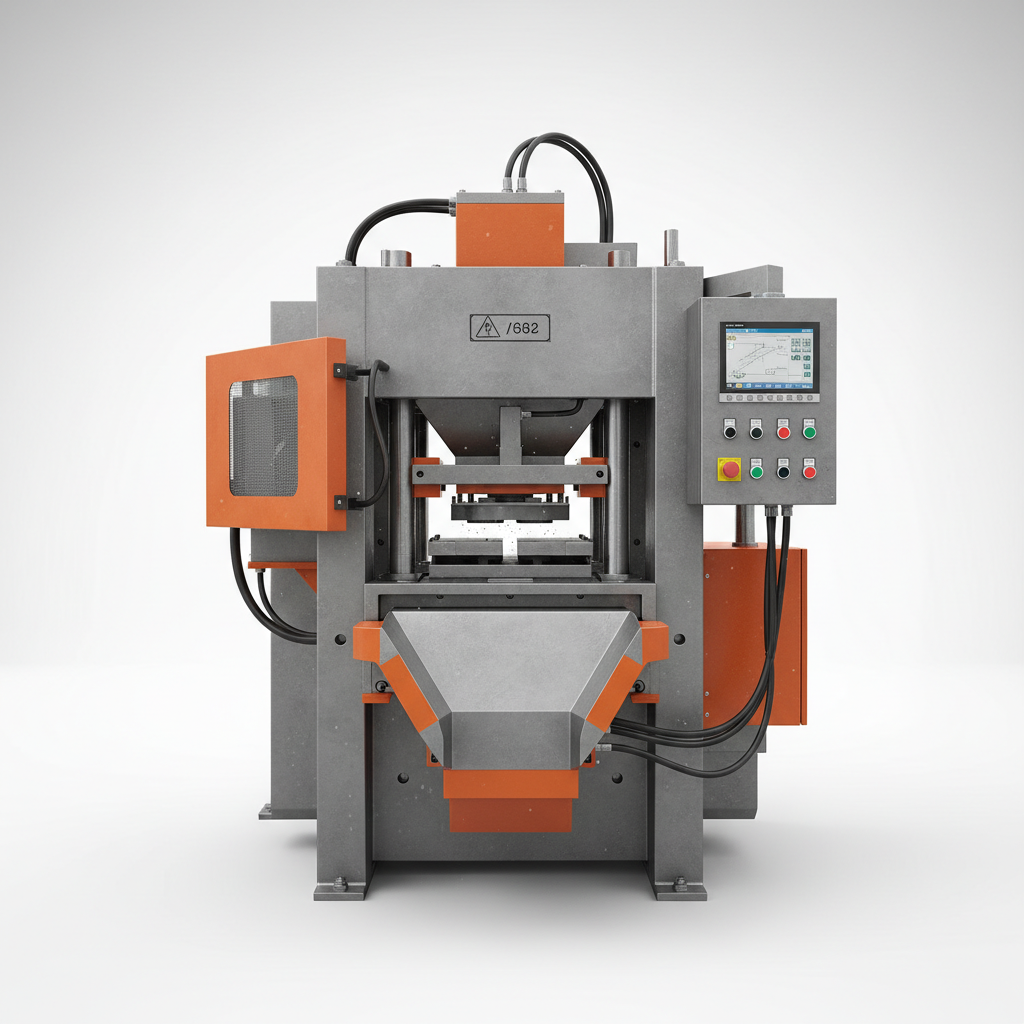
Several key components contribute to the efficient operation of a horizontal moulding machine. The injection unit, comprising the hopper, screw, and heating system, is responsible for melting and injecting the plastic. The clamping unit secures the mould during injection and ejection, ensuring part accuracy. The mould itself, designed to the specific shape of the desired product, is critical to the process. These parts all work in concert to deliver precision.
Beyond the core components, operational factors such as injection pressure, melt temperature, cooling time, and cycle time significantly impact the quality and efficiency of the moulding process. Precise control of these parameters is essential to minimize defects, optimize production rates, and ensure consistent part dimensions. Proper maintenance, including lubrication and regular inspections, is also crucial for long-term machine performance.
Furthermore, the material selection plays a critical role. Different plastics require varying injection parameters, and choosing the right material for the application is paramount for achieving desired mechanical properties, chemical resistance, and aesthetic qualities. Advancements in materials science continually expand the range of plastics suitable for use in horizontal moulding machines, offering greater design freedom.
Applications Across Diverse Industries
Horizontal moulding machines are widely utilized across numerous industries. In the automotive sector, they are crucial for producing interior and exterior components like dashboards, bumpers, and door panels. The packaging industry relies heavily on these machines for manufacturing bottles, containers, and closures. The construction industry utilizes them for producing pipes, fittings, and structural elements.
Furthermore, the medical device industry employs horizontal moulding for creating sterile and precise components. The consumer goods sector utilizes these machines for producing household items, toys, and electronic enclosures. Even the aerospace industry utilizes horizontal moulding machines to make lightweight and durable parts.
Horizontal Moulding Machine Performance Comparison
Advantages and Long-Term Value Proposition
The advantages of using a horizontal moulding machine are numerous. Increased production efficiency, reduced cycle times, and the ability to manufacture larger and more complex parts are all significant benefits. Lower tooling costs and improved part quality contribute to reduced overall manufacturing expenses.
From a long-term perspective, investing in horizontal moulding machine technology provides a competitive advantage, enhances product innovation, and strengthens supply chain resilience. The ability to quickly adapt to changing market demands and produce customized parts is crucial for success in today's dynamic business environment.
Future Trends and Technological Innovations
The future of horizontal moulding machine technology is focused on automation, digitalization, and sustainability. Integration with Industry 4.0 principles, including IoT sensors, data analytics, and machine learning, will enable predictive maintenance, optimized process control, and improved efficiency. Digital twins will allow for virtual prototyping and process optimization.
The use of advanced materials, such as bio-based plastics and recycled polymers, is gaining traction. The development of energy-efficient machines and closed-loop recycling systems will reduce environmental impact. The rise of additive manufacturing and hybrid moulding processes will offer new possibilities for customized production and complex geometries.
Addressing Challenges and Optimizing Performance
Despite its advantages, horizontal moulding machine technology faces certain challenges. High initial investment costs, the need for skilled operators, and potential maintenance requirements can be significant hurdles. Ensuring consistent material quality and minimizing waste are also important considerations.
To overcome these challenges, manufacturers are implementing strategies such as preventative maintenance programs, operator training, and the adoption of advanced process control systems. Collaboration with machine manufacturers and materials suppliers can also help optimize performance and reduce costs.
Continuous monitoring of key performance indicators (KPIs) such as cycle time, defect rate, and energy consumption is crucial for identifying areas for improvement and maximizing the return on investment. Implementing lean manufacturing principles and Six Sigma methodologies can further enhance efficiency and reduce waste.
Summary of Horizontal Moulding Machine Performance Metrics
| Machine Type |
Cycle Time (seconds) |
Defect Rate (%) |
Energy Consumption (kWh) |
| Horizontal - Standard |
35 |
2.5 |
1.2 |
| Horizontal - High Speed |
28 |
1.8 |
1.5 |
| Horizontal - Servo Hydraulic |
30 |
1.5 |
0.9 |
| Horizontal - All Electric |
25 |
1.2 |
0.7 |
| Horizontal - Hybrid |
27 |
1.6 |
1.1 |
| Horizontal - Automated |
22 |
0.8 |
0.6 |
FAQS
Horizontal moulding machines generally offer greater flexibility in producing larger and more complex parts. They also often provide faster cycle times and easier access for automation. The horizontal configuration can lead to better material flow, reducing defects and improving part quality, especially for larger components.
A wide range of thermoplastic materials can be used, including polypropylene (PP), polyethylene (PE), polystyrene (PS), acrylonitrile butadiene styrene (ABS), polycarbonate (PC), and nylon. The suitability of a specific material depends on the application and the machine's capabilities. Increasingly, manufacturers are using recycled and bio-based plastics with these machines.
Regular maintenance is crucial for optimal performance. This includes lubrication of moving parts, inspection of the clamping unit, checking the heating elements, and cleaning the mould. Preventative maintenance schedules and operator training are essential to minimize downtime and extend the machine's lifespan.
Controlling injection pressure, melt temperature, cooling time, and cycle time are key factors in minimizing defects. Ensuring consistent material quality, proper mould design, and regular maintenance also play a significant role. Implementing process monitoring and control systems can help identify and address potential issues proactively.
Safety is paramount. Operators must be thoroughly trained on machine operation and safety procedures. Proper guarding and interlocks should be in place to prevent access to moving parts. Protective gear, such as safety glasses and gloves, should be worn at all times. Emergency stop buttons should be readily accessible.
Automation significantly enhances efficiency by reducing manual labor, minimizing errors, and increasing production speed. Automated systems can handle tasks such as material loading, part ejection, and quality inspection, leading to lower costs, higher throughput, and improved consistency. Integration with robotic systems is increasingly common.
Conclusion
In conclusion, the horizontal moulding machine represents a cornerstone of modern manufacturing, providing unparalleled efficiency, versatility, and precision in the production of plastic components. From its widespread application across diverse industries to its potential for continued innovation through automation and sustainable practices, this technology is poised to play an increasingly vital role in shaping the future of manufacturing.
Looking ahead, continued investment in research and development, coupled with a commitment to operator training and process optimization, will unlock even greater benefits from horizontal moulding machine technology. For businesses seeking to gain a competitive edge, enhance product quality, and embrace sustainable manufacturing practices, exploring the possibilities offered by this technology is essential. Visit our website at horizontal moulding machine to learn more.