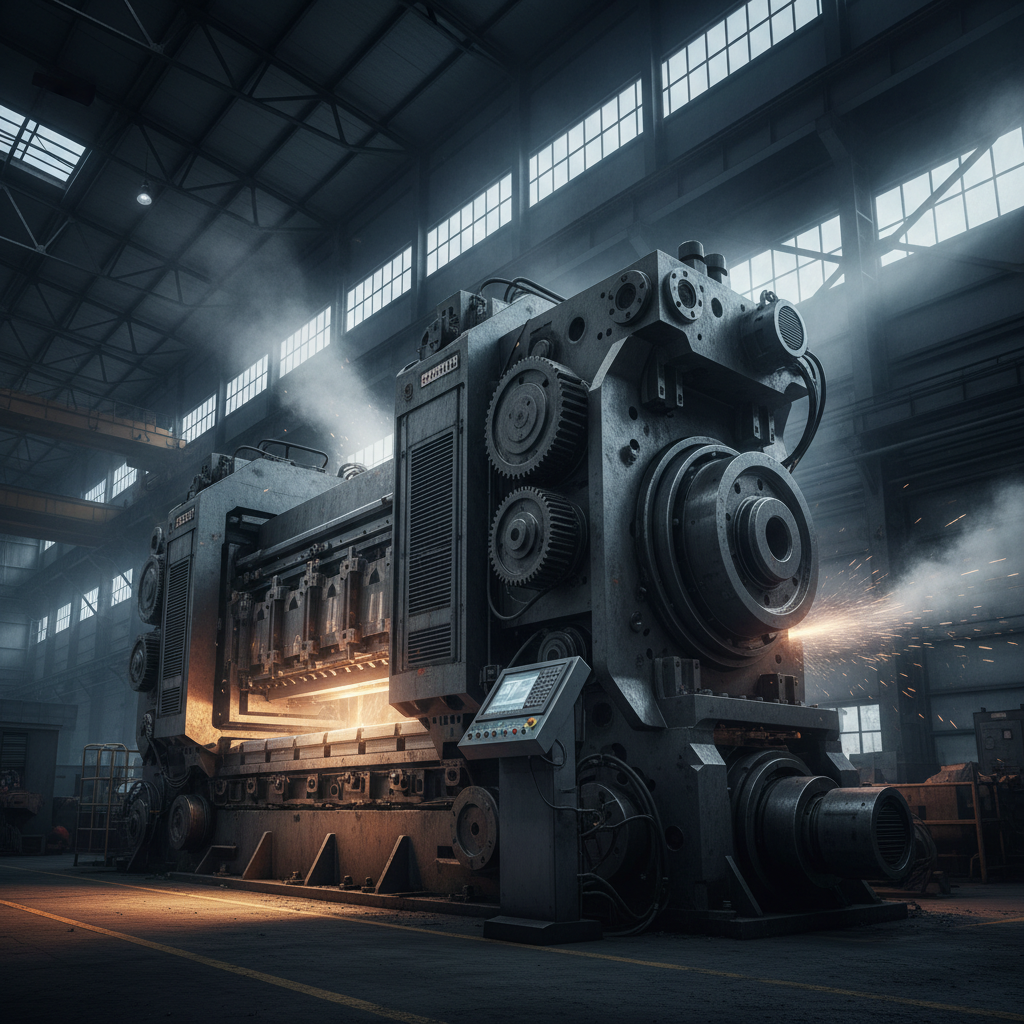
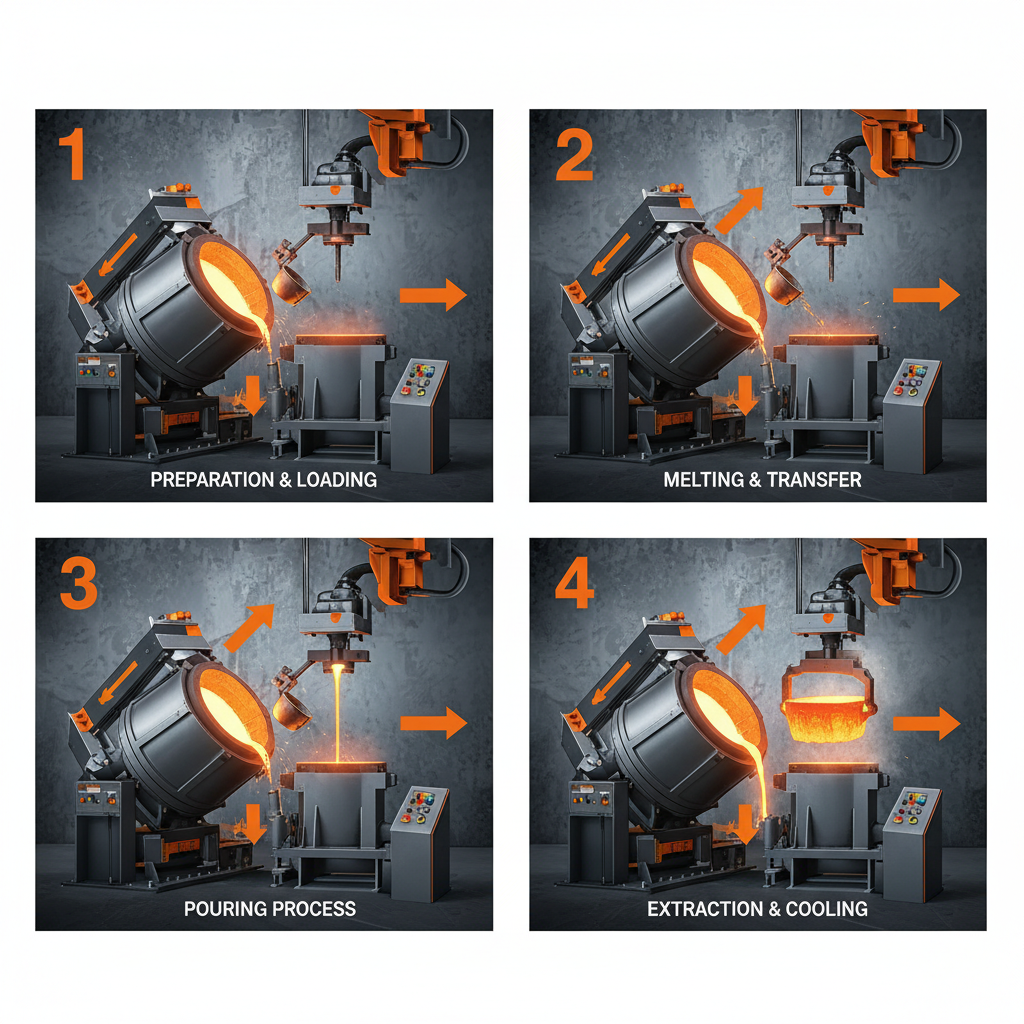
The field of manufacturing relies heavily on precision and efficiency, and the horizontal molding machine plays a pivotal role in achieving both. These machines, designed for continuous production, are essential across diverse industries, from automotive and construction to consumer goods and packaging. Understanding their capabilities, applications, and future trends is crucial for businesses aiming to optimize their manufacturing processes and maintain a competitive edge.
Globally, the demand for manufactured goods is steadily increasing, driven by population growth and rising living standards. This necessitates efficient and scalable production methods. Horizontal molding machines address this need by providing a robust and reliable solution for mass production. The benefits extend beyond simple output; they contribute to improved product quality, reduced waste, and lower operational costs, impacting the economic landscape worldwide.
The efficient operation of industries around the globe, and the ability to swiftly respond to consumer demand, are directly tied to advancements in manufacturing technology like the horizontal molding machine. A thorough understanding of this technology is no longer limited to engineers and manufacturers, but is vital for anyone involved in supply chain management, investment, or sustainable production practices.
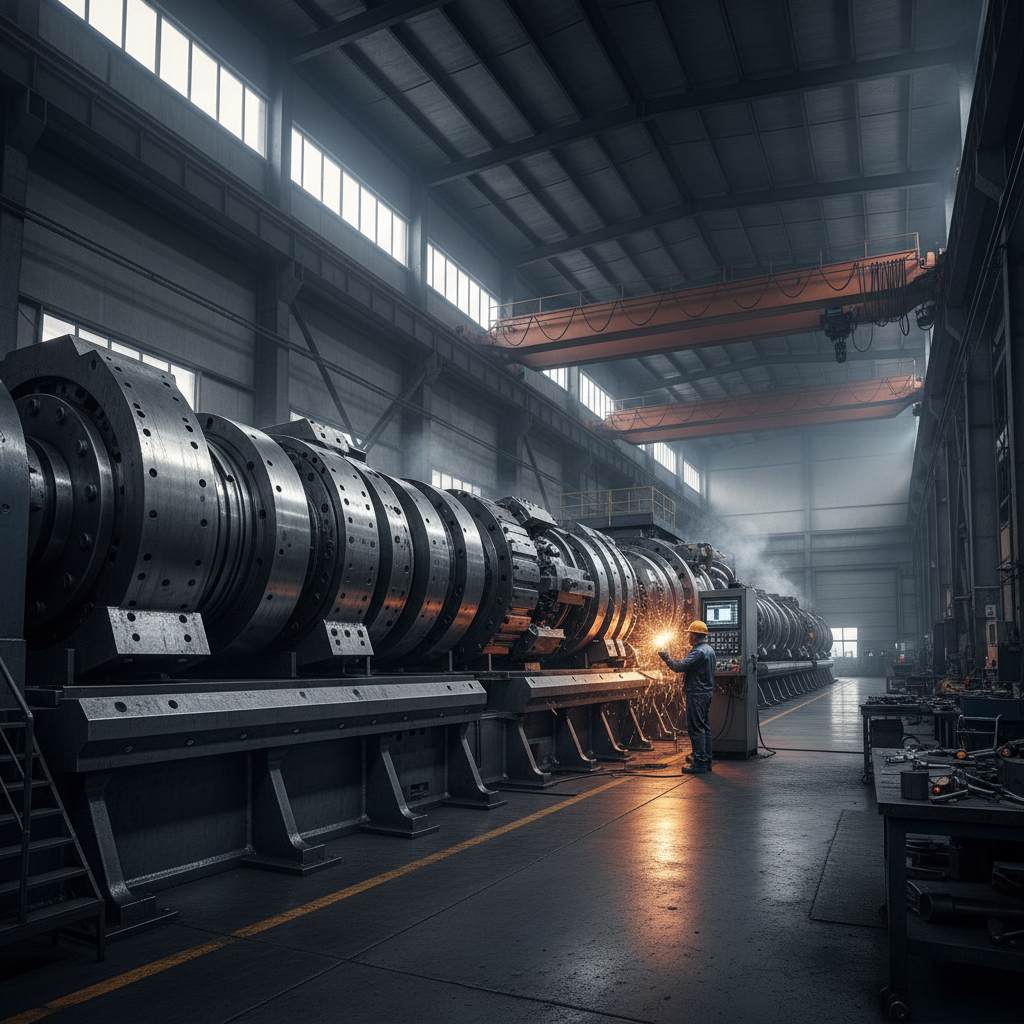
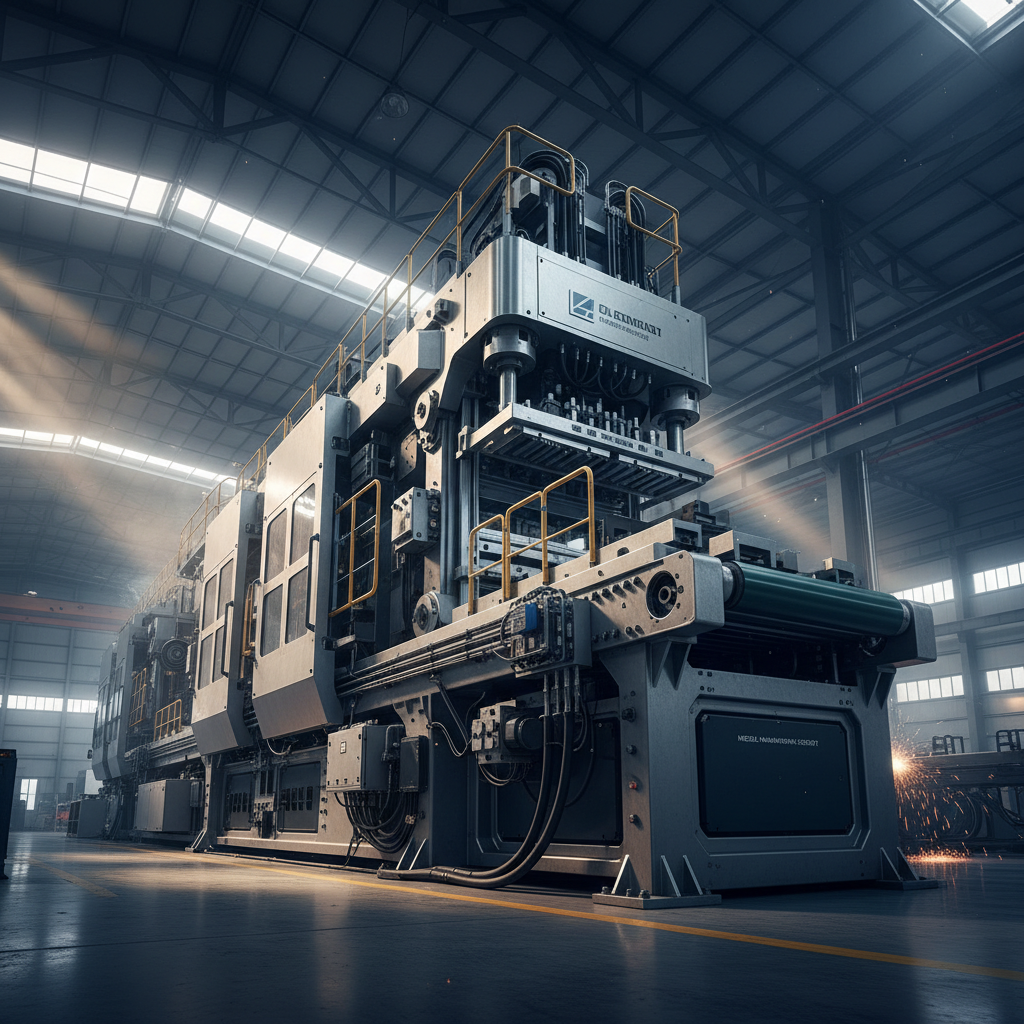
The fundamental principle behind the horizontal molding machine lies in its ability to process materials efficiently in a continuous, horizontal flow. Unlike vertical molding, this orientation reduces material handling and simplifies the production process. This translates to lower energy consumption, decreased labor costs, and ultimately, higher production throughput.
This orientation offers significant advantages when dealing with gravity-sensitive materials or when precise control over the molding process is paramount. By maintaining a consistent horizontal plane, manufacturers can achieve uniformity in product dimensions and physical properties, contributing to enhanced quality control and reduced scrap rates.
Several core components are critical to the operation of a horizontal molding machine. These include the injection unit, which melts and delivers the material; the clamping unit, which securely holds the mold; the mold itself, defining the shape of the final product; and the control system, managing the entire process. Each component must function in perfect synchronization to ensure optimal performance.
Factors such as material viscosity, mold temperature, injection pressure, and cooling time significantly influence the quality of the molded product. Precise control over these parameters is essential. Modern machines often incorporate advanced sensors and feedback systems to automatically adjust these settings, maximizing efficiency and minimizing defects.
The applications of horizontal molding machine are incredibly diverse, spanning countless industries. In the automotive sector, they are used to manufacture interior components, exterior trim, and under-the-hood parts. In the packaging industry, they produce bottles, containers, and closures for a wide range of products.
In post-disaster relief operations, rapid deployment of temporary shelters and essential supplies is crucial. Horizontal molding machines can be utilized to quickly manufacture plastic sheeting, containers for water purification, and components for modular shelters, providing immediate assistance to affected communities. They are also instrumental in remote industrial zones, allowing for localized production and reduced reliance on complex supply chains.
The advantages of implementing a horizontal molding machine are multifaceted. Beyond increased production efficiency, they offer significant cost savings through reduced material waste, lower energy consumption, and decreased labor requirements. These factors contribute to a higher return on investment over the lifespan of the equipment.
From a sustainability perspective, the precision offered by these machines minimizes scrap rates, reducing the environmental impact of manufacturing. The reliability and longevity of modern horizontal molding machines translate to long-term value, building trust with customers and ensuring consistent product quality. The inherent safety features of automated systems also contribute to a more secure working environment.
The future of horizontal molding machine technology is focused on automation, digitalization, and sustainability. Integration with Industry 4.0 principles, such as the Industrial Internet of Things (IIoT) and machine learning, will enable predictive maintenance, real-time process optimization, and improved quality control.
The development of bio-based and recyclable materials is also driving innovation in molding processes. Horizontal molding machines are being adapted to handle these new materials effectively, contributing to a more circular economy. Furthermore, the use of energy-efficient components and closed-loop cooling systems will further reduce the environmental footprint of these machines.
| Challenge | Impact on horizontal molding machine Performance | Potential Solution | Implementation Cost (1-10) |
|---|---|---|---|
| Material Degradation | Reduced product strength and quality. | Optimized temperature control & material selection. | 6 |
| Mold Wear | Dimensional inaccuracies & increased scrap. | Using hardened steel molds & regular maintenance. | 7 |
| Cycle Time Inefficiencies | Lower production output & increased costs. | Process optimization & faster injection speeds. | 5 |
| Lack of Skilled Operators | Increased errors & downtime. | Comprehensive training programs & automation. | 8 |
| Energy Consumption | High operational costs & environmental impact. | Energy-efficient components & optimized settings. | 4 |
| Quality Control Issues | Increased defects & customer complaints. | Automated inspection systems & statistical process control. | 9 |
Horizontal molding machines offer several key advantages, including improved material flow due to gravity assistance, reduced material handling, and a more streamlined production process. This translates to lower energy consumption, decreased labor costs, and potentially higher production throughput compared to vertical or other molding methods. Their consistent horizontal plane also promotes uniformity in product dimensions, leading to better quality control.
The material being molded significantly impacts the machine's requirements. Highly viscous materials benefit from the horizontal orientation as gravity assists in filling the mold. Different materials require specific temperature settings, injection pressures, and cooling times. Some materials may necessitate specialized mold designs or machine components to prevent degradation or ensure optimal flow. Proper material selection and machine configuration are crucial for successful molding.
Regular maintenance is paramount for maximizing the lifespan of a horizontal molding machine. Key procedures include lubricating moving parts, inspecting and replacing worn molds, checking the temperature control system, and calibrating sensors. Preventative maintenance schedules should be implemented to identify and address potential issues before they lead to costly downtime. Routine cleaning and inspections are also vital.
Modern horizontal molding machines increasingly integrate automation technologies such as robotic material handling, automated mold changes, and real-time process monitoring. These features reduce labor costs, improve precision, and enhance overall efficiency. Integration with Industrial Internet of Things (IIoT) platforms allows for remote monitoring, predictive maintenance, and data-driven optimization of the molding process.
Quality control measures typically include visual inspections, dimensional measurements, and material testing. Automated inspection systems, utilizing cameras and sensors, can detect defects in real-time. Statistical process control (SPC) techniques are used to monitor key process parameters and identify deviations from desired specifications. Thorough documentation and traceability are also essential for ensuring product quality.
Horizontal molding machines are equipped with various safety features to protect operators, including light curtains, emergency stop buttons, and guarding around moving parts. Interlocks prevent operation when guards are open. Safety training is crucial to ensure operators understand the potential hazards and proper safety procedures. Regular safety inspections are also essential.
In conclusion, the horizontal molding machine represents a cornerstone of modern manufacturing, offering a potent combination of efficiency, scalability, and precision. Its global relevance spans diverse industries, contributing to economic growth, sustainable practices, and improved product quality. Understanding its core principles, applications, and future trends is vital for businesses seeking to maintain a competitive edge in today’s rapidly evolving market.
Looking ahead, continued innovation in automation, materials science, and digitalization will further enhance the capabilities of horizontal molding machines. Investing in this technology is not merely adopting a manufacturing process; it’s embracing a strategic advantage that positions organizations for long-term success. For further information and to explore tailored solutions, visit our website: www.yonghongbq.com.