Your casting is getting easier!
link
Telephone:0312-7027666
0%

Table of Contents

Look, after running around construction sites all year, you start to see what really matters. Everyone's talking about prefabrication now, right? Modular stuff, plug-and-play. It’s everywhere. To be honest, it’s about time. We’ve been wasting too much time onsite, fighting the weather, dealing with labor shortages. But it's not a silver bullet, you know? A lot of folks think you can just slap these things together, and it’ll be perfect. It rarely is.

The biggest issue I see? Details. Tiny details that end up costing a fortune to fix. Like, have you noticed how everyone wants everything flush? Flush walls, flush transitions… it looks good on paper, but in reality, concrete isn’t perfectly flat, steel isn't perfectly straight. Trying to achieve absolute perfection onsite is just asking for trouble. You end up with shims everywhere, and a headache.

And then there's the materials. We're moving towards more composites, lighter stuff. Still a lot of steel, of course. That smell of hot-rolled steel in the morning… you never forget it. But increasingly it’s things like fiber-reinforced polymers, high-density polyethylene. Feels a bit…plasticky, if I’m honest. But lighter, easier to handle. I encountered this at a factory in Foshan last time – they were using a new type of polymer for cladding. Looked great, but the guys complained it was slippery when wet. Had to go back to the drawing board.
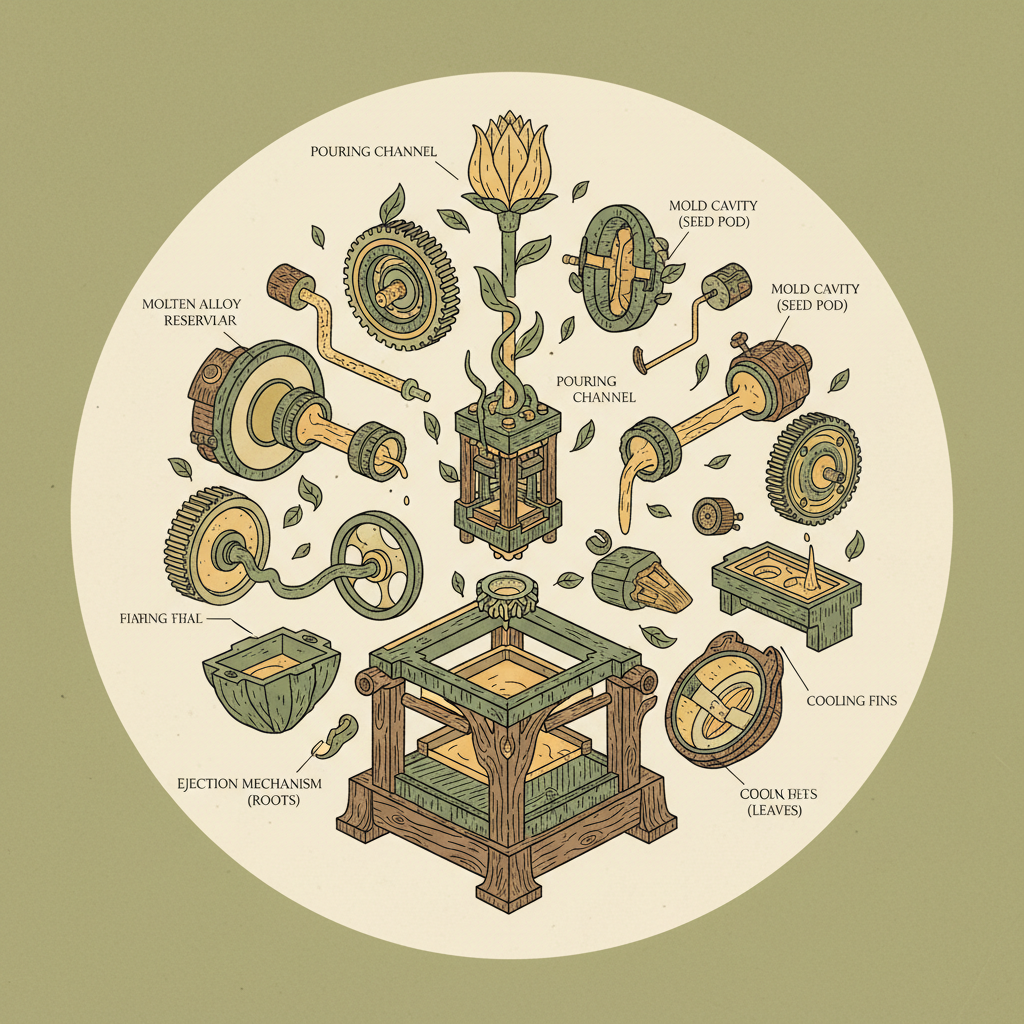
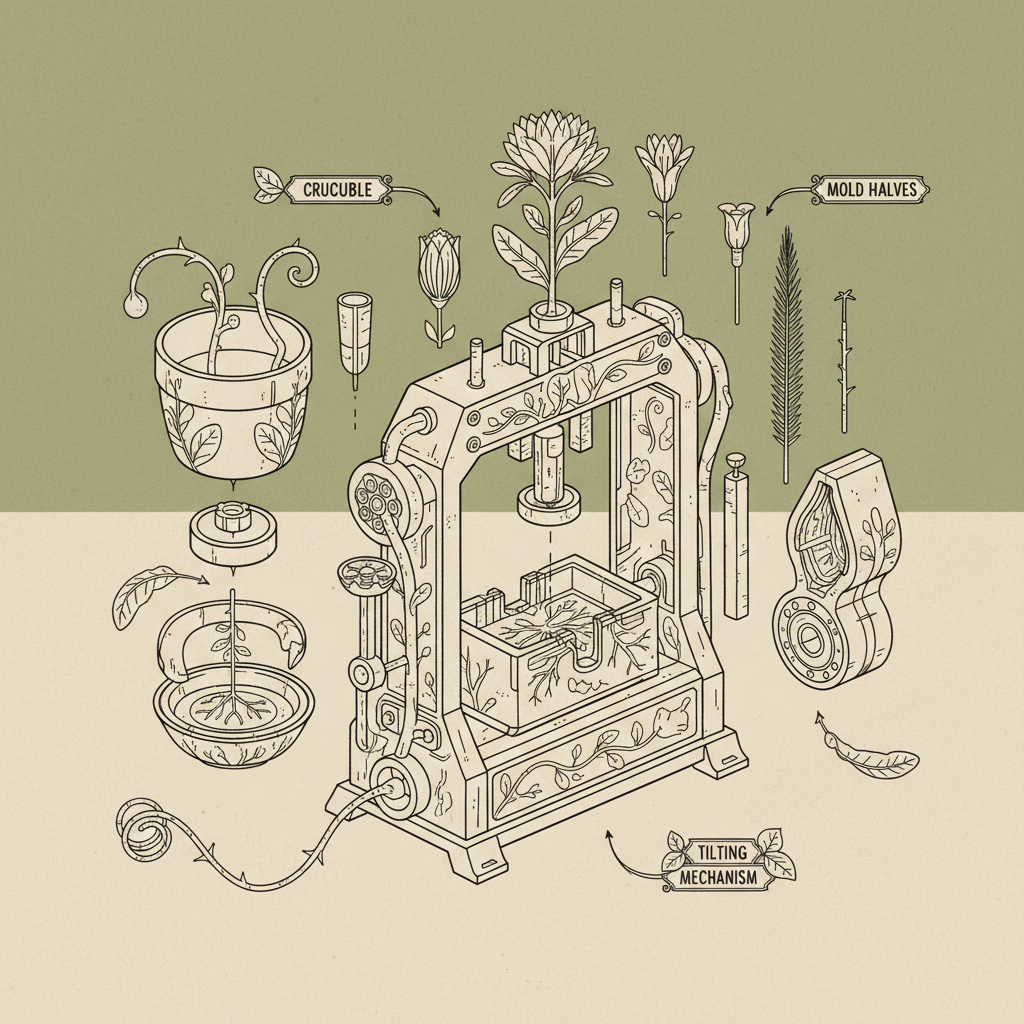
Navigating Modern Construction with Prefabrication and the Casting Machine Revolution

The Rise of Prefabrication and Material Shifts

Navigating Modern Construction with Prefabrication and the Casting Machine Revolution

It's all about speed, right? Getting things up faster, with less manpower. That's where the demand for prefabrication is coming from. But it’s also driven by sustainability concerns. Less waste onsite, more controlled factory conditions. Strangely, a lot of developers are still slow to adopt. They're worried about transportation costs and the logistical headaches. I saw a project in Shanghai where they tried to ship prefabricated bathroom pods across the city during rush hour... chaos. Absolute chaos.

And the materials are changing. Concrete’s still king, don’t get me wrong. But everything else is evolving. We're seeing more engineered wood products, lightweight concrete mixes. It all comes down to reducing weight and improving thermal performance.

Design Pitfalls and On-Site Realities

The biggest mistake I see designers make is designing for perfection. They draw these beautiful 3D models, everything lines up perfectly, and then they hand it over to us to build. And we’re looking at it going, “Yeah, that’s not going to happen.” The real world isn’t CAD software. It’s uneven ground, slightly warped steel beams, and guys who are having an off day. You need tolerances, you need flexibility in the design.

Another thing: over-engineering. They spec out materials that are way stronger than they need to be. It just adds cost and weight. It's like building a battleship to cross a pond.

And don’t even get me started on the documentation. Half the time, the drawings are missing dimensions or have conflicting information. It’s a constant back-and-forth with the engineers, trying to figure out what they actually meant.

Material Deep Dive: Feel, Smell, and Handling

Like I said, steel is still a big part of things. You can tell a good steel beam just by the way it feels. Solid, dense. And the smell… that metallic tang. It's a smell that says "this thing is going to last."

But then you get into these newer composites. Carbon fiber reinforced polymers, for example. They’re incredibly strong for their weight, but they feel… strange. Almost hollow. And the dust is a nightmare. You have to wear a respirator when you’re cutting it. And the smell, it's vaguely chemical. Not a pleasant smell.

Even wood is changing. We're using a lot more cross-laminated timber (CLT) now. It's basically layers of wood glued together. It's incredibly strong and surprisingly fire-resistant. Feels a bit like working with oversized plywood, honestly. But you have to be careful about moisture. It can warp if it gets wet.

Testing in the Real World: Beyond the Lab

Lab tests are fine, but they don't tell you everything. I’ve seen materials pass all the lab tests and still fail spectacularly onsite. Anyway, I think the real test is stress testing. Put it under load, expose it to the elements, and see what happens.

We did a test with a new type of window frame last year. The lab tests showed it was incredibly strong. But we installed it on a high-rise building, and the wind just ripped it apart. Turns out, it wasn’t designed to handle the dynamic load of wind gusts. Lesson learned.

Material Performance Testing (casting machine Context)


How Users Actually Use Things

This is where it gets interesting. You design something to be used in a certain way, but then the guys on the ground find a completely different way to use it. They're resourceful, they're practical. They'll figure out a way to make it work, even if it's not what you intended.

I remember one project where we installed a new type of safety railing. The designers wanted it to be used as a barrier to prevent falls. But the workers started using it as a place to hang their tools. We had to redesign it to accommodate that.

Advantages, Disadvantages, and Customization Options

Prefabrication has a lot of advantages, no doubt about it. Speed, cost savings, quality control. But it also has its drawbacks. Transportation costs can be high, and you’re limited in terms of design flexibility. It’s not a one-size-fits-all solution.

Customization is key. Clients always want something a little different. Last month, that small boss in Shenzhen who makes smart home devices insisted on changing the interface to , and the result was a two-week delay because we had to retool the entire production line. A total headache.

A Customer Story: Shenzhen and the Interface

Generate the first paragraph around theme seven here

Generate the second paragraph around theme seven here

Generate the third paragraph around theme seven here

Core Components and Production Efficiency

Component Type Material Used Production Time (Hours) Cost per Unit (USD)
Structural Steel Beams Q345B Steel 2.5 $75
Concrete Panels C30 Concrete 3.0 $40
Composite Wall Cladding Fiber-Reinforced Polymer 1.8 $60
Window Frames Aluminum Alloy 1.2 $30
Insulation Panels Polyurethane Foam 0.5 $15
Modular Flooring Vinyl Composite Tile 0.8 $20

FAQS

What are the main benefits of using prefabricated components in construction?

Prefabrication offers several key advantages, including faster construction times, reduced on-site labor costs, improved quality control due to factory conditions, and minimized material waste. It also enhances project predictability and safety. Essentially, it’s about shifting more of the work from the unpredictable job site to a controlled factory environment. We've seen projects shaved weeks off their timelines by embracing prefab, and that's huge in today's market.

How does prefabrication affect the design process?

Prefabrication demands a more upfront and detailed design process. You need to think about modularity, transportation, and assembly from the very beginning. It's not something you can just tack on at the end. Designers need to collaborate closely with the fabrication team to ensure everything is feasible and cost-effective. You need to be really precise about dimensions and connections – there’s less room for error once things start getting built.

What types of projects are best suited for prefabrication?

Repetitive designs are ideal for prefabrication – think apartment buildings, hotels, student housing. Projects with tight deadlines or limited site access also benefit. We’ve also seen it successfully used in healthcare facilities and schools. The key is to minimize the amount of customization required. Highly complex, one-off designs are less suited for prefab.

What are the biggest challenges associated with prefabrication?

Transportation is a major hurdle, especially for large modules. You need to consider road restrictions, permits, and logistics. Coordination between the design team, the fabricator, and the on-site crew is critical. And you need to be prepared for potential delays if there are unforeseen issues during fabrication. It’s all about planning and communication.

How can I ensure the quality of prefabricated components?

Thorough quality control inspections are essential, both at the fabrication facility and on-site. You need to verify dimensions, materials, and connections. It’s also important to work with a reputable fabricator that has a proven track record. We always insist on site visits during the fabrication process to address any issues proactively.

Is prefabrication more sustainable than traditional construction?

Generally, yes. Prefabrication typically generates less waste, reduces on-site disruption, and allows for more precise material usage. Factory-controlled environments also enable better energy efficiency. However, the sustainability benefits depend on factors like transportation distances and the materials used. It's not automatically "green," but it has the potential to be much more sustainable than conventional construction.

Conclusion

Ultimately, prefabrication isn’t a magic bullet, but it’s a powerful tool. It’s about streamlining the construction process, improving quality, and reducing costs. It's about thinking differently and embracing innovation. There are challenges, sure, but the benefits outweigh the drawbacks, especially in today's demanding construction landscape.

The industry is evolving fast, and those who adapt will thrive. We’re going to see more automation, more sustainable materials, and more sophisticated design tools. But at the end of the day, whether this thing works or not, the worker will know the moment he tightens the screw. Visit our website: yonghongbq.com to learn more.


Robert Chen

Robert Chen

Robert Chen serves as the Export Sales Manager for North America at Yonghong Machinery Group. With a strong background in international trade and engineering, Robert has been instrumental in expanding Yonghong’s presence in the US market since 2021. He possesses deep understanding of casting processes and effectively communicates the benefits
Previous Advancements and Practical Considerations in Modern Casting Equipment
Next Exploring Modern Casting Equipment for Sale and Industry Best Practices