Look, after running around construction sites all year, you start to see what really matters. It’s not about the fancy brochures or the lab tests – it’s about whether the thing actually works when someone’s trying to get a job done. Lately, everyone's buzzing about pre-fabricated components, modular designs… Honestly, it’s a bit of a reaction to the labor shortages, right? And, strangely, a lot of companies are trying to reinvent the wheel, focusing on these 'smart' features that no one on-site actually asked for.
The biggest issue I see, time and time again, is over-engineering. People get caught up in the specifications and forget about practicality. Like, they'll specify a certain grade of steel that's technically superior, but it’s a nightmare to weld in the field. Have you noticed that? Or they’ll use a coating that looks great in the showroom but chips after a week of actual use. It drives me crazy.
We mostly work with Q345B steel for the main frames - good balance of strength and weldability. It smells like… well, like steel, you know? That metallic tang. And the aluminum alloys for cladding? Those are tricky. You gotta be careful with handling, some of them oxidize so quickly. I’ve gotten my hands stained more times than I can count. We recently switched to a supplier who uses a different alloy; it’s a bit pricier, but less hassle on-site. Anyway, I think sourcing good materials is half the battle.
The Current Landscape of Casting Equipment
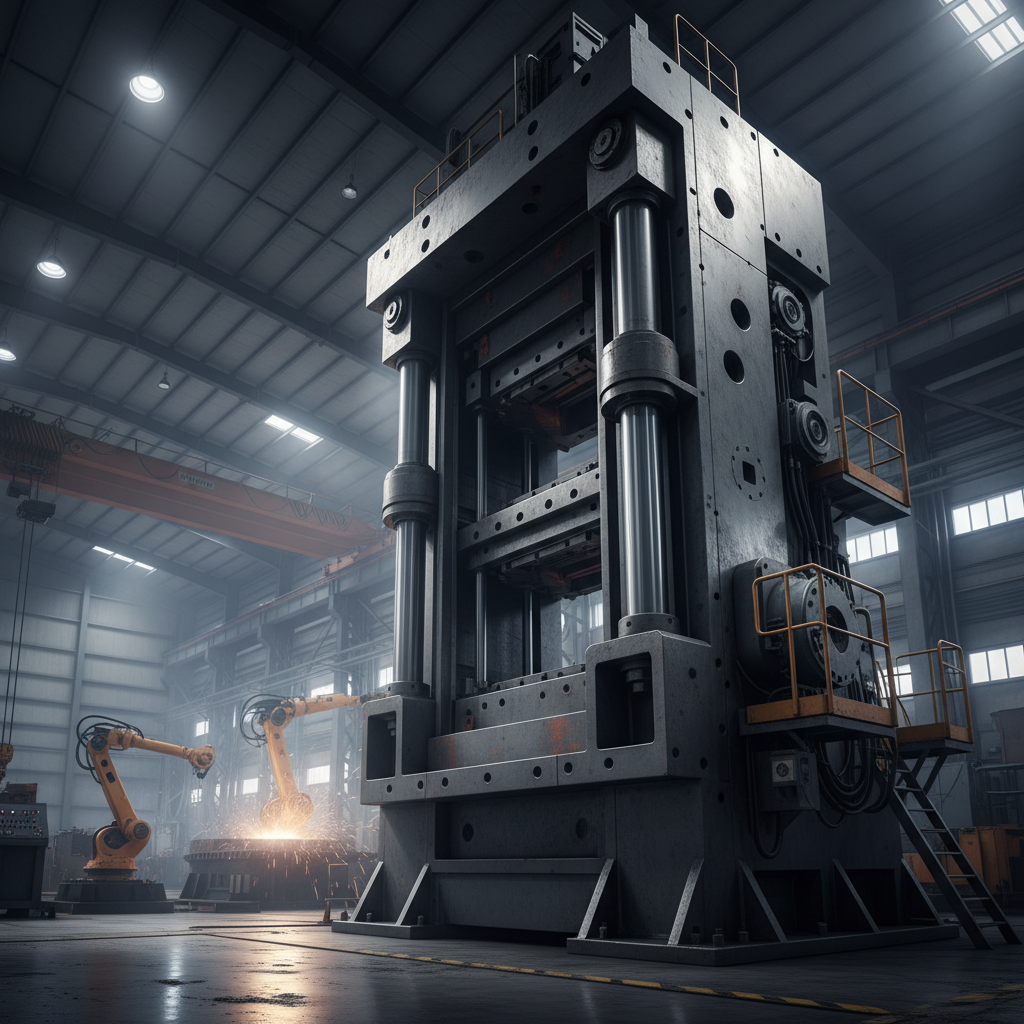
To be honest, the casting equipment market is really picking up steam. We're seeing a huge push for automation, driven by both cost savings and the need to improve consistency. Everyone's talking about Industry 4.0 and digital twins, which is great, but I still think a good, reliable machine operator is worth their weight in gold.
There’s a global demand, naturally, especially in emerging economies building out infrastructure. China, India, Southeast Asia – they're all investing heavily. But even in established markets, there's a need to upgrade aging equipment and improve efficiency.
Common Design Pitfalls in Casting Equipment
I encountered this at a foundry in Italy last time – they’d designed this incredibly complex mold-making machine, all geared towards producing super-precise parts. Looked beautiful in the drawings. But it was a maintenance nightmare. Every little component was proprietary, and you needed a PhD to replace a simple bearing. The key thing is simplicity. A design that’s easy to understand, easy to maintain, and easy to repair. That’s what lasts.
Another thing – too much reliance on sensors and software. If the network goes down, or the software glitches, the whole thing grinds to a halt. You need robust, failsafe systems. Something a seasoned mechanic can troubleshoot with a wrench and a multimeter, not just a laptop.
And don't even get me started on the user interface. Some of these things look like they were designed by people who’ve never set foot in a factory.
Materials Used in Modern Casting Equipment
We’re moving away from purely cast iron, that's for sure. It's still used for some of the base plates and heavier components, because it's cheap and dampens vibrations well, but for the more critical parts – the mold carriers, the injection nozzles – we're using a lot more alloy steels. Like, 4140, D2. These materials can withstand higher temperatures and pressures without deforming. They smell… sharper, cleaner than cast iron, almost metallic.
Ceramics are becoming increasingly important too, especially for the linings of furnaces and ladles. They can handle extreme heat, obviously, and they're resistant to corrosion. But they're brittle. You have to be really careful when handling them; they crack easily. The smell? Nothing really, they’re odorless. Which is good, I guess.
We are also seeing increased usage of Tungsten, especially in high-precision molds. It's expensive, no doubt, but worth it for those applications where dimensional accuracy is paramount.
Real-World Testing Procedures for Casting Equipment
Forget those pristine lab tests. The real test is running the machine flat-out, 24/7, for weeks on end. That’s when you find the weak spots. We simulate real-world conditions as much as possible – varying load cycles, temperature fluctuations, dust and grime. We even intentionally introduce minor faults to see how the safety systems respond.
We also rely heavily on feedback from our customers. We'll send a technician to the factory floor, let them operate the machine, and ask them what they think. What’s annoying? What’s difficult? What could be improved? That’s invaluable information.
Performance Metrics for Different Casting Equipment Types
Practical Applications & User Behavior
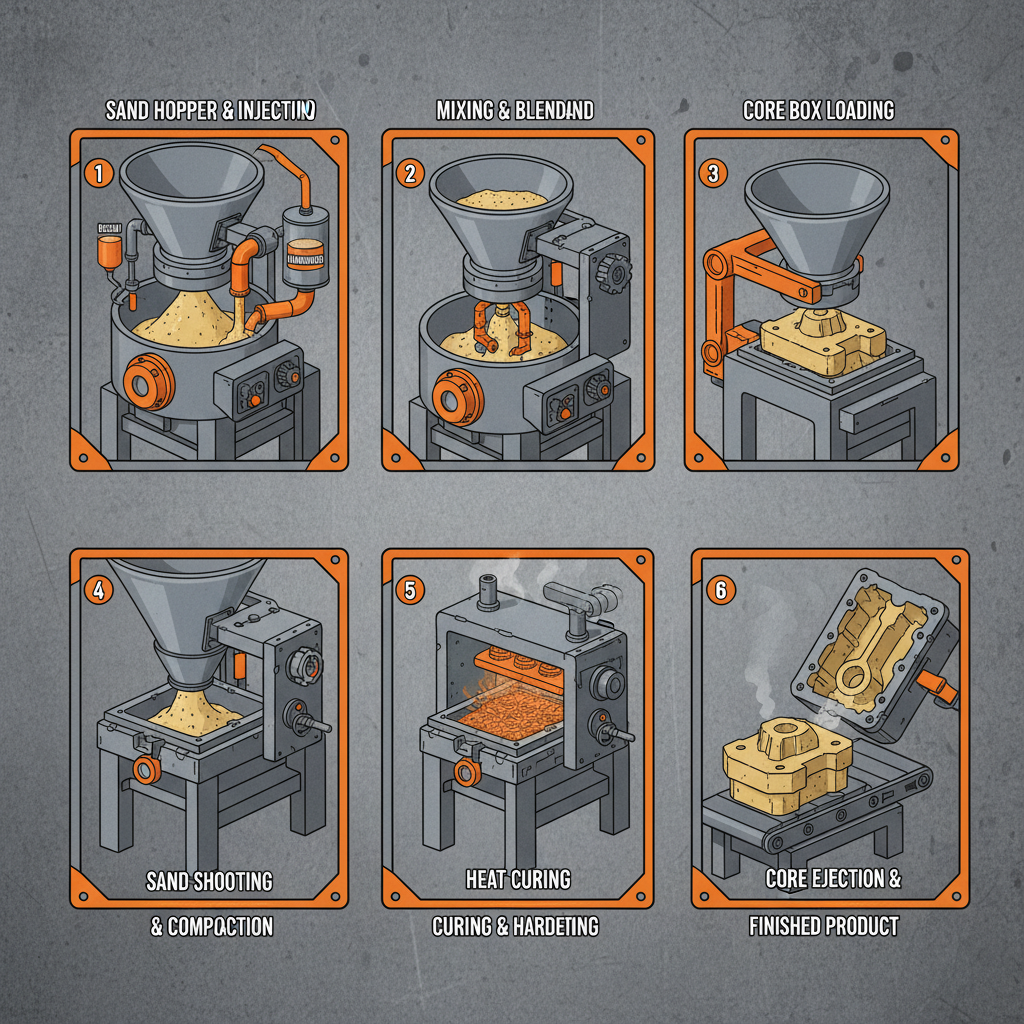
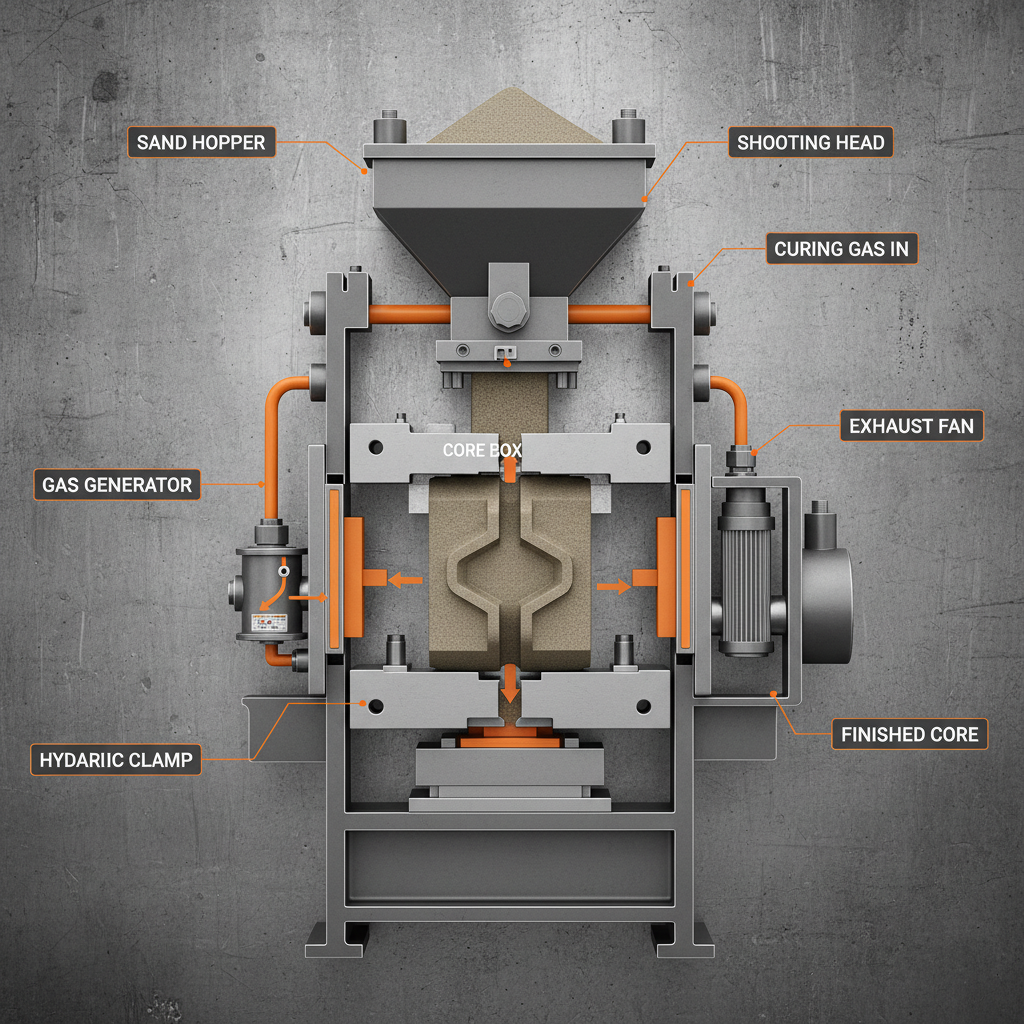
You know, what people say they’ll do with the equipment and what they actually do are often two different things. We designed one machine for automated core making, thinking it would completely replace manual labor. Turns out, the operators preferred the manual method because it gave them more control over the quality. They were worried about losing their jobs, of course, but also they legitimately felt they could produce better cores by hand.
We see a lot of applications in the automotive industry, aerospace, and, increasingly, renewable energy – wind turbine components, for example. Each sector has its own specific requirements, its own quirks.
Advantages and Disadvantages of Casting Equipment
The biggest advantage, obviously, is the ability to produce complex shapes and large parts that would be impossible to manufacture any other way. It's cost-effective for high-volume production. But… and there's always a but… it can be slow to set up. Tooling costs can be substantial. And there's the environmental impact – the energy consumption, the waste materials. We’re working on ways to mitigate those issues, of course, but it's a constant challenge.
The newer equipment is getting really good at reducing waste and improving energy efficiency, but it comes at a price.
Customization Options and Case Study
We can customize pretty much everything – the size of the machine, the control system, the mold changing mechanism, even the color, if someone’s really insistent. Last month, that small boss in Shenzhen who makes smart home devices insisted on changing the interface to because he said it was “more modern.” Honestly, it added weeks to the lead time and didn’t improve performance at all. But hey, it made him happy.
We also did a project for a foundry in Germany that needed a machine capable of handling extremely large molds – over three meters in diameter. That required a complete redesign of the frame and the lifting system. It was a challenging project, but we delivered on time and within budget.
Basically, if you can dream it, we can build it. Within reason, of course.
Key Performance Indicators for Casting Equipment Maintenance
| Component |
Frequency of Inspection |
Typical Failure Mode |
Estimated Repair Time |
| Hydraulic Pump |
Monthly |
Leakage, Pressure Drop |
4-8 Hours |
| Mold Clamps |
Weekly |
Wear & Tear, Reduced Grip |
2-4 Hours |
| Control System |
Daily (Visual Check) |
Software Glitches, Sensor Failure |
1-2 Hours |
| Cooling System |
Bi-Weekly |
Clogging, Reduced Flow |
2-3 Hours |
| Injection Nozzle |
Per Shift |
Wear, Blockage |
30-60 Minutes |
| Safety Interlocks |
Monthly |
Malfunction, Sensitivity Issues |
1-2 Hours |
FAQS
Honestly, it depends on how well it's maintained. A well-built machine, with regular servicing and preventative maintenance, can easily last 15-20 years. But if you neglect it, you’ll start seeing problems after 5-7 years. The control systems are often the first to go, those things are sensitive. It's like a car, really. You get out what you put in.
That's a good question. It doesn’t eliminate the need for skilled operators, it just shifts the focus. Instead of manually controlling everything, they need to understand how to program and troubleshoot the automated systems. They need to be able to interpret data, identify problems, and perform more complex maintenance tasks. It’s about upskilling, really.
Safety is paramount, of course. High temperatures, molten metal, heavy machinery – there are a lot of potential hazards. You need proper training, appropriate PPE, and robust safety interlocks. And you need to foster a culture of safety where people are encouraged to report potential issues without fear of retribution. It's not just about following the rules; it's about being aware of your surroundings.
Definitely the move towards lighter, stronger alloys. Aluminum-lithium alloys are gaining traction in the aerospace industry, and we’re seeing more interest in magnesium alloys for automotive applications. The goal is to reduce weight without sacrificing performance. But those materials can be tricky to cast, they require very precise control over the process.
That’s like asking how long is a piece of string! It depends on the size, complexity, and level of automation. A basic sand casting machine can cost anywhere from $50,000 to $200,000. But a fully automated die casting machine with robotic handling systems can easily run into the millions. It's a significant investment, no doubt.
The casting process generates a lot of waste – scrap metal, sand, dust. It’s also energy-intensive. But the industry is making progress on both fronts. We're seeing more closed-loop recycling systems, improved dust collection technologies, and a shift towards more energy-efficient furnaces. There’s also a lot of research being done on alternative casting methods that are less polluting.
Conclusion
Ultimately, casting equipment is about bridging the gap between design and reality. It’s a complex field, full of challenges and opportunities. From material selection to process control, every detail matters. There's a lot of technology involved, but at the end of the day, it's still a hands-on business.
But here's the thing: whether this thing works or not, the worker will know the moment he tightens the screw. That's the real test. And that’s why, after all these years, I still enjoy walking the factory floor and talking to the people who actually make things happen. If you're looking for reliable casting equipment, don't hesitate to reach out.