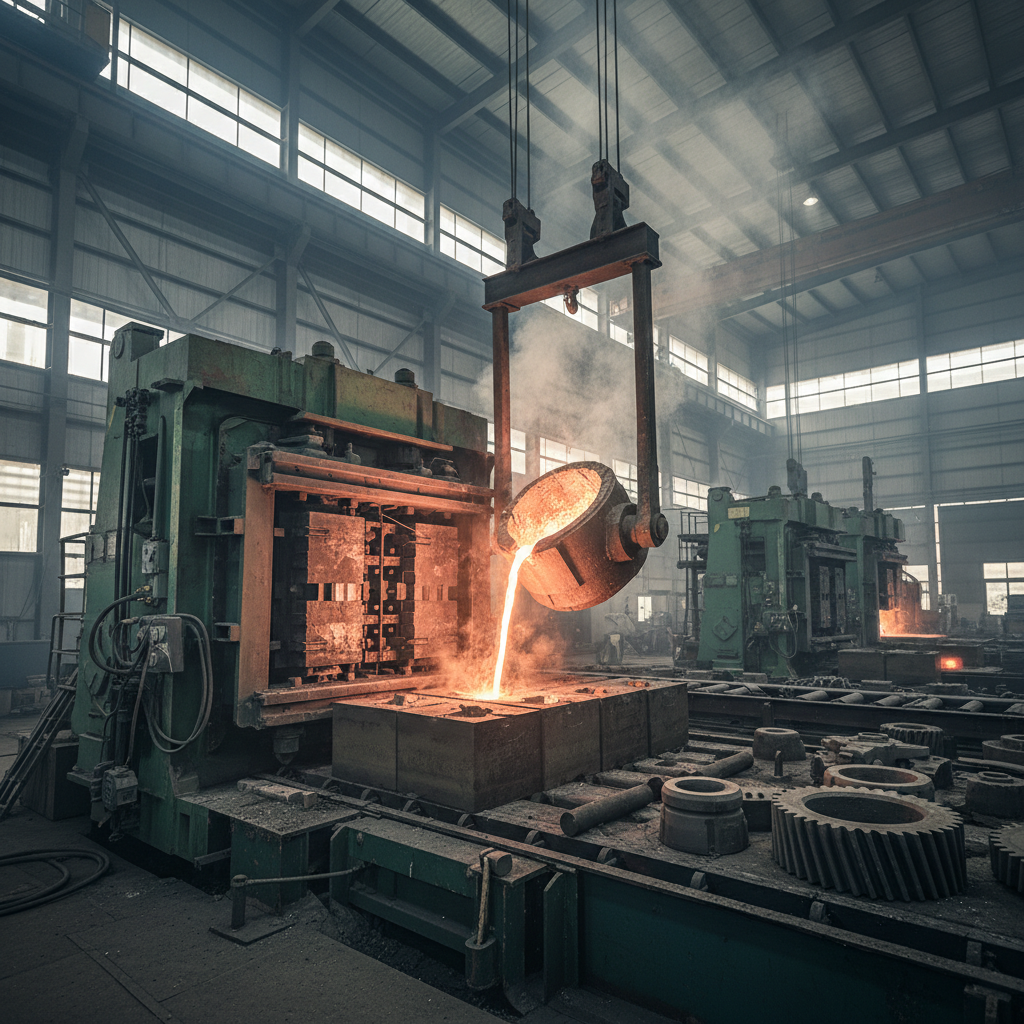
Look, I’ve been running around construction sites for fifteen years now, seen a lot of stuff. The industry is shifting, that’s for sure. Everyone’s talking about modular construction, prefabrication… less reliance on skilled labor, more speed. Honestly, it's a reaction to the labor shortage, plain and simple. But it also means a bigger demand for quality sand casting equipment to get those components right. You mess up a casting, you’re looking at delays, and delays cost money. I’ve seen projects stalled for weeks over a bad batch of fittings. Weeks!
And it’s not just the speed. Sustainability is a huge buzzword now, and for good reason. People are actually thinking about the lifecycle of materials, not just the upfront cost. We're seeing more demand for lighter-weight components, which drives the need for different alloy compositions and tighter tolerances… and guess what? That puts even more pressure on the sand casting equipment.
To be honest, I’ve seen too many designers get caught up in the “elegant” solution and forget about the reality of the factory floor. They’ll design a part that looks great on the CAD screen, but is a nightmare to cast, or impossible to remove from the mold. That’s where experience comes in, knowing what the foundry can realistically deliver.
Industry Trends & Design Pitfalls
Have you noticed how everyone wants everything ‘lighter’? It’s driving material choices, for sure. Aluminum alloys are huge, obviously. But getting a consistent, high-quality casting with aluminum… that's where the right sand casting equipment really shines. The older stuff just can’t handle the complexities of these modern alloys. It’s not just about the metal itself; it’s about controlling the melt temperature, the pouring rate, the mold design… everything.
And speaking of mold design, the biggest mistake I see is overly complex geometries. Designers try to get too clever, add unnecessary features. It looks good on the screen, but then the foundry has to deal with undercuts, core shifts, and a whole host of problems. Simple is often better. Strangely, younger engineers often struggle with this. They’ve got all the software tools, but they lack the practical understanding of how things are actually made.
Materials: Beyond the Spec Sheet
The material, right. It's not just about the grade of steel or aluminum. The feel of the raw material matters. Good steel has a certain weight, a coldness. You can smell the oil on the surface of a freshly cast part. I know, it sounds crazy, but you learn to trust your senses after a while. We’ve been using a lot of high-strength, low-alloy steels lately. They’re tough, but they can be brittle if not treated properly. We had a batch come in last year from… forget it, I won’t mention the supplier. Let’s just say it cracked under pressure.
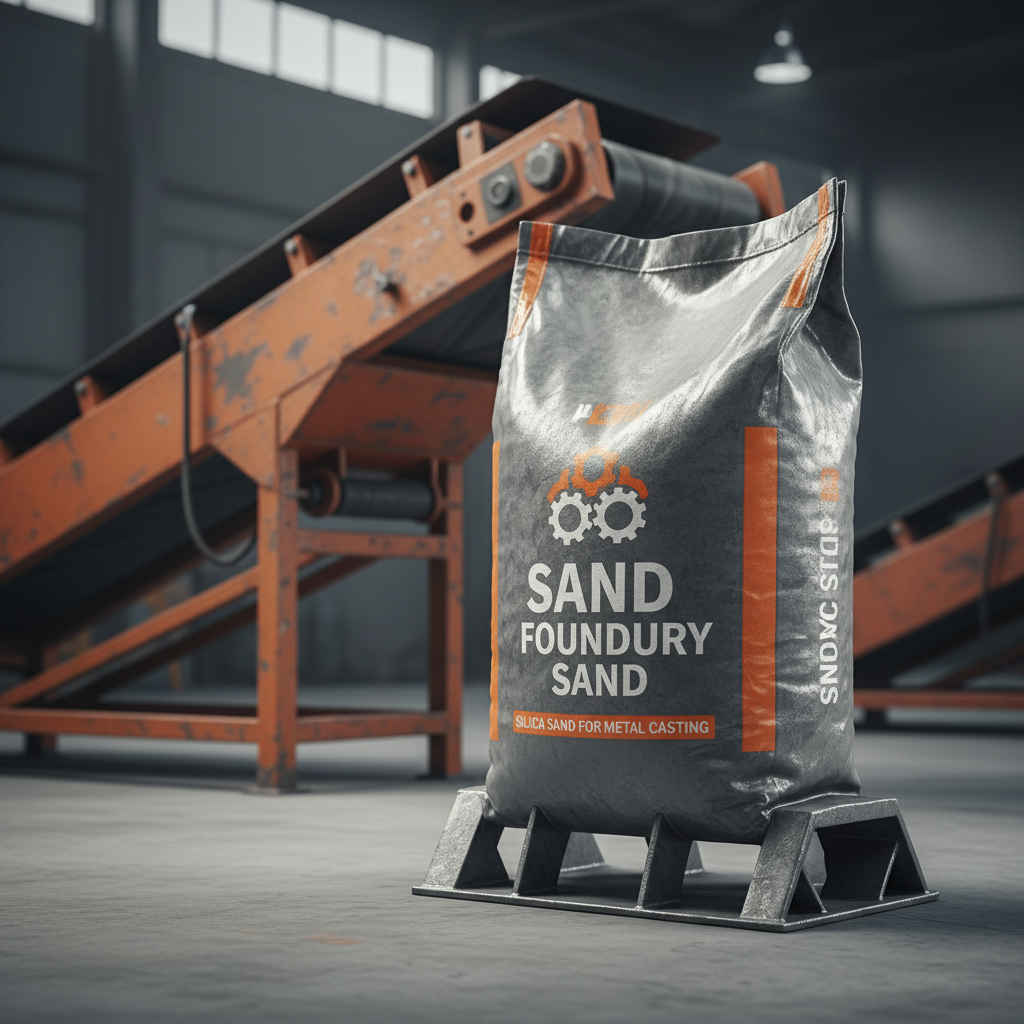
The sand itself is critical, too. Not just any sand will do. We’re using more and more resin-coated sand for finer details and better surface finish. It's more expensive, yeah, but the quality is worth it. And you have to consider the binder system – how it interacts with the metal, how easily it's removed from the casting. It’s a whole chemistry lesson, really.
And don't even get me started on the different types of core sand. Oil-based, no-bake, shell molding… each has its pros and cons. The choice depends on the complexity of the part, the production volume, and, frankly, the skill of the core makers.
Real-World Testing & Failure Modes
Lab tests are fine, but they don’t tell the whole story. I’ve seen parts pass every test in the book and still fail spectacularly in the field. That’s why we do our own testing, on-site, under real-world conditions. We put the parts through stress tests, fatigue tests, corrosion tests… basically, we try to break them.
The most common failure mode I see is porosity – little bubbles inside the casting. It weakens the metal and can lead to catastrophic failure. It’s usually caused by improper degassing of the molten metal or inadequate venting of the mold. Another one is cracking, often due to residual stress from the cooling process. And of course, there's dimensional inaccuracy. If a part doesn't fit, it's useless.
We've started using more non-destructive testing methods, like ultrasonic inspection and radiographic testing, to catch defects before they become a problem. It adds cost, sure, but it's cheaper than dealing with a recall.
How People Actually Use It
This is where things get interesting. Designers think about how a part should be used, but users always find a way to use it differently. I encountered this at a pump factory last time – they designed a housing with very tight tolerances, assuming the pump would be mounted on a perfectly flat surface. But the guys installing the pumps in the field were putting them on uneven concrete pads! The housing cracked within a week.
And people abuse things. They overload them, they expose them to harsh environments, they just plain misuse them. You have to design for that. You have to build in a safety margin. That's where the experience of a good foundry comes in – they know how to anticipate the unexpected.
Sand Casting Equipment Performance Metrics
Advantages & Disadvantages – Let's Be Real
Sand casting is still king for a reason. It's versatile, relatively cheap, and can handle large parts. You can cast almost any metal, any shape. And the initial investment in sand casting equipment is lower than other methods, like die casting. But… it’s not perfect. The surface finish isn’t always great, and you need to do a lot of post-processing – grinding, machining, painting.
The other downside is the labor intensity. It takes skilled workers to operate the equipment and maintain the molds. And it’s messy. Sand gets everywhere. Anyway, I think the biggest advantage is still its flexibility. You can quickly and easily change the mold to cast different parts.
Customization & A Shenzhen Story
Customization is huge. Almost every job is different. We've done everything from tiny gears to massive engine blocks. Last month, that small boss in Shenzhen who makes smart home devices insisted on changing the interface to on a housing we were already producing. He said it was “more modern.” The result? We had to redesign the entire core box, delaying the shipment by two weeks. He wouldn’t listen to reason. It was frustrating, to say the least.
But that's what we do. We adapt. We find solutions. We can modify the mold, change the alloy, adjust the pouring parameters… whatever it takes to meet the customer’s needs. That’s where a good relationship with the foundry is critical. They need to be willing to work with you, to understand your requirements, and to be flexible enough to make changes on the fly.
The Moment of Truth
We can talk about metallurgy, mold design, and quality control all day long. We can run simulations and analyze data until we’re blue in the face. But ultimately, whether this thing works or not, the worker will know the moment he tightens the screw. If it fits smoothly, if it holds together under pressure, if it does what it’s supposed to do… that’s when you know you’ve done your job right.
It’s a simple thing, really. But it’s the most important thing.
And that’s why I keep coming back to the factory, getting my hands dirty, and talking to the guys on the floor. That’s where the real knowledge is.
Summary of Key Considerations for Sand Casting Equipment Performance
| Material Composition |
Mold Design Complexity |
Process Control Parameters |
Post-Processing Requirements |
| Aluminum Alloy (e.g., A356) |
Simple Geometries |
Pouring Temperature (700-750°C) |
Minimal Machining Required |
| Cast Iron (e.g., Ductile Iron) |
Moderate Complexity |
Cooling Rate Control |
Surface Finish Grinding |
| Steel Alloy (e.g., 4140) |
Complex Geometries w/ Cores |
Degassing and Venting |
Heat Treatment |
| Stainless Steel (e.g., 316) |
Limited Undercuts |
Mold Material Selection |
Pickling and Passivation |
| Zinc Alloy (e.g., ZAMAK) |
High Complexity, Thin Walls |
Injection Rate |
Deburring |
| Magnesium Alloy (e.g., AZ91D) |
Intricate Details |
Controlled Atmosphere |
Coating Application |
FAQs
Several factors contribute to sand casting costs, including the complexity of the part, the alloy used, the quantity ordered, mold material, and required finishing processes. More complex designs requiring intricate cores and higher-cost alloys will naturally increase the price. Larger production runs typically reduce per-unit costs due to economies of scale. Don't forget tooling costs either; creating the pattern and mold can be significant upfront investment.
Die casting generally offers higher dimensional precision and a smoother surface finish than sand casting. That's because die casting uses reusable metal molds under high pressure, resulting in tighter tolerances and reduced porosity. However, sand casting is more versatile in terms of part size and complexity and has lower tooling costs, making it a good choice for larger parts or smaller production volumes where absolute precision isn’t paramount.
Common alloys include gray iron, ductile iron, aluminum alloys, steel alloys (like 4140), and stainless steel. Gray iron is widely used for engine blocks and machine bases due to its damping properties. Ductile iron offers higher strength and toughness for applications like gears and crankshafts. Aluminum alloys are ideal for lightweight components, while steel alloys provide high strength for structural parts. Stainless steel is chosen for corrosion resistance in harsh environments.
Common defects include porosity, cracks, misruns, and dimensional inaccuracies. Porosity can be prevented by proper degassing and venting. Cracks can be avoided through controlled cooling rates and proper mold design. Misruns (incomplete filling) require optimizing the gating system and increasing melt temperature. Dimensional inaccuracies can be minimized through precise pattern making and mold compaction.
Yes, sand casting is an excellent option for prototype parts. The low tooling costs and relatively quick turnaround times make it ideal for testing designs and making modifications before committing to more expensive tooling for production methods like die casting. It allows for rapid iteration and validation of functionality without a huge financial investment.
Sustainability is becoming increasingly important. Sand casting can be relatively sustainable if using recycled metals and environmentally friendly binders. However, the disposal of used sand can be a challenge. Some foundries are exploring methods to reuse or recycle the sand, reducing landfill waste. Additionally, optimizing the process to minimize energy consumption contributes to a smaller carbon footprint.
Conclusion
So, what have we learned? Sand casting equipment remains a vital part of modern manufacturing, offering a unique blend of versatility, cost-effectiveness, and scalability. It’s not without its challenges, but with careful design, proper process control, and a healthy dose of experience, it can deliver high-quality parts for a wide range of applications. The industry is evolving, pushing for greater efficiency and sustainability, and the equipment needs to keep pace.
Looking ahead, I think we’ll see more automation in foundries, more sophisticated process monitoring systems, and a continued focus on lightweight materials and sustainable practices. Ultimately, it's about finding the right balance between cost, quality, and performance. And, as I said before, the worker will know if it’s right the moment he tightens that screw.