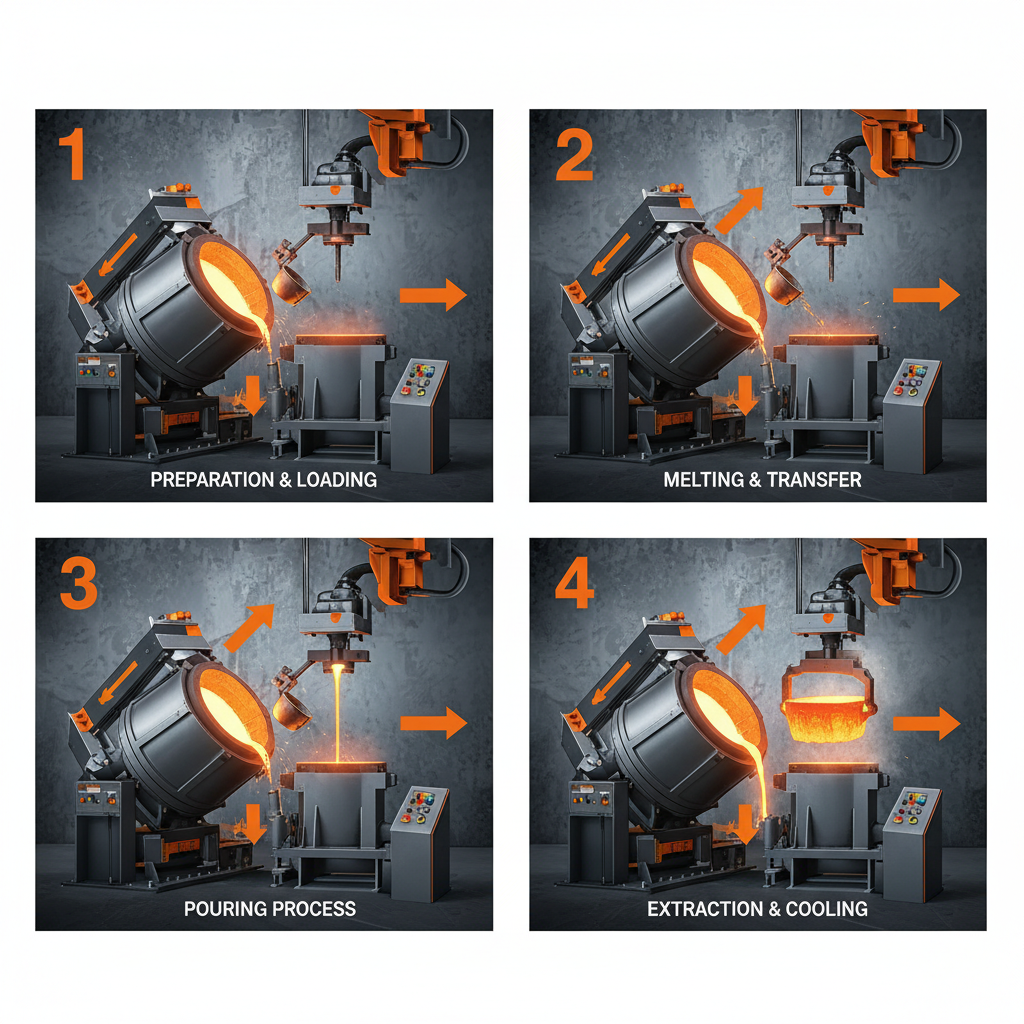
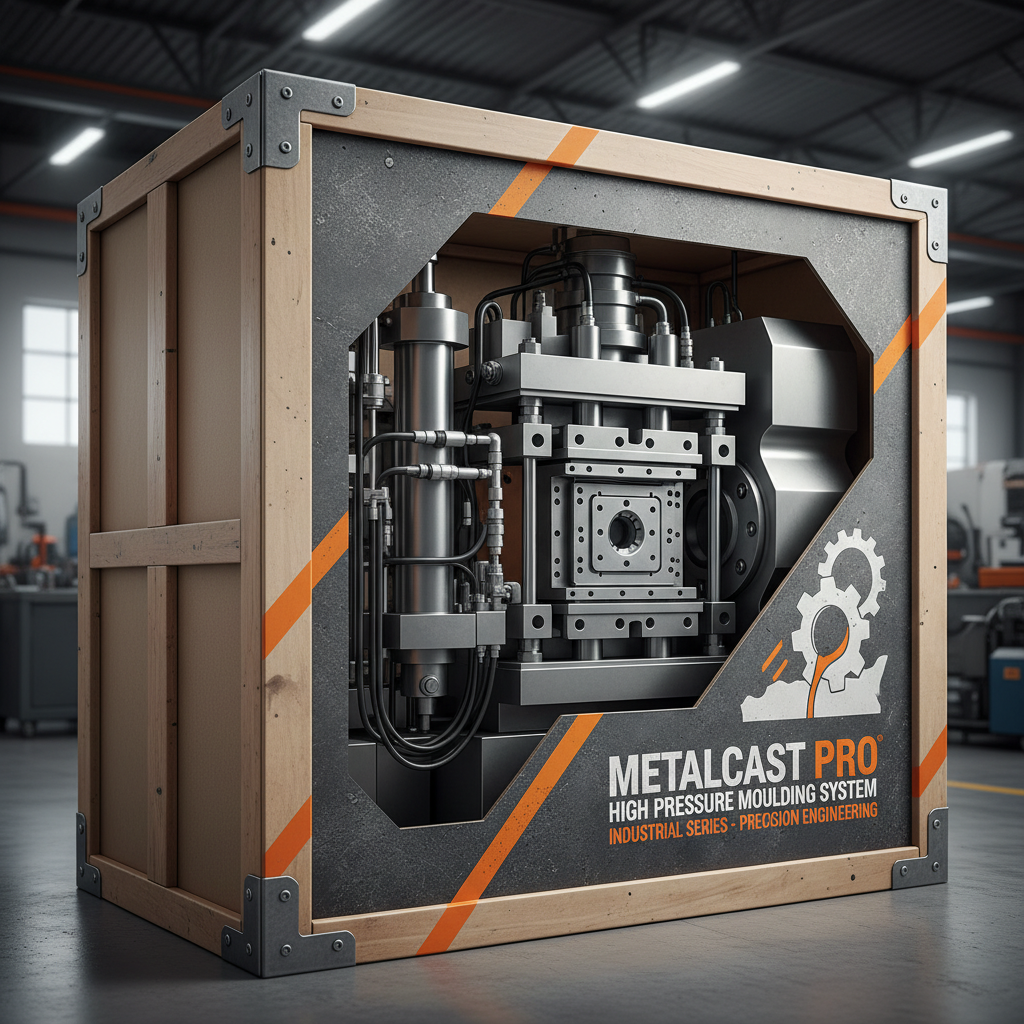
You know, these days everyone's talking about Industry 4.0, smart factories… it’s all the rage. But honestly, out on the sites, it still feels like we're battling the same old problems. Precision, durability, getting consistent results – those are the things that keep me up at night. The biggest trend I've seen lately isn’t some new whiz-bang technology, it’s the demand for adaptability. Everyone wants a metal casting machine that can handle small batches, custom alloys… it's a whole different ballgame than churning out the same part a million times.
And believe me, designing these things is a minefield. You think you’ve got a clever solution for cooling, but then you get down to the shop floor and find out it just doesn’t work with the oil they’re using. Or you spec a certain grade of steel for the mold, and it cracks after a week because the operator is running it too hot. Have you noticed that? It's always something.
We've been playing around with a lot of different alloys recently, trying to hit that sweet spot between strength and machinability. There’s this one zinc-aluminum alloy – smells faintly of… well, metal, obviously – but it’s surprisingly forgiving. It's not as pretty as some of the more exotic stuff, but it holds up, and that’s what matters. And the sand, don't even get me started on the sand. We’re using a lot of chromite sand now, the silica dust regulations being what they are. Feels coarser, requires a bit more binder, but it's safer. Anyway, I think it's a good trade-off.
Industry Trends & Design Pitfalls
To be honest, everyone wants smaller, faster, cheaper. It’s the same story every year. But strangely, they also want more complex geometries. More undercuts, thinner walls… It's a balancing act. A common mistake I see is over-engineering the cooling system. They add all these intricate channels, thinking it will improve cycle time, but then it makes the mold more fragile and harder to maintain. Simplicity is often key.
Another thing: people underestimate the impact of the operator. You can design the most sophisticated metal casting machine in the world, but if the guy running it doesn't understand the process, it's going to fail. It’s why training is so important, and why you need to design things with a bit of wiggle room. Because, let’s face it, people will make mistakes.
Materials & Handling
We're seeing a lot more demand for recycled materials, which is good, obviously. But getting consistent quality can be tricky. I encountered this at a factory in Dongguan last time; they were trying to use recycled aluminum, but the impurities were causing porosity in the castings. You end up scrapping more parts than you save on material costs. It's a tough one.
Then there's the tooling. We’ve been experimenting with ceramic cores for complex internal shapes. They’re fragile, you have to handle them with kid gloves, but they allow for details you just can’t get with sand. They smell faintly of…dust, honestly. Like an old attic.
And the binders! Oh, the binders. Everyone’s looking for lower-VOC options, but they often sacrifice strength. Finding that balance is a constant battle. We're using more water-based binders now, but they require longer drying times, which slows down production.
Testing & Real-World Usage
Lab tests are fine, but they don’t tell you the whole story. I prefer to see these things run on the shop floor, under real-world conditions. We'll put a casting through a thousand cycles, run it at different temperatures, different pressures, see how it holds up. We even deliberately introduce some minor errors – a slightly off-spec alloy, a bit too much moisture in the sand – to see how robust the system is.
What’s really interesting is how people actually use these machines. You design for a certain flow rate, a certain alloy composition, but then you find out the operators are tweaking things, experimenting. They're resourceful, they're trying to optimize the process. You have to design for that flexibility.
And it's not always about precision. Sometimes it's about getting the job done quickly and reliably. A slightly imperfect casting that can be machined to spec is often better than a perfectly cast part that takes twice as long to produce.
Advantages, Disadvantages & Customization
The biggest advantage of a good metal casting machine is, without a doubt, its versatility. You can produce a wide range of parts, from simple housings to complex engine components. It's a relatively cost-effective way to manufacture parts in low to medium volumes.
But it's not without its drawbacks. Setup times can be long, especially for complex geometries. It can be labor-intensive. And quality control is critical. You have to inspect every part carefully to ensure it meets specifications. Later… Forget it, I won’t mention the scrap rate.
Casting Machine Performance Metrics
Customer Story: Shenzhen Smart Home
Last month, that small boss in Shenzhen who makes smart home devices insisted on changing the interface to , even though it meant retooling the entire mold. He said it was “for the future.” Turns out, the supplier he’d sourced for the connectors had massive lead times, and he couldn’t get enough of them to meet demand. He ended up scrambling to find a different supplier, and it cost him a fortune. Always think through the supply chain, folks. Always.
Performance Metrics
We keep a pretty rough log, honestly. It's not fancy. We track things like cycle time, scrap rate, energy consumption, and maintenance costs. But the most important metric, in my opinion, is operator satisfaction. If the guys running the machine are happy, that’s a good sign.
We also track downtime, of course. A machine that’s constantly breaking down is a money pit. We aim for less than 5% downtime, but it's always a challenge.
The Bottom Line
Ultimately, these machines are just tools. They're complex tools, sure, but they're still just tools. They need skilled operators, careful maintenance, and a bit of luck. There’s a lot of science involved, but there’s also a lot of art.
And ultimately, whether this thing works or not, the worker will know the moment he tightens the screw. If it feels right, sounds right, and the casting comes out clean, then you've got a good machine. If not… well, back to the drawing board.