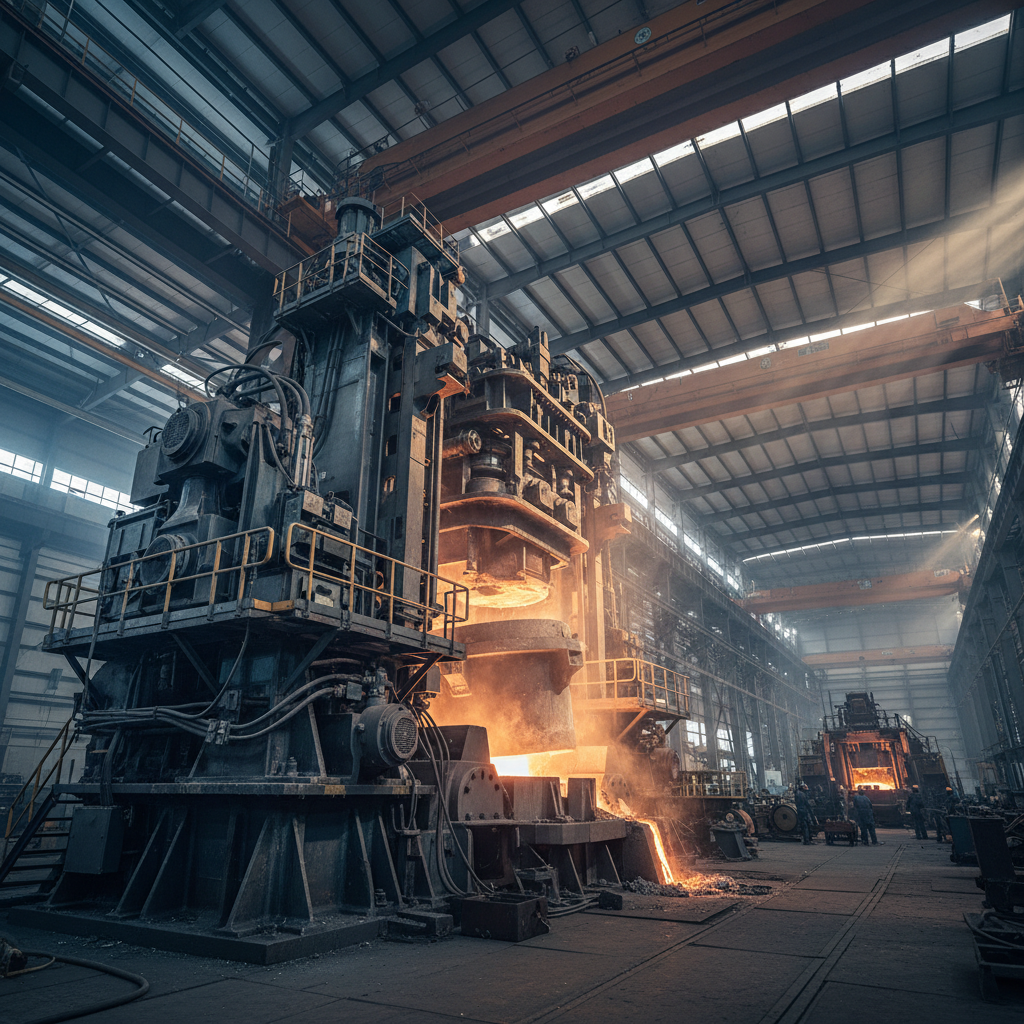
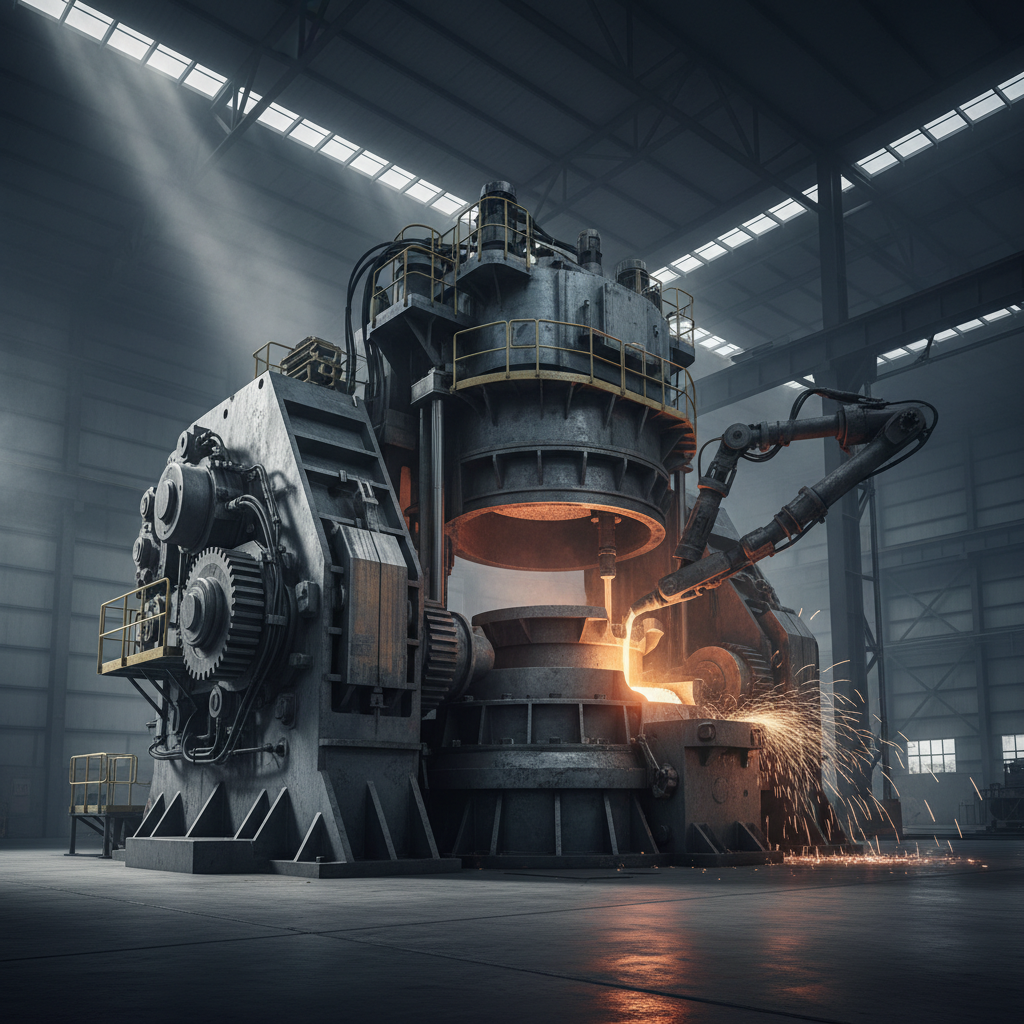
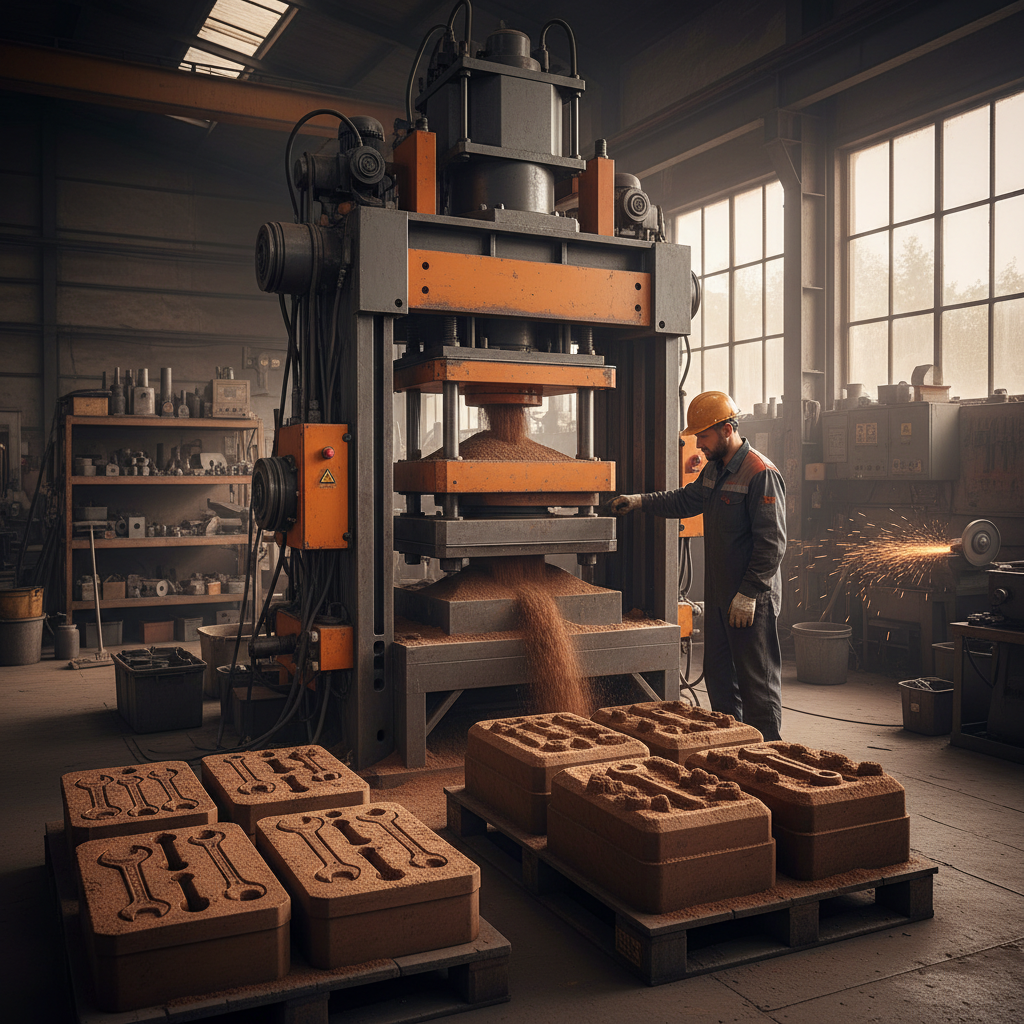
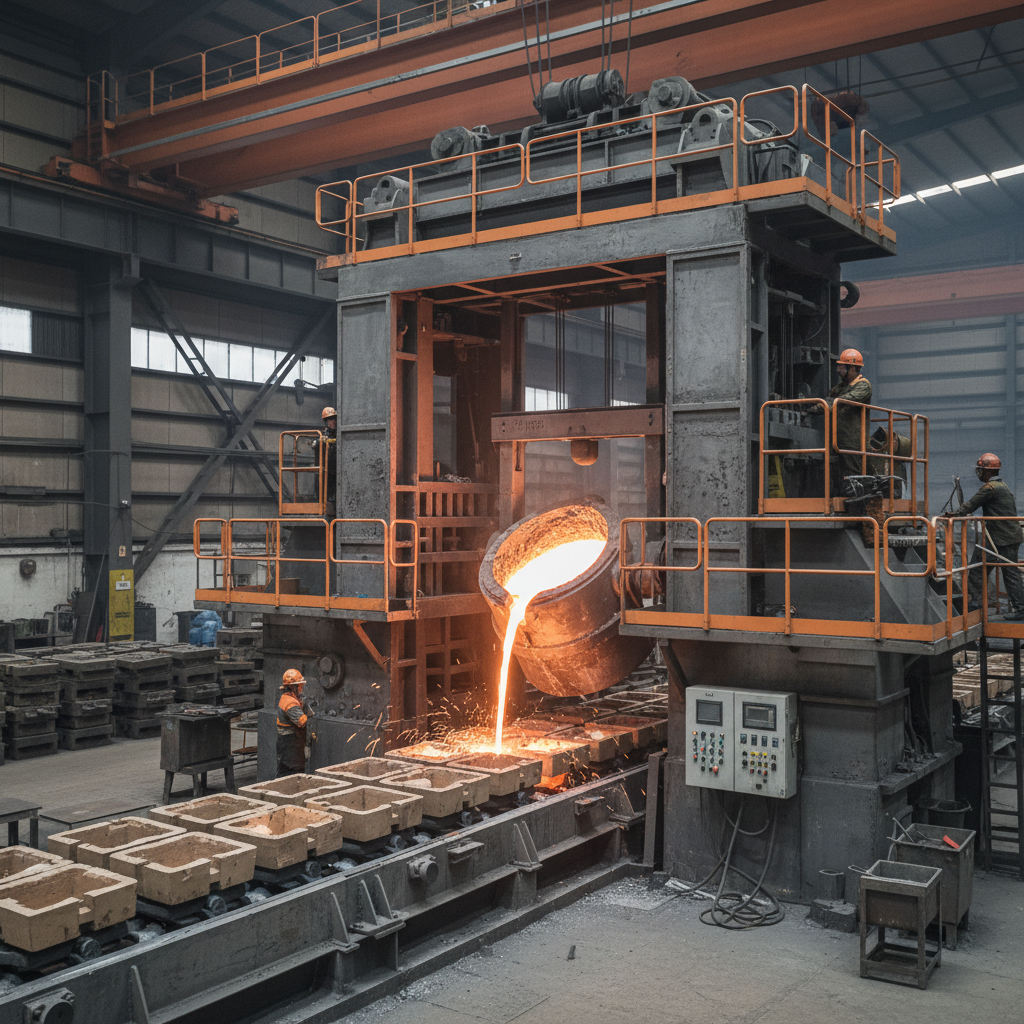
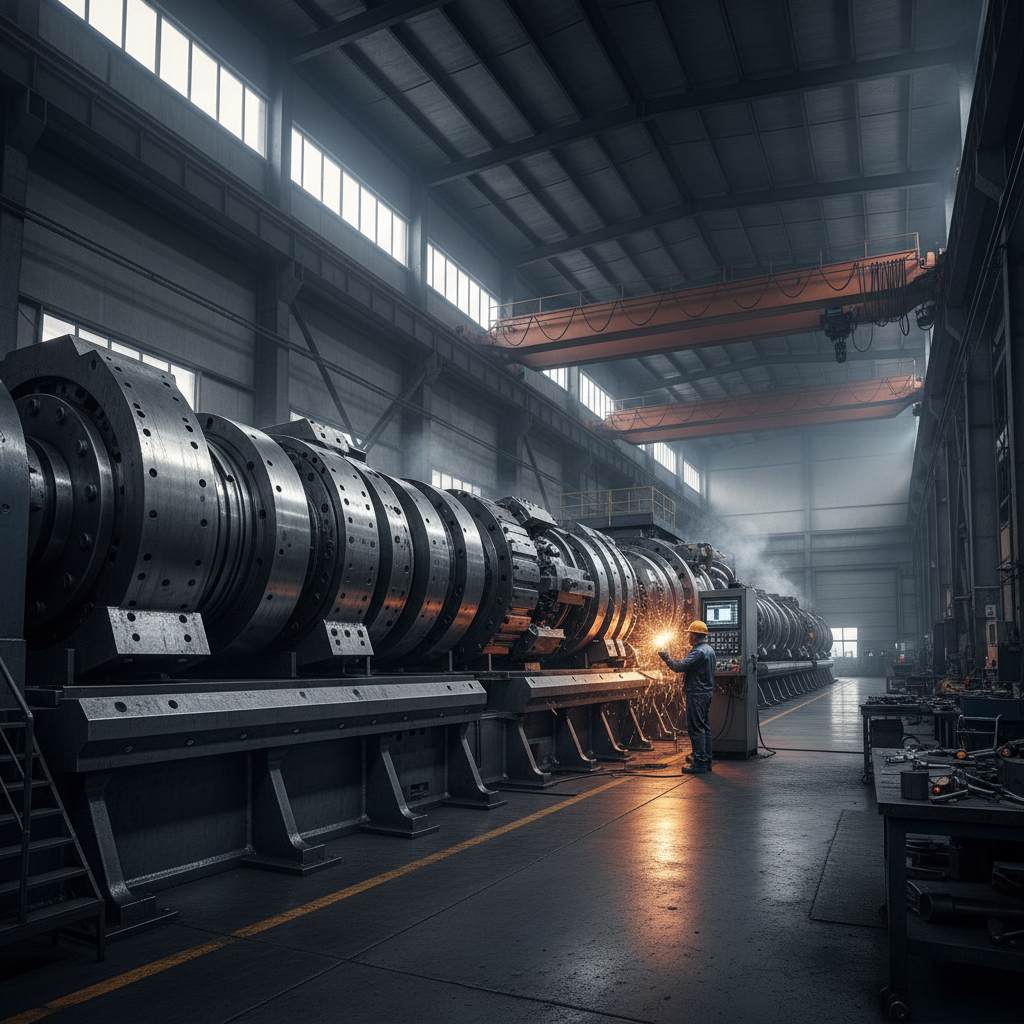
Casting machinery forms the backbone of modern manufacturing, enabling the creation of complex metal components across a vast array of industries. From automotive parts and aerospace components to medical implants and everyday household items, the ability to efficiently and accurately transform molten metal into desired shapes is paramount. The global demand for casting machinery is directly tied to economic growth and infrastructure development, making it a critical sector for innovation and investment. Understanding the nuances of this machinery, its capabilities, and emerging trends is crucial for manufacturers aiming to remain competitive in today's dynamic market.
The importance of casting machinery extends beyond mere production capacity. It plays a vital role in materials science, allowing for the utilization of diverse alloys and the exploration of new casting techniques. This drives innovation in material properties and performance, ultimately leading to improved product quality and longevity. Furthermore, advancements in casting machinery contribute to sustainability efforts through reduced material waste, energy efficiency, and the adoption of environmentally friendly practices.
Investing in and understanding casting machinery is not simply about acquiring equipment; it’s about securing a competitive advantage, fostering innovation, and contributing to a more sustainable and efficient future for manufacturing industries worldwide. The development and implementation of cutting-edge casting technologies directly impacts the production of essential goods and services, making it a cornerstone of global economic activity.
The Fundamental Principles of casting machinery
At its core, casting machinery leverages the principles of material science and thermodynamics to transform liquid metal into solid shapes. The process generally involves melting the metal, pouring it into a mold cavity, allowing it to solidify, and then removing the casting from the mold. Different types of casting machinery employ varying techniques to control the melting, pouring, and solidification processes, each offering unique advantages depending on the application and desired material properties.
Understanding these fundamental principles is vital for optimizing casting parameters such as temperature, pressure, and cooling rates. These parameters directly impact the final product's quality, including its mechanical strength, dimensional accuracy, and surface finish. Modern casting machinery often incorporates sophisticated control systems and monitoring technologies to ensure precise and repeatable results.
Historical Evolution of casting machinery
The history of casting machinery dates back millennia, with early civilizations utilizing rudimentary techniques like lost-wax casting to create metal objects. However, the Industrial Revolution marked a significant turning point, with the development of mechanized casting processes that dramatically increased production capacity and efficiency. Early casting machines were often powered by water or steam, automating tasks previously performed manually.
The 20th century witnessed further advancements, including the introduction of automated molding machines, precision casting techniques, and the widespread adoption of electric furnaces. The development of computer numerical control (CNC) technology revolutionized casting machinery, enabling the creation of complex geometries with unparalleled accuracy.
Today, casting machinery continues to evolve, driven by demands for greater efficiency, sustainability, and the ability to work with increasingly sophisticated materials. Innovations such as 3D printing for mold creation and the integration of artificial intelligence (AI) for process optimization are shaping the future of casting technology, pushing the boundaries of what's possible in metal forming.
Core Components and Their Functionality
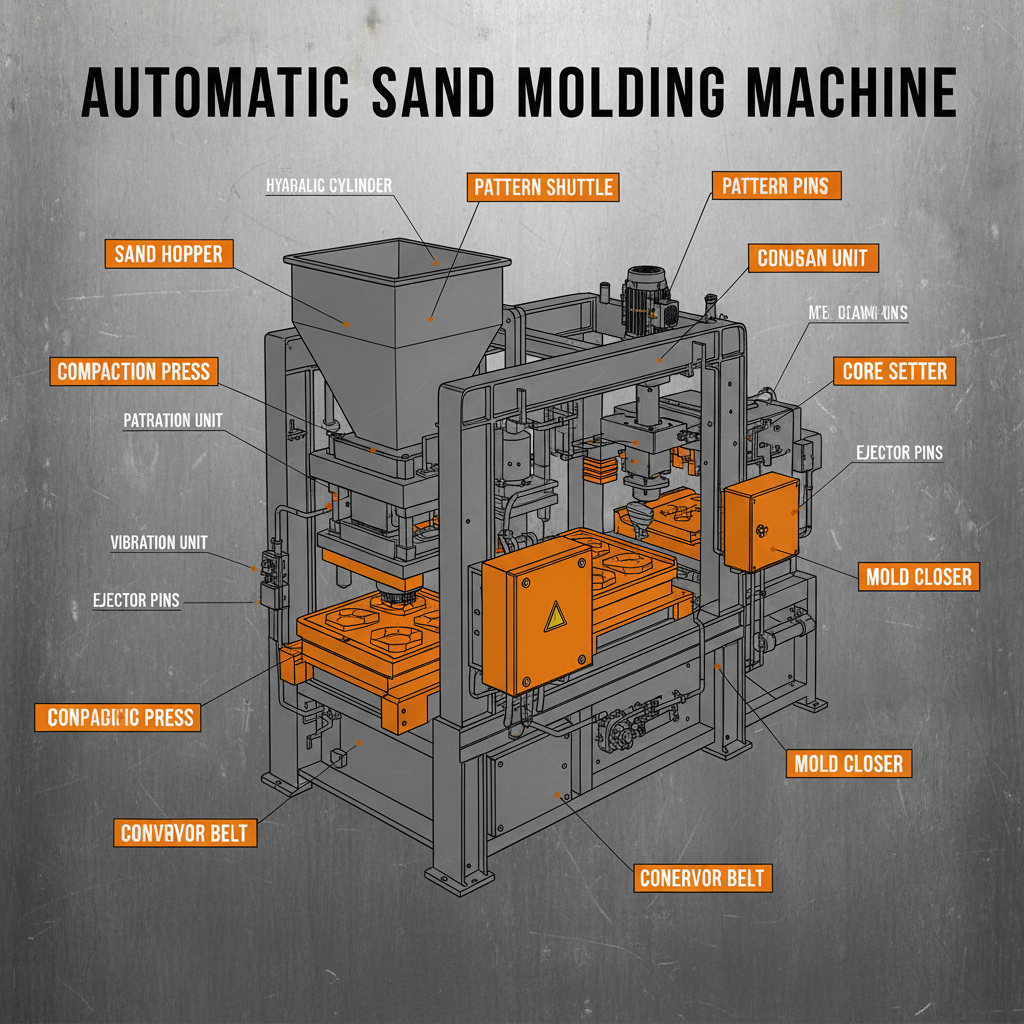
Several key components are integral to the operation of casting machinery. These include the melting furnace, which provides the heat necessary to liquefy the metal; the mold, which defines the shape of the final casting; the pouring system, which delivers the molten metal into the mold cavity; and the cooling system, which controls the solidification process. The functionality of each component is critical to achieving the desired casting quality.
Modern casting machinery often incorporates additional components such as automated mold handling systems, robotic pouring arms, and sophisticated control systems. These enhancements improve efficiency, reduce labor costs, and enhance process control. Advanced sensors and data analytics provide real-time monitoring of critical parameters, allowing for proactive adjustments and ensuring consistent product quality.
The selection of appropriate components depends on the specific casting process employed and the materials being used. For instance, die casting machinery utilizes high-pressure injection of molten metal into reusable metal molds, whereas sand casting machinery employs expendable sand molds. Each approach necessitates a unique set of components optimized for its specific requirements.
Performance Metrics in casting machinery
Evaluating the performance of casting machinery requires a comprehensive assessment of several key metrics. These include production rate, which measures the number of castings produced per unit of time; casting accuracy, which quantifies the dimensional conformity of the castings to the desired specifications; and defect rate, which indicates the percentage of castings that exhibit flaws or imperfections.
Additional critical metrics include energy efficiency, material yield, and operating costs. Optimizing these metrics is essential for maximizing profitability and minimizing environmental impact. Furthermore, factors such as machine uptime, maintenance requirements, and operator skill level also contribute to overall performance.
casting machinery Performance Comparison
Global Manufacturing Applications of casting machinery
Casting machinery is ubiquitous across a vast range of manufacturing industries globally. The automotive sector relies heavily on casting for producing engine blocks, cylinder heads, and transmission components. Aerospace utilizes precision casting techniques for creating turbine blades, structural parts, and landing gear components.
In the medical industry, casting is crucial for manufacturing surgical instruments, implants, and prosthetic devices. The energy sector employs casting for producing components for power generation equipment, such as turbines and pumps. And in general industrial applications, casting is used to create a diverse array of parts, including valves, pipes, and machinery housings.
Advantages and Economic Impact
The advantages of utilizing casting machinery are manifold. It allows for the production of complex shapes with intricate details, offering design flexibility that other manufacturing processes may not provide. Casting is also capable of handling a wide range of materials, including metals, alloys, and composites. Moreover, it can be highly cost-effective for large-scale production runs.
The economic impact of casting machinery is substantial. It creates jobs in manufacturing, engineering, and related industries. It supports supply chains and fosters innovation. By enabling the production of high-quality, reliable components, casting machinery contributes to the competitiveness of businesses and the overall growth of the global economy.
Investing in advanced casting machinery can lead to significant long-term cost savings, improved product quality, and increased production capacity. It’s a strategic investment that strengthens a company's position in the market and fosters sustainable growth.
Future Trends and Technological Advancements
The future of casting machinery is poised for significant innovation. One key trend is the increasing adoption of additive manufacturing (3D printing) for creating molds and patterns, reducing lead times and costs. Another emerging technology is the integration of artificial intelligence (AI) and machine learning (ML) for process optimization and predictive maintenance.
Sustainable casting practices are also gaining prominence, with a focus on reducing energy consumption, minimizing waste generation, and utilizing recycled materials. Digital twins – virtual representations of physical casting machinery – are being employed for simulation, analysis, and real-time monitoring.
Furthermore, advancements in materials science are driving the development of new alloys with enhanced properties, expanding the capabilities of casting machinery and opening up new application possibilities. These trends collectively point towards a more efficient, sustainable, and technologically advanced future for casting.
Key Trends in Casting Machinery Development
| Technology |
Implementation Cost |
Impact on Efficiency |
Potential ROI |
| AI-Powered Process Control |
Medium |
High |
5-7 years |
| 3D Printed Molds |
Low to Medium |
Medium |
3-5 years |
| Digital Twin Technology |
High |
High |
7-10 years |
| Automated Mold Handling Systems |
Medium to High |
Medium to High |
4-6 years |
| Recycled Material Integration |
Low |
Low to Medium |
2-4 years |
| Energy-Efficient Furnace Technologies |
Medium |
Medium |
4-5 years |
FAQS
Die casting utilizes reusable metal molds under high pressure, resulting in high dimensional accuracy and surface finish, ideal for high-volume production. Sand casting employs expendable sand molds, offering greater flexibility for complex shapes and larger parts, but typically with lower precision and a rougher surface. Cost-effectively, die casting has high tooling costs but lower per-part costs for large runs, while sand casting has lower tooling costs but higher per-part costs. The choice depends on production volume, part complexity, and required quality.
Automation significantly enhances the efficiency of casting machinery by reducing labor costs, increasing production rates, and improving process control. Automated systems can handle tasks like mold handling, pouring, and cooling more consistently and precisely than manual labor. This leads to reduced scrap rates, improved product quality, and faster cycle times. Furthermore, automation enables continuous operation, maximizing machine utilization.
Common materials include aluminum alloys (automotive, aerospace), iron (engine blocks, pipes), steel alloys (structural components, machinery), and zinc alloys (hardware, die castings). Aluminum is favored for its lightweight and corrosion resistance. Iron offers strength and wear resistance. Steel provides high strength and durability. Zinc is cost-effective for complex shapes. Material selection depends on the application's requirements for strength, weight, corrosion resistance, and cost.
Casting can generate emissions, waste materials, and consume significant energy. Environmental concerns are addressed through strategies like using recycled materials, implementing energy-efficient furnace technologies, capturing and treating emissions, and optimizing processes to minimize waste. Sustainable casting practices are gaining prominence, driven by regulatory requirements and increasing environmental awareness. The use of coreless furnaces and better filtration systems are also becoming widespread.
Predictive maintenance utilizes sensors and data analytics to monitor the condition of casting machinery and predict potential failures before they occur. This allows for proactive maintenance interventions, minimizing downtime and preventing costly repairs. Techniques include vibration analysis, thermal imaging, and oil analysis. By identifying and addressing potential issues early, predictive maintenance maximizes machine uptime and extends equipment lifespan.
Simulation software allows engineers to model and analyze casting processes virtually, optimizing parameters like mold design, pouring temperature, and cooling rates before physical production begins. This reduces the need for costly trial-and-error experiments, improves casting quality, and minimizes defects. Simulation software can predict solidification patterns, identify potential hot spots, and optimize gating systems for efficient metal flow. It's a crucial tool for process optimization and reducing development time.
Conclusion
In conclusion, casting machinery is an indispensable component of modern manufacturing, enabling the creation of a vast array of metal components essential to industries worldwide. From its historical evolution to the current wave of technological advancements, casting machinery has consistently adapted to meet the evolving demands of the global economy. Understanding the fundamental principles, key components, and emerging trends in casting technology is critical for businesses seeking to maintain a competitive edge.
Looking ahead, the future of casting machinery lies in embracing innovation, prioritizing sustainability, and leveraging the power of data analytics and automation. Investing in advanced casting technologies and skilled personnel will be crucial for driving efficiency, reducing costs, and ensuring the long-term viability of the manufacturing sector. For further information and to explore our range of casting machinery solutions, visit our website today.