The global demand for efficient and reliable manufacturing processes drives the significance of understanding casting machine price. These machines are pivotal in diverse industries, ranging from automotive and aerospace to construction and consumer goods, impacting production costs, material utilization, and overall product quality. A comprehensive understanding of the factors influencing casting machine price allows businesses to make informed investment decisions, optimize their operations, and gain a competitive edge in the market.
Fluctuations in raw material costs, technological advancements, and regional economic conditions all contribute to the dynamic nature of casting machine price. This impacts not only large-scale manufacturers but also small and medium-sized enterprises (SMEs) seeking to modernize their production capabilities. The global casting market, estimated at over $70 billion, is projected to grow steadily, underscoring the importance of accurate cost analysis and strategic sourcing of casting machinery.
Ultimately, understanding casting machine price transcends simply acquiring equipment; it’s about optimizing a crucial component of the supply chain, enhancing productivity, and driving sustainable growth within diverse industrial landscapes. Accurate cost assessment and investment planning are essential for ensuring long-term profitability and market success.
The Significance of Casting Machine Price
Understanding the complexities surrounding casting machine price is essential for businesses aiming to enhance their manufacturing capabilities. The initial investment is just one aspect; a thorough analysis must include long-term operational costs, maintenance requirements, and potential for upgrades. Ignoring these factors can lead to hidden expenses and reduced profitability.
Effective cost management in the acquisition of casting machinery empowers companies to optimize production efficiency, reduce waste, and improve overall product quality, ultimately impacting their bottom line and competitive positioning.
Defining Casting Machine Price
Casting machine price refers to the total cost associated with acquiring and implementing a machine used for shaping molten material into desired forms. This encompasses not only the base purchase price but also associated expenses such as shipping, installation, training, and initial tooling. The price is heavily influenced by the machine’s type, capacity, automation level, and the manufacturer’s reputation.
In modern industry, casting machines are indispensable for producing a wide array of components, from engine blocks and turbine blades to intricate medical implants. Accurate price assessment is vital for aligning capital expenditures with strategic production goals.
The connection to humanitarian needs also exists; efficient casting processes are essential for manufacturing essential supplies during emergencies, such as water purification systems or temporary shelter components.
Core Components Influencing Price
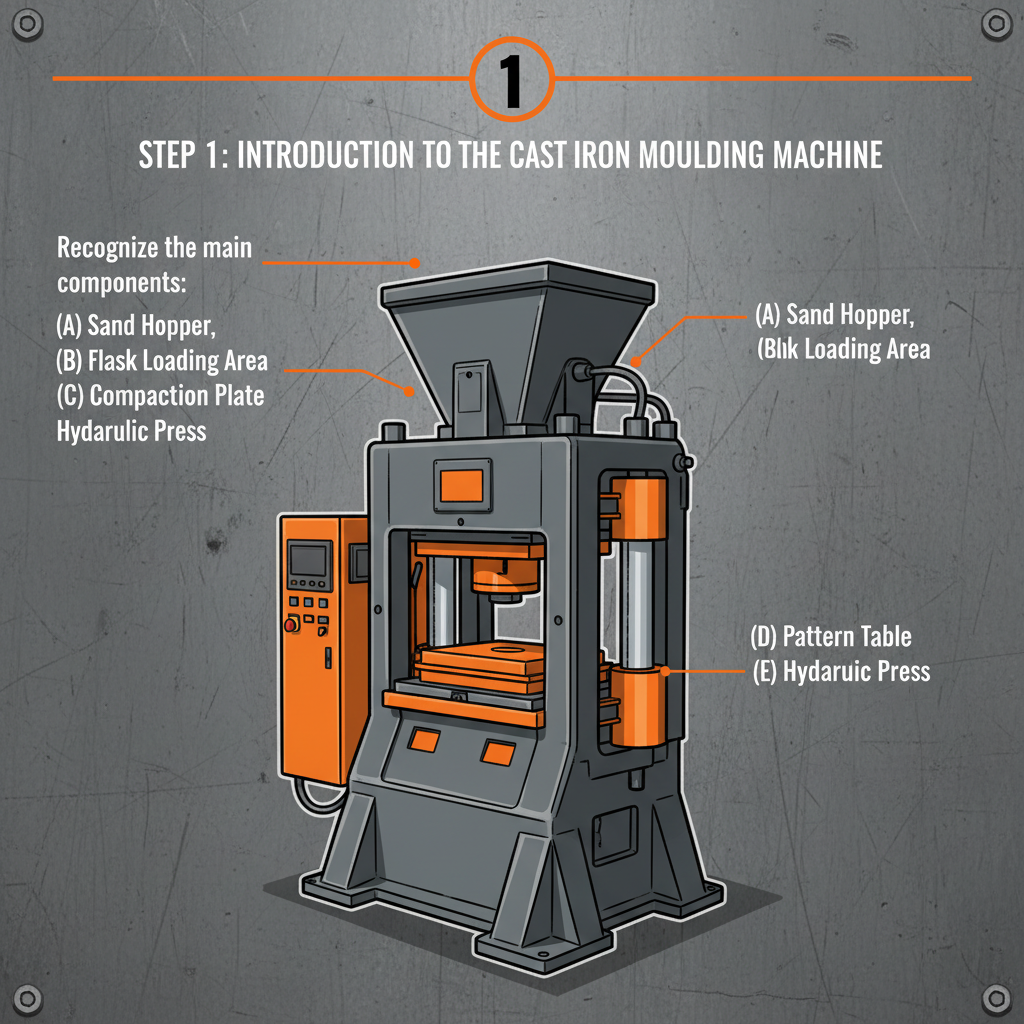
Several core components directly impact the casting machine price. These include the core casting method employed (e.g., sand casting, die casting, investment casting), the level of automation integrated into the system, the materials used in the machine’s construction (e.g., steel grade, alloy composition), and the overall capacity and precision of the machine.
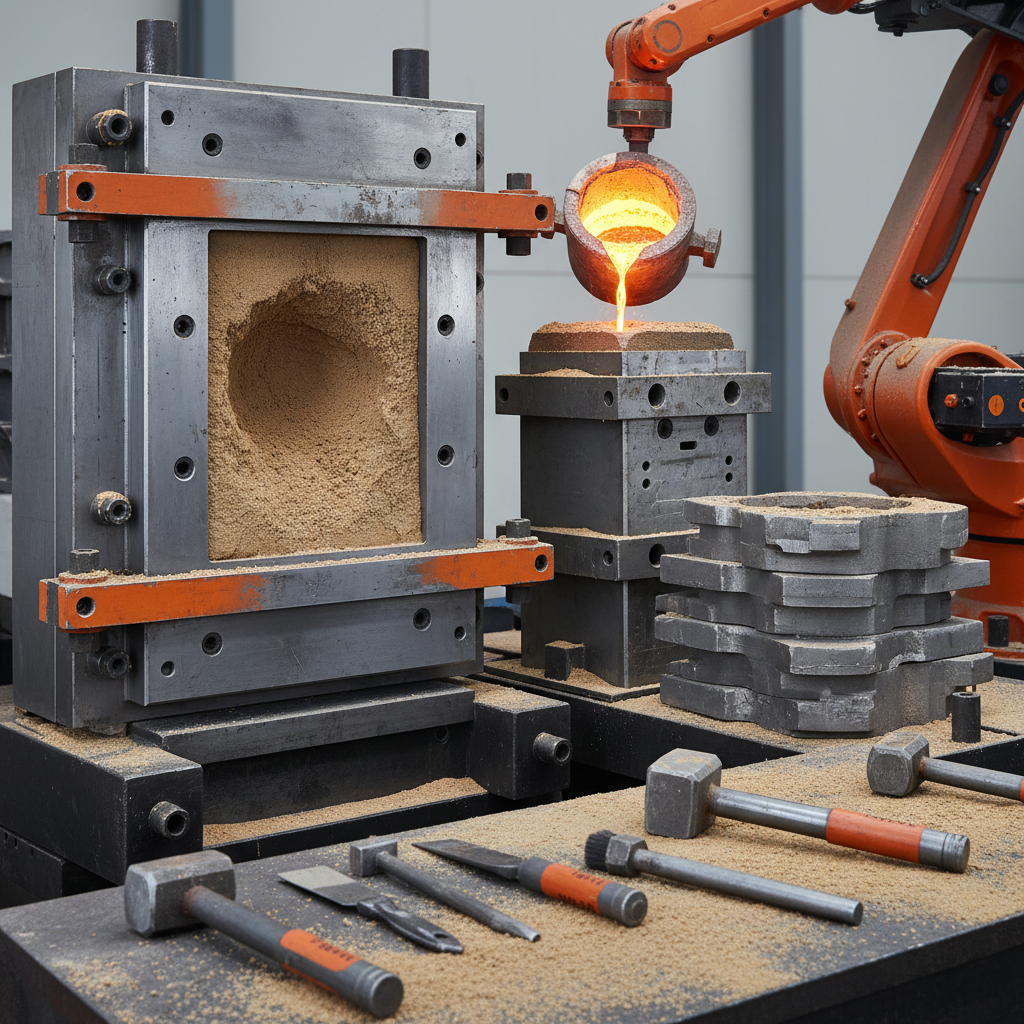
Furthermore, the inclusion of advanced features such as robotic arms for material handling, automated mold changing systems, and integrated quality control sensors significantly increases the cost. The complexity of the control system and software also plays a critical role in determining the final price.
Selecting the right combination of these components is paramount for achieving optimal performance, cost-effectiveness, and long-term reliability. A detailed evaluation of production requirements and budget constraints is essential for making informed decisions.
Factors Contributing to Casting Machine Price
Numerous factors contribute to the casting machine price. Raw material costs, particularly steel and iron, are significant. Labor costs in the manufacturing country also impact pricing, as do transportation and import duties. Technological advancements, such as the integration of Industry 4.0 principles and advanced sensors, drive up costs but can offer long-term benefits.
Market demand and competition among manufacturers also influence price. A surge in demand or limited supply can lead to price increases, while intense competition can drive prices down. The manufacturer’s brand reputation and after-sales service offerings also contribute to the overall perceived value and price.
Casting Machine Price Breakdown by Method
Global Applications and Industry Impact
Casting machines are vital across a broad spectrum of industries globally. The automotive sector relies on them for producing engine blocks, cylinder heads, and transmission components. The aerospace industry utilizes high-precision casting for turbine blades and structural parts. Construction employs casting for creating pipes, valves, and fittings.
In developing nations, affordable casting machines enable local manufacturers to produce essential goods, fostering economic growth and self-sufficiency. Regions like Southeast Asia and India are witnessing significant investment in casting technologies to support their expanding industrial bases.
Advantages and Long-Term Value Proposition
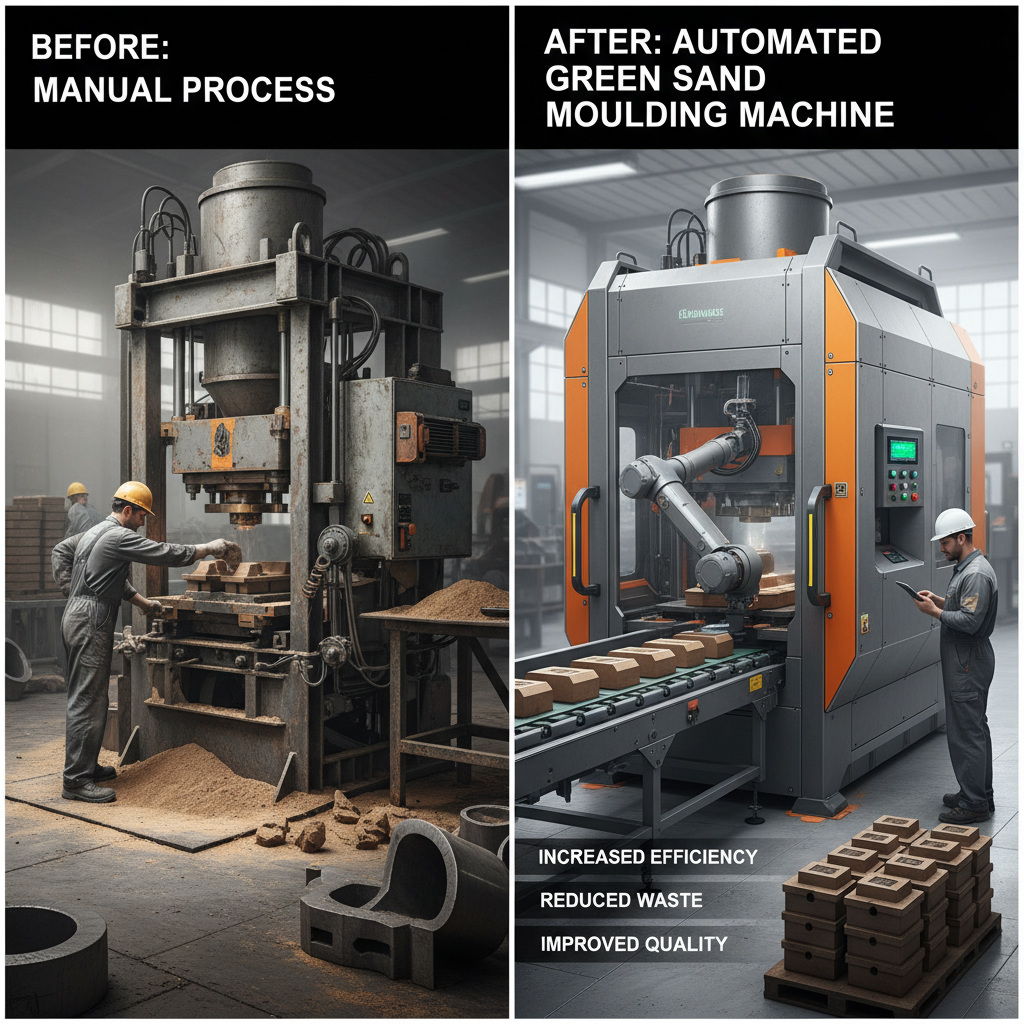
Investing in a quality casting machine offers numerous advantages, including reduced material waste, improved product quality, increased production efficiency, and lower labor costs. Furthermore, modern casting machines often incorporate features that enhance safety and reduce environmental impact.
The long-term value proposition extends beyond initial cost savings. A reliable and well-maintained machine ensures consistent output, minimizes downtime, and reduces the need for costly repairs, ultimately enhancing profitability and building a strong competitive advantage.
Future Trends and Innovations in Casting Technology
The future of casting technology is marked by advancements in automation, digitalization, and sustainable practices. The integration of artificial intelligence (AI) and machine learning (ML) enables predictive maintenance, optimized process control, and improved quality control.
Additive manufacturing (3D printing) is increasingly being integrated with traditional casting processes to create complex geometries and reduce material waste. The development of new materials, such as lightweight alloys and composite materials, is also driving innovation in the casting industry.
Furthermore, a growing emphasis on eco-friendly casting methods, such as the use of recycled materials and energy-efficient technologies, is shaping the future landscape of casting machine price and adoption.
FAQS
The most influential factors include the type of casting process (sand, die, investment), automation level, machine capacity, materials used in construction, and the manufacturer's brand reputation. Advanced features like robotic integration and precision control systems also contribute to higher costs.
While automated casting machines typically have a higher initial casting machine price, they often lead to lower long-term operational costs. Automation reduces labor requirements, minimizes material waste, and enhances production consistency, ultimately increasing profitability.
With proper maintenance and regular servicing, a high-quality casting machine can have a lifespan of 15-20 years or even longer. Investing in a robust machine with durable components and readily available spare parts is crucial for maximizing its longevity.
Minimize total cost through preventative maintenance schedules, operator training, optimizing process parameters to reduce waste, and sourcing reliable spare parts. Choosing energy-efficient models can also lower operational expenses.
Common financing options include loans, leases, and vendor financing. Exploring these options can help spread the casting machine price over time and improve cash flow. Government grants and subsidies may also be available in some regions.
Purchasing a used casting machine can be a cost-effective option, but it requires careful evaluation. Assess the machine's condition, maintenance history, and availability of spare parts. A thorough inspection by a qualified technician is highly recommended.
Conclusion
In conclusion, understanding casting machine price is far more than simply finding the lowest upfront cost. It requires a holistic assessment of factors including operational expenses, maintenance requirements, technological advancements, and long-term value. By carefully evaluating these elements, businesses can make informed decisions that optimize their manufacturing processes, enhance product quality, and achieve sustainable growth.
As casting technology continues to evolve, embracing innovation, prioritizing sustainability, and investing in robust, reliable machines will be critical for remaining competitive in the global market. We encourage you to explore the possibilities and visit our website at www.yonghongbq.com to discover how we can help you find the perfect casting solution for your needs.