In the complex world of metallurgy and precision casting, the quality of the final product is fundamentally dictated by the medium that shapes it. molding sand serves as the silent backbone of the foundry industry, providing the necessary thermal stability and structural integrity to withstand the immense pressure of molten metal. Understanding the nuances of sand composition is not merely a technical requirement but a strategic advantage for any manufacturer aiming for zero-defect production.
Across the globe, the demand for high-performance casting components in the automotive, aerospace, and heavy machinery sectors has pushed the boundaries of traditional foundry practices. The evolution of molding sand from simple clay-bonded mixtures to advanced chemically bonded systems reflects a broader industrial shift toward precision, efficiency, and environmental sustainability. As ISO standards for quality management become more stringent, the control of sand properties has become a primary focus for operational excellence.
However, many foundries still struggle with inconsistent casting surfaces, gas defects, and high scrap rates due to suboptimal sand selection or poor reclamation processes. By integrating intelligent molding sand management with modern molding machines and sand treatment systems, manufacturers can significantly reduce costs and improve the mechanical properties of their castings. This guide explores the critical dimensions of molding sand to help professionals optimize their production lines.
The Fundamentals and Definition of Molding Sand
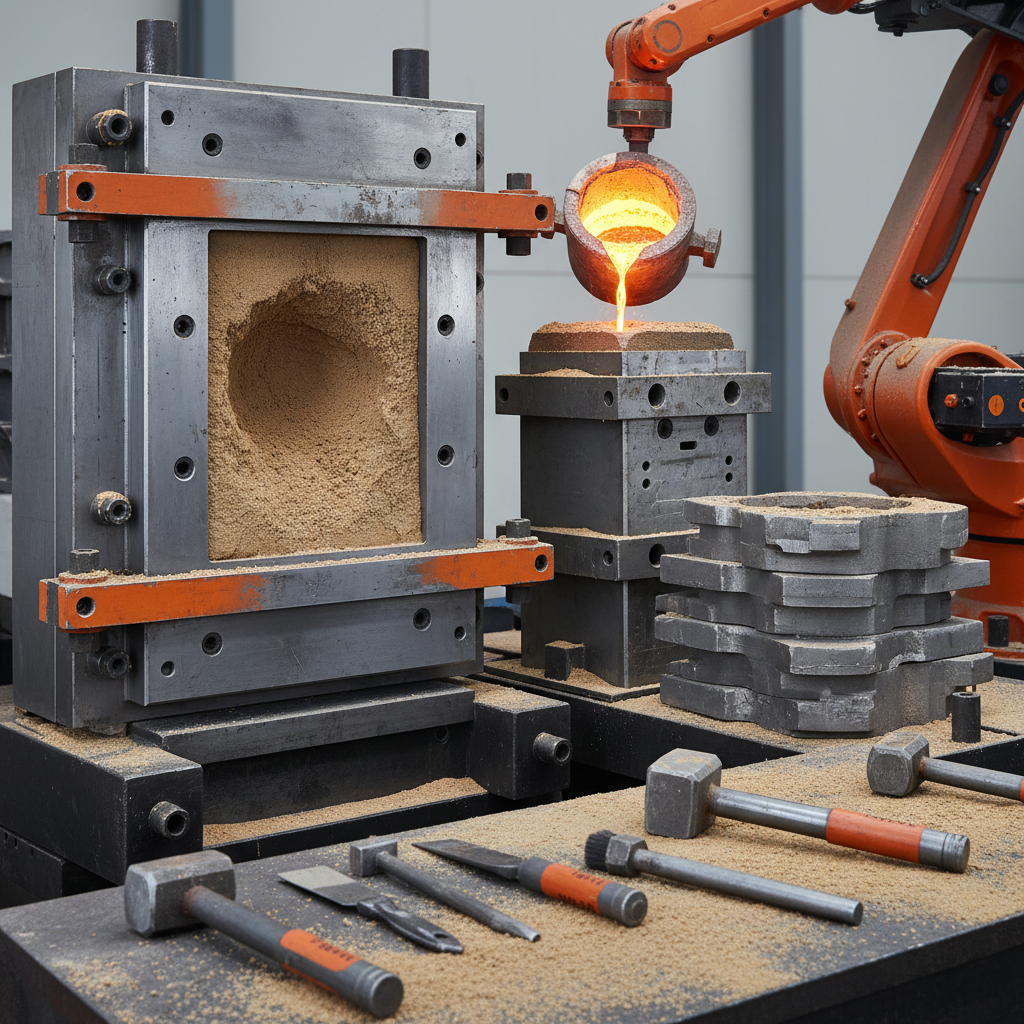
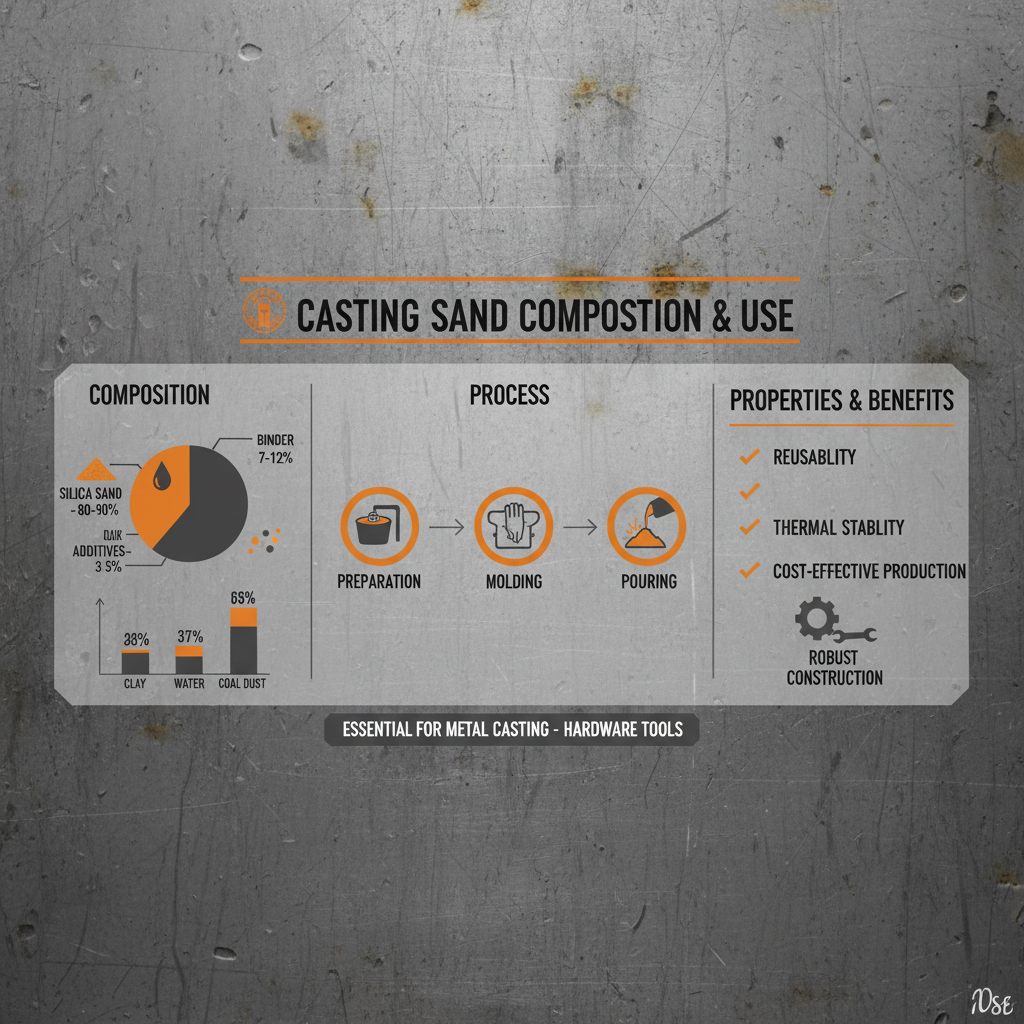
At its core, molding sand is a specialized mixture of silica sand, binders (such as clay or resin), and additives designed to create a mold that can hold the shape of a casting while enduring the extreme heat of molten metal. Unlike common construction sand, molding sand must possess a precise balance of permeability, strength, and collapsibility to ensure that gases escape during pouring and that the final part can be easily removed without damaging the mold or the casting.
The synergy between the grain size distribution and the binder chemistry defines the "workability" of the sand. In modern ferrous casting, the shift toward resin sand has allowed for tighter tolerances and smoother surface finishes, reducing the need for extensive post-cast machining. This evolution is critical for industries requiring high-precision components where a few microns of deviation can lead to mechanical failure.
Key Factors Influencing Sand Performance
One of the most critical factors is Refractoriness, which is the ability of the molding sand to resist melting or fusing at high temperatures. If the sand lacks sufficient refractoriness, it can lead to "burn-on" defects, where the sand adheres to the metal surface, resulting in a rough finish and increased labor costs for cleaning. High-purity silica or chromite sands are often employed to handle the thermal loads of steel and iron.
Permeability serves as the second pillar of performance. It refers to the ease with which gases and steam can escape from the mold during the pouring process. If the sand is packed too tightly or the grain size is too fine, trapped gases can cause blowholes and porosity within the casting. Achieving the optimal balance between strength (to hold the shape) and permeability (to let gas out) is the primary challenge for foundry engineers.
Lastly, Collapsibility ensures that the mold gives way as the metal cools and shrinks. Without proper collapsibility, the internal stresses created during the contraction of the metal can lead to "hot tears" or cracks in the casting. This is often managed through the precise selection of binders in molding sand, allowing the mold to break down safely after its primary job is done.
Global Applications in Heavy Industry
In the global landscape, molding sand applications vary wildly depending on the regional industrial focus. In the automotive hubs of Germany and Japan, high-speed molding lines utilize chemically bonded sands to produce engine blocks and transmission housings with extreme repeatability and minimal waste.
In heavy industrial zones across North America and China, larger-scale castings for mining equipment and power generation turbines rely on specialized molding sand that can support massive weights without deformation. These applications often involve complex core-making processes where the sand must maintain its shape under immense hydrostatic pressure from the molten metal.
Beyond traditional manufacturing, advanced foundry techniques are now being applied in remote industrial zones to create infrastructure components locally. By optimizing the local availability of raw sand and pairing it with imported high-efficiency binders, companies can reduce the logistics costs of transporting heavy castings over long distances, promoting localized economic growth.
Comparing Molding Sand Efficiency Metrics
Evaluating the efficiency of different molding sand types requires a quantitative approach. Foundries typically measure success based on the ratio of "good casts" to "scrap" and the speed at which sand can be reclaimed and reused. High-performance resin systems generally offer better precision but come with higher initial material costs compared to traditional green sand.
To visualize this, we can compare various sand-binder combinations across key performance indicators such as surface finish, gas evacuation, and reclamation rate. This data allows plant managers to decide whether the investment in premium molding sand is justified by the reduction in post-processing costs.
Performance Comparison of Molding Sand Types
Long-Term Value and Economic Advantages
The true value of investing in high-quality molding sand is realized in the total cost of ownership. While premium sands may have a higher price per ton, the reduction in casting defects—such as sand inclusions or dimensional inaccuracies—leads to a drastic decrease in scrap rates. For a large-scale foundry, reducing scrap by even 2% can result in millions of dollars in annual savings.
Moreover, the sustainability of the process adds significant long-term value. Advanced molding sand systems are designed for higher reclamation rates, meaning a larger percentage of the sand can be cleaned and reused through mechanical or thermal treatment. This not only lowers raw material procurement costs but also minimizes the environmental footprint by reducing landfill waste.
Future Innovations in Sand Technology
The future of molding sand is being reshaped by the digital transformation of the foundry. We are seeing the rise of "Smart Sand" monitoring, where sensors integrated into the sand treatment system provide real-time data on moisture levels, binder concentration, and grain degradation. This allows for autonomous adjustments to the mix, ensuring consistent quality regardless of ambient environmental changes.
Additionally, the industry is moving toward bio-based binders to replace petroleum-derived resins. These eco-friendly molding sand alternatives aim to reduce VOC (Volatile Organic Compound) emissions during the pouring and shake-out phases, improving the health and safety of the workplace while meeting stricter global environmental regulations.
Another exciting frontier is the integration of 3D sand printing. By precisely depositing molding sand layer by layer, foundries can create incredibly complex geometries that were previously impossible with traditional patterns. This eliminates the need for expensive tooling and drastically shortens the prototype-to-production cycle.
Overcoming Common Casting Challenges
Many foundries encounter the persistent problem of "sand wash," where the flow of molten metal erodes the molding sand, leaving particles embedded in the casting. The solution typically involves increasing the binder content or using a finer grain distribution in high-velocity areas of the mold. By strategically applying different sand grades in different sections of the mold, engineers can optimize both strength and cost.
Gas porosity remains another hurdle. This is often solved by improving the ventilation of the molding sand or by using vacuum-assisted pouring. Ensuring that the sand is properly dried and that the binder doesn't decompose too rapidly is key to preventing these internal voids that compromise the structural integrity of the part.
Finally, the issue of sand reclamation efficiency can be addressed through a combination of mechanical attrition and thermal recovery. By implementing a closed-loop system, foundries can maintain the purity of their molding sand, ensuring that accumulated impurities don't lead to casting defects over time.
Analysis of Molding Sand Solutions for Common Casting Defects
|
Defect Type
|
Root Cause in Sand
|
Recommended Solution
|
Efficiency Gain (1-10)
|
|
Sand Burn-on
|
Low Refractoriness
|
Use Chromite Sand Coating
|
9
|
|
Blowholes
|
Poor Permeability
|
Coarsen Grain Distribution
|
8
|
|
Hot Tears
|
Low Collapsibility
|
Adjust Binder Ratio
|
7
|
|
Sand Inclusions
|
Weak Mold Strength
|
Increase Compaction Pressure
|
8
|
|
Surface Pitting
|
Excessive Moisture
|
Optimize Drying Cycle
|
6
|
|
Dimensional Drift
|
Thermal Expansion
|
Use Zircon Sand Mix
|
9
|
FAQS
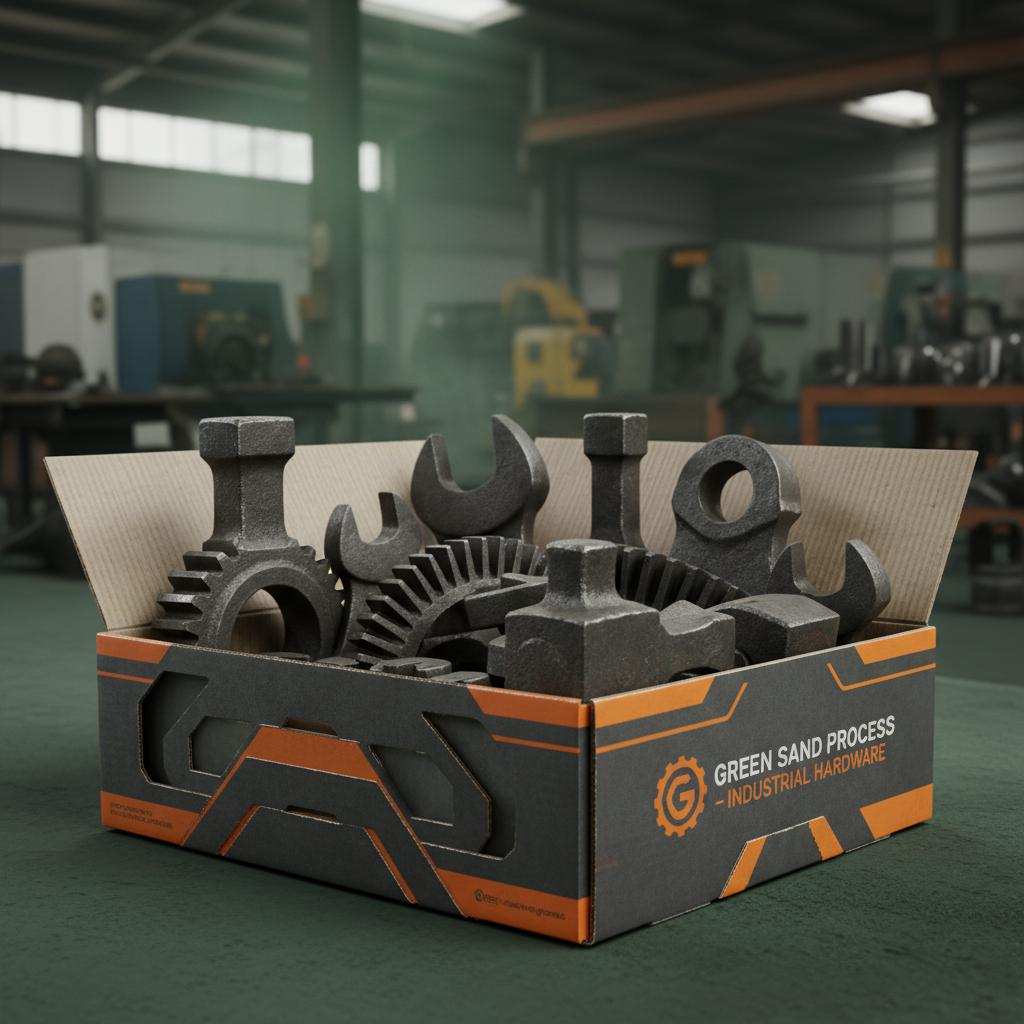
Green sand is a mixture of sand, clay, and water, called "green" because it contains moisture during pouring. It is cost-effective and highly recyclable, making it ideal for high-volume, simpler parts. Resin sand, conversely, uses chemical binders that harden through heat or catalysts. It offers significantly higher strength, better dimensional accuracy, and a superior surface finish, which is essential for complex industrial components, though it is generally more expensive and requires a more complex reclamation process.
The surface finish is primarily determined by the grain size and the quality of the binder in the molding sand. Finer sand grains produce a smoother surface but can reduce permeability. To achieve a mirror-like finish without sacrificing gas escape, foundries often apply a specialized refractory coating to the mold surface. Additionally, the chemical interaction between the molten metal and the sand binder can cause "burn-on" or pitting if the sand's refractoriness is insufficient for the pouring temperature.
Most molding sand can be reclaimed, but the method depends on the binder. Green sand is easily recycled through simple scrubbing and conditioning. Resin-bonded sands require more intensive processes; mechanical reclamation uses attrition to strip the binder from the grains, while thermal reclamation burns off the organic binders in a furnace. While highly efficient, the reclamation process must be carefully monitored to ensure that no residual binders remain, as they could cause defects in the next casting cycle.
Permeability is the ability of the sand mold to allow gases—such as steam from moisture or fumes from binders—to escape. If the molding sand is too dense or has poor permeability, these gases become trapped at the metal-mold interface, creating bubbles or "blowholes" inside the casting. This not only ruins the aesthetic of the part but can create critical structural weaknesses that lead to failure under pressure, making permeability control a top priority for quality assurance.
The choice depends on three factors: the material being poured, the complexity of the geometry, and the required production volume. For simple, high-volume iron parts, green sand is usually the best choice. For aerospace components or high-nickel alloys requiring tight tolerances, resin-bonded or shell molding sands are preferred. We recommend analyzing the thermal load and the gas evolution of your specific alloy to determine the optimal balance of refractoriness and permeability.
Traditional chemical binders can release Volatile Organic Compounds (VOCs) during the curing and pouring process, which can impact air quality in the foundry. To mitigate this, the industry is shifting toward water-based binders and bio-resins. Furthermore, implementing high-efficiency thermal reclamation systems allows foundries to reduce the amount of waste sand sent to landfills, transforming a potential pollutant into a sustainable, closed-loop raw material cycle.
Conclusion
In summary, molding sand is far more than a simple filler; it is a precision-engineered material that defines the quality, cost, and scalability of the entire casting process. From the critical balance of permeability and strength to the economic benefits of high-rate reclamation, every aspect of sand management directly impacts the bottom line. By selecting the appropriate sand system and integrating it with modern molding and treatment technology, manufacturers can eliminate chronic defects and achieve world-class production standards.
Looking ahead, the integration of AI-driven monitoring and sustainable, bio-based binders will further elevate the role of molding sand in the green manufacturing revolution. As we move toward Industry 4.0, the ability to digitally control the properties of the mold will be the dividing line between traditional foundries and high-efficiency precision centers. We encourage all metallurgy professionals to audit their current sand systems and embrace these innovations to ensure long-term competitiveness in a demanding global market. Visit our website for more professional solutions: www.yonghongbq.com