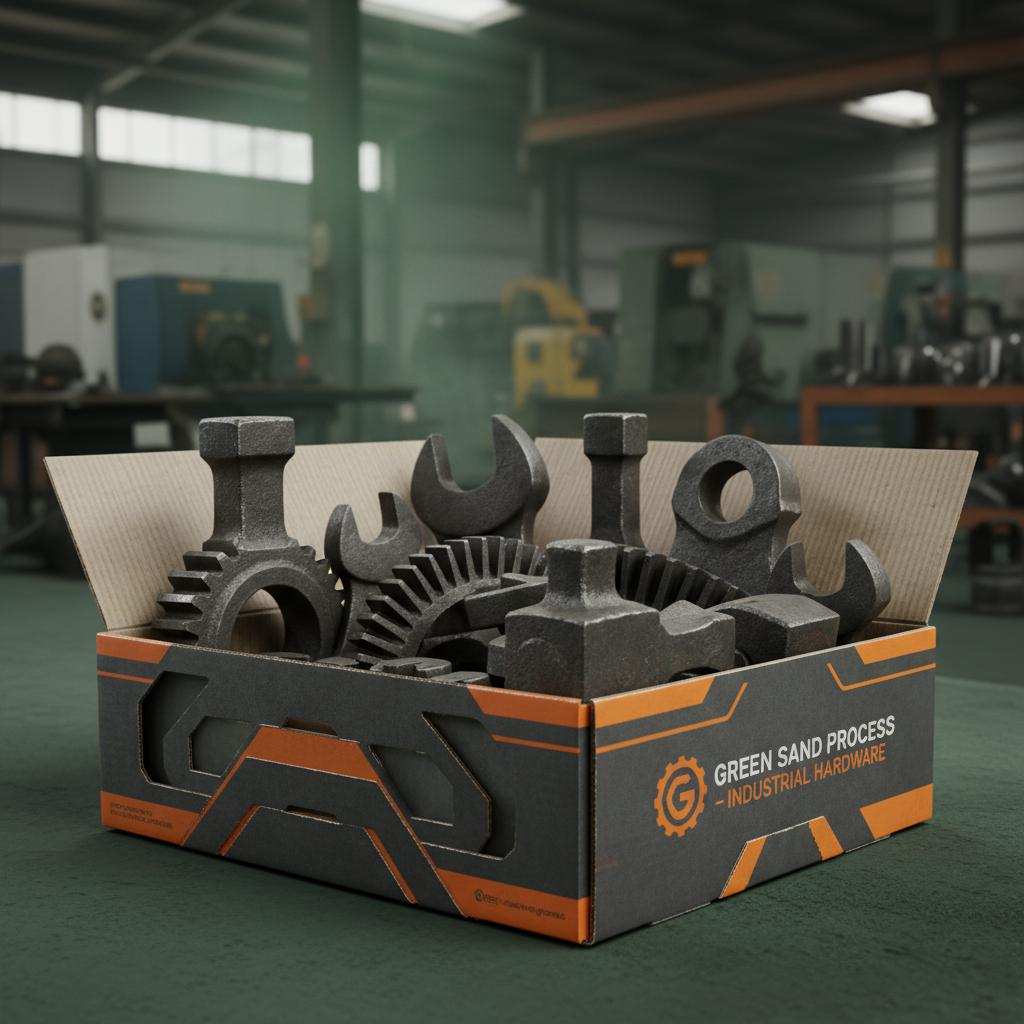
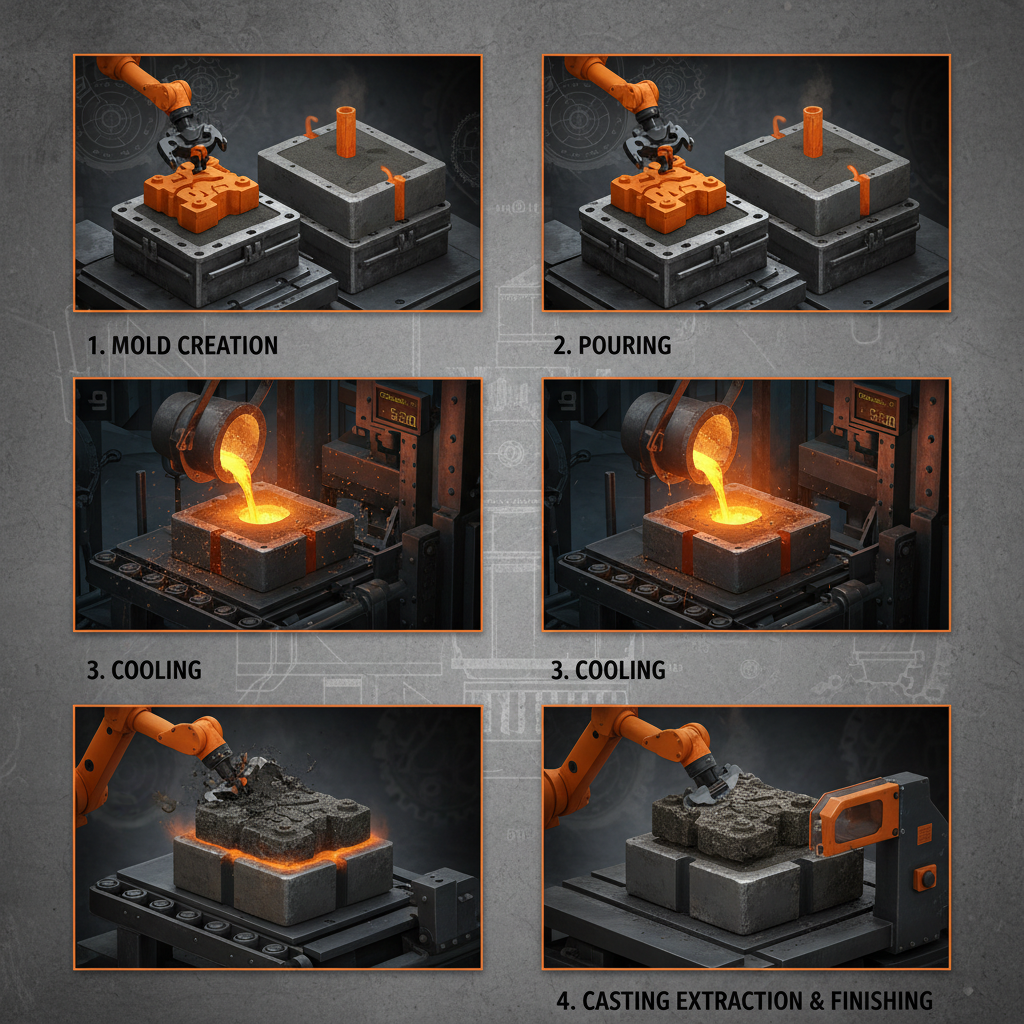
The green sand process – it’s the backbone of metal casting, plain and simple. You see a lot of fancy tech these days, 3D printing and all, but the vast majority of metal parts still start with good old green sand. I've spent years walking foundry floors, feeling the sand between my fingers, watching molds get made. It's not glamorous work, but it's essential. Understanding it isn't just about knowing the recipe; it’s about knowing how it behaves, how it impacts the final product, and how to troubleshoot when things go south. And trust me, things will go south.
Globally, the casting industry is huge. Think automotive, aerospace, construction – anything needing metal components relies heavily on casting. Estimates put the global market well over $200 billion annually. That means a massive demand for sand, and a massive need for foundries that can consistently produce quality castings. The UN Industrial Development Organization (UNIDO) focuses on supporting industrial growth in developing nations, and improving casting capabilities is often a key part of that. The challenge isn't just about capacity; it’s about doing it right, efficiently and sustainably.
At its core, the green sand process is using sand, clay, and a small amount of water to create a mold for molten metal. It's been around for centuries. But don't let the simplicity fool you. Modern foundries are constantly refining the process, tweaking compositions, and integrating automation. It’s not just about making shapes; it's about controlling the solidification of the metal, minimizing defects, and ensuring dimensional accuracy. It's about creating something tangible from raw materials, and that's something I find genuinely satisfying.
The Importance of Green Sand in Modern Casting
The reliability of the green sand process is what keeps foundries running. It’s forgiving, relatively inexpensive, and scalable. You can make one-off prototypes or millions of parts – the process adapts. But it's not a 'set it and forget it' kind of deal. It requires constant monitoring and adjustment. The sand composition, moisture content, and compaction all play a critical role. I've seen entire production runs scrapped because of seemingly minor variations in these parameters.
The durability of a green sand mold is also key. It needs to withstand the heat shock of molten metal and the pressures of pouring. Good mold strength prevents collapses and ensures accurate casting dimensions. That’s where proper clay content and binder selection come into play. It’s a balancing act, and finding the right formula for your specific alloy and casting design is crucial.
Global Relevance and Industry Standards
The ISO standards for sand casting – specifically ISO 9001 for quality management and ISO 13485 for medical applications – are vital. They dictate everything from material testing to process control. Foundries aiming to serve global markets need to comply with these standards. I've seen firsthand how adherence to ISO 9001 builds trust with customers and opens doors to new opportunities. It’s not just about having the right equipment; it’s about having the right systems in place.
Different regions have different preferences and tolerances. European manufacturers often demand tighter dimensional control than their counterparts in some parts of Asia. North American foundries are typically focused on high-volume production and cost efficiency. Understanding these regional nuances is essential for success. I’ve worked with foundries that specialize in serving specific markets, tailoring their green sand formulations and process parameters accordingly.
The demand for castings is intrinsically linked to economic growth. Emerging economies, like India and Vietnam, are experiencing rapid industrialization, which translates into increased demand for cast metal parts. This presents both opportunities and challenges for the green sand process – ensuring sufficient sand supply, maintaining quality standards, and minimizing environmental impact are all critical considerations.
Defining the Green Sand Process
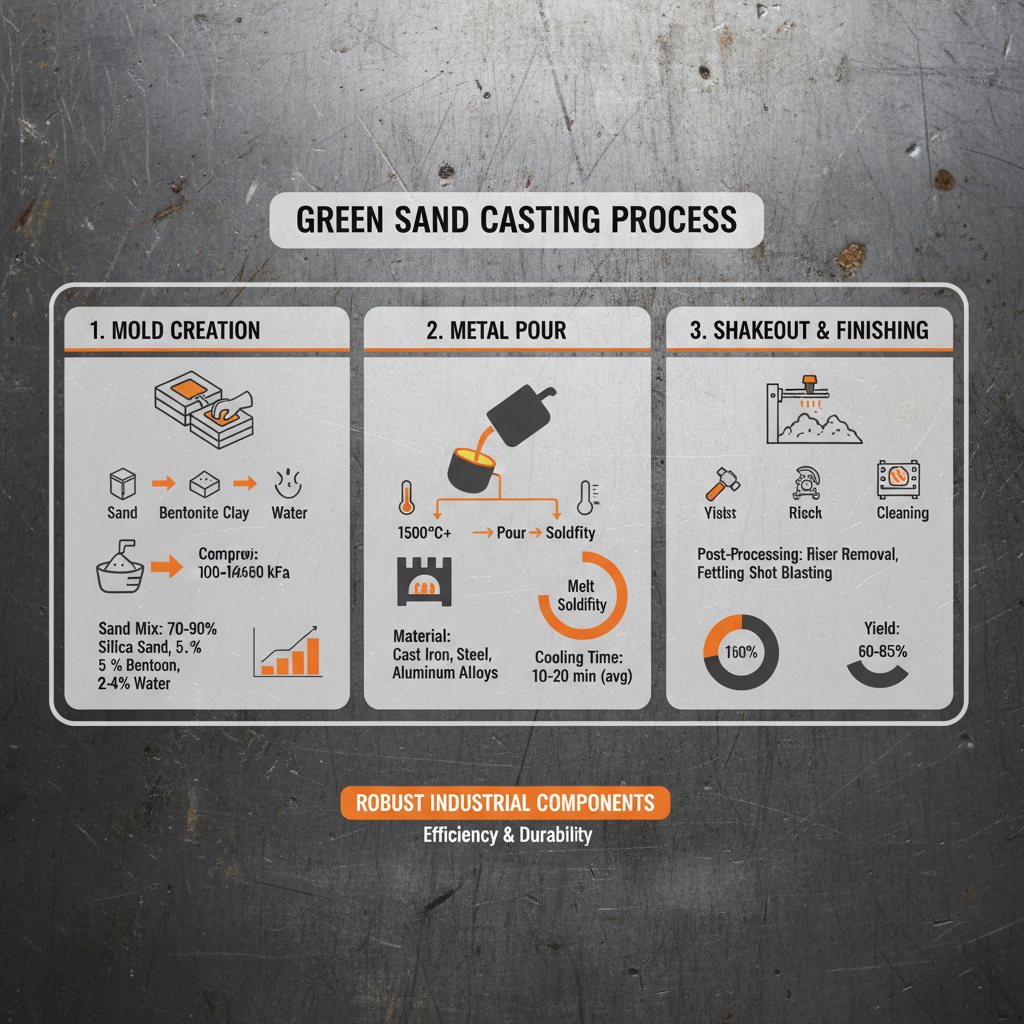
Simply put, the green sand process involves creating a mold using a mixture of sand (typically silica), clay (usually bentonite), and water. The clay acts as a binder, holding the sand particles together. The "green" refers to the fact that the mold isn't baked or chemically hardened like some other molding processes. It retains moisture.
The mold is created either by packing the green sand around a pattern (a replica of the desired part) or by using a molding machine. Once the mold is formed, the pattern is removed, leaving a cavity that is then filled with molten metal. After the metal solidifies, the mold is broken open, and the casting is removed.
It’s a surprisingly versatile process, capable of producing a wide range of part sizes and complexities. From small, intricate components to large, heavy castings, green sand can handle it all. It's the workhorse of the casting world, and it's still going strong.
Key Factors Influencing Green Sand Quality
The first and foremost is sand composition. Silica is the standard, but you can use alternatives like zircon or chromite for specific alloys and applications. Each type has its own properties – thermal stability, permeability, etc. Then comes clay content – too little, and the mold collapses; too much, and it's hard to remove the pattern.
Moisture control is critical. Too dry, and the sand won’t bind properly; too wet, and you get gas porosity in the casting. We use moisture meters constantly, and often adjust the water addition based on ambient humidity. Compaction is also key. Proper compaction ensures mold strength and dimensional accuracy. We employ a variety of compaction methods, from hand ramming to automated squeezing machines.
Green Sand Process Parameter Ratings
Applications Across Industries and Regions
Automotive is a massive user of green sand castings – engine blocks, cylinder heads, transmission housings, you name it. Aerospace relies on it for complex turbine components. Construction utilizes it for valve bodies, pump housings, and structural parts. The list goes on and on. It's incredibly widespread.
In North America, you'll find large-scale foundries churning out high-volume castings for the automotive and heavy equipment industries. In Europe, there's a greater emphasis on precision castings for specialized applications. Asia, particularly China and India, is experiencing rapid growth in casting capacity, serving both domestic and export markets.
Advantages and Long-Term Value Proposition
The cost-effectiveness of the green sand process is a huge draw. It doesn't require expensive equipment or tooling. It's also a relatively fast process, allowing for quick turnaround times. For a lot of foundries, especially smaller ones, it’s the only viable option.
The environmental benefits are becoming increasingly important. Sand is a naturally abundant material, and green sand molds can be recycled and reused. That reduces waste and minimizes the environmental footprint. There's a growing focus on developing more sustainable binders and additives to further improve the environmental performance of the process.
From a safety perspective, green sand is generally less hazardous to work with than some other molding materials. The process is well-established, and best practices are widely known. This leads to a safer working environment for foundry personnel.
Future Trends and Innovations in Green Sand Technology
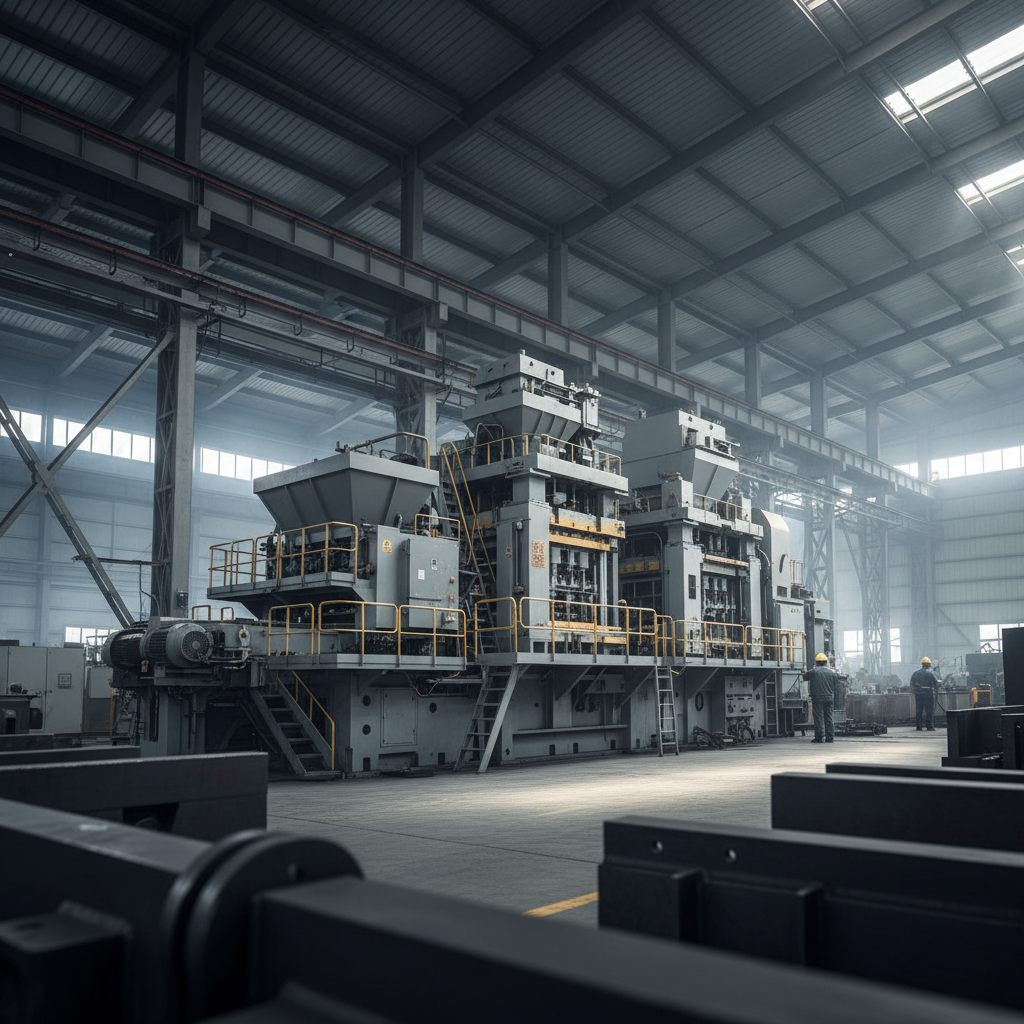
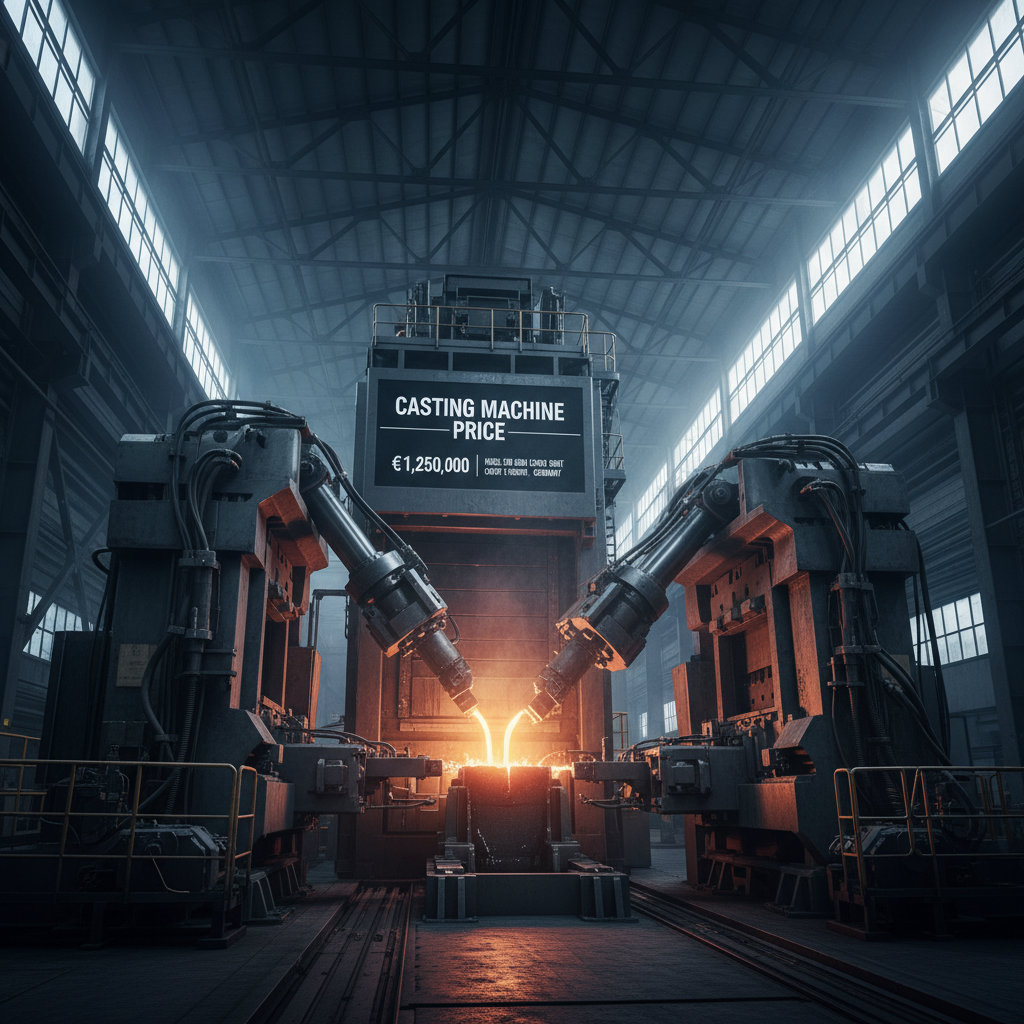
Automation is definitely the biggest trend. Robotics are being used for mold making, core setting, and even pouring. This increases efficiency, improves quality, and reduces labor costs. Digitalization is also playing a role – using sensors and data analytics to monitor and control the process in real-time.
There’s a lot of research going into new binder systems, moving away from traditional clay-based binders towards more environmentally friendly options. Some companies are experimenting with organic binders and even bio-based materials. The goal is to reduce emissions and improve mold performance.
Additive manufacturing – 3D printing – is starting to integrate with the green sand process. Foundries are using 3D-printed patterns to create complex mold designs that would be impossible to achieve with traditional methods. It's a hybrid approach that combines the benefits of both technologies.
Challenges and Solutions
One of the biggest challenges is maintaining consistent sand quality. Variations in sand composition, moisture content, and clay content can lead to defects in the castings. Regular testing and adjustments are essential, but it’s a constant battle. Another challenge is dealing with the inherent variability of natural sand.
To address these challenges, foundries are investing in advanced sand reclamation systems to remove contaminants and restore sand properties. They're also implementing automated process control systems to monitor and adjust key parameters in real-time. Training and education are also crucial – ensuring that foundry personnel have the skills and knowledge to operate the process effectively.
The environmental impact of sand mining is also a growing concern. Foundries are looking for alternative sand sources, such as recycled sand and industrial byproducts. They’re also implementing water conservation measures and reducing emissions.
Core Challenges and Mitigation Strategies in Green Sand Casting
| Challenge Area |
Severity (1-10) |
Mitigation Strategy |
Implementation Cost (1-10) |
| Sand Quality Variation |
8 |
Automated Sand Testing & Blending |
6 |
| Mold Collapse |
7 |
Optimized Clay Content & Compaction |
4 |
| Gas Porosity |
6 |
Improved Venting & Moisture Control |
5 |
| Dimensional Accuracy |
7 |
Pattern Maintenance & Precise Compaction |
3 |
| Sand Reclamation Efficiency |
5 |
Advanced Reclamation Technology Investment |
8 |
| Environmental Impact (Sand Mining) |
9 |
Alternative Sand Sources & Recycling Programs |
7 |
FAQS
The lifespan really depends on the alloy being cast and the complexity of the part. For aluminum, a mold might be good for 50-100 castings. For steel or iron, it could be as few as 10-20. Factors like pouring temperature, mold compaction, and the presence of sharp corners all impact mold life. Regular inspection for cracking and erosion is critical.
Moisture is crucial. Too little, and the sand won't bind properly, leading to mold collapse or poor surface finish. Too much, and you get dissolved gases forming porosity in the casting. The ideal range is typically 3-6%, but it varies depending on the sand composition and clay content. It’s about finding the sweet spot for optimal strength and gas permeability.
Green sand is significantly cheaper, especially for large-scale production. It’s more forgiving and easier to work with, requiring less specialized tooling. Shell molding offers better dimensional accuracy and surface finish, but it comes at a higher cost and complexity. It really boils down to the application and budget.
Sand reclamation is huge. Recovering and reusing sand reduces waste and the need for new materials. Using alternative binders, like organic or bio-based options, minimizes emissions. Implementing water conservation measures reduces water consumption. And proper disposal of waste materials ensures environmental compliance.
Permeability allows gases generated during pouring to escape from the mold. If gases can’t vent, they create porosity in the casting, weakening the part. The right permeability is a balance – you want enough to allow gases to escape, but not so much that the sand loses its strength. It’s dependent on sand grain size and distribution.
Automation is increasing efficiency, reducing labor costs, and improving quality. Robotic mold making, automated core setting, and automated pouring are becoming more common. These technologies minimize human error and ensure consistent process control, leading to more reliable castings. It’s changing the skillset needed in foundries.
Conclusion
The green sand process remains the cornerstone of metal casting, despite advancements in other technologies. Its versatility, cost-effectiveness, and scalability make it indispensable for a wide range of industries. Mastering this process requires a deep understanding of sand properties, process control, and continuous improvement. It's not just about making parts; it's about building a solid foundation for manufacturing.
Looking ahead, the focus will be on sustainability, automation, and digitalization. Foundries that embrace these trends will be well-positioned to thrive in a competitive global market. Investing in advanced technologies, training skilled personnel, and prioritizing environmental responsibility are all essential for ensuring the long-term viability of the green sand process. Visit our website at www.yonghongbq.com to learn more about our green sand solutions.