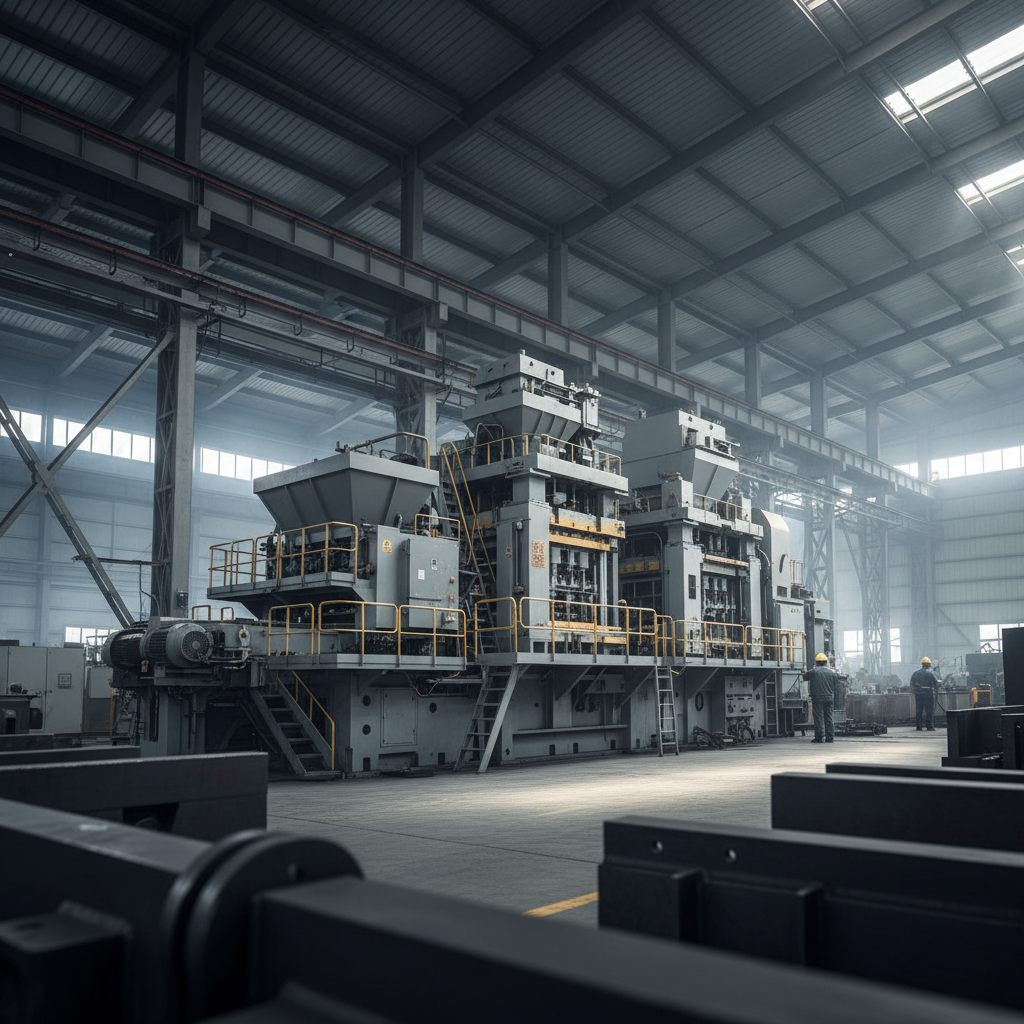
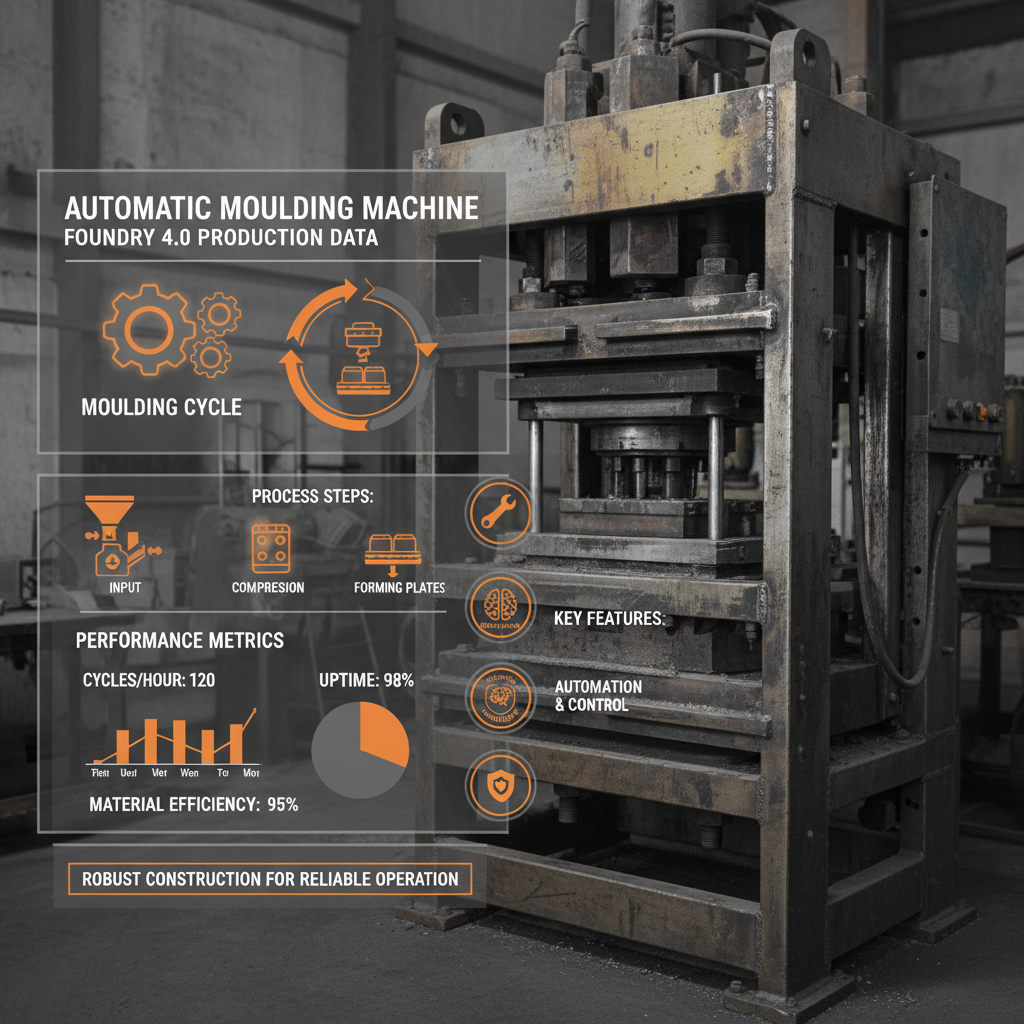
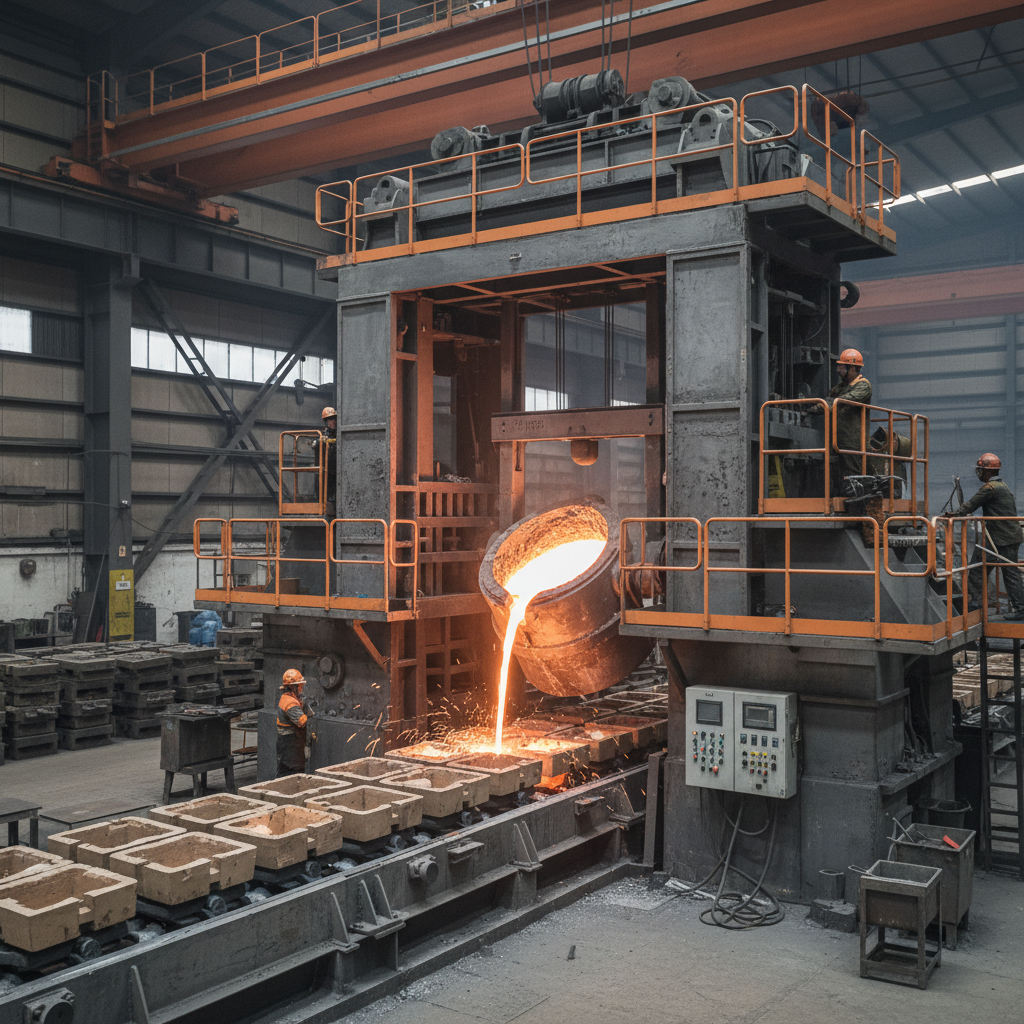
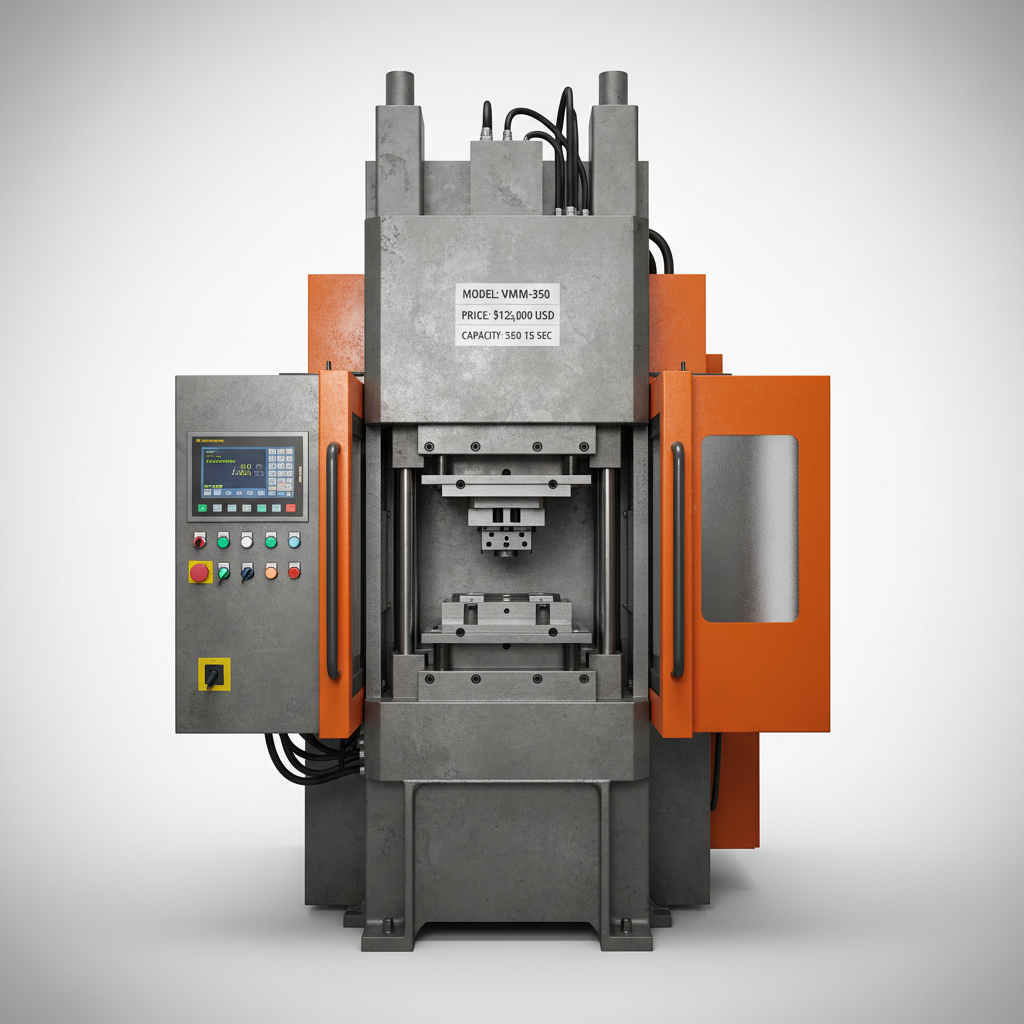
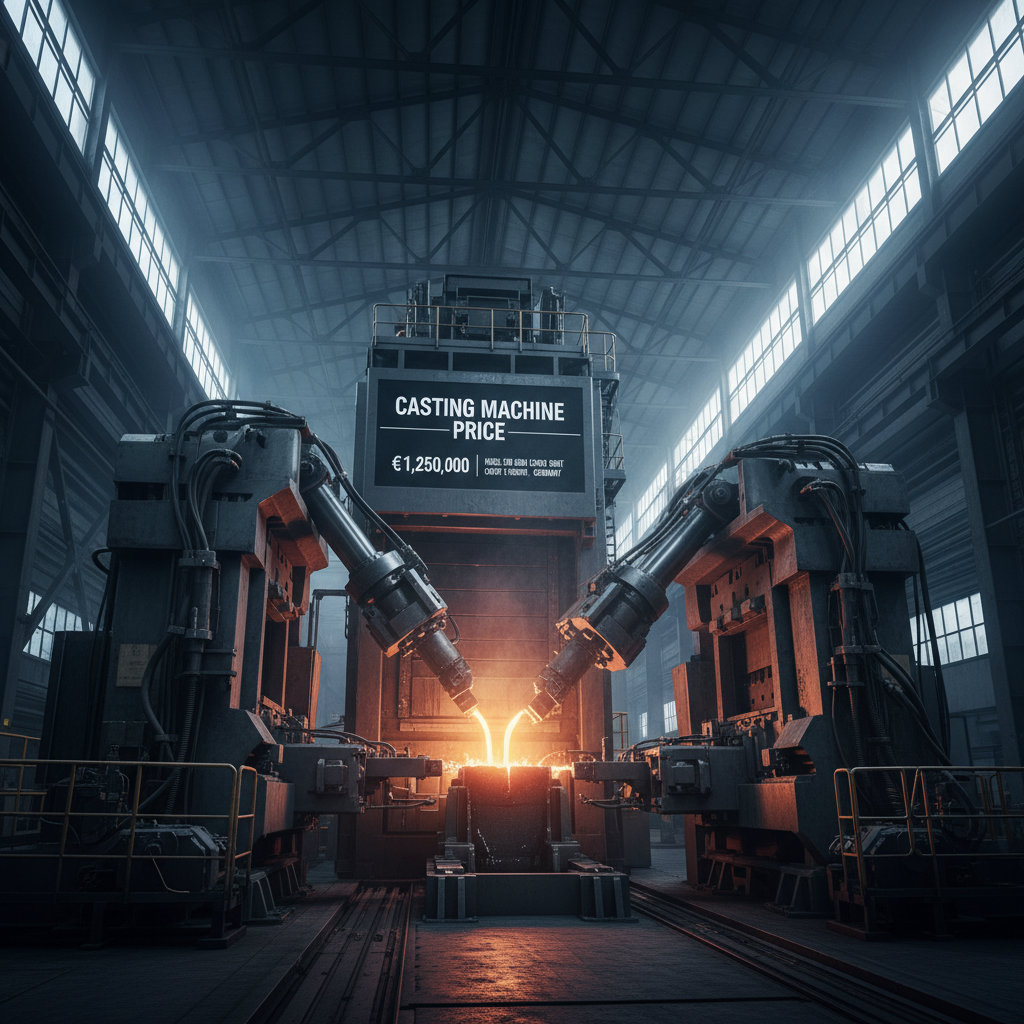
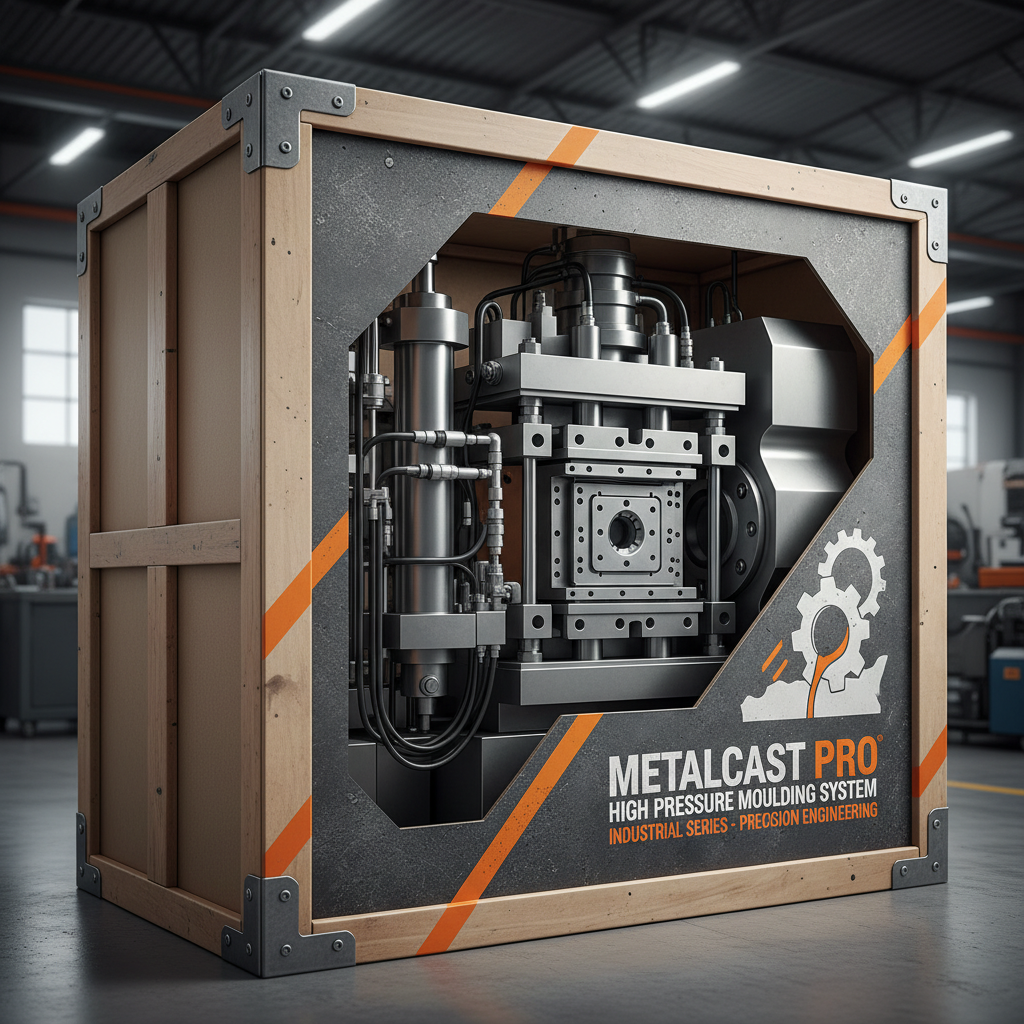
Automatic moulding machines for foundry represent a crucial advancement in modern manufacturing, revolutionizing the process of creating molds used in metal casting. These machines automate the packing of sand around patterns, creating precise and repeatable molds far more efficiently than traditional manual methods. This technology is vital for industries ranging from automotive and aerospace to construction and energy, impacting global supply chains and driving innovation. The increasing demand for precision, higher production rates, and improved worker safety fuels the growing importance of this technology.
The global foundry industry, a cornerstone of materials science and engineering, is increasingly reliant on automated systems like automatic moulding machines for foundry to maintain competitiveness. According to the World Foundry Organization, global foundry production is experiencing steady growth, particularly in Asia-Pacific. This growth is driven by infrastructural development and manufacturing expansion. However, traditional moulding methods struggle to keep pace with these demands, resulting in inconsistencies, high labor costs, and potential environmental concerns. The adoption of these automatic systems addresses these challenges directly.
Automatic moulding machines for foundry offer a sustainable solution by reducing material waste, optimizing energy consumption, and minimizing the need for manual labor. The automation aspect significantly enhances workplace safety, eliminating repetitive and physically demanding tasks. This is not simply about production efficiency; it's about building a more resilient and responsible manufacturing ecosystem.
Introduction to automatic moulding machine for foundry
The core function of an automatic moulding machine for foundry is to create the hollow cavities, known as molds, into which molten metal is poured. Traditionally, this was a labor-intensive and skill-dependent process. However, modern automatic machines utilize a combination of pneumatic, hydraulic, and electronic systems to precisely compact sand around a pattern, resulting in consistent and accurate molds. This precision directly impacts the quality of the final cast product, minimizing defects and reducing the need for costly rework.
These machines aren't simply about automation; they represent a paradigm shift towards intelligent manufacturing within the foundry sector. Advanced systems incorporate features like pattern interchangeability, sand temperature control, and real-time monitoring to optimize the moulding process. The ability to produce complex mold geometries efficiently is critical for meeting the demands of industries requiring high-performance components.
Defining Automatic Moulding Machines for Foundry
An automatic moulding machine for foundry is a mechanized system designed to produce sand molds for metal casting with minimal human intervention. Unlike manual moulding, which relies heavily on operator skill and physical effort, these machines use pre-programmed sequences and automated components to ensure consistent mold quality and production rates. The machines typically consist of a moulding box, a sand compacting mechanism (often using pneumatic or hydraulic pressure), a pattern clamping system, and a core setting apparatus.
The connection to modern industry is profound. Industries like automotive, aerospace, and energy rely on precisely cast components made possible by these machines. For example, engine blocks, turbine blades, and structural components all frequently originate from sand castings produced using automatic moulding technology. Without this automation, the scale and precision required to meet modern manufacturing demands would be unattainable.
These machines aren’t isolated entities; they are integral parts of a broader casting process. They work in conjunction with other foundry equipment, such as melting furnaces, pouring systems, and finishing stations, to deliver complete cast components. The automation of the moulding stage is often the first step towards a fully automated foundry, increasing efficiency and reducing costs across the entire production line.
Key Components and Operational Factors
Several key factors contribute to the effectiveness of an automatic moulding machine for foundry. First is the Sand Compacting System, which determines the density and strength of the mold. Different methods, such as pneumatic ramming, hydraulic squeezing, and vibration, are employed depending on the type of sand and the complexity of the mold. Secondly, the Pattern Design and Clamping Mechanism are critical; accurate patterns and secure clamping ensure the mold faithfully replicates the desired shape.
Another vital aspect is Sand Control and Conditioning. Maintaining consistent sand properties – including moisture content, grain size distribution, and binder levels – is essential for mold quality. Automated sand mixers and reclamation systems are often integrated to ensure optimal sand conditions. Finally, Control Systems and Automation Levels dictate the machine's intelligence and adaptability. Modern machines incorporate programmable logic controllers (PLCs) and sensors to monitor and adjust parameters in real-time.
The integration of these components determines the machine's efficiency and the consistency of the produced molds. Proper maintenance of each system is also crucial for optimal performance and longevity. Regular inspections, lubrication, and component replacement are essential to avoid production downtime and ensure the reliability of the automatic moulding machine for foundry.
Global Applications of Automatic Moulding
Automatic moulding machines for foundry are ubiquitous in major manufacturing hubs worldwide. In the Automotive Industry, they are essential for producing engine blocks, cylinder heads, and transmission housings. In Aerospace, high-precision castings for turbine blades and structural components rely heavily on this technology. The Energy Sector, particularly in the production of wind turbine components, also benefits greatly from the efficiency and accuracy of automatic moulding.
Geographically, China is the largest consumer and producer of automatic moulding machines, driven by its massive manufacturing base. Europe and North America represent significant markets with a focus on high-precision and specialized castings. Emerging economies like India and Brazil are experiencing rapid growth in demand due to expanding industrial sectors.
In remote industrial zones where skilled labor is scarce, automatic moulding machines provide a vital solution for maintaining production capacity. Furthermore, in post-disaster relief operations, the ability to quickly establish local foundries using automated systems can be crucial for manufacturing essential replacement parts and components.
Automatic Moulding Machine Performance Comparison
Advantages and Long-Term Value Proposition
The advantages of adopting an automatic moulding machine for foundry are multifaceted. Tangible benefits include significantly reduced labor costs, increased production rates, and improved mold consistency. Automated systems minimize human error and ensure repeatable results, leading to higher-quality castings and reduced scrap rates. This translates directly into increased profitability for foundries.
From a sustainability perspective, automatic moulding can minimize material waste through precise sand compaction and reclamation systems. Reduced energy consumption and lower emissions contribute to a more environmentally friendly manufacturing process. Moreover, improved worker safety – eliminating the need for manual sand handling – fosters a more responsible and ethical work environment.
Future Trends and Innovation in Foundry Moulding
The future of automatic moulding for foundry is inextricably linked to advancements in digital technologies and materials science. Artificial Intelligence (AI) and Machine Learning (ML) are being integrated into moulding machines to optimize process parameters in real-time, predict potential defects, and improve overall efficiency. 3D Printing is also emerging as a complementary technology, enabling the creation of complex mold patterns with greater speed and flexibility.
Furthermore, the development of new sand materials and binder systems promises to enhance mold strength, reduce gas evolution, and improve casting surface finish. The trend towards Industry 4.0 and the Industrial Internet of Things (IIoT) will see greater connectivity between moulding machines, melting furnaces, and other foundry equipment, enabling seamless data exchange and optimized production workflows.
Challenges and Implementing Solutions
Despite the many benefits, implementing automatic moulding machines for foundry presents certain challenges. The initial capital investment can be significant, particularly for smaller foundries. Integration with existing infrastructure can also be complex, requiring careful planning and potentially modifications to existing layouts.
To address these challenges, foundries can explore financing options and phased implementation strategies. Starting with a smaller, automated cell and gradually expanding automation levels can mitigate the financial risk and minimize disruption. Collaborating with experienced system integrators can ensure seamless integration with existing equipment. Investing in operator training is also crucial to maximize the benefits of the new technology.
Another challenge is maintaining consistent sand quality. Implementing robust sand reclamation and conditioning systems and employing real-time monitoring technologies can help ensure optimal sand properties and minimize variability. Regular maintenance and preventative measures are crucial to extend the lifespan of the machine and prevent costly downtime.
Summary of Challenges and Solutions in Automatic Moulding Machine Implementation
| Challenge |
Impact on Foundry |
Proposed Solution |
Implementation Cost (estimated) |
| High Initial Investment |
Limits accessibility for smaller foundries. |
Explore financing options, phased implementation. |
$50,000 - $200,000 |
| Integration Complexity |
Disrupts existing workflows, potential downtime. |
Partner with experienced system integrators. |
$10,000 - $50,000 |
| Sand Quality Control |
Inconsistent molds, increased defects. |
Invest in sand reclamation & monitoring systems. |
$20,000 - $80,000 |
| Operator Training |
Suboptimal machine performance, safety risks. |
Comprehensive training programs, ongoing support. |
$5,000 - $15,000 |
| Maintenance Requirements |
Unexpected downtime, reduced efficiency. |
Preventative maintenance schedules, spare parts inventory. |
$2,000 - $10,000/year |
| Pattern Design Compatibility |
Existing patterns may require modification. |
CAD/CAM integration for pattern design and modification. |
$10,000 - $30,000 |
FAQS
The ROI for an automatic moulding machine for foundry varies depending on production volume, labor costs, and existing efficiency levels. However, most foundries experience a payback period of 2-5 years due to reduced labor costs, increased production rates, and lower defect rates. A detailed cost-benefit analysis, tailored to your specific foundry operations, is essential for accurate ROI projection. The investment is often justified by the long-term gains in productivity and quality.
While various sand types can be used, silica sand is the most common choice for automatic moulding machines for foundry due to its high strength, thermal stability, and availability. However, olivine sand and chromite sand are also used for specific applications requiring higher heat resistance or specialized properties. The optimal sand selection depends on the metal being cast and the desired mold characteristics. Proper sand conditioning and binder selection are equally crucial.
Automatic moulding machines require regular maintenance to ensure optimal performance and longevity. This includes daily inspections, lubrication of moving parts, air filter replacements, and periodic checks of hydraulic and pneumatic systems. A preventative maintenance schedule, developed in consultation with the machine manufacturer, is highly recommended. Investing in a skilled maintenance technician is essential for minimizing downtime.
Yes, modern automatic moulding machines are capable of producing complex mold designs with intricate geometries. They often incorporate advanced pattern clamping systems and core setting mechanisms to accommodate complex cores and cavities. However, the complexity of the mold design may require adjustments to the moulding process parameters and potentially the use of specialized tooling. CAD/CAM integration simplifies the design and manufacturing process.
Safety is paramount when operating an automatic moulding machine for foundry. Operators should receive comprehensive training on machine operation, safety procedures, and emergency shutdown protocols. Proper guarding and interlocks should be in place to prevent accidental contact with moving parts. Personal protective equipment (PPE), including safety glasses, ear protection, and dust masks, must be worn at all times. Regular safety audits are also essential.
While automation reduces the need for manual labor in some areas, it also creates demand for workers with new skills. Foundry workers will need to be proficient in machine operation, programming, maintenance, and troubleshooting. Data analysis and process optimization skills are also becoming increasingly important. Investing in workforce training and upskilling is crucial for a smooth transition to an automated foundry environment.
Conclusion
Automatic moulding machines for foundry represent a transformative technology for the metal casting industry. By automating the moulding process, these machines enhance production efficiency, improve mold quality, reduce labor costs, and enhance workplace safety. Their widespread adoption is driving innovation and enabling foundries to meet the evolving demands of industries worldwide. The benefits extend beyond mere productivity, impacting sustainability and responsible manufacturing practices.
Looking ahead, the integration of AI, machine learning, and advanced materials will further revolutionize automatic moulding technology. Foundries that embrace these innovations will be well-positioned to thrive in a competitive global market. We encourage you to explore the potential of automatic moulding machines to unlock new levels of efficiency, quality, and profitability for your foundry. Visit our website to learn more about our solutions.