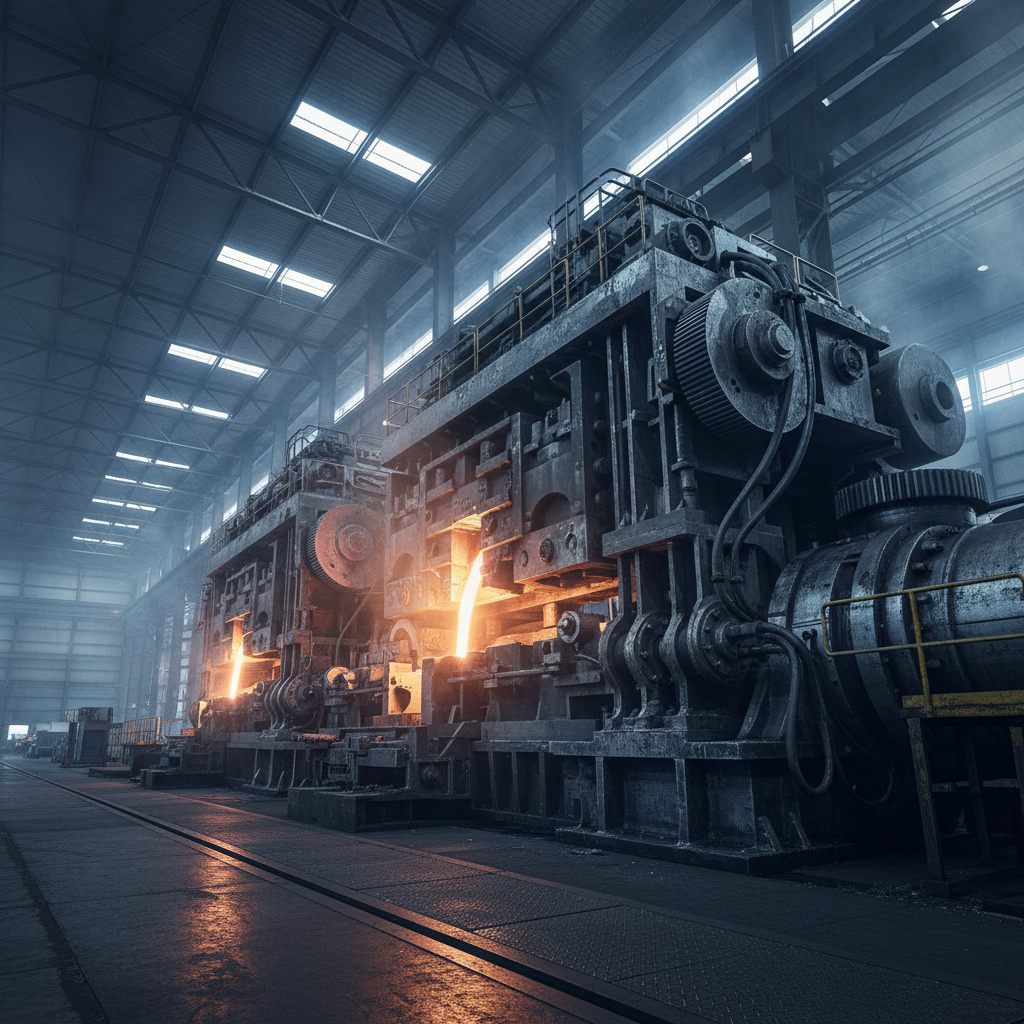
The demand for efficient and durable manufacturing processes has driven the global relevance of the cast iron moulding machine. These machines are fundamental in producing cast iron components crucial for countless industries, from automotive and construction to infrastructure and machinery. The economic impact is substantial, with the cast iron moulding machine market projected for continued growth due to increasing demand from developing economies and advancements in manufacturing technologies. Understanding the capabilities and applications of these machines is vital for engineers, manufacturers, and policymakers alike.
The cast iron moulding machine isn’t simply a relic of traditional manufacturing; it's a continually evolving technology. Its ability to create complex shapes with high precision and material strength makes it indispensable. Modern innovations focus on automation, energy efficiency, and sustainable practices within the moulding process, contributing to reduced waste and improved product quality. Addressing the challenges of maintaining cost-effectiveness while meeting stringent environmental standards is a key driver of ongoing development in this field.
The versatility of cast iron moulding machine allows it to address a wide range of production needs. Its applications extend beyond traditional manufacturing, finding a place in the creation of artistic castings, specialized components for renewable energy systems, and critical parts for infrastructure projects. As industries globally seek robust and reliable materials, the demand for components produced by cast iron moulding machines remains consistently high, solidifying its position as a cornerstone of modern industrial processes.
The Global Significance of cast iron moulding machine
Cast iron moulding machine plays a pivotal role in the global manufacturing landscape, contributing significantly to numerous industries. According to the World Bank, manufacturing accounts for approximately 16% of global GDP, and cast iron components are integral to a substantial portion of this output. The demand is particularly strong in emerging economies undergoing rapid industrialization, such as China and India. These machines are essential for producing everything from engine blocks and pipes to machine tool beds and artistic sculptures.
The challenge lies in balancing the need for increased production with environmental sustainability and cost-efficiency. Traditional moulding processes can be energy-intensive and generate significant waste. Therefore, ongoing research and development efforts are focused on optimizing these machines for reduced energy consumption, improved material utilization, and the adoption of eco-friendly moulding materials. Meeting these challenges is crucial for maintaining the long-term viability and competitiveness of cast iron manufacturing globally.
Defining the cast iron moulding machine
A cast iron moulding machine is a specialized piece of equipment used to create cast iron components by pouring molten iron into a mould. This mould, traditionally made of sand, but increasingly utilizing more advanced materials, defines the shape of the final product. The machine controls the process, ensuring accurate pouring temperatures, consistent mould compaction, and efficient cooling rates. The resulting cast iron parts are known for their strength, durability, and ability to withstand high temperatures.
The connection to modern industry is undeniable. Cast iron remains a vital material in numerous sectors, offering a cost-effective and reliable solution for producing complex parts. It's a fundamental component in infrastructure development, forming the basis for pipes, valves, and support structures. Furthermore, the automotive industry relies heavily on cast iron for engine blocks, brake discs, and exhaust manifolds. Even in a world increasingly embracing new materials, cast iron's inherent properties ensure its continued relevance.
The significance extends beyond merely industrial applications. Cast iron components are found in essential tools and equipment used in various humanitarian efforts, such as water purification systems and agricultural machinery. Its robustness and relative ease of repair make it suitable for challenging environments where access to specialized maintenance may be limited, solidifying its role in addressing fundamental human needs.
Core Components and Operational Principles
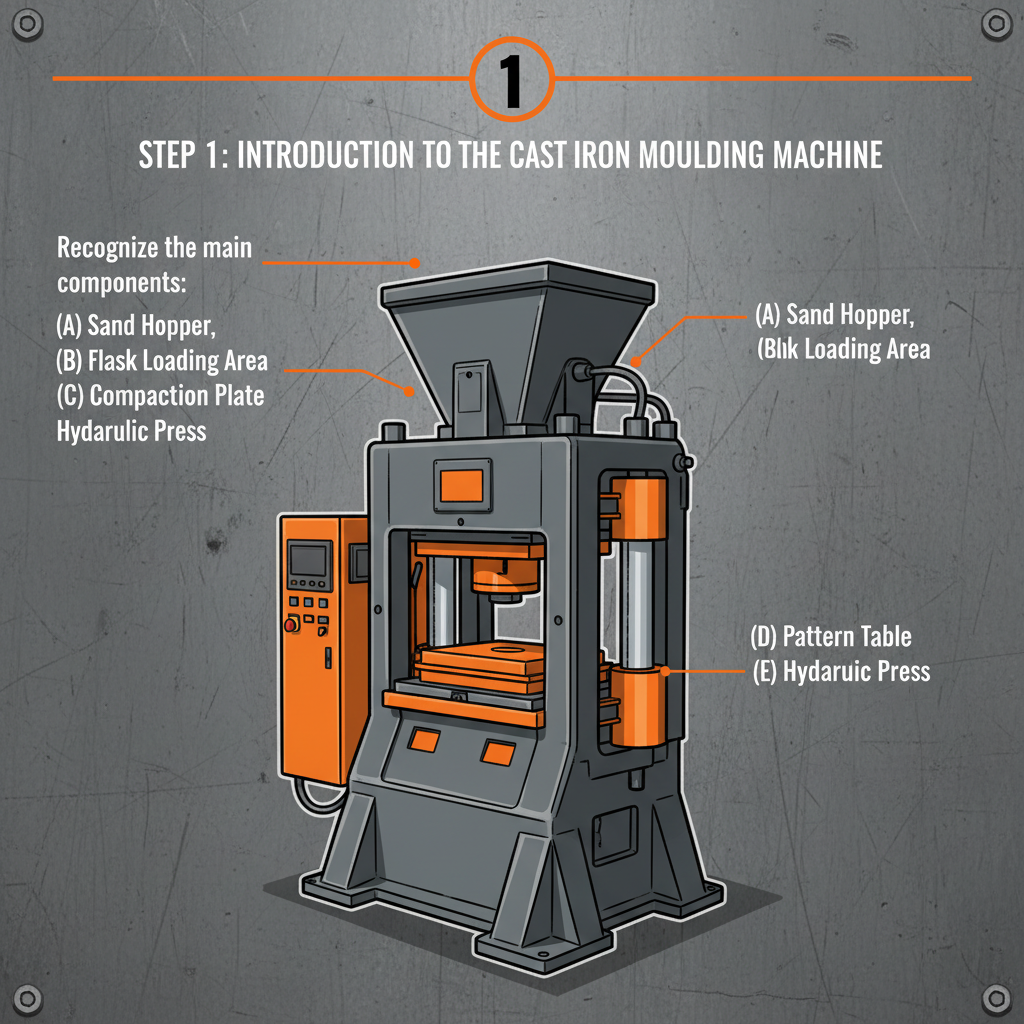
The functionality of a cast iron moulding machine hinges on several key components. These include the mould-making system (which can range from simple sand moulds to more complex resin-bonded or ceramic moulds), the melting furnace (where the cast iron is heated to a liquid state), the pouring system (responsible for controlled and accurate delivery of molten iron), and the cooling system (essential for solidifying the casting). Each component must operate in harmony to ensure the production of high-quality components.
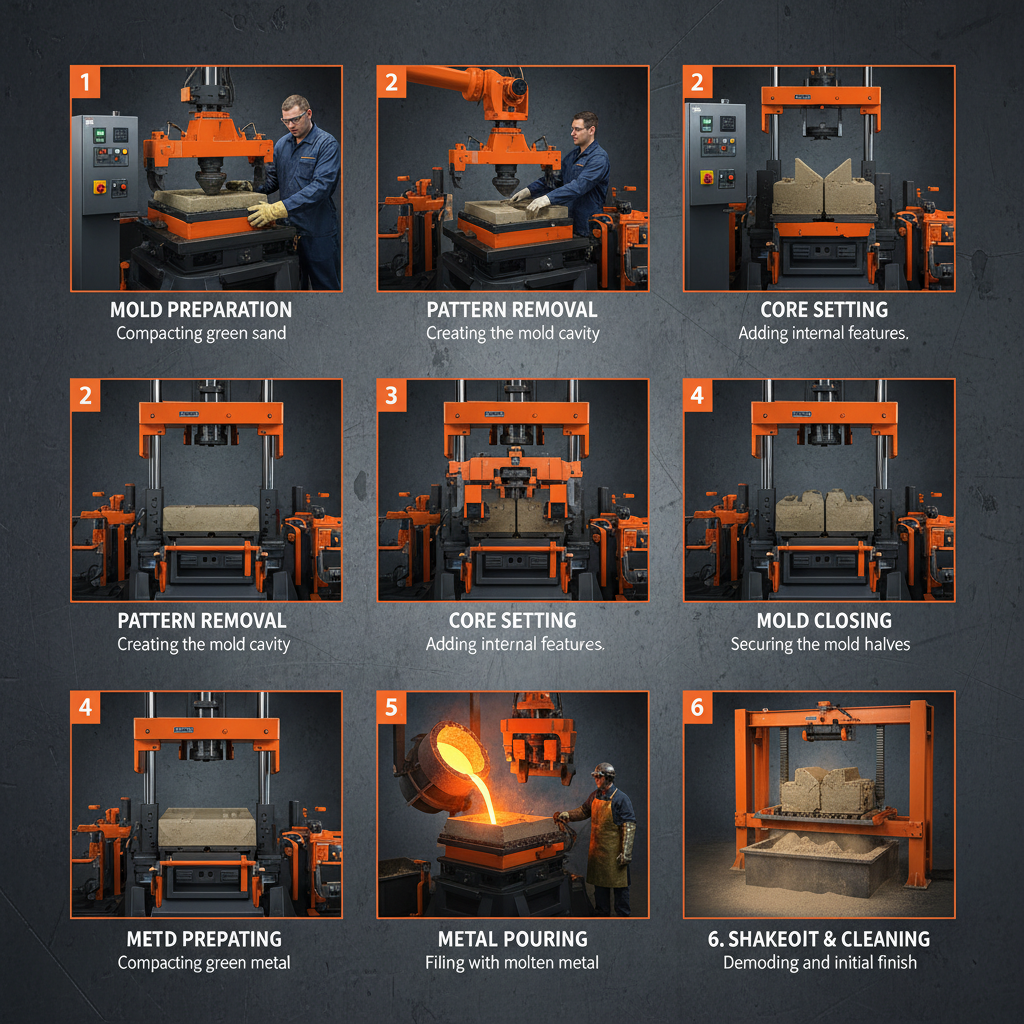
The operational principle is relatively straightforward: a pattern replicating the desired part is used to create a cavity within the mould material. Molten iron is then poured into this cavity, filling the space and taking on the shape of the pattern. Once cooled and solidified, the casting is removed from the mould, and any necessary finishing operations (such as cleaning, machining, or heat treatment) are performed. Different casting methods exist, like sand casting, investment casting, and die casting, each offering varying levels of precision and production efficiency.
The accuracy of the final casting depends heavily on the precision of the pattern, the quality of the mould, and the control of the pouring process. Advanced moulding machines employ computer-aided design (CAD) and computer-aided manufacturing (CAM) technologies to ensure dimensional accuracy and repeatability, leading to reduced scrap rates and improved product consistency.
Key Factors Influencing Performance
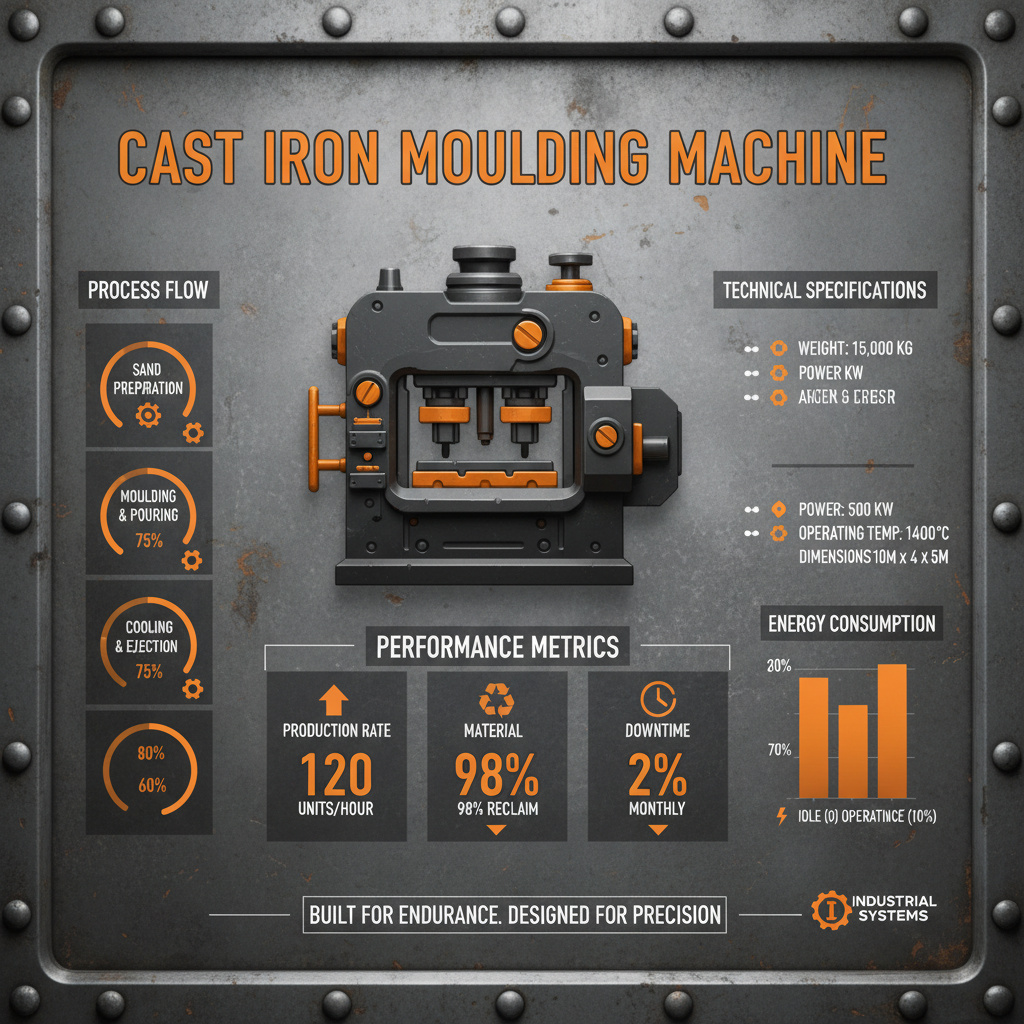
Several factors significantly impact the performance of a cast iron moulding machine. Durability is paramount, as these machines operate in harsh environments with high temperatures and abrasive materials. A robust construction and high-quality components are essential for minimizing downtime and ensuring long-term reliability. Another crucial factor is scalability – the ability to adapt the machine to different production volumes and casting sizes.
Cost-efficiency is also critical. This encompasses not only the initial purchase price of the machine but also the ongoing operating costs, including energy consumption, maintenance, and tooling. Automation plays a key role in improving cost-efficiency by reducing labor requirements and increasing production rates. Furthermore, precision and accuracy directly influence the yield of usable castings, minimizing waste and maximizing material utilization.
Cast Iron Moulding Machine Performance Metrics
Diverse Global Applications
The applications of cast iron components produced by these machines are remarkably diverse and span across numerous industries. The automotive sector utilizes them extensively in engine blocks, cylinder heads, brake rotors, and exhaust systems due to their high strength and heat resistance. The construction industry relies on cast iron pipes, valves, and fittings for water and gas distribution systems, benefiting from their durability and corrosion resistance.
In the energy sector, cast iron components are crucial for power generation equipment, including turbines and pumps. Furthermore, the manufacturing of agricultural machinery, mining equipment, and industrial tools heavily depends on these castings. In post-disaster relief operations, cast iron pipes provide a reliable means for establishing potable water supplies in affected areas, demonstrating their critical role in humanitarian aid.
Geographically, the demand is concentrated in industrial hubs across Asia (China, India, Japan), Europe (Germany, Italy), and North America (United States, Canada). However, increasing infrastructure development in Africa and South America is driving growing demand in these regions as well. Specialized manufacturers are emerging in remote industrial zones, catering to niche markets and providing customized casting solutions.
Advantages and Long-Term Value Proposition
The advantages of utilizing cast iron moulding machines extend beyond the immediate production of components. Cost-effectiveness is a significant benefit, as cast iron is a relatively inexpensive material compared to other metals like steel or aluminum. Furthermore, cast iron exhibits exceptional durability and wear resistance, resulting in long-lasting components that require minimal maintenance. This translates to reduced lifecycle costs for end-users.
From a sustainability perspective, cast iron is highly recyclable, contributing to a circular economy and minimizing environmental impact. The inherent strength of cast iron components also enhances safety, reducing the risk of failures and ensuring reliable performance in critical applications. The continuous innovation in moulding techniques fosters trust in the quality and consistency of the produced castings, building strong relationships between manufacturers and customers.
Future Trends and Innovations in cast iron moulding machine
The future of cast iron moulding machine is being shaped by several key trends. Automation and robotics are becoming increasingly prevalent, enabling higher production rates, improved precision, and reduced labor costs. The integration of digital technologies, such as 3D printing and simulation software, is allowing for faster prototyping and optimized mould designs. Furthermore, research is focused on developing new moulding materials with enhanced properties, such as improved heat resistance and reduced shrinkage.
Green energy initiatives are driving demand for cast iron components used in renewable energy systems, such as wind turbines and hydroelectric power plants. The push for sustainability is also fueling the development of eco-friendly moulding processes that minimize waste and reduce energy consumption. The adoption of Industry 4.0 principles, including data analytics and predictive maintenance, will further optimize the performance and efficiency of cast iron moulding machines.
Challenges and Solutions
Despite its numerous advantages, the cast iron moulding machine industry faces certain challenges. One significant hurdle is the potential for environmental pollution associated with traditional moulding processes, particularly the release of harmful emissions and the generation of waste sand. Another challenge is the need to maintain dimensional accuracy and consistency in large-scale production runs.
Solutions include implementing closed-loop moulding systems that recycle waste sand, investing in advanced filtration technologies to reduce emissions, and utilizing sophisticated process control systems to monitor and optimize moulding parameters. Furthermore, exploring alternative moulding materials, such as geopolymer binders, can significantly reduce the environmental footprint of the process. Collaboration between industry, academia, and government agencies is crucial for driving innovation and addressing these challenges effectively.
Addressing the skilled labor shortage is also crucial, through comprehensive training programs focused on advanced moulding techniques and digital technologies. Investing in research and development to optimize process parameters and improve material properties will ensure the continued competitiveness of the cast iron moulding machine industry in the global market.
Analysis of Key Challenges and Mitigation Strategies in Cast Iron Moulding Machine Operation
| Challenge Category |
Specific Challenge |
Severity (1-10) |
Mitigation Strategy |
| Environmental Impact |
Waste Sand Generation |
8 |
Implement closed-loop sand recycling system. |
| Process Control |
Dimensional Inaccuracy |
7 |
Utilize advanced process monitoring and control systems. |
| Operational Efficiency |
High Energy Consumption |
6 |
Optimize furnace efficiency and implement energy recovery systems. |
| Material Costs |
Fluctuating Iron Prices |
5 |
Negotiate long-term supply contracts and explore alternative iron sources. |
| Workforce Skillset |
Lack of Skilled Operators |
9 |
Invest in comprehensive training programs and apprenticeship opportunities. |
| Maintenance & Reliability |
Equipment Downtime |
7 |
Implement a proactive maintenance schedule and utilize predictive maintenance technologies. |
FAQS
The major cost drivers for a cast iron moulding machine include energy consumption (melting furnace and cooling systems), raw material costs (iron, sand, binders), labor costs for operation and maintenance, tooling costs (moulds and patterns), and the cost of waste disposal. Implementing energy-efficient technologies, optimizing material usage, and automating processes can significantly reduce these expenses. Regular maintenance and preventative measures also minimize costly downtime and repairs.
Automation significantly enhances the quality and consistency of cast iron components. Automated pouring systems ensure precise metal filling, reducing defects like porosity and shrinkage. Automated mould compaction guarantees uniform density, resulting in stronger and more reliable castings. Furthermore, automated inspection systems detect flaws that may be missed by manual inspection, leading to improved product quality and reduced scrap rates.
The selection of a moulding process depends on several factors including production volume, part complexity, dimensional accuracy requirements, and cost constraints. Sand casting is versatile and cost-effective for large parts with moderate precision. Shell moulding offers improved accuracy and surface finish. Die casting is ideal for high-volume production of complex parts with tight tolerances. Evaluating these trade-offs is crucial for selecting the most suitable process for your specific application.
Environmental regulations concerning air emissions (dust, fumes), water discharge, and waste disposal can significantly affect foundry operations. Compliance requires investing in pollution control equipment, implementing waste management practices, and obtaining necessary permits. Increasingly stringent regulations are driving the adoption of cleaner moulding materials, closed-loop recycling systems, and energy-efficient technologies within foundries.
Recent advancements in reducing energy consumption include optimizing furnace designs for improved thermal efficiency, utilizing induction melting technology, implementing heat recovery systems, and utilizing advanced control algorithms to minimize energy waste. Furthermore, the use of energy-efficient cooling systems and reducing the mass of moulds are contributing to lower overall energy demands. Investment in these technologies can lead to substantial cost savings and reduced environmental impact.
Predictive maintenance leverages sensor data and analytical tools to monitor the condition of critical machine components and predict potential failures before they occur. This allows for timely maintenance interventions, preventing costly downtime and extending the machine's lifespan. Techniques like vibration analysis, thermal imaging, and oil analysis are used to identify anomalies and schedule maintenance proactively, maximizing machine reliability and operational efficiency.
Conclusion
The cast iron moulding machine remains an indispensable technology in modern manufacturing, providing a robust and cost-effective solution for producing essential components across diverse industries. From automotive and construction to energy and infrastructure, the ability to create durable, high-quality castings continues to drive innovation and economic growth. Understanding the core components, operational principles, and emerging trends associated with these machines is crucial for manufacturers, engineers, and policymakers alike.
Looking ahead, the future of cast iron moulding machine is characterized by increased automation, digital integration, and a strong emphasis on sustainability. By embracing these advancements and addressing the existing challenges, the industry can unlock new levels of efficiency, productivity, and environmental responsibility. We invite you to explore our range of cast iron moulding machine solutions and discover how we can help you optimize your production processes. Visit our website: cast iron moulding machine.