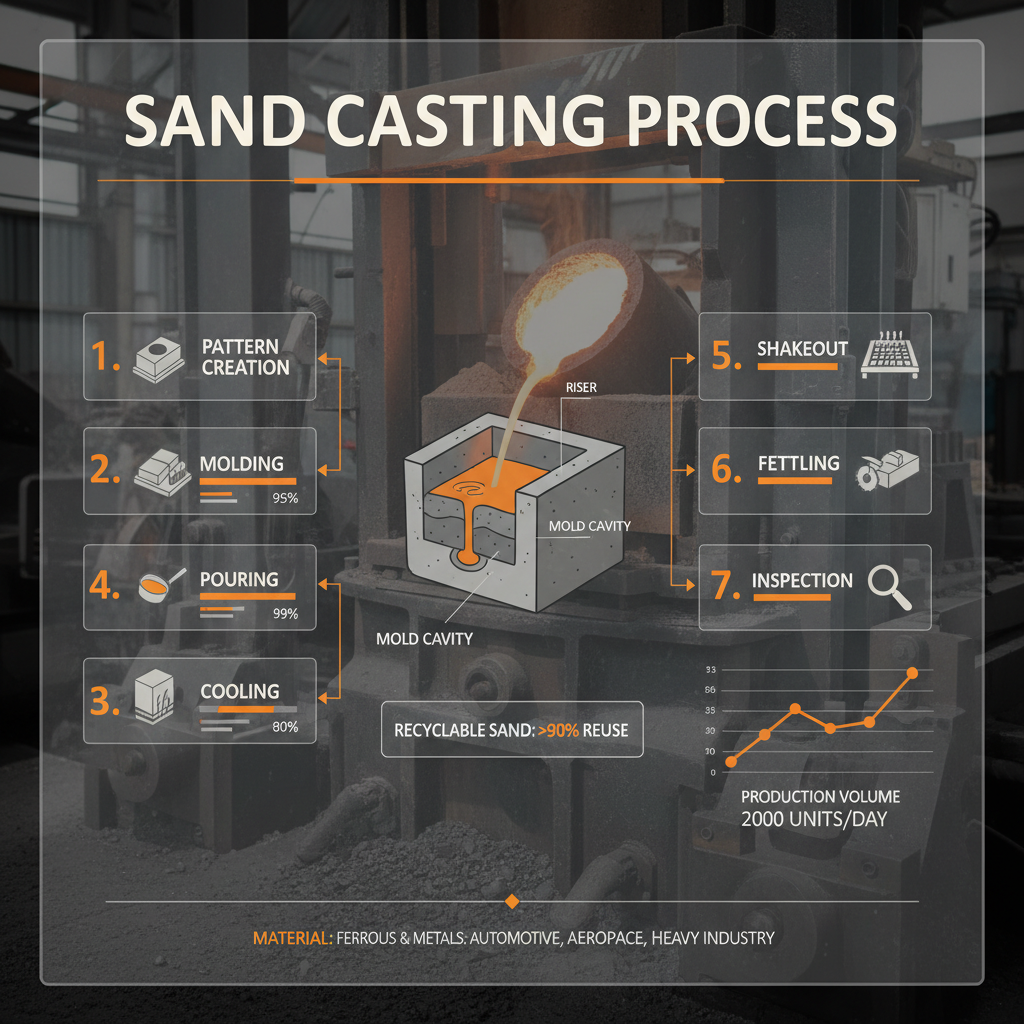
The global demand for efficient and reliable manufacturing processes has spurred significant advancements in sand core making machine technology. These machines are essential components in the metal casting industry, responsible for creating the intricate molds used to produce a vast array of metal parts. From automotive components to aerospace structures, the quality and precision of sand cores directly impact the final product. Understanding the intricacies of sand core making machine technology is crucial for optimizing production, reducing costs, and enhancing the performance of countless industries worldwide.
The historical evolution of sand core making machine has seen a progression from manual methods to highly automated systems. Early techniques were labor-intensive and limited in their ability to produce complex core geometries. However, with the advent of pneumatic and hydraulic systems, followed by computerized control, sand core making machine have become increasingly sophisticated. This evolution has not only increased productivity but also improved the consistency and accuracy of sand cores, leading to higher quality castings and reduced scrap rates.
Today, the market for sand core making machine is driven by factors such as growing industrialization in emerging economies, increasing demand for lightweight materials, and the need for more sustainable manufacturing practices. A well-maintained and efficient sand core making machine is therefore, not merely a production tool but a strategic asset for businesses operating in the modern manufacturing landscape.
Introduction to sand core making machine
Sand core making machine represent a critical intersection of materials science, mechanical engineering, and automated control. These machines are employed in foundries worldwide to produce the cores that define the internal cavities of metal castings. The precision and quality of these cores significantly influence the structural integrity and functionality of the final cast product. A sand core making machine is more than just a piece of equipment; it’s a foundational element of modern manufacturing.
The continuous improvement of sand core making machine is driven by the demands of industries like automotive, aerospace, and energy, which require increasingly complex and high-performance metal components. This demand fuels innovation in core shooting techniques, sand mixing technologies, and automated inspection systems. Consequently, understanding the evolution and current capabilities of these machines is vital for professionals involved in the casting process.
Defining Sand Core Making Machine
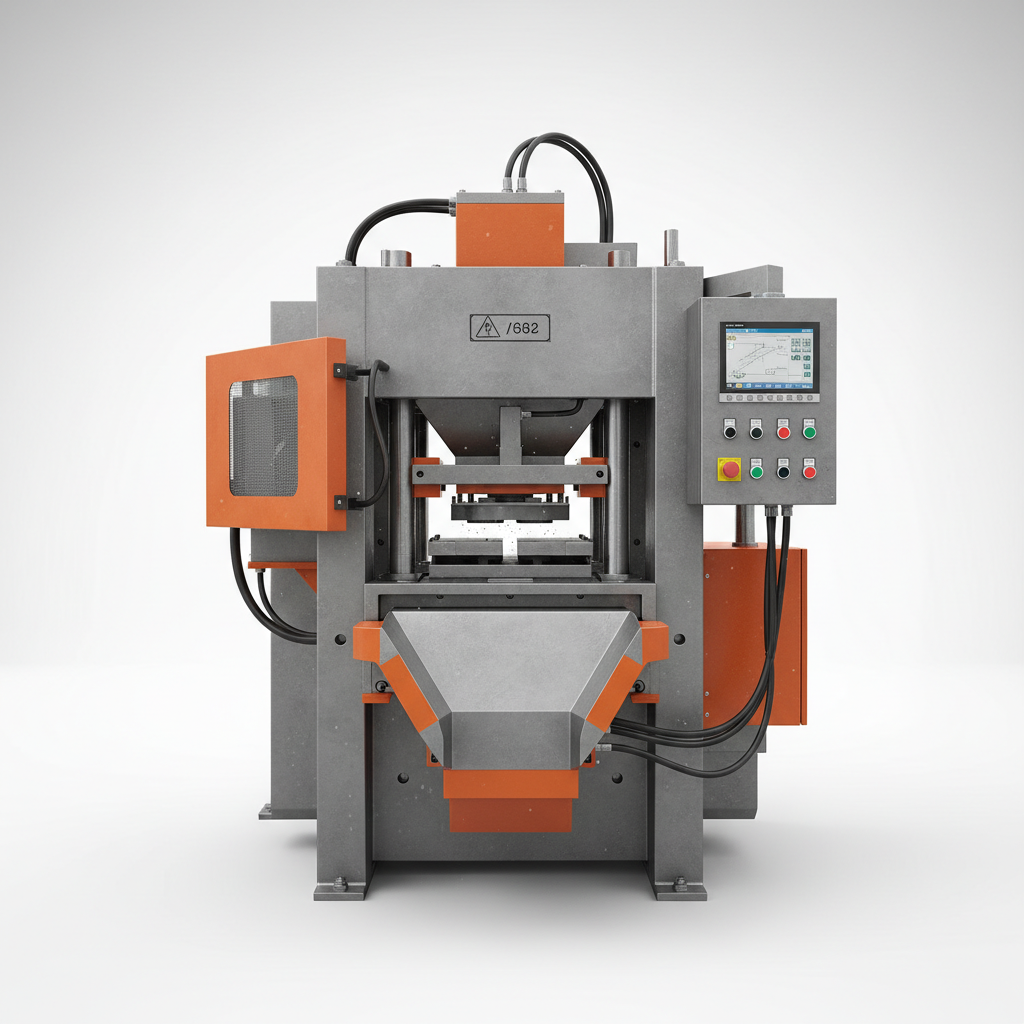
A sand core making machine is a specialized piece of equipment designed to create hollow shapes within a mold cavity during the metal casting process. These cores are typically made from sand, a binder, and various additives that provide the necessary strength and collapsibility. The machine precisely compacts this mixture into the desired core shape using techniques such as core blowing, cold box, hot box, or shell molding. Without these cores, producing intricate metal castings with internal features would be nearly impossible.
The connection between sand core making machine and modern industry lies in their ability to enable the production of complex metal parts that are essential for countless applications. From engine blocks and turbine blades to intricate valve bodies and pump housings, the precision of the sand core directly impacts the functionality and performance of these components. The efficiency of a sand core making machine directly contributes to the overall productivity and cost-effectiveness of the foundry.
In essence, sand core making machine bridge the gap between design and physical realization, allowing engineers to translate their concepts into tangible metal products. They are a fundamental element of the manufacturing ecosystem, enabling innovation and driving progress across diverse industries.
Key Components of a Sand Core Making Machine
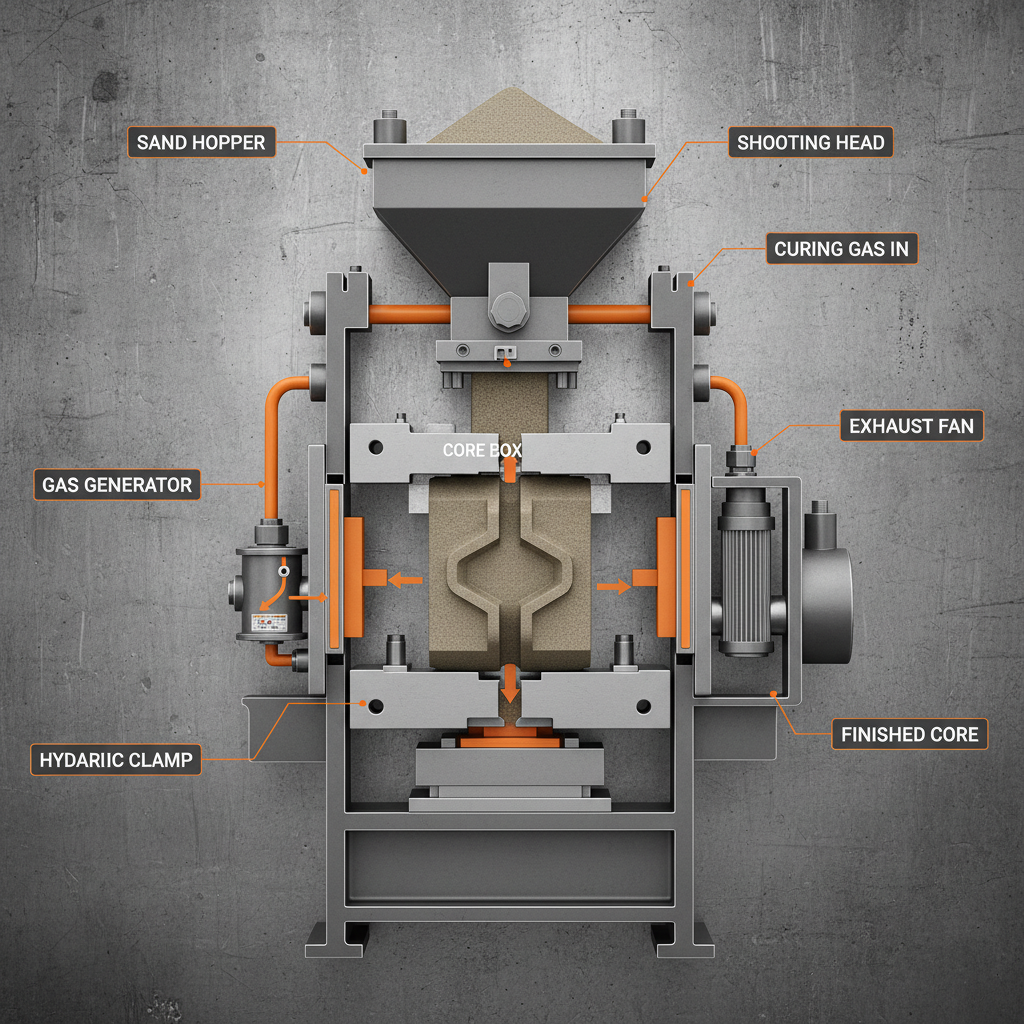
Several key components work in harmony within a sand core making machine to ensure precise and efficient core production. The sand mixing system is crucial, blending sand, binders, and additives to achieve the optimal consistency for core formation. The core shooting head then delivers this mixture into the core box, carefully compacting it to create the desired shape. Precise temperature control systems, particularly in hot box and cold box processes, are also vital for ensuring proper binder curing.
Furthermore, automated core handling systems and quality control mechanisms are increasingly integrated into modern sand core making machine. These systems ensure consistent core dimensions, density, and surface finish. The core box itself, often customized to the specific casting design, is a critical component determining the core’s shape and accuracy. Sophisticated control systems and programmable logic controllers (PLCs) manage the entire process, optimizing efficiency and minimizing errors.
Finally, ventilation and dust collection systems are essential for maintaining a safe and healthy working environment. These systems remove harmful dust and fumes generated during the core making process, protecting operators and ensuring compliance with environmental regulations. The ongoing development and integration of these components continue to improve the performance and reliability of sand core making machine.
Global Applications of Sand Core Making Machine
Sand core making machine are employed in foundries across the globe, serving a diverse range of industries. The automotive sector is a major consumer, utilizing these machines to produce engine blocks, cylinder heads, and transmission housings. The aerospace industry relies on them for creating complex turbine blades and structural components. In the energy sector, sand core making machine are used to manufacture parts for pumps, valves, and other critical equipment.
Geographically, the demand for sand core making machine is particularly strong in regions with robust manufacturing bases, such as China, India, Germany, and the United States. Foundries in these countries are constantly investing in new technologies to improve efficiency, reduce costs, and meet the growing demand for high-quality castings. In post-disaster relief operations, modular and rapidly deployable foundries utilizing sand core making machine can provide on-site production of critical parts.
Moreover, in remote industrial zones where access to traditional manufacturing facilities is limited, sand core making machine can enable local production of essential components, fostering economic development and reducing reliance on imports. The versatility and adaptability of these machines make them an indispensable tool for manufacturers worldwide.
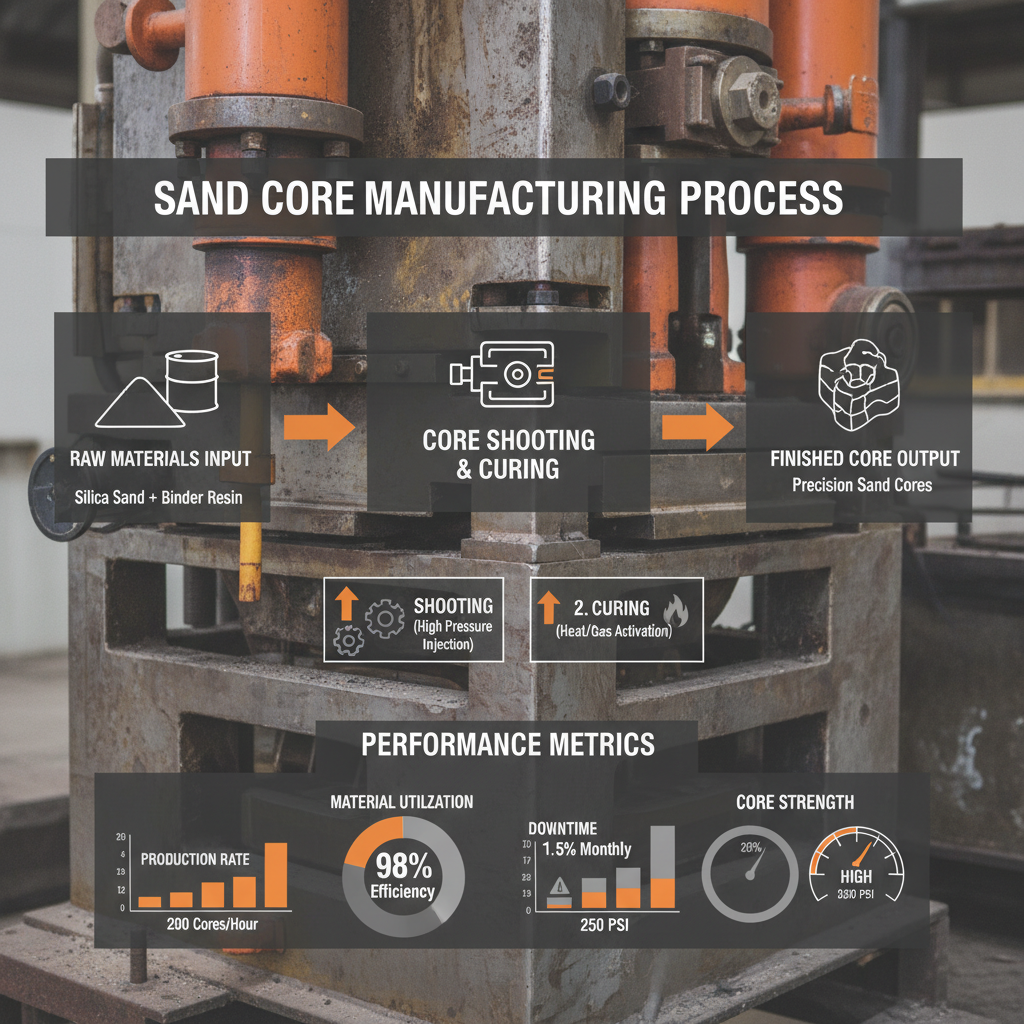
Sand Core Making Machine Performance Metrics
Advantages and Long-Term Value
Investing in a modern sand core making machine yields tangible benefits across multiple dimensions. Cost efficiency is a primary driver, as automated systems reduce labor costs, minimize material waste, and improve production throughput. Sustainability is also enhanced through optimized sand usage and reduced energy consumption. These machines contribute to a safer working environment by minimizing operator exposure to dust and fumes.
From a logical perspective, the increased precision and consistency of sand cores lead to higher quality castings, reducing scrap rates and improving product reliability. From an emotional standpoint, investing in a robust and dependable sand core making machine provides peace of mind, knowing that production will continue smoothly and efficiently. This fosters trust with customers and strengthens the company’s reputation for quality and reliability.
Future Trends in Sand Core Making Machine Technology
The future of sand core making machine technology is poised for significant advancements driven by digital transformation and a focus on sustainability. Additive manufacturing techniques, such as 3D sand printing, are gaining traction, enabling the creation of highly complex core geometries without the need for traditional core boxes. Automation and robotics are also playing an increasingly important role, with robots handling core assembly, inspection, and transportation.
Furthermore, the integration of artificial intelligence (AI) and machine learning (ML) algorithms is enabling predictive maintenance, optimizing process parameters, and improving overall efficiency. The development of new binder systems with reduced VOC emissions and increased recyclability will contribute to more environmentally friendly core production processes.
Challenges and Solutions in Sand Core Production
Despite advancements, sand core production still faces challenges. Maintaining consistent sand quality, minimizing core defects (such as cracks and blowholes), and managing binder costs are ongoing concerns. The need for skilled operators and technicians to maintain and troubleshoot these complex machines is also a significant challenge.
Solutions include implementing rigorous sand quality control procedures, utilizing advanced binder monitoring systems, and investing in comprehensive training programs for operators. The adoption of Industry 4.0 technologies, such as digital twins and remote monitoring, can provide real-time insights into process performance and enable proactive maintenance. Furthermore, collaborative partnerships between machine manufacturers, foundries, and research institutions can accelerate innovation and address these challenges effectively.
Optimizing core designs to minimize material usage and improve collapsibility also contributes to cost savings and environmental sustainability. By proactively addressing these challenges, foundries can maximize the value of their sand core making machine investments.
Summary of Challenges and Solutions in Sand Core Production
| Challenge |
Impact on Production |
Proposed Solution |
Implementation Cost (Scale 1-10) |
| Inconsistent Sand Quality |
Increased Defects, Reduced Core Strength |
Implement Rigorous Sand Testing & Control |
4 |
| Core Defects (Cracks, Blowholes) |
Scrap, Rework, Reduced Casting Integrity |
Optimize Process Parameters (Temperature, Pressure) |
6 |
| High Binder Costs |
Increased Production Costs, Environmental Impact |
Explore Alternative Binder Systems, Optimize Usage |
5 |
| Lack of Skilled Operators |
Increased Downtime, Reduced Efficiency |
Comprehensive Training Programs, Knowledge Transfer |
7 |
| Machine Maintenance Downtime |
Lost Production, Increased Costs |
Implement Predictive Maintenance, Remote Monitoring |
8 |
| Complex Core Design Limitations |
Restricted Design Freedom, Increased Machining |
Invest in Additive Manufacturing (3D Sand Printing) |
9 |
FAQS
Automating sand core production yields several key benefits, including reduced labor costs, increased production throughput, improved core consistency, and enhanced process control. Automated systems minimize human error and optimize material usage, leading to significant cost savings and higher-quality castings. Furthermore, automation creates a safer working environment by reducing operator exposure to dust and fumes.
The core shooting method directly impacts the density, surface finish, and dimensional accuracy of the sand core, which in turn influences the final casting quality. Different methods, such as cold box, hot box, and shell molding, offer varying levels of precision and are suited to different casting geometries. Selecting the appropriate core shooting method is crucial for achieving the desired casting characteristics and minimizing defects.
Regular maintenance is essential for ensuring the longevity and reliability of a sand core making machine. This includes daily cleaning, lubrication of moving parts, inspection of pneumatic and hydraulic systems, and periodic replacement of wear components. Preventive maintenance schedules should be established to minimize downtime and prevent costly repairs. A robust maintenance program helps to maintain consistent core quality.
Environmental considerations in sand core production focus on minimizing waste, reducing VOC emissions, and conserving resources. Utilizing environmentally friendly binder systems, implementing efficient sand recycling programs, and optimizing energy consumption are key strategies. Proper ventilation and dust collection systems are also essential for protecting worker health and complying with environmental regulations.
Advancements in AI and ML are revolutionizing sand core making by enabling predictive maintenance, optimizing process parameters, and improving quality control. AI algorithms can analyze historical data to identify potential equipment failures, allowing for proactive repairs. ML models can optimize sand mixing ratios and core shooting parameters to minimize defects and improve core consistency. Remote monitoring and data analytics provide real-time insights into process performance.
3D sand printing (additive manufacturing) is poised to play a significant role in the future of core making, particularly for complex geometries and low-volume production runs. It eliminates the need for traditional core boxes, allowing for greater design flexibility and faster prototyping. 3D printed cores can also reduce material waste and improve core accuracy. The technology is becoming increasingly cost-effective and accessible for a wider range of foundries.
Conclusion
In conclusion, sand core making machine are indispensable components of modern metal casting processes, enabling the production of intricate and high-quality components across a wide range of industries. Their evolution has been driven by the need for increased efficiency, precision, and sustainability. Understanding the key components, applications, and future trends in sand core making machine technology is crucial for professionals involved in manufacturing and materials science.
Looking ahead, the integration of Industry 4.0 technologies, such as AI, ML, and 3D printing, will further revolutionize sand core production, enabling even greater levels of automation, customization, and environmental responsibility. For businesses seeking to enhance their competitiveness and meet the evolving demands of the market, investing in advanced sand core making machine and embracing innovative technologies is paramount. To explore how a sand core making machine can benefit your operations, visit our website today!