Your casting is getting easier!
link
Telephone:0312-7027666
0%

Table of Contents

The realm of manufacturing relies heavily on efficient and reliable processes, and at the heart of many production lines lies the casting molding machine. This technology, constantly evolving, plays a crucial role in producing components for diverse industries ranging from automotive and aerospace to medical and construction. Understanding the principles and advancements in casting molding machine technology is paramount for optimizing production, reducing costs, and ensuring product quality in a globally competitive market.

The global demand for cast components continues to rise, driven by economic growth in emerging markets and the increasing complexity of modern products. This demand necessitates the development and implementation of sophisticated casting molding machine systems. Statistical data from organizations like the UN and World Bank indicate a consistent increase in manufacturing output, directly correlating with the need for improved casting capabilities. Addressing challenges related to material waste, energy consumption, and production speed within the casting process is vital for sustainable industrial development.

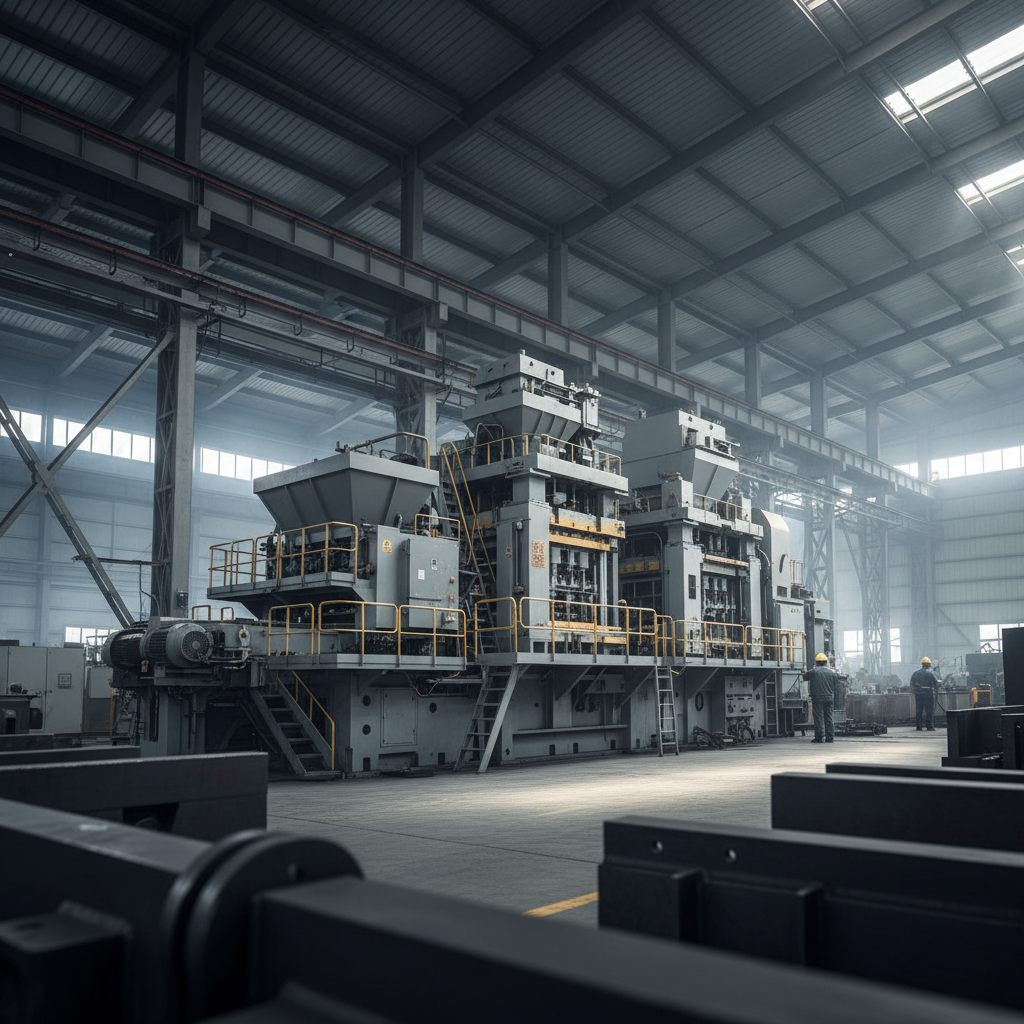
The casting molding machine is, fundamentally, a piece of equipment used to create metal components by pouring molten metal into a mold cavity. This process, known as casting, allows for the production of complex shapes and large components that would be difficult or impossible to manufacture using other methods. From intricate engine parts to large structural elements, casting molding machines enable efficient and cost-effective production, directly contributing to advancements across various sectors and even addressing humanitarian needs through the rapid production of essential components.
Advancements in Casting Molding Machine Technology for Efficient Manufacturing

The Significance of Casting Molding Machines

Advancements in Casting Molding Machine Technology for Efficient Manufacturing

Casting molding machine represents a cornerstone of modern industrial production. Its ability to efficiently and accurately create complex metal parts makes it indispensable for industries like automotive, aerospace, and energy. The economic impact is substantial, supporting supply chains and enabling the manufacture of critical components.

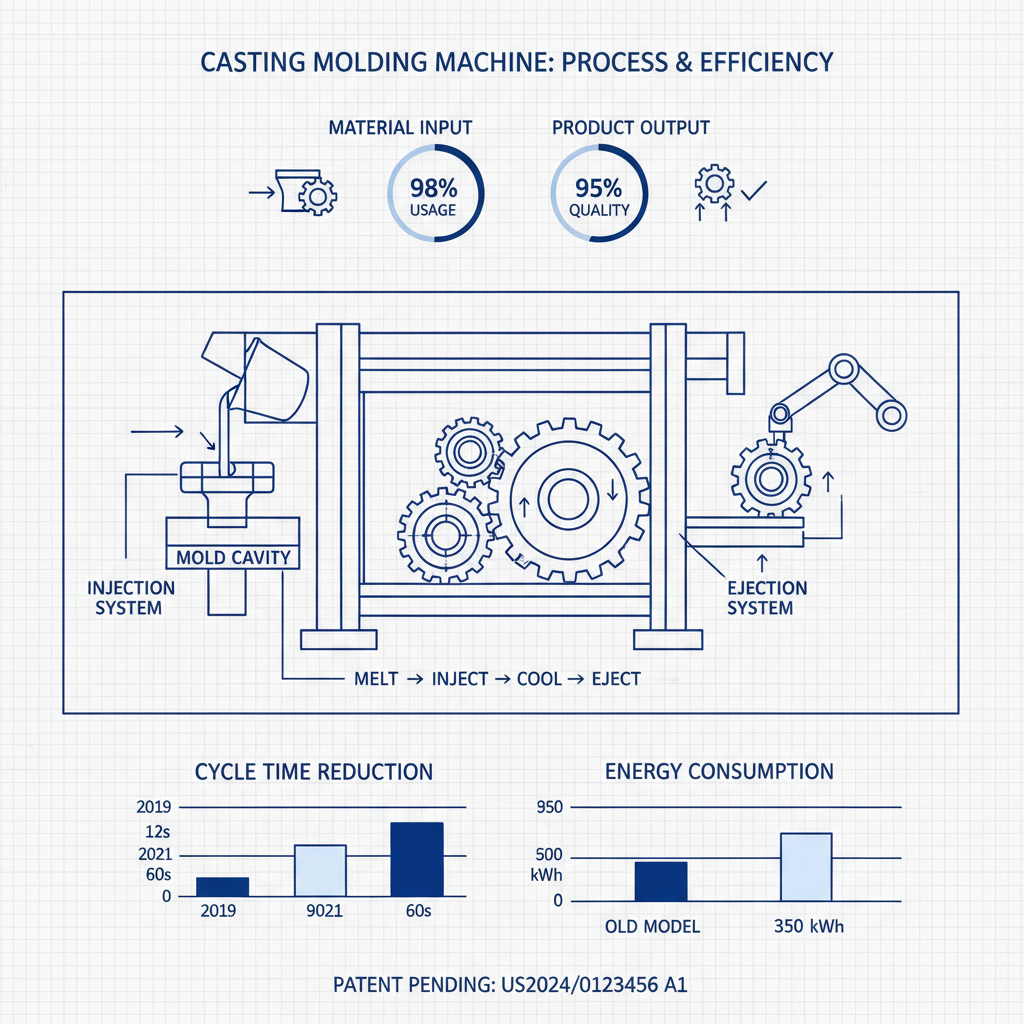
Investing in advanced casting molding machine technology directly translates to increased productivity and reduced production costs. By minimizing material waste and optimizing energy consumption, businesses can improve their bottom line and gain a competitive edge in the global market. Furthermore, the precision of these machines leads to higher quality products, reducing the need for rework and improving customer satisfaction.

Defining Casting Molding Machine Technology

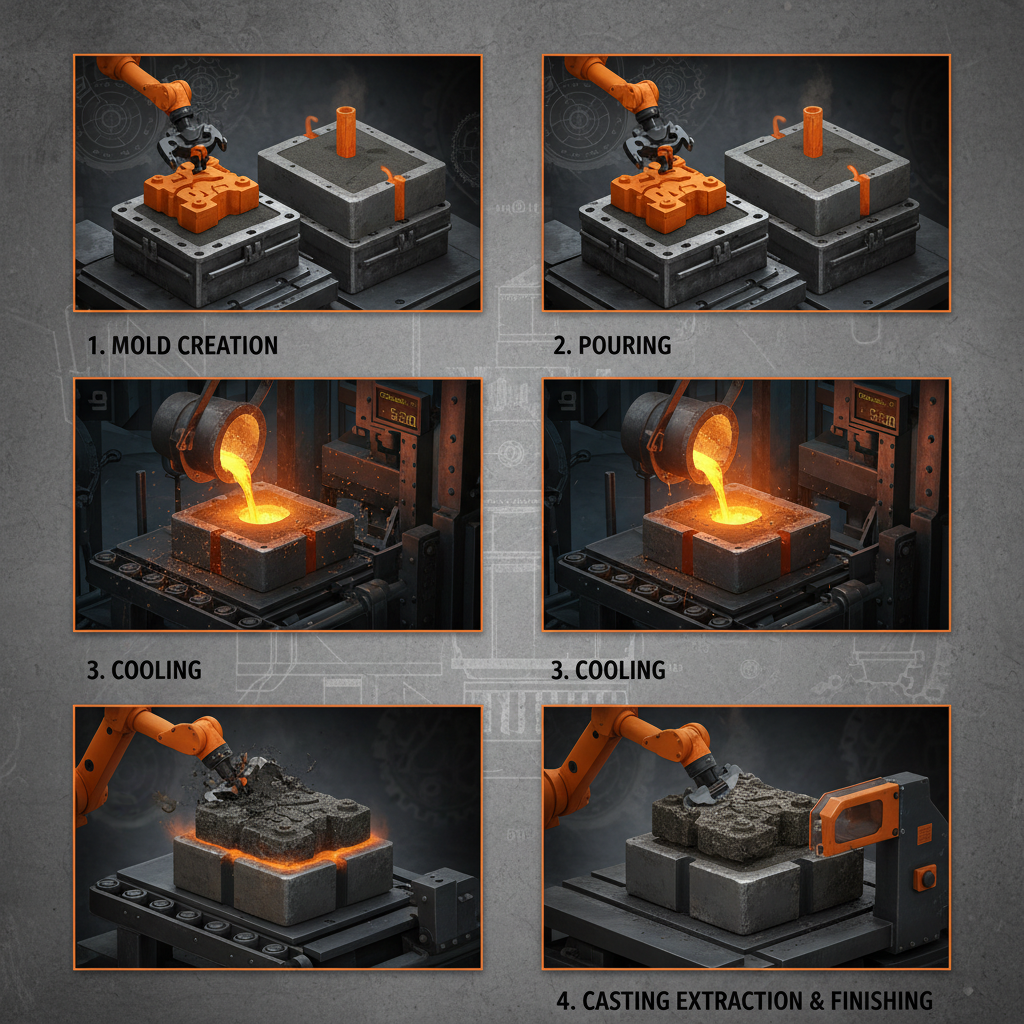
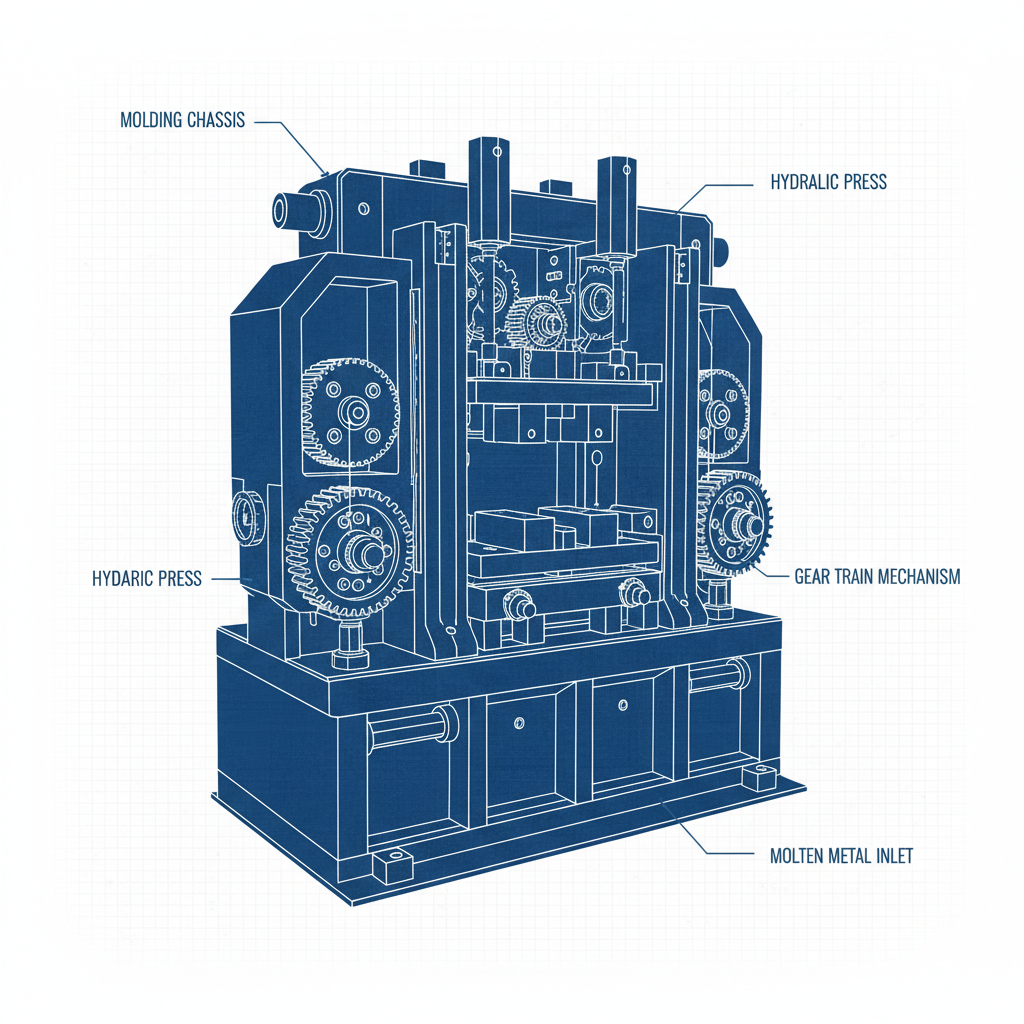
A casting molding machine is essentially a system designed to automate and streamline the process of metal casting. It encompasses various components, including a mold, a pouring system, and cooling mechanisms, all working in concert to create a desired shape. Different types of casting molding machines exist, each suited for specific applications and materials, like die casting, sand casting, and investment casting machines.

The connection to modern industry is undeniable. Casting molding machine enable the mass production of components that would otherwise be prohibitively expensive or impossible to manufacture. The ability to work with a wide range of metals—including aluminum, iron, steel, and alloys—makes it incredibly versatile, addressing the diverse needs of various industrial sectors.

The humanitarian impact extends to the ability to rapidly produce parts for critical infrastructure, medical devices, and disaster relief efforts. The casting molding machine’s adaptability allows for the creation of customized solutions, catering to unique requirements in challenging environments and contributing to global well-being.

Key Factors Influencing Casting Molding Machine Performance

Several key factors dictate the performance and efficiency of a casting molding machine. Durability is paramount, as these machines operate under intense conditions and require robust construction to withstand high temperatures and pressures. A well-built machine ensures longevity and minimizes downtime, reducing operational costs.

Precision is critical for achieving the desired dimensional accuracy and surface finish of cast parts. Advanced control systems and high-quality tooling are essential for maintaining tight tolerances and minimizing defects. Higher precision translates to reduced material waste and improved product performance.

Automation plays a vital role in optimizing production efficiency. Automated pouring, mold handling, and cooling systems reduce labor costs and minimize the risk of human error. Energy efficiency is also increasingly important, with modern machines designed to minimize energy consumption and reduce environmental impact. Material compatibility – the ability to handle a wide range of alloys and metals – is also key. Finally, Maintenance accessibility ensures quick repairs and reduces downtime.

Diverse Applications of Casting Molding Machines

Casting molding machines find application across a vast spectrum of industries. In the automotive sector, they are used to produce engine blocks, cylinder heads, and transmission components. The aerospace industry relies on these machines for creating intricate turbine blades and structural parts.

The medical field utilizes casting molding machines to manufacture surgical instruments, implants, and prosthetic devices, demanding exceptional precision and material purity. The construction industry leverages these machines for producing pipe fittings, valves, and structural components.

Casting Molding Machine Method Comparison


Advantages and Long-Term Value Proposition

The advantages of utilizing casting molding machine are multifaceted. Cost savings are achieved through reduced material waste, lower labor costs, and increased production efficiency. The ability to create complex geometries enables design freedom and innovation.

Sustainability is enhanced by the potential for recycling metal scraps and optimizing energy consumption. The reliability of modern casting molding machines ensures consistent product quality and minimizes downtime, bolstering overall operational efficiency and trust in the final product.

Global Applications and Use Cases

Casting molding machines are employed extensively across various regions, with China being a major manufacturing hub and a significant consumer of these machines. North America and Europe are key markets for high-precision, technologically advanced casting solutions.

In post-disaster relief operations, the rapid production of essential components—like water purification systems or structural supports—can be facilitated by portable casting molding machines. In remote industrial zones, where access to manufactured parts is limited, these machines provide a vital means of local production.

Furthermore, organizations involved in infrastructure development in developing countries leverage casting molding machine for the production of building materials and sanitation systems, contributing to improved living conditions and sustainable growth.

Future Trends and Innovations in Casting Molding

The future of casting molding machine is marked by several exciting trends. Automation and robotics are playing an increasingly prominent role, enabling fully automated casting cells that require minimal human intervention. Digital transformation, through the integration of IoT sensors and data analytics, allows for real-time monitoring and optimization of the casting process.

The development of new materials, such as high-strength alloys and lightweight composites, is driving innovation in casting techniques. Green energy solutions, like the use of electric arc furnaces and renewable energy sources, are reducing the environmental impact of casting operations.

Furthermore, advancements in 3D printing and additive manufacturing are blurring the lines between casting and other manufacturing processes, opening up new possibilities for customized and complex component creation.

Summary of Challenges and Solutions in Casting Molding Machine Operation

Challenge Impact on Casting Quality Proposed Solution Implementation Cost (1-10)
Porosity in Castings Reduced Strength, Potential for Failure Vacuum Casting, Optimized Pouring 7
Mold Material Degradation Dimensional Inaccuracy, Surface Defects High-Temperature Mold Materials, Coatings 6
Inefficient Cooling Increased Cycle Time, Distortion Forced Air Cooling, Water Jackets 5
Material Waste Increased Costs, Environmental Impact Recycling Programs, Optimized Gating 4
Lack of Real-Time Monitoring Difficulty Identifying and Correcting Issues IoT Sensor Integration, Data Analytics 8
Skilled Labor Shortage Reduced Productivity, Increased Errors Automation, Training Programs 9

FAQS

What are the primary benefits of using a casting molding machine compared to other metal forming processes?

Casting molding machines offer advantages in producing complex geometries, handling large part sizes, and working with a wide range of metals. Unlike forging or machining, casting allows for intricate designs without extensive tooling costs. The ability to create near-net-shape parts minimizes material waste and secondary machining operations, leading to significant cost savings. This versatility makes casting ideal for diverse applications from automotive components to aerospace structures.

How does the choice of casting method (die casting, sand casting, etc.) impact the final product's characteristics?

The casting method directly influences the product’s mechanical properties, surface finish, and dimensional accuracy. Die casting excels in producing high-volume parts with excellent detail and tight tolerances, while sand casting is suitable for larger, simpler shapes and offers greater material flexibility. Investment casting delivers exceptional precision and surface quality for complex parts but is typically more expensive. Selecting the appropriate method depends on factors such as production volume, material requirements, and desired precision.

What maintenance procedures are essential for ensuring the longevity of a casting molding machine?

Regular maintenance is crucial for extending the life of a casting molding machine. Key procedures include lubricating moving parts, inspecting and replacing worn components (like molds and dies), checking cooling systems for leaks or blockages, and calibrating control systems. Implementing a preventative maintenance schedule and promptly addressing any issues that arise will minimize downtime and ensure consistent performance.

How can I optimize the casting process to reduce material waste and improve energy efficiency?

Optimizing the casting process involves several strategies. Careful mold design minimizes sprues, runners, and risers, reducing material waste. Implementing a closed-loop recycling system allows for the reuse of scrap metal. Utilizing energy-efficient furnaces and optimizing heating and cooling cycles can significantly reduce energy consumption. Process simulation software can also help identify areas for improvement before production begins.

What safety precautions should be observed when operating a casting molding machine?

Safety is paramount when operating a casting molding machine. Operators should wear appropriate personal protective equipment (PPE), including heat-resistant gloves, eye protection, and respiratory protection. Proper ventilation is essential to remove fumes and gases. Regular safety training should be provided to all personnel, covering emergency procedures and hazard awareness. Adhering to established safety protocols will minimize the risk of accidents and injuries.

How is automation influencing the future of casting molding machine technology?

Automation is revolutionizing casting molding machine technology by enabling fully automated casting cells, reducing labor costs, and increasing efficiency. Robotic systems handle mold changes, pouring, and finishing operations with precision and consistency. Data analytics and machine learning algorithms optimize process parameters in real-time, leading to improved quality and reduced waste. Automation is key to meeting the growing demand for high-quality cast components in a competitive global market.

Conclusion

In conclusion, the casting molding machine remains a critical component of modern manufacturing, enabling the production of intricate metal parts across diverse industries. Its significance lies not only in its versatility and cost-effectiveness but also in its potential for innovation and sustainability. By understanding the key factors influencing performance, embracing emerging technologies, and addressing existing challenges, businesses can unlock the full potential of this powerful technology.

Looking ahead, continued advancements in automation, materials science, and digital integration will further enhance the capabilities of casting molding machine, driving greater efficiency, precision, and sustainability. Investing in these technologies and fostering a culture of continuous improvement is essential for remaining competitive in the rapidly evolving global manufacturing landscape. Visit our website at casting molding machine to learn more about our innovative solutions.
Robert Chen

Robert Chen

Robert Chen serves as the Export Sales Manager for North America at Yonghong Machinery Group. With a strong background in international trade and engineering, Robert has been instrumental in expanding Yonghong’s presence in the US market since 2021. He possesses deep understanding of casting processes and effectively communicates the benefits
Previous Advancements in Sand Core Making Machine Technology for Modern Manufacturing
Next Understanding Vertical Moulding Machine Price for Optimal Production Investment