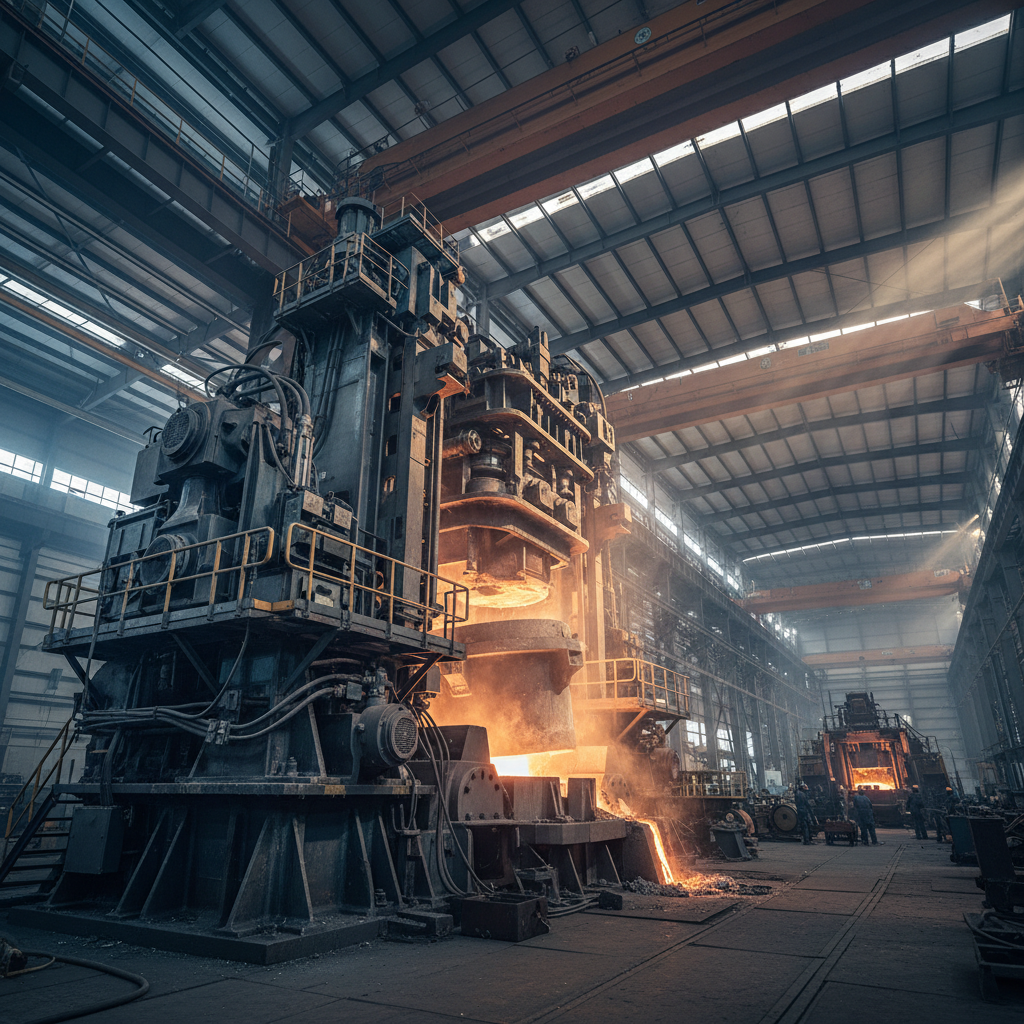
In the complex world of metal fabrication, the quality of sand casting sand serves as the invisible foundation for thousands of industrial components. From heavy-duty engine blocks to intricate artistic sculptures, the ability to control the thermal and structural properties of the mold is what separates a flawless casting from a costly scrap piece. Understanding the synergy between grain size, binder chemistry, and permeability is essential for any foundry aiming for precision and efficiency.
Globally, the demand for high-performance molding materials is surging as industries push toward lighter, stronger, and more heat-resistant alloys. The integration of advanced sand casting sand formulations allows manufacturers to achieve tighter tolerances and superior surface finishes, reducing the need for extensive post-process machining. This shift not only optimizes production timelines but also significantly lowers the carbon footprint of the casting process.
However, the transition to modern casting standards brings a set of challenges, including the need for sustainable sand reclamation and the mitigation of hazardous emissions. By focusing on the science of sand casting sand, foundries can implement intelligent warehousing and sand treatment systems that ensure consistency across thousands of pours, guaranteeing the structural integrity of the final product.
Global Industry Context of Sand Casting Sand
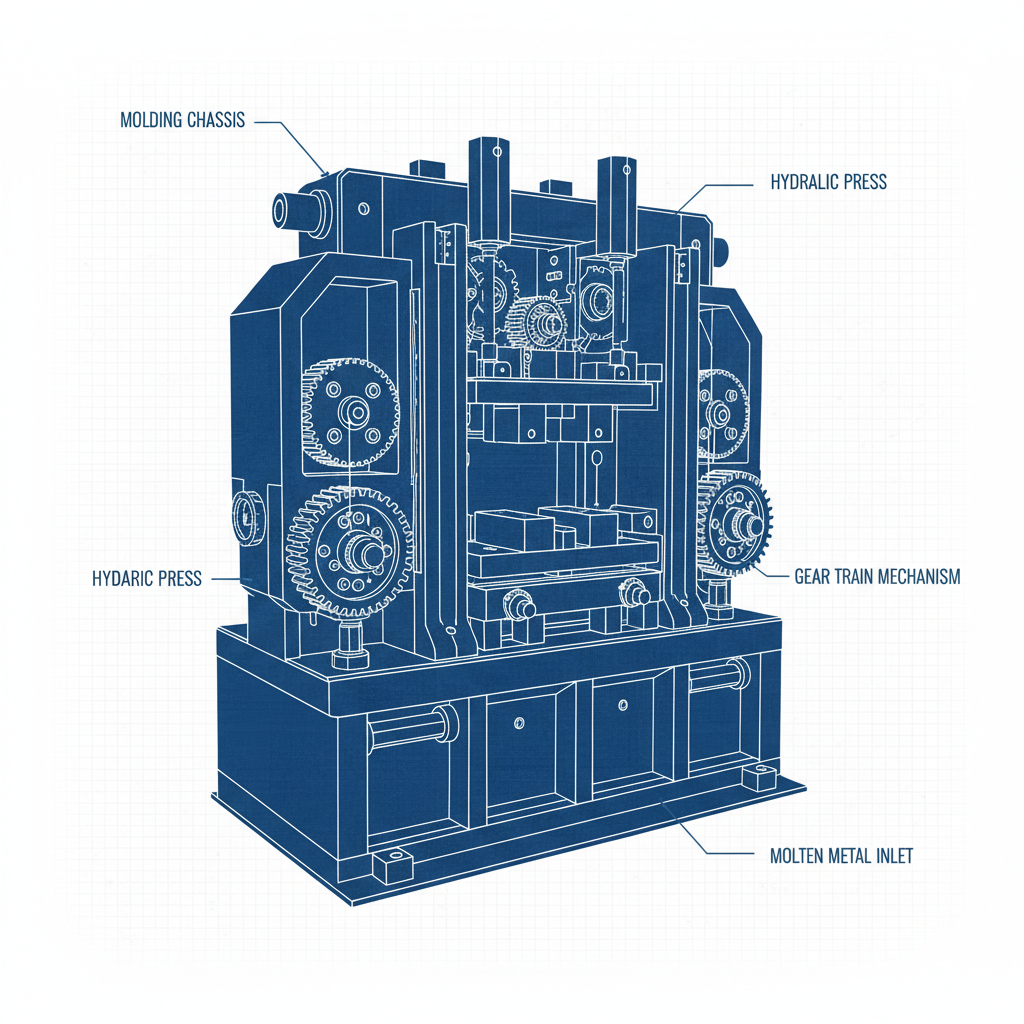
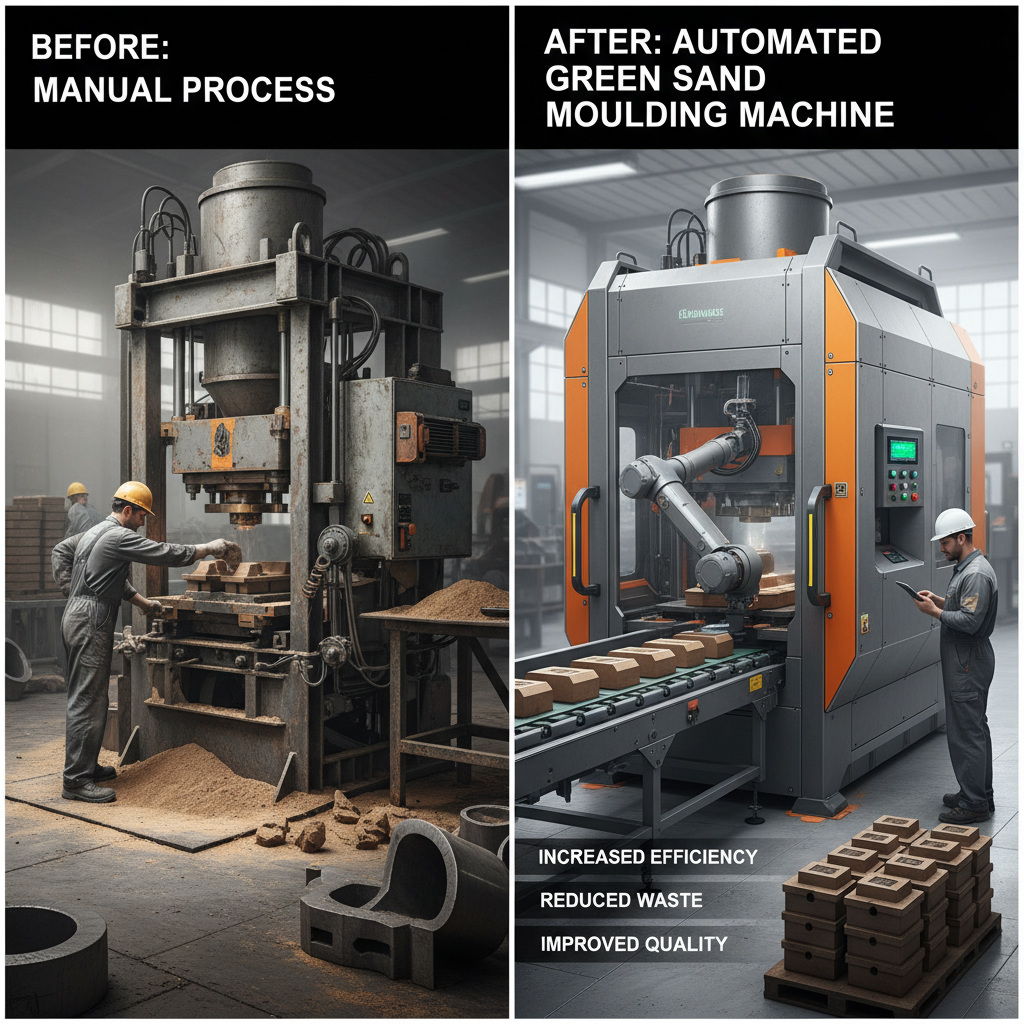
The global metal casting market relies heavily on the stability of sand casting sand to maintain production cycles. According to international manufacturing standards such as ISO 9001 and industry benchmarks, the consistency of the mold material directly correlates with a reduction in casting defects by up to 30%. In regions like East Asia and North America, the transition toward automated molding machines has necessitated a higher grade of standardized sand to ensure compatibility with high-speed pouring systems.
Despite its ubiquity, the industry faces a critical challenge: the scarcity of high-purity silica and the environmental impact of spent foundry sand. This has led to a global movement toward circular economy principles, where the regeneration of sand casting sand is no longer an option but a necessity for sustainable operation. Foundries are now integrating advanced sand treatment and data download capabilities to monitor sand health in real-time, ensuring that every grain performs its role in heat dissipation and gas permeability.
Fundamental Definitions and Industrial Meaning
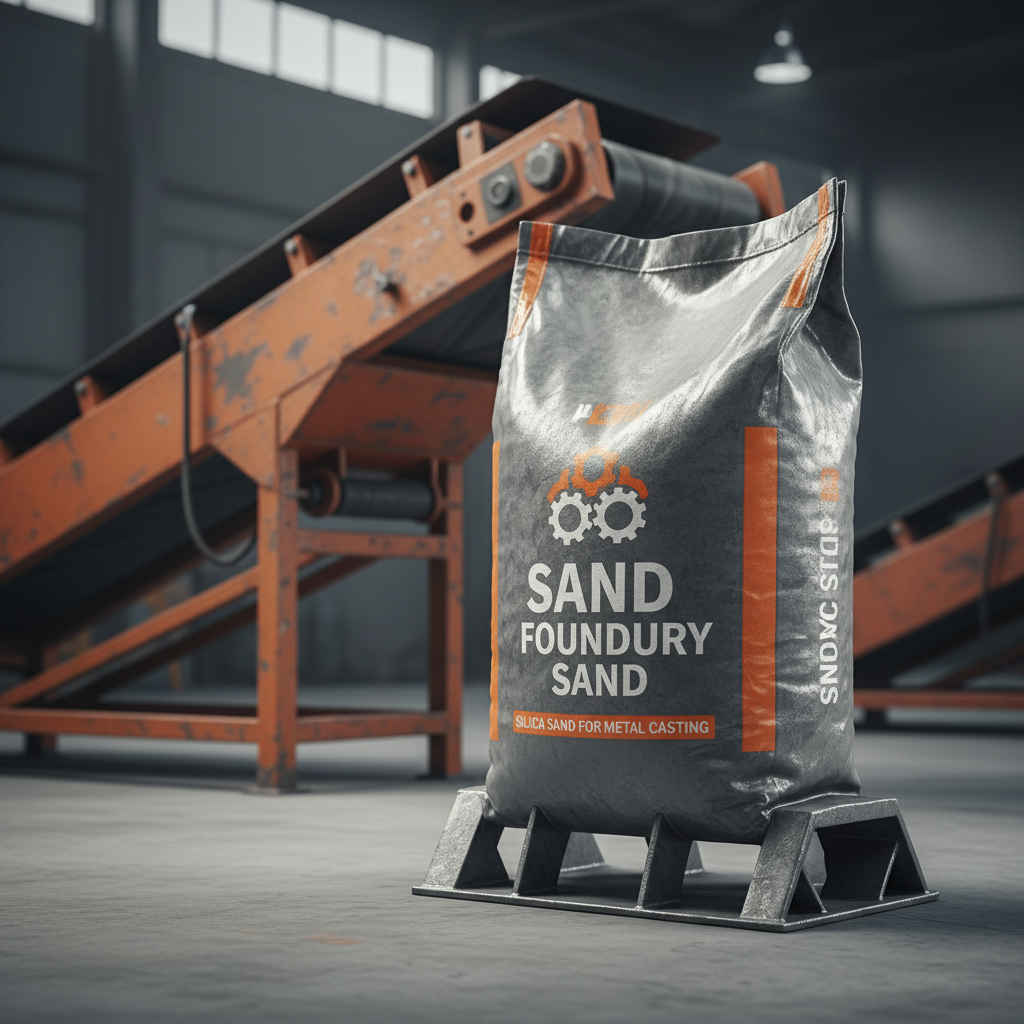
In its simplest form, sand casting sand is a refractory mixture composed of granular material—typically silica, chromite, or zircon—blended with binders such as clay or chemical resins. Its primary purpose is to create a mold that can withstand the extreme temperatures of molten metal while maintaining a precise shape. Unlike permanent molds, sand molds are sacrificial, meaning they are destroyed to retrieve the final part, which allows for the creation of highly complex internal geometries that would be impossible with other methods.
From an industrial perspective, this material is the bridge between a digital CAD design and a physical metal component. The "meaning" of high-quality sand extends beyond the material itself; it represents the ability of a manufacturer to guarantee structural integrity. For instance, in the production of heavy-duty machinery for the mining sector, the use of specialized sand casting sand prevents "blowholes" and "scabs," ensuring that the final part meets rigorous safety standards.
Modern industry has evolved this definition to include "intelligent sand systems." This involves the use of resin sand and cloud platform monitoring to adjust binder ratios on the fly. By treating the sand not as a commodity but as a precision engineered tool, foundries can significantly improve their yield rates and reduce the waste associated with traditional green sand methods.
Core Components and Quality Factors
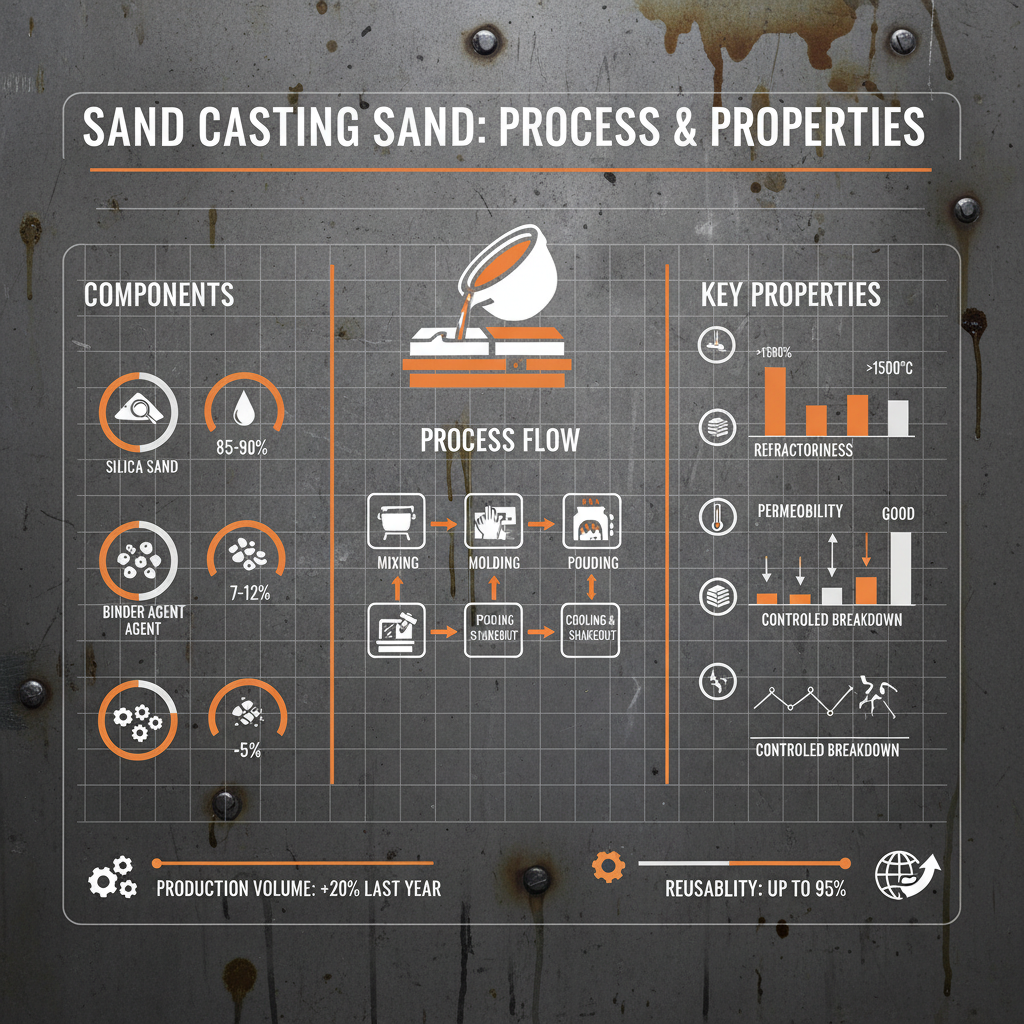
The effectiveness of sand casting sand is primarily determined by its grain size distribution and shape. Round grains typically offer better flowability and higher permeability, whereas angular grains provide superior strength and stability for larger, heavier pours. Achieving the right balance is critical to prevent the mold from collapsing under the hydrostatic pressure of the molten metal.
Another pivotal factor is the binder system. Whether using traditional bentonite clay or advanced chemical resin sand, the binder must provide enough "green strength" to handle the mold before pouring and sufficient "hot strength" to resist erosion during the pour. The interaction between the sand casting sand and the binder determines the surface finish of the casting, influencing how much sanding and polishing is required afterward.
Finally, permeability—the ability of the sand to allow gases to escape—is the ultimate quality benchmark. If the sand casting sand is too densely packed or contains too many fines, trapped gases will create porosities within the metal. This is why rigorous sand treatment and filtration are employed in high-end foundries to maintain a consistent grain profile.
Practical Applications and Global Use Cases
The application of sand casting sand spans across virtually every heavy industry. In the automotive sector, it is used to cast engine blocks and transmission housings, where high thermal stability is required to prevent warping. In the aerospace industry, specialized zircon sands are employed to handle the extreme temperatures of superalloys, ensuring that turbine blades maintain their aerodynamic profiles.
In remote industrial zones or post-disaster relief operations where localized manufacturing is needed, portable sand casting setups provide a lifeline. For example, the ability to cast custom replacement parts for water pumps or generators using locally sourced sand casting sand allows for rapid infrastructure recovery without waiting for international shipping.
Performance Comparison of Different Sand Casting Sand Types
Long-Term Value and Economic Advantages
Investing in premium sand casting sand and accompanying sand treatment systems provides a tangible return on investment through the reduction of scrap rates. In high-volume production, a 2% increase in yield can translate to millions of dollars in annual savings. Beyond the direct costs, the reliability of the sand ensures that deliveries are on time and that the company's reputation for quality remains intact.
Furthermore, the shift toward sustainable resin sand systems reduces the long-term liabilities associated with hazardous waste. By utilizing closed-loop reclamation systems, foundries can reuse up to 95% of their sand casting sand, drastically lowering raw material procurement costs and aligning the business with global ESG (Environmental, Social, and Governance) goals.
Innovations in Modern Sand Casting Technologies
The most significant leap in recent years is the integration of 3D sand printing. This technology allows for the creation of complex cores using sand casting sand without the need for traditional physical patterns. This eliminates the lead time for tooling and allows engineers to iterate designs in hours rather than weeks, fundamentally changing the prototyping phase of heavy machinery manufacturing.
Simultaneously, the rise of the "Smart Foundry" involves the use of cloud platforms and IoT sensors to monitor the moisture and temperature of the sand in real-time. By automating the additive process for binders and additives, foundries can ensure that the sand casting sand is always at its optimal peak performance, regardless of ambient humidity or temperature fluctuations.
We are also seeing the development of bio-binders that replace petroleum-based resins. These eco-friendly alternatives maintain the strength and heat resistance of traditional sand casting sand while ensuring that the emissions during the pouring process are non-toxic and biodegradable, paving the way for a truly green casting industry.
Overcoming Challenges in Sand Management
One of the most persistent challenges in the industry is "sand burnout" and the accumulation of additives that degrade the quality of reclaimed sand. When sand casting sand is reused multiple times, the buildup of carbon and burnt resins can lead to gas defects in the final casting. The solution lies in advanced thermal and mechanical reclamation systems that strip the grains back to their original purity.
Another hurdle is the logistical cost of transporting heavy volumes of sand. To combat this, many enterprises are implementing intelligent warehousing and local sand-sourcing strategies, utilizing data download tools to analyze the chemical composition of local sands and adjusting the binder chemistry to match. This localized approach reduces transportation costs and carbon emissions.
Lastly, the skill gap in sand preparation is a growing concern. To overcome this, the industry is moving toward fully automated pouring machines and molding equipment that remove human error from the equation. By digitizing the "recipe" for the sand casting sand, foundries can maintain consistent quality across different shifts and geographical locations.
Comparative Analysis of Sand Management Strategies
| Management Strategy |
Recovery Rate |
Cost Impact |
Environmental Score |
| Traditional Disposal |
0% |
High (Waste) |
2/10 |
| Mechanical Reclamation |
70-80% |
Moderate |
6/10 |
| Thermal Regeneration |
90-98% |
Initial High CapEx |
9/10 |
| Chemical Cleaning |
60-70% |
Moderate |
5/10 |
| Hybrid Smart Recovery |
95%+ |
Low Operational |
10/10 |
| Bio-Binder Systems |
85-90% |
Competitive |
9/10 |
FAQS
For high-precision parts, Zircon or Chromite sands are typically preferred over standard silica sand. They offer much lower thermal expansion and higher refractory properties, which prevents the mold from shifting during the cooling process, resulting in tighter dimensional tolerances and a smoother surface finish.
Gas porosity is usually caused by poor permeability in the sand casting sand. You can reduce this by optimizing the grain size distribution to avoid too many "fines," ensuring proper venting in the mold design, and controlling the moisture levels of the sand using a cloud platform or precision monitoring tools.
While the raw material cost of resin sand is higher, it is often more cost-effective for complex or low-volume parts. Resin sand provides superior strength and stability, significantly reducing the scrap rate and the need for expensive post-cast machining, which lowers the overall cost per finished part.
The lifespan of sand depends on the reclamation method. Without reclamation, sand is often used once or twice. With mechanical reclamation, it can be used for several cycles. However, with thermal regeneration systems, sand can be recycled almost indefinitely, provided that a small percentage of new sand is added to maintain the grain profile.
The binder acts as the "glue" that holds the sand grains together. It determines the mold's strength (green and hot strength) and its ability to resist the erosive force of flowing molten metal. The choice of binder also affects the ease of "shake-out"—how easily the sand separates from the metal after cooling.
3D sand printing uses a binder jetting process to bond sand casting sand layer by layer. This eliminates the need for traditional patterns and cores, allowing for internal geometries that were previously impossible to manufacture and drastically reducing the time from design to final casting.
Conclusion
The strategic selection and management of sand casting sand are fundamental to the success of any modern foundry. From the critical physics of permeability and grain size to the economic impact of sustainable reclamation, the quality of the sand determines the quality of the final metal component. By integrating advanced binders, automated molding machines, and digital monitoring systems, manufacturers can transform a traditional process into a high-precision industrial science.
Looking forward, the industry will continue to move toward "zero-waste" casting through the adoption of bio-binders and AI-driven sand optimization. For companies seeking to remain competitive in a global market, prioritizing the health and consistency of their molding materials is the most reliable path to increasing yield and reducing costs. To explore high-performance solutions for your casting needs, visit our website: www.yonghongbq.com