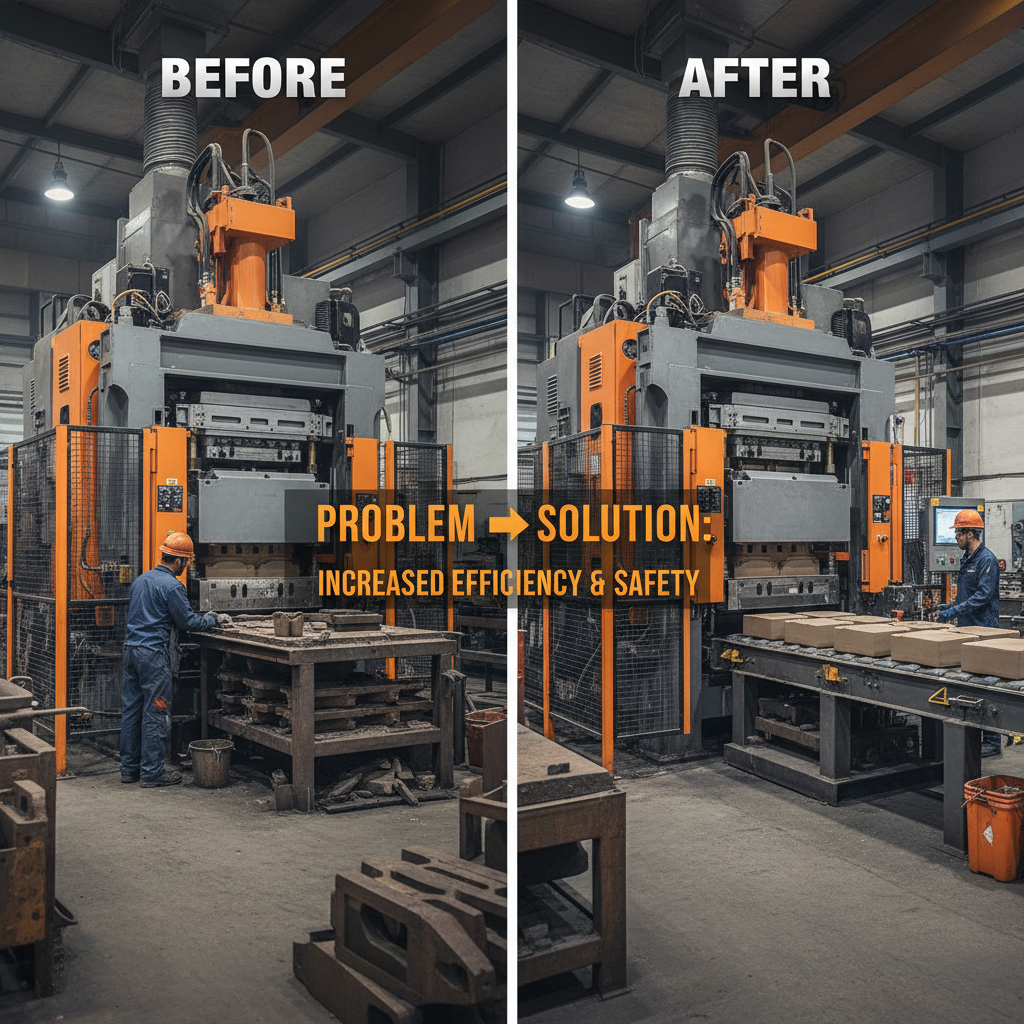
Look, I've been running around construction sites for fifteen years, and things are changing fast. It used to be, you knew what you were getting – same suppliers, same materials. Now? Everyone’s chasing the newest “innovation.” To be honest, a lot of it's just marketing hype. Everyone's talking about prefabrication, modular construction, and these new composite materials... It’s all geared towards speed and reducing labor, which, okay, makes sense. But you quickly learn there’s always a trade-off.
What gets me is how easily people fall into design traps. Like, they'll design a beautiful facade, completely ignoring how it's going to actually go up on site. Have you noticed? They create these intricate details that require specialized tools and a team of incredibly skilled workers…who, let's be real, are already in short supply. Then they wonder why the project's over budget and behind schedule. It's maddening.
And the materials… don’t even get me started. Everyone’s raving about these new fiber-reinforced polymers, right? Lightweight, strong, corrosion-resistant. Great on paper. But I encountered this at the Xinguang factory last time - the smell! Like burning plastic. And getting it cut cleanly? Forget about it. You need diamond blades, and even then, it frays. It’s not like working with steel, you know? Steel smells like…well, steel. It feels solid. With these new materials, you’re always second-guessing yourself.
Industry Trends and Design Pitfalls
Strangely enough, everyone’s chasing automation, which is fine, but they forget the human element. A machine can’t adapt to a slightly misaligned foundation. A machine can’t smell a hidden defect in the concrete. It needs a skilled operator, and those guys are getting harder to find. And let’s talk about Building Information Modeling (BIM)… wonderful idea, in theory. But if the data going into the BIM model is inaccurate, you're just creating a beautifully rendered pile of garbage.
I’ve seen projects grind to a halt because the BIM model didn’t account for the actual sequence of construction. They designed the plumbing to go in after the walls were up, when, in reality, it needs to go in before. Little things, but they add up. Anyway, I think the biggest trend, and the most concerning, is the push for speed at the expense of quality.
Material Deep Dive: Beyond the Specs
So, you're looking at casting machine supplier, right? It’s not just about tensile strength and yield point. It’s about how it feels in your hand. It's about the way it welds. It’s about whether it’s going to warp in the sun. High-strength steel is great, but if it's brittle, it'll crack under stress. You need ductility. And don't even get me started on corrosion resistance. Galvanized steel is okay, but it’s not a long-term solution. You need stainless steel or, better yet, a properly applied coating.
We’ve been experimenting with different alloy combinations, trying to find the sweet spot between strength, weldability, and cost. A lot of the newer alloys require specialized welding techniques, which, again, adds to the complexity and cost. And the suppliers... some of them are pushing materials that haven’t been thoroughly tested in real-world conditions. You gotta be careful.
Then you have the question of sustainability. Everyone wants "green" materials, but often, the environmental impact of manufacturing and transporting them outweighs any benefits. It’s a complex issue, and there are no easy answers.
Real-World Testing: Forget the Lab
Lab testing is fine, I guess. But it doesn't tell you how a material is going to behave after five years of exposure to the elements, or after being repeatedly stressed and strained. I prefer to see things tested on site. We've started doing destructive testing on leftover material from projects, just to see how it holds up. It's not scientific, but it gives you a gut feeling.
I remember one project where we used a new type of high-strength concrete. The lab tests were amazing. But on site, we started noticing hairline cracks appearing in the columns. Turned out, the concrete was too stiff, and it couldn’t handle the thermal expansion and contraction. We had to reinforce the columns with steel banding, which was a major headache.
The best test, honestly, is time. If a material lasts for ten years without showing any signs of deterioration, you know you’ve got something good. But unfortunately, we don’t always have ten years to wait.
How It's Actually Used
This is where things get interesting. You design something to be used a certain way, but then the workers find a different way to do it. They’ll use it as a makeshift hammer, or a lever, or a shim. They’ll bend it, twist it, and abuse it in ways you never imagined. You have to design for that.
I saw a crew using a stack of casting machine supplier as a temporary support for a heavy beam. Completely against the manufacturer's recommendations, of course. But they needed a quick fix, and it worked. It’s that kind of ingenuity—and disregard for the rules—that keeps me up at night.
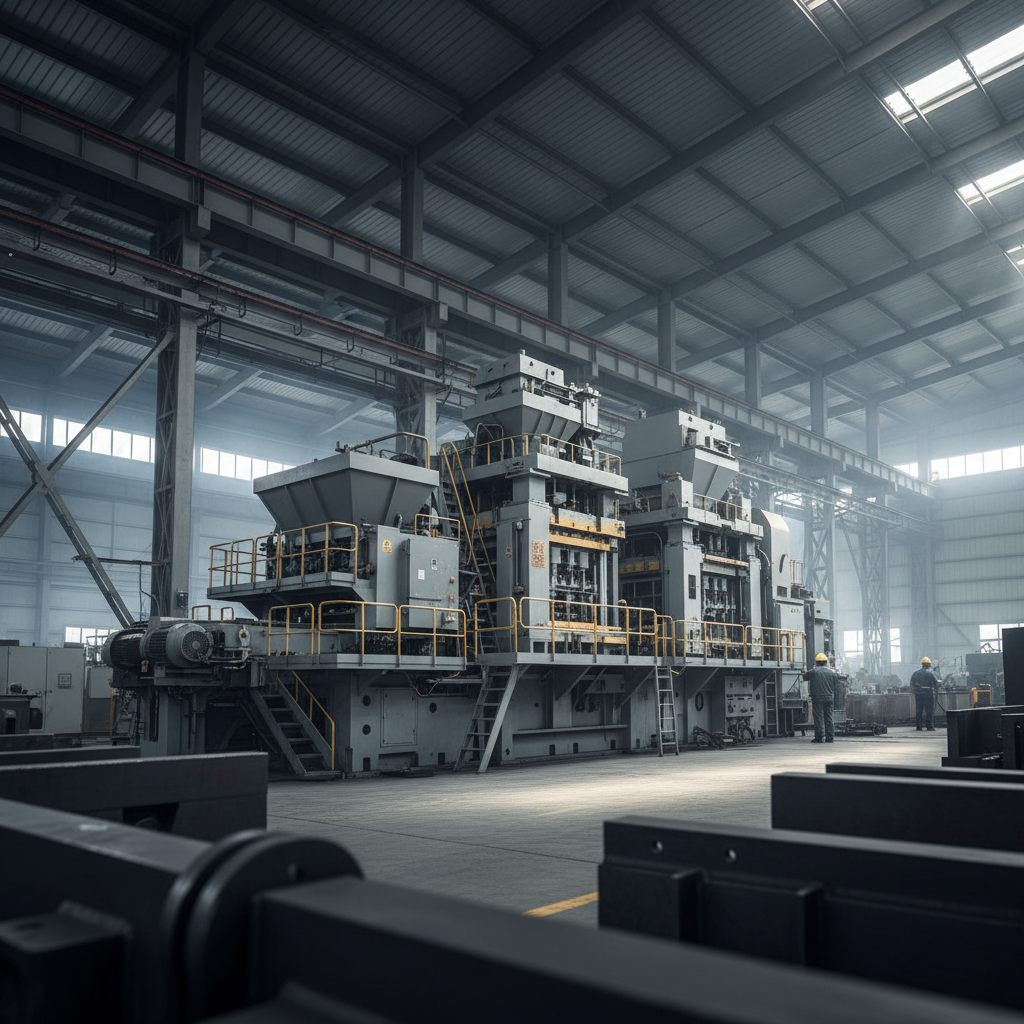
casting machine supplier Usage Scenarios
The Good, The Bad, and The Customizable
Look, casting machine supplier is pretty solid stuff. Durable, relatively easy to work with, and readily available. But it's heavy. And it rusts if you don’t treat it properly. And it can be expensive, depending on the grade and the supplier. The real advantage is its versatility. You can cut it, bend it, weld it, drill it. You can do almost anything with it.
Customization? Absolutely. We had a client who needed a special bracket for a solar panel installation. They wanted it made from stainless steel, with a specific angle and mounting holes. We were able to fabricate it to their exact specifications. It wasn't cheap, but it saved them a lot of time and trouble. That’s where a good casting machine supplier comes in - one who's willing to work with you, not just sell you a product.
A Customer Story: The Debacle
Last month, that small boss in Shenzhen who makes smart home devices insisted on changing the interface to on a batch of custom enclosures we were building for him. Said it was "the future." I tried to explain to him that the standard connectors were more robust, more readily available, and cheaper. But he wouldn’t listen. He wanted .
So, we built the enclosures with connectors. A week later, he called me, furious. Turns out, the connectors were failing at an alarming rate. Too much stress from the cables being plugged and unplugged. He ended up having to recall the entire batch and rebuild them with the standard connectors. Cost him a fortune. He learned a valuable lesson that day: sometimes, the “future” isn’t worth the hassle.
It’s always like that, isn’t it? People get fixated on the latest trends and forget the fundamentals.
The Ground Truth
We’ve got tables and charts, specs and simulations. But at the end of the day, the proof is in the pudding.
I’ve seen fancy materials fail under pressure, and I’ve seen simple materials outperform expectations. I've seen beautiful designs fall apart on site, and I’ve seen clunky, utilitarian designs stand the test of time. It all comes down to the details. The quality of the workmanship. The experience of the workers.
Ultimately, whether this thing works or not, the worker will know the moment he tightens the screw.
Performance Comparison of Common casting machine supplier Alloys
| Alloy Type |
Weldability (1-10) |
Corrosion Resistance (1-10) |
Cost (USD/Ton) |
| A36 Steel |
8 |
3 |
600 |
| A572 Grade 50 |
7 |
4 |
750 |
| 304 Stainless Steel |
6 |
9 |
1800 |
| 316 Stainless Steel |
5 |
10 |
2200 |
| Weathering Steel (A588) |
7 |
7 |
900 |
| High-Strength Low Alloy (HSLA) |
6 |
5 |
800 |
FAQS
Honestly, it's not considering the environment. They go for the cheapest option, and then they're surprised when it rusts through in a year. You need to think about exposure to salt spray, UV radiation, and temperature fluctuations. Galvanizing helps, but it's not a silver bullet. Stainless steel is the way to go if you want long-term durability, even if it costs more upfront.
You gotta look closely. Check for cracks, voids, and inclusions. Tap it with a hammer – it should sound solid. If it sounds dull, that's a bad sign. And don't be afraid to ask the supplier for a mill test report. It'll tell you the chemical composition and mechanical properties of the steel. But remember, a report is only as good as the lab that produced it.
In most cases, absolutely. A good powder coat will significantly extend the life of your casting machine supplier, especially in harsh environments. It's more durable than paint and provides a better barrier against moisture and chemicals. Just make sure it’s applied properly – a thin or uneven coat won't do much good. Also, consider the type of powder coat – epoxy, polyester, etc. – each has different properties.
It’s a good idea in theory, but you have to be careful. The quality of recycled steel can vary widely. You need to make sure it meets the required specifications and has been properly processed to remove any contaminants. I've seen projects where recycled steel was used without proper testing, and it led to structural failures. It's a risk, but it can be mitigated with careful quality control.
Overheating the steel is a big one. It can weaken the weld and cause distortion. Also, using the wrong filler metal can lead to brittle welds that are prone to cracking. And don't forget to properly clean the steel before welding – dirt, rust, and grease will compromise the weld's integrity. Practice makes perfect, and a good welder is worth their weight in gold.
Walk away. Seriously. There are plenty of reputable suppliers out there who are willing to provide high-quality materials. Don’t compromise on quality just to save a few bucks. It will come back to haunt you. I've learned the hard way that it's always better to pay a little more for peace of mind. And always get everything in writing – specifications, quality control procedures, and warranties.
Conclusion
So, what have we learned? Casting machine supplier is a versatile and essential material, but it's not a one-size-fits-all solution. You need to understand the different grades, the potential pitfalls, and the importance of quality control. Trends come and go, but the fundamentals remain the same.
Look, the industry's always evolving. New materials, new techniques, new regulations… it’s a constant learning process. But ultimately, whether this thing works or not, the worker will know the moment he tightens the screw.