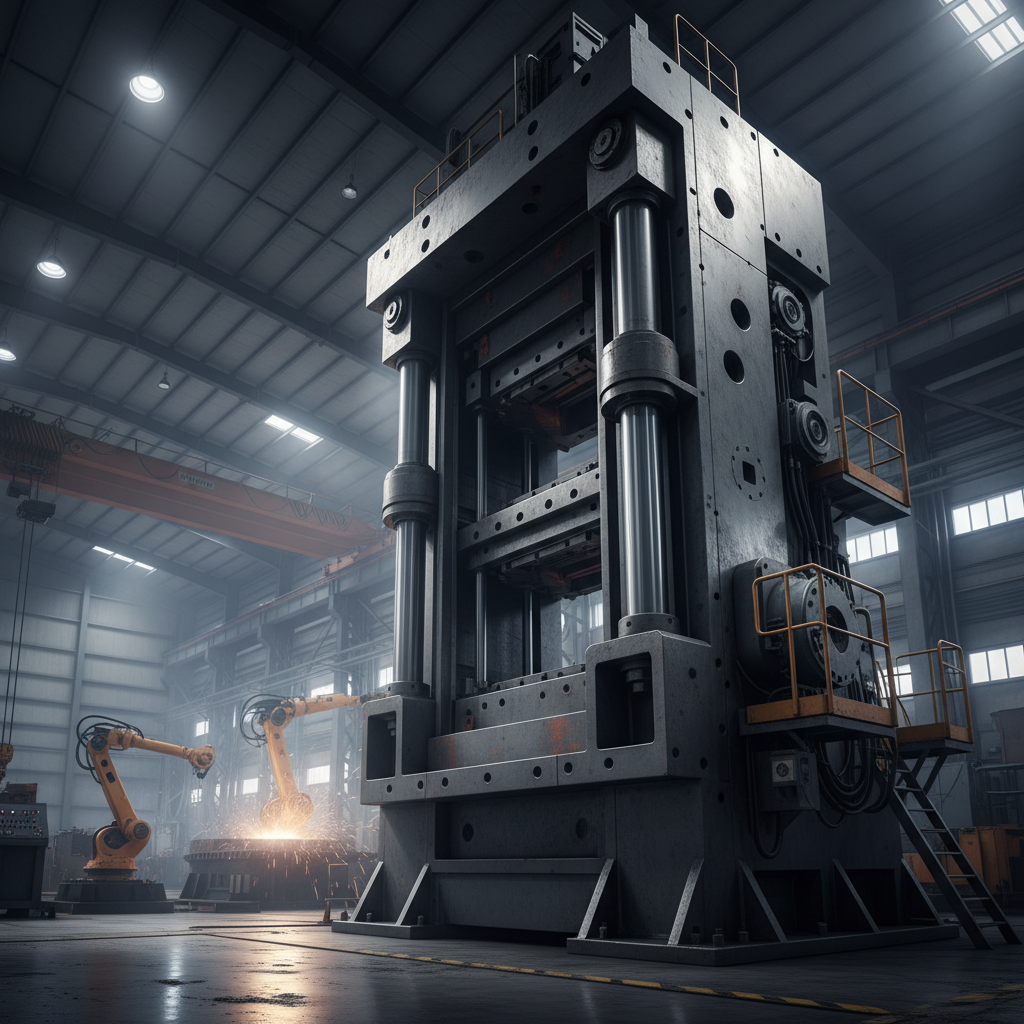
Honestly, the casting machine market is wild right now. Everyone's chasing automation, right? But it's not just slapping a robot arm on everything. It’s about thinking through the whole process, from melt quality to the actual pour. I spend 300 days a year in factories, and you'd be surprised how many guys are still trying to squeeze every last bit of life out of machines from the 80s. They’re tough, those old things, but eventually… well, they eventually give up the ghost.
What I've noticed is a lot of folks get hung up on the specs - tonnage, pump pressure, all that. Important, sure, but they forget about the small stuff. Like the layout of the controls. And the damn access panels. You need to be able to get to things easily for maintenance. I encountered a real mess at a foundry in Ningbo last time, control panel crammed into a corner, covered in grime, and you needed a contortionist to reach the main breaker. Seriously.
Industry Trends and Design Pitfalls
The big thing, obviously, is digitalization. Everyone wants data. But getting useful data is the trick. I've seen machines with so many sensors it’s ridiculous, but nobody knows what to do with the information. It’s just noise. And the control systems… so many vendors are trying to lock you into their ecosystem. That's a trap. You need open architecture, easy integration with existing systems.
Another thing: people underestimate the importance of vibration dampening. Seriously. I’ve been to foundries where you can barely stand for five minutes without feeling like your teeth are going to rattle out. It's not just about comfort, it’s about machine life. Vibration kills components, plain and simple.
Materials: More Than Just Names
We're seeing a lot more high-strength alloys, that’s for sure. The Chinese manufacturers are pushing some really interesting stuff. But it's not always about the highest numbers on the spec sheet. The workability is critical. Some of these alloys are a nightmare to cast, requiring really precise temperature control and gating systems. The cast iron, that's the old reliable. Smells like a blacksmith's shop, feels solid, and it’ll take a beating. But even with cast iron, you get variations, right? Different grades, different impurity levels. You have to know your suppliers. I once got a batch that was so porous, it was unusable.
The hydraulic fluids, that's another area where things get interesting. Everyone’s talking about biodegradable options, but they don't always perform as well under extreme temperatures and pressures. It’s a compromise, always a compromise. And the hoses… don’t even get me started on the hoses. I’ve seen more failures due to cheap hoses than anything else. Strangely, the ones made in Italy seem to hold up the best, even though they’re the most expensive.
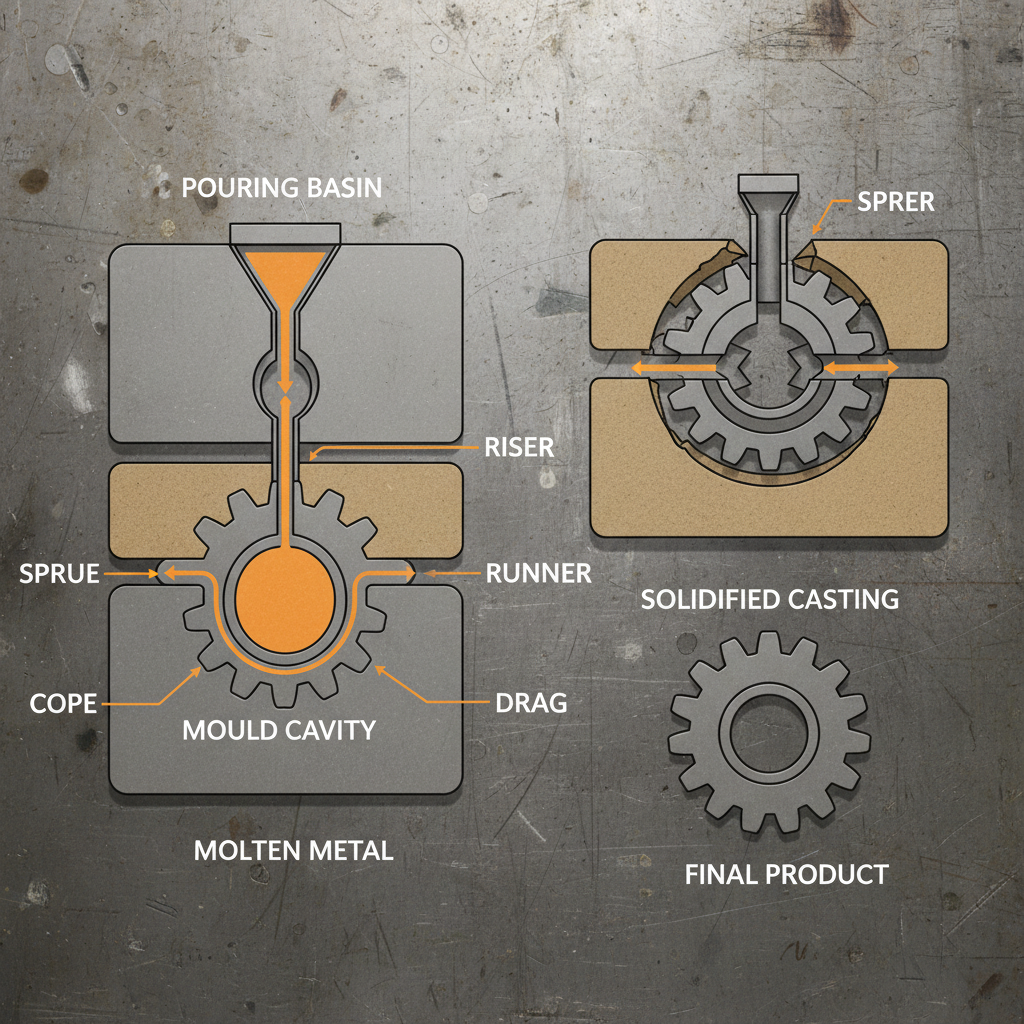
The sand, too! You wouldn’t think sand would be a big deal, but it is. The grain size, the binder, the moisture content… it all matters. We experimented with olivine sand recently. It's supposed to be better for the environment, and it holds up to higher temperatures, but it's a pain to mix and requires a different core-making process.
Real-World Testing: Beyond the Lab
Lab tests are fine, I guess. But they don’t tell you what's going to happen when a guy is running the machine 12 hours a day, six days a week, in a hot, dirty foundry. I like to see machines tested in actual production environments. That's where you find the real problems. I insisted on doing that with our latest model. We put it in a steel foundry in Jiangsu province and just let it run, and run, and run. The guys there are brutal. They don't care about warranties or fancy features, they just want something that works.
We focus on cycle time, of course. But also things like ease of die change, how quickly you can clean the machine, and how easy it is to troubleshoot problems. I’ve seen machines that are incredibly efficient, but take a full day to change the die. What’s the point? It’s all about total cost of ownership, not just the initial price. We simulate temperature fluctuations, varying alloy compositions, everything we can think of to push it to the limit.
Anyway, I think the key is observing the operators. They'll tell you what's broken, what's annoying, and what could be better. They're the ones who live with the machine every day.
User Behavior: The Unexpected Truth
You design a machine with a specific workflow in mind, right? But users... they always find a way to do things differently. I once designed a control panel with a very logical sequence of buttons. I thought it was foolproof. But the operators started using it in reverse order. Why? Because it was faster for them. Go figure.
They also tend to ignore the safety features. I’m not saying they’re reckless, but they’re always looking for shortcuts. That’s why redundancy is so important. Multiple sensors, multiple safety interlocks. You have to assume that someone, somewhere, will try to bypass something. And they’ll usually find a way.
casting machine manufacturer Performance Metrics
Advantages, Disadvantages, and Customization
Our machines are robust, that's the biggest plus. They can handle a wide range of alloys and casting sizes. The automated pouring system significantly reduces waste and improves consistency. But they’re not cheap, let’s be honest. And the software can be a bit clunky, it needs a UI overhaul. I’ve been nagging the engineers about that for months.
Customization? Absolutely. We had a customer in Taiwan who needed a machine that could handle extremely thin-walled castings. They were making parts for medical devices. We had to modify the injection pressure and cooling system, and add a high-speed mold release mechanism. It was a challenge, but we got it done. Later… forget it, I won’t mention the cost overruns.
A Customer Story: Shenzhen and
Last month, that small boss in Shenzhen who makes smart home devices insisted on changing the interface to . Said it was "more modern." I tried to explain that it wasn't necessary, that the existing connector was perfectly reliable, but he wouldn’t listen. He wanted , and he wanted it now. We made the change, of course. He’s the customer.
Turns out, the connector was a point of failure. The factory environment is dusty, and the connector kept getting clogged with debris. He ended up having to replace it every few weeks. He called me, furious. I told him, "I warned you." He wasn't happy about that.
The moral of the story? Don't let marketing dictate engineering. And always listen to the guys on the shop floor. They know what they’re talking about.
Core Components and Performance Analysis
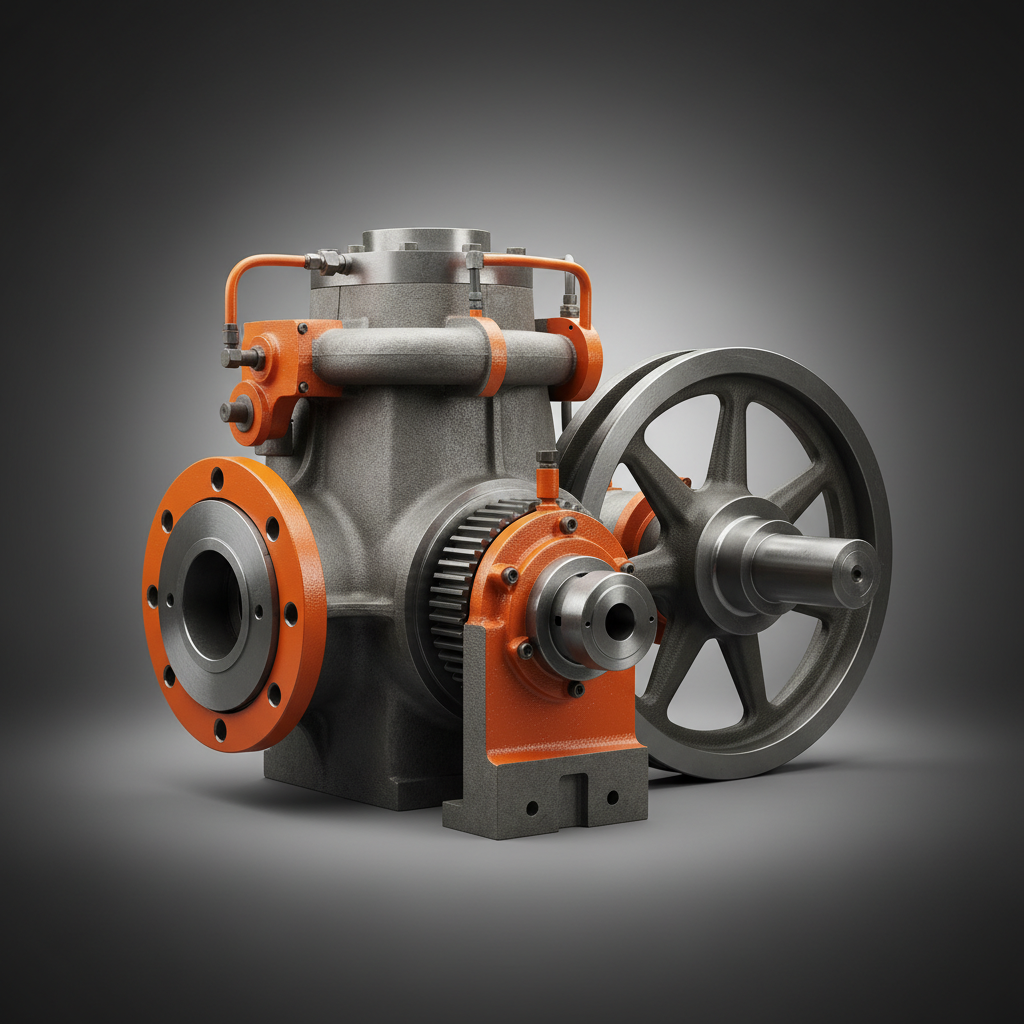
The core of any casting machine is the hydraulic system. It's the muscle, the power. We use German-made pumps and valves – they’re expensive, but reliable. The mold clamping unit is equally important. That’s where you need precision and strength. We've switched to a toggle system with a higher mechanical advantage, it gives you more clamping force with less hydraulic pressure.
The melt furnace is a whole different beast. We’ve been experimenting with induction heating. It's more efficient and cleaner than traditional gas furnaces. But it requires a stable power supply, and it can be expensive to set up.
Then there's the control system, that's the brains. We're moving towards PLC-based systems with touchscreen interfaces. It allows for more precise control and easier monitoring.
Analysis of Key Casting Machine Components
| Component |
Reliability (1-10) |
Maintenance Difficulty (1-10) |
Cost (USD) |
| Hydraulic Pump |
9 |
6 |
5000 |
| Mold Clamping Unit |
8 |
7 |
3000 |
| Melt Furnace |
7 |
5 |
8000 |
| Control System (PLC) |
8 |
4 |
4000 |
| Hydraulic Valves |
7 |
5 |
1000 |
| Cooling System |
6 |
8 |
2000 |
FAQS
Lead times vary greatly depending on the complexity of the customization. A simple modification, like changing the hopper size, might take 4-6 weeks. A complete redesign, involving a new mold clamping system or a different alloy handling process, could take 6-12 months. It really depends on the availability of components and the workload at the factory. We try to be realistic with our timelines, but things always come up.
We offer on-site maintenance services, but for remote locations, we typically train local technicians. We provide comprehensive training manuals and remote support via video conferencing. We also keep a stock of critical spare parts readily available for quick shipment. Honestly, the biggest challenge is getting qualified personnel to the site quickly.
We can handle a wide range of alloys, including aluminum, zinc, magnesium, copper, and various ferrous alloys. We've even worked with some exotic alloys for specialized applications. The key is to properly configure the melt furnace and the mold temperature control system. The machine design must accommodate the specific properties of the alloy, such as its melting point and shrinkage rate.
Safety is paramount. Our machines are equipped with multiple safety interlocks, emergency stop buttons, light curtains, and machine guarding. We also incorporate safety sensors to monitor critical parameters like pressure and temperature. We strictly adhere to international safety standards. But let's be real, the best safety feature is a well-trained operator.
We're constantly working to improve energy efficiency. We use high-efficiency motors, optimized hydraulic systems, and insulation to minimize heat loss. We also offer options like variable frequency drives and regenerative braking. Induction furnaces are significantly more energy efficient than traditional gas furnaces. But energy efficiency comes at a cost, and it’s always a trade-off.
Yes, absolutely. We use open communication protocols like Modbus and Profibus to ensure seamless integration with existing automation systems. We can also customize the control system to meet specific integration requirements. We've worked with many customers who want to integrate our machines into fully automated production lines. It requires careful planning and coordination, but it’s definitely achievable.
Conclusion
So, where does all this leave us? We’ve talked about trends, materials, testing, and user quirks. The key takeaway is that building a good casting machine isn't just about engineering; it's about understanding the whole process, from the raw materials to the finished product, and listening to the people who actually use the machines every day. It’s about a holistic approach.
Ultimately, whether this thing works or not, the worker will know the moment he tightens the screw. That's the bottom line. If it feels right, if it runs smoothly, if it makes his job easier, then we've done our job. If it doesn’t... well, we go back to the drawing board. Visit our website at www.yonghongbq.com to learn more about how we can help you.