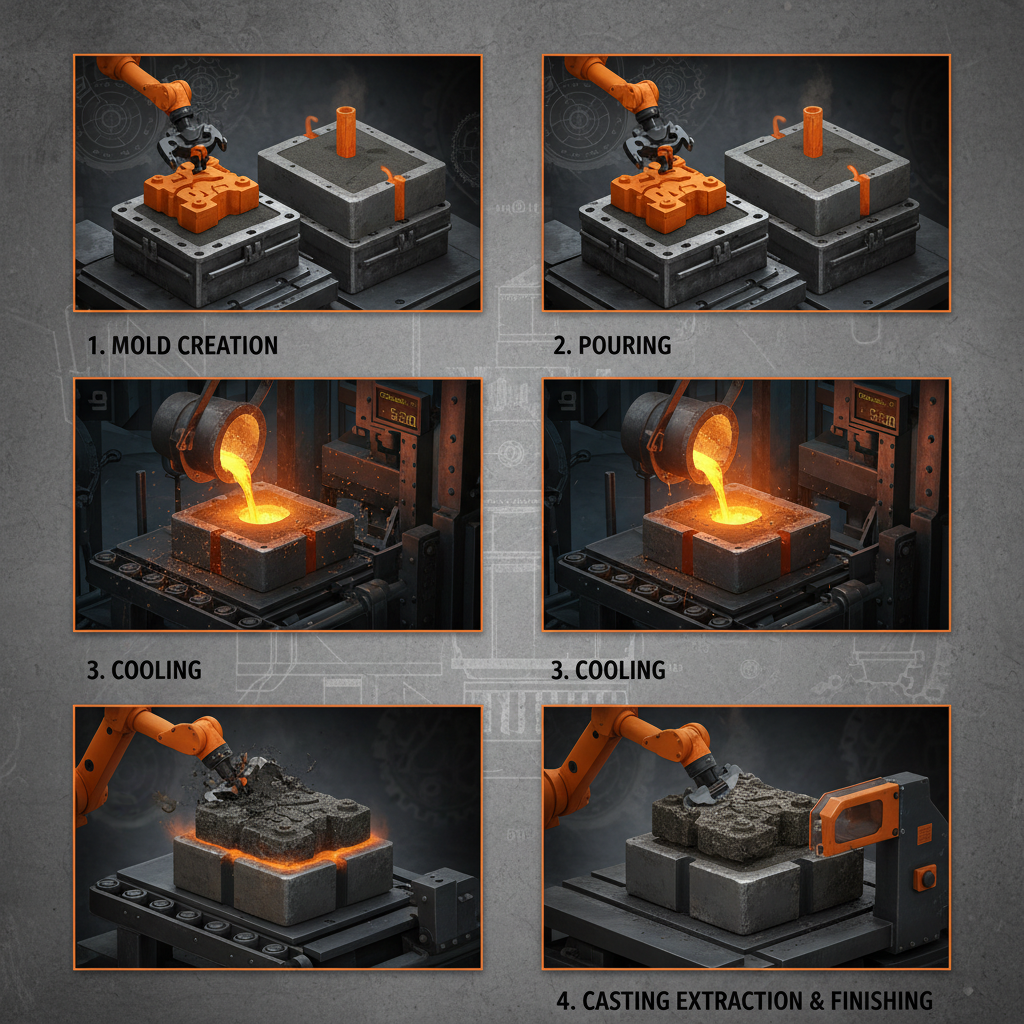
In the complex world of metallurgical engineering, the selection of casting sand for metal serves as the fundamental cornerstone for achieving dimensional accuracy and surface integrity. Whether producing heavy-duty engine blocks or intricate industrial valves, the interaction between the molten metal and the mold material determines the final quality of the component, making the science of sand selection critical for any foundry operation.
Globally, the demand for high-performance casting sand for metal has evolved from simple silica-based mixtures to highly engineered synthetic and resin-bonded systems. As industries push toward tighter tolerances and faster production cycles, understanding the thermal and mechanical properties of molding sands becomes an essential competitive advantage for manufacturers striving for zero-defect production.
By optimizing the grain size distribution, permeability, and bonding strength of the sand, foundries can significantly reduce scrap rates and post-casting machining costs. This comprehensive guide explores the technical nuances, global applications, and future innovations of molding materials, providing a roadmap for engineers to enhance their casting efficiency and product reliability.
Global Industry Context of Casting Sand for Metal
The global foundry industry operates as the backbone of modern manufacturing, with the quality of casting sand for metal directly impacting sectors from aerospace to automotive. According to ISO standards for foundry materials, the transition toward sustainable and high-refractory sands is accelerating to meet the demands of "Industry 4.0," where precision and repeatability are non-negotiable.
However, many foundries still struggle with the volatility of raw material purity and the environmental impact of traditional binders. The challenge lies in balancing the high thermal stability required for molten steel or iron with the need for easy shake-out and recyclability, prompting a shift toward more intelligent sand treatment and recovery systems.
Defining the Fundamentals of Casting Sand for Metal
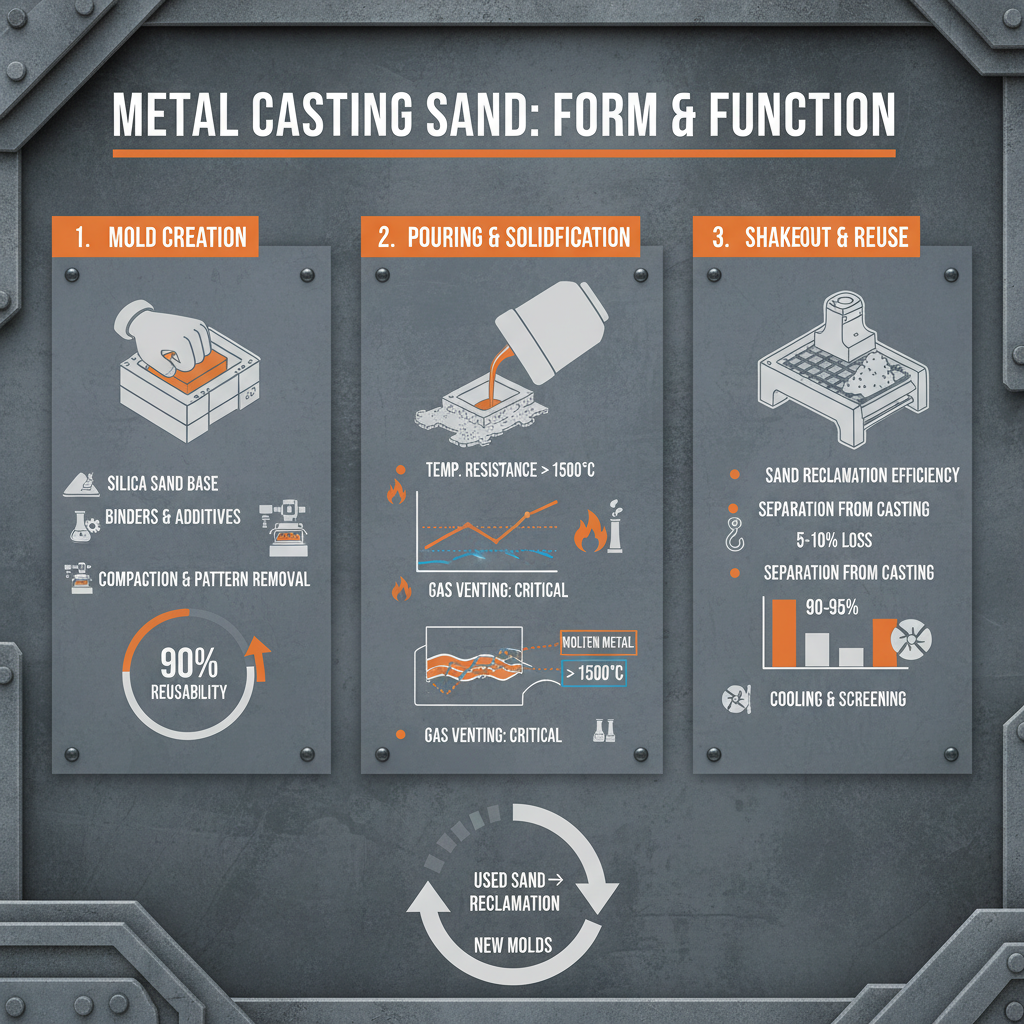
At its most basic level, casting sand for metal is a refractory granular material that can withstand the extreme temperatures of molten metal without melting or shifting. It is not merely "dirt," but a carefully engineered mixture consisting of a base grain (such as silica, chromite, or zircon), a binder to hold the shape, and additives to improve surface finish and gas permeability.
In the context of modern industrial needs, these materials act as the temporary "skeleton" for a part. The ability of the sand to allow gases to escape while resisting the hydrostatic pressure of the liquid metal is what prevents common defects like blowholes or scabs, ensuring the structural integrity of the final casting.
Beyond the physical mold, the evolution of these materials now integrates with intelligent warehousing and resin sand systems, allowing for automated molding processes that reduce human error and increase the throughput of heavy-duty machinery production.
Core Components and Technical Factors
The effectiveness of casting sand for metal depends heavily on Refractoriness. This is the ability of the sand grain to withstand high temperatures without fusing. For high-melting-point alloys, specialized sands like zircon are used to prevent "burn-on" defects that occur when the sand reacts chemically with the molten metal.
Another critical factor is Permeability. This refers to the ease with which air and steam can pass through the sand. If the casting sand for metal is too densely packed or the grain size is too fine, trapped gases will create internal porosity, compromising the strength of the metallic part and leading to costly failures in the field.
Finally, Collapsibility is essential for the post-casting phase. Once the metal has solidified, the sand must be easily removed (shake-out). Modern resin sand systems are designed to break down under specific thermal triggers, ensuring that complex internal cores can be extracted without damaging the casting walls.
Global Applications and Industrial Use Cases
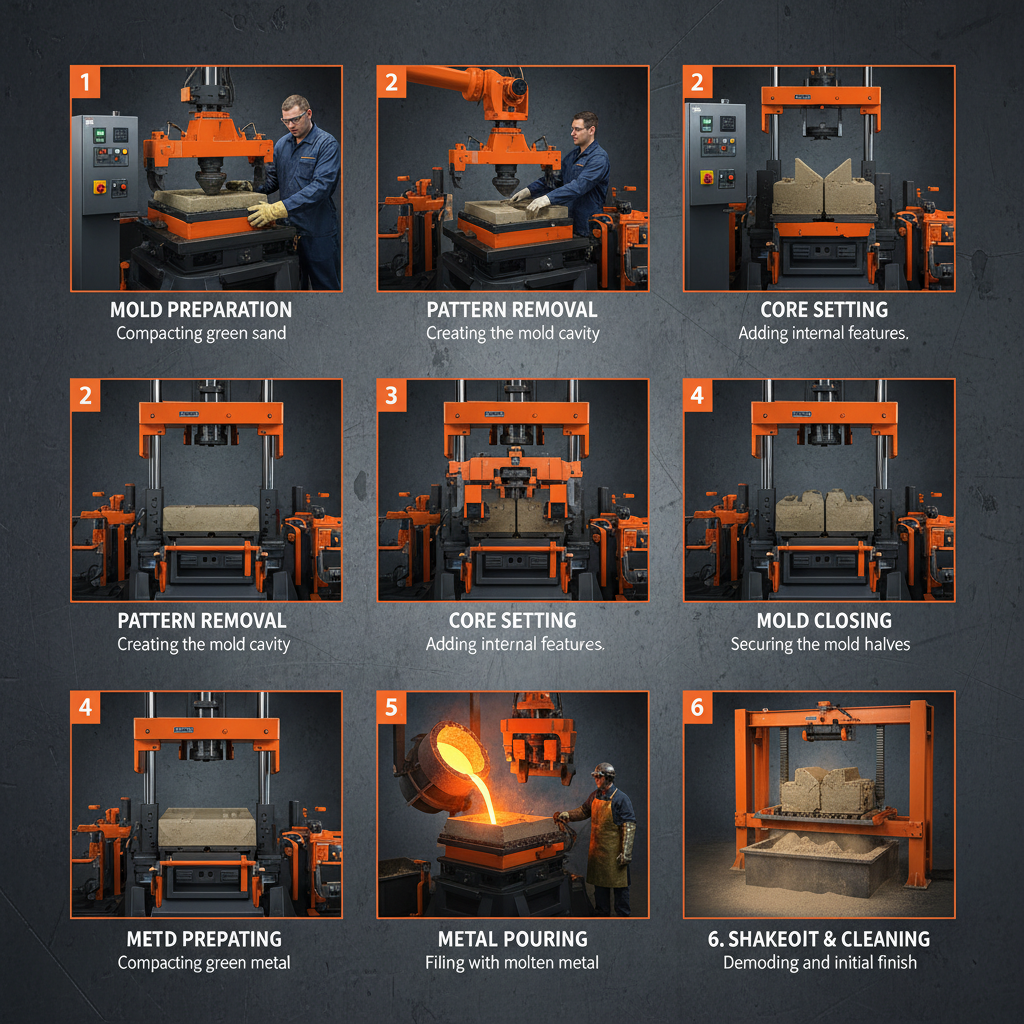
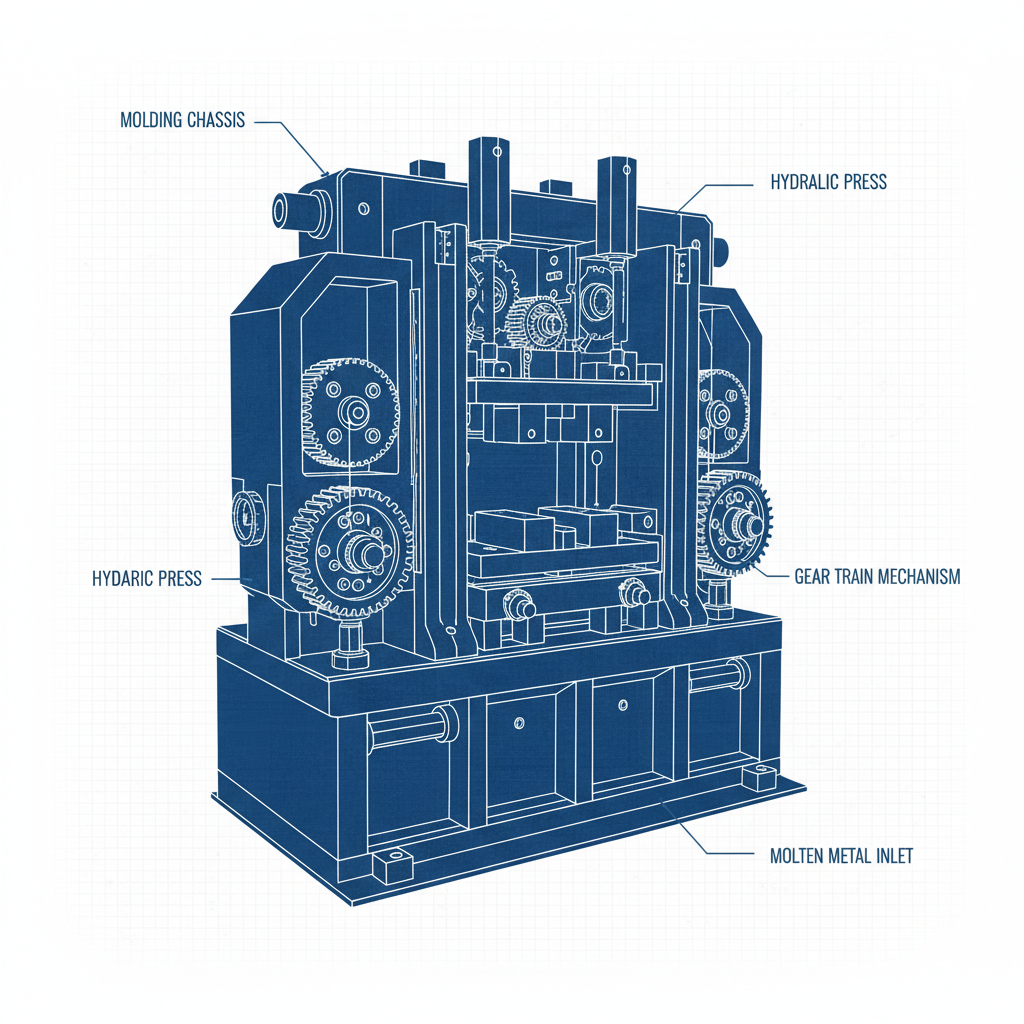
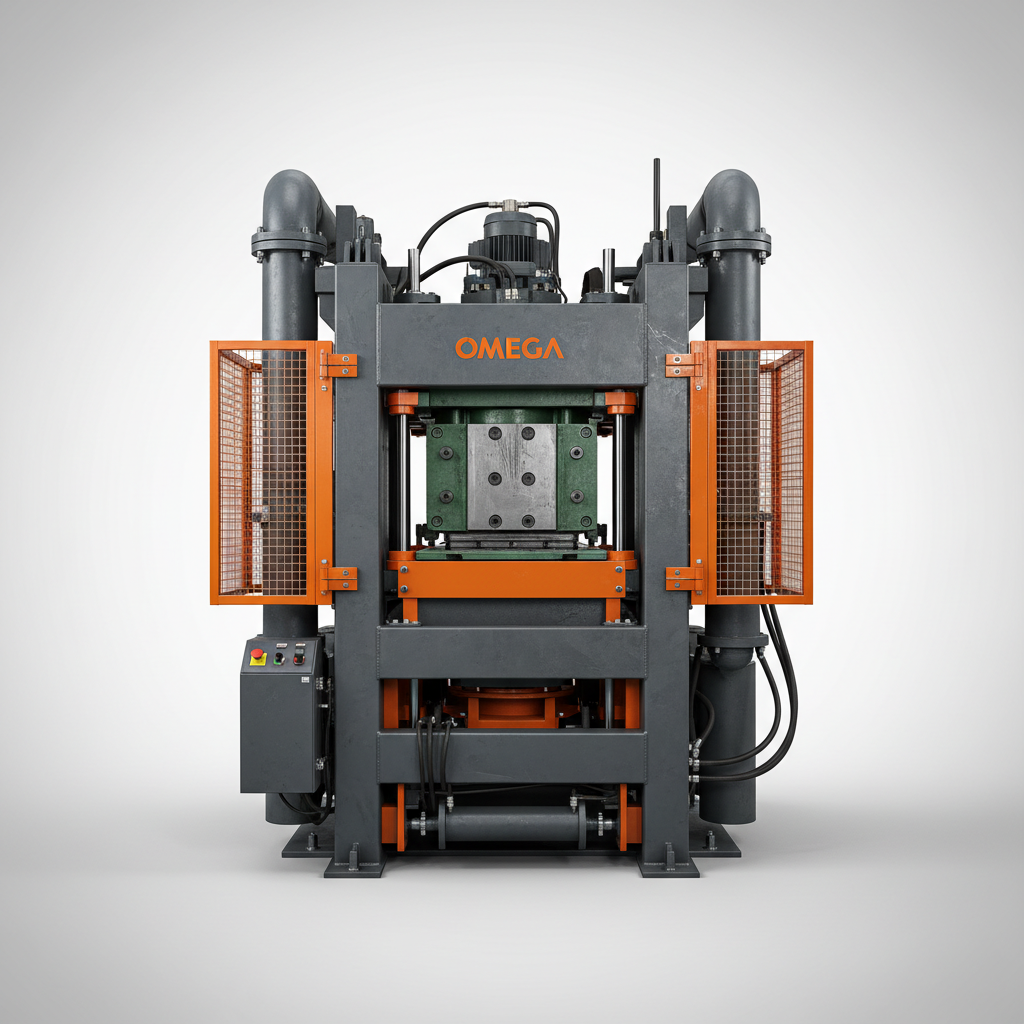
The application of casting sand for metal varies significantly across different industrial zones. In the heavy machinery hubs of Germany and China, high-pressure molding machines utilize automated sand treatment systems to produce massive engine housings and turbine components where consistency across thousands of units is mandatory.
In specialized aerospace applications, foundries employ vacuum-assisted casting with ultra-pure synthetic sands to eliminate any trace of contamination. For instance, in the production of nickel-based superalloys for jet engines, the sand must be chemically inert to prevent oxidation, showcasing how material science directly enables advanced aviation technology.
Performance Comparison of Casting Sand Types
Tangible Advantages and Long-Term Value
Investing in premium casting sand for metal delivers immediate logical benefits in the form of reduced scrap rates and improved surface finish. By minimizing the need for extensive grinding and machining, manufacturers can significantly lower their operational costs and shorten lead times, providing a tangible boost to the bottom line.
Beyond the numbers, there is a profound emotional value in reliability. When a foundry can guarantee the structural integrity of a critical safety component—such as a braking system or a pressure vessel—it builds a legacy of trust and innovation. The shift toward sustainable, recyclable sand systems also aligns companies with global ESG (Environmental, Social, and Governance) goals, ensuring long-term viability in a green economy.
Future Trends in Casting Sand Innovation
The future of casting sand for metal is being reshaped by digital transformation. We are seeing the rise of "smart sands" integrated with sensors that can monitor the internal temperature and pressure of a mold in real-time. This data, fed into a cloud platform, allows engineers to adjust pouring speeds and temperatures dynamically to prevent defects before they occur.
Furthermore, additive manufacturing is merging with traditional sand casting. 3D sand printing allows for the creation of incredibly complex cores that were previously impossible to mold. This hybrid approach reduces the reliance on expensive tooling and allows for rapid prototyping of custom metal parts, drastically accelerating the product development lifecycle.
Sustainability is the final frontier. The industry is moving toward bio-based binders to replace phenolic resins, reducing VOC emissions and making the foundry environment safer for workers. These innovations ensure that sand casting remains a relevant and efficient process even as global emissions regulations tighten.
Overcoming Modern Challenges in Sand Casting
Despite advancements, the inconsistency of natural sand sources remains a primary challenge. Fluctuations in grain shape and chemical purity can lead to unpredictable results in the mold. The solution lies in the adoption of advanced sand treatment and reclamation systems, which purify the casting sand for metal through mechanical and thermal processes, ensuring a consistent feedstock regardless of the source.
Another common limitation is the balance between mold strength and gas permeability. Over-binding the sand often leads to gas traps, while under-binding leads to mold erosion. Expert insight suggests the use of precise additive dosing systems and real-time moisture control to maintain the "sweet spot" of mold properties.
Finally, the high cost of specialized sands like zircon can be a barrier for smaller foundries. By implementing a hybrid sand strategy—using silica for the bulk of the mold and specialized sands only for the critical facing layer—manufacturers can achieve high-quality results without compromising their budget.
Comparative Analysis of Sand Types for Various Metal Casting Needs
| Sand Type |
Thermal Stability |
Surface Quality |
Cost Efficiency |
| Silica Sand |
Moderate |
Standard |
Very High |
| Zircon Sand |
Excellent |
Superior |
Low |
| Chromite Sand |
High |
High |
Moderate |
| Olivine Sand |
High |
Moderate |
Moderate |
| Resin Bonded |
Moderate |
High |
High |
| Synthetic Quartz |
High |
High |
Moderate |
FAQS
For high-temperature steel, Zircon or Chromite sands are preferred. Their superior refractoriness prevents the sand from fusing with the molten steel, which significantly reduces surface defects and eliminates the need for extensive post-cast grinding. While more expensive than silica, they provide the thermal stability necessary for precision steel castings.
Unlike green sand, which relies on clay and moisture for bonding, resin sand uses chemical binders to create a hard, rigid mold. This results in much higher dimensional accuracy and allows for the creation of complex internal cores that can be easily removed after cooling. It is ideal for automated, high-precision industrial production.
Yes, most industrial casting sand can be reclaimed. Mechanical reclamation involves scrubbing the sand to remove burnt binders, while thermal reclamation uses heat to burn off resins. Implementing a sand treatment system allows foundries to reuse up to 95% of their sand, drastically reducing material costs and waste.
Porosity is typically caused by poor permeability of the casting sand. If the sand is too fine or the binder content is too high, gases generated during the pour cannot escape the mold and become trapped in the metal. Optimizing grain size distribution is the primary solution to this problem.
Not replacing, but enhancing. 3D sand printing is used to create highly complex cores and molds that are then used in a traditional pouring process. This hybrid approach combines the design freedom of 3D printing with the material strength and scale of traditional metal casting.
The choice depends on the balance between surface finish and gas escape. Finer grains provide a smoother surface but lower permeability. Coarser grains allow gases to escape easily but may leave a rougher surface. Most professionals use a balanced distribution or a facing sand technique to get the best of both worlds.
Conclusion
The strategic selection and management of casting sand for metal are far more than mere operational details; they are the primary drivers of quality and cost-efficiency in the foundry industry. From the fundamental properties of refractoriness and permeability to the adoption of 3D printing and smart reclamation systems, the materials used to shape molten metal define the limits of what can be manufactured. By balancing technical precision with sustainable practices, foundries can achieve a level of consistency and reliability that meets the rigorous demands of modern global industry.
Looking forward, the integration of digital monitoring and bio-based binders will likely redefine the environmental footprint of the casting process. We encourage manufacturers to move beyond traditional "standard" mixes and embrace engineered sand solutions that offer long-term value through reduced waste and superior part integrity. For those seeking to optimize their production line with advanced molding and sand treatment technology, we invite you to explore our professional solutions. Visit our website: www.yonghongbq.com