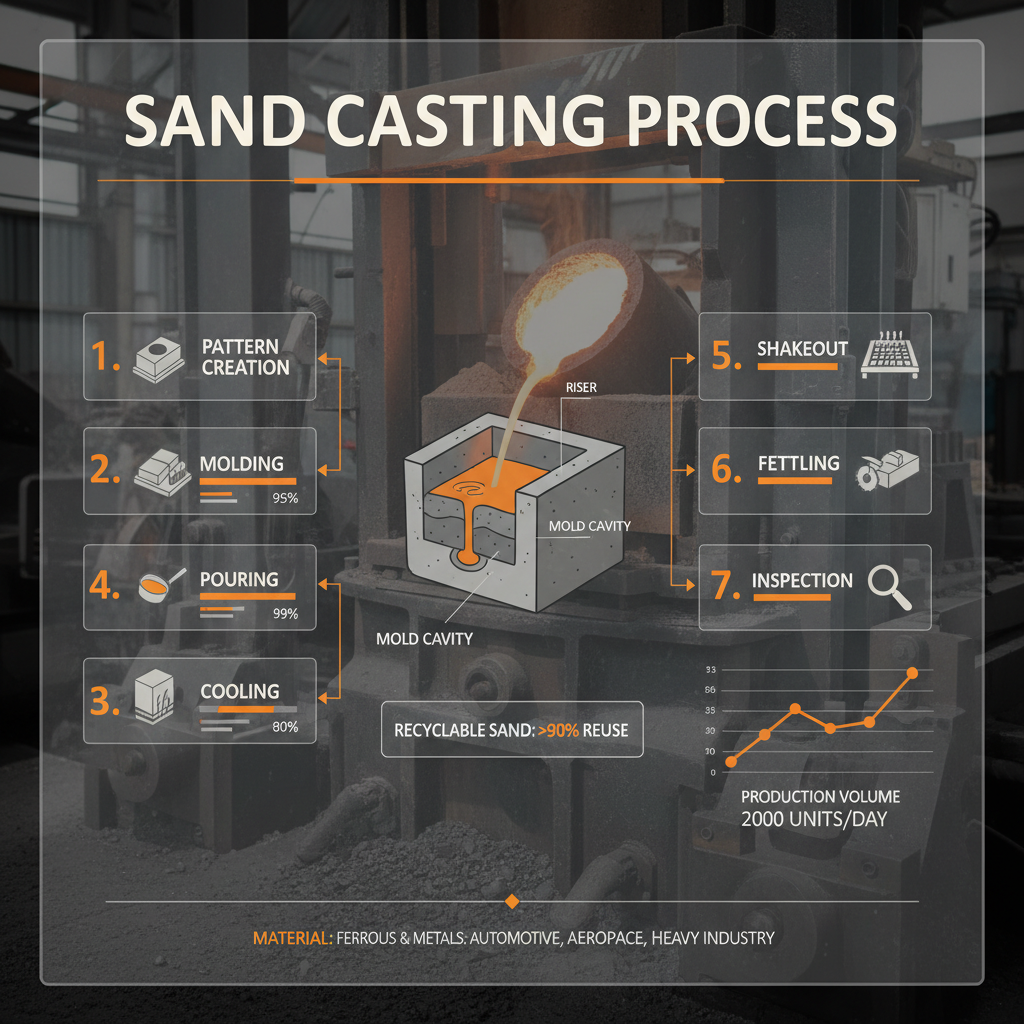
In the intricate world of metallurgy, the quality of the final casting is often decided long before the molten metal is poured. The selection and preparation of molding sand for metal casting serve as the foundation for structural integrity, surface finish, and dimensional accuracy. For manufacturers in the heavy machinery and specialized equipment sectors, understanding the chemical and physical properties of these materials is not just a technical requirement but a competitive necessity.
Across the global industrial landscape, the demand for precision-engineered components—from automotive engine blocks to massive industrial turbines—has pushed the boundaries of traditional sand casting. Modern molding sand for metal casting is no longer just "dirt and clay"; it is a highly engineered composite designed to withstand extreme thermal shocks while maintaining a breathable structure to prevent gas defects in the metal.
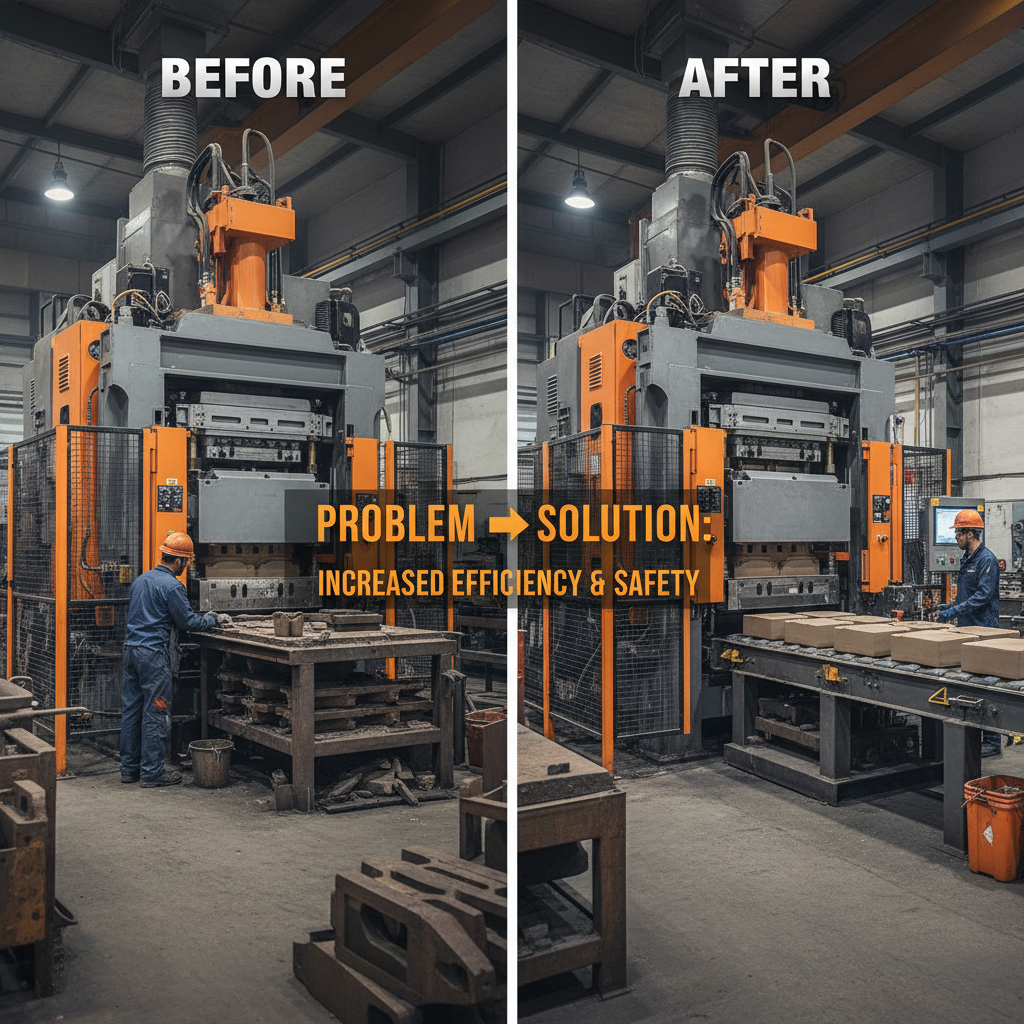
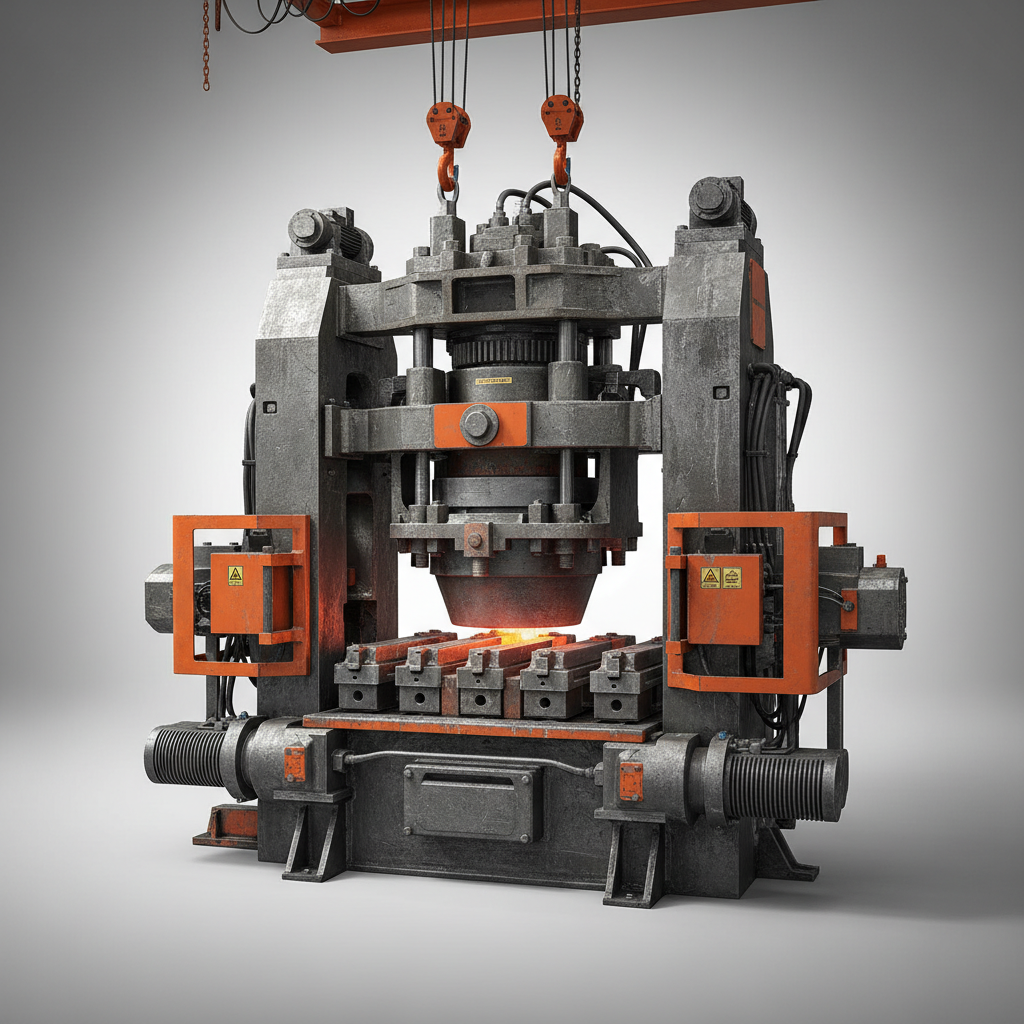
By optimizing the synergy between the sand, binders, and the molding machinery, foundries can significantly reduce scrap rates and energy consumption. This guide delves into the technical nuances of molding sands, exploring how the right material choices and treatment processes can transform a standard production line into a high-efficiency, intelligent casting operation.
Global Industry Context of Molding Sand
The global casting industry remains a cornerstone of industrial manufacturing, with the market for molding sand for metal casting evolving to meet the rigorous standards of ISO and other international quality frameworks. As heavy industries shift toward lighter, stronger alloys, the sand used in the mold must exhibit superior thermal stability and a lower coefficient of expansion to prevent casting defects like scabs or swells.
Current challenges in the industry involve the volatility of raw material sourcing and the increasing pressure to reduce the environmental footprint of foundries. The shift toward "Green Foundries" has led to a surge in the development of chemically bonded sands and advanced reclamation systems, ensuring that the industry can scale production without compromising ecological standards.
Defining Molding Sand for Metal Casting
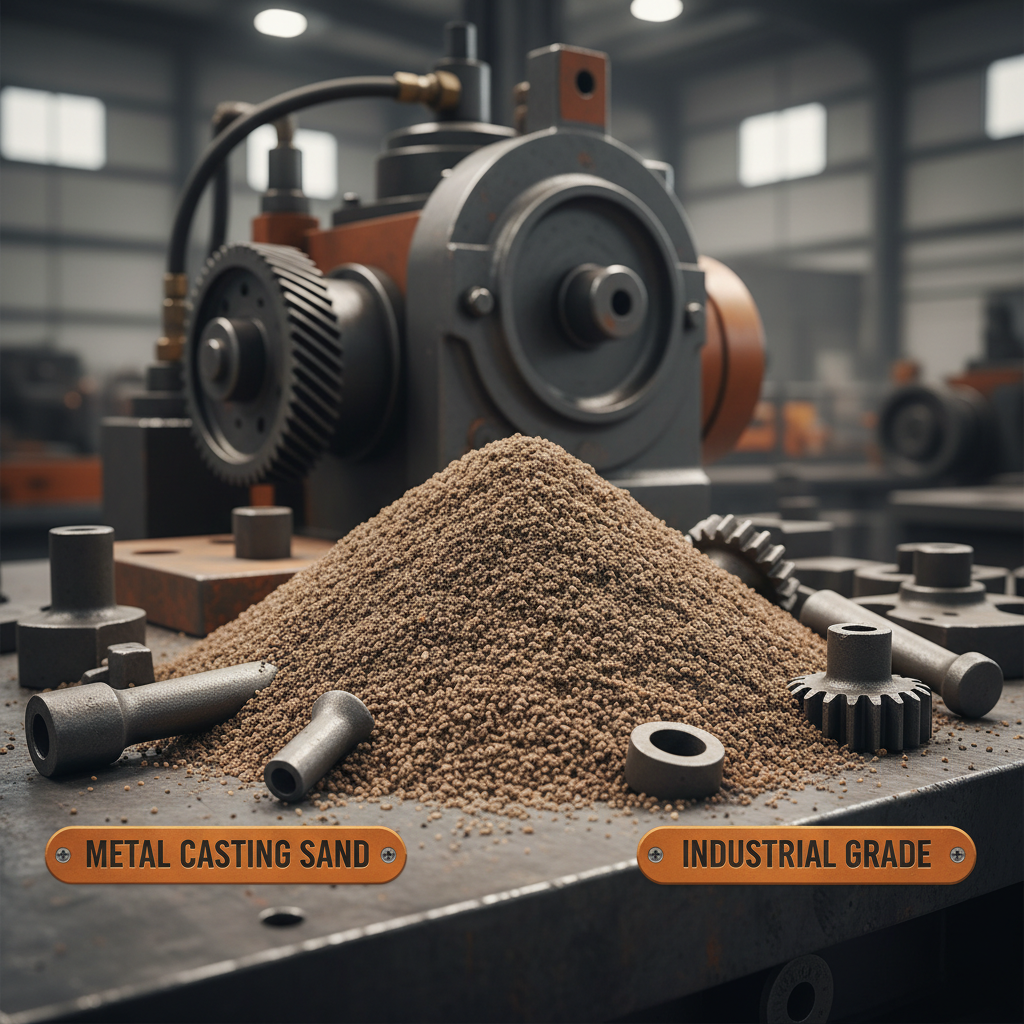
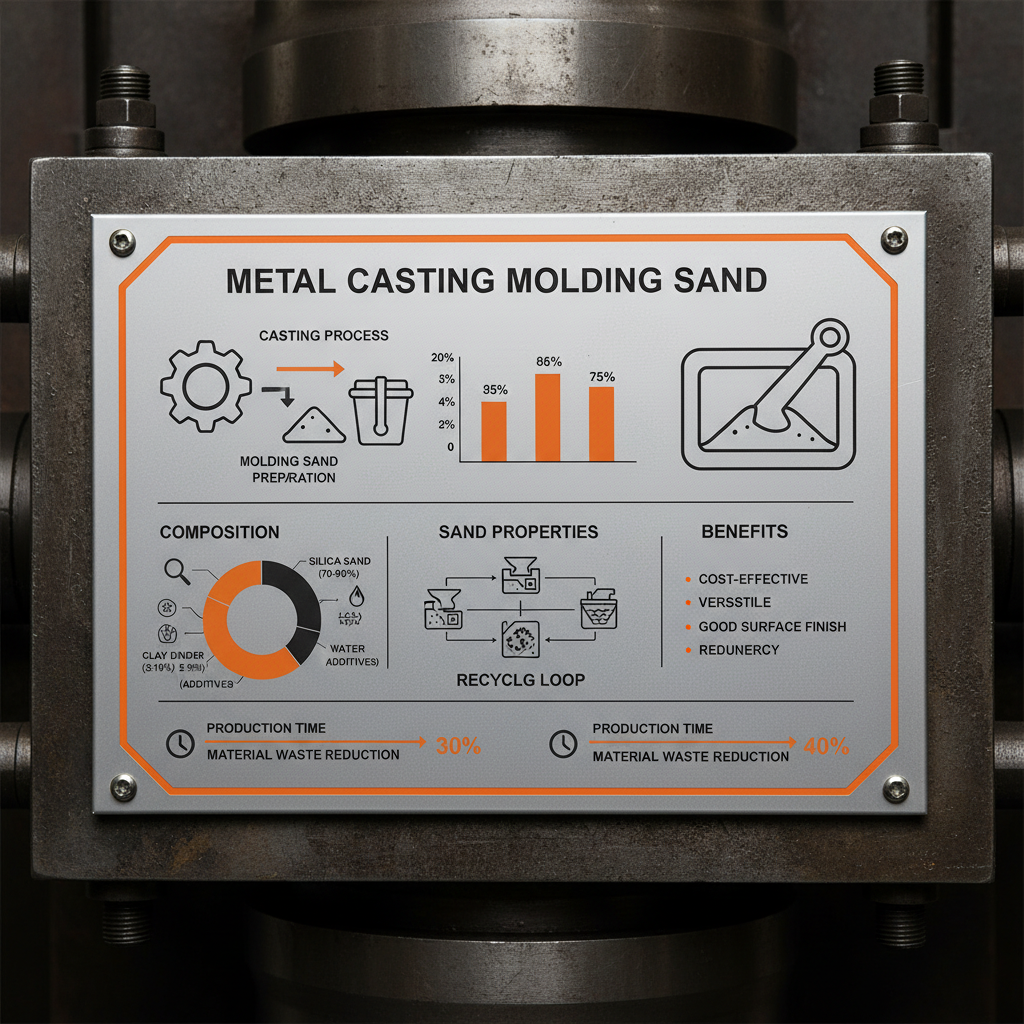
At its most basic level, molding sand for metal casting is a specialized mixture of granular material (usually silica, chromite, or zircon) combined with binders—such as clay or synthetic resins—and additives that control the flow of gases. Its primary purpose is to create a rigid, heat-resistant cavity that can hold the shape of a complex part while allowing the molten metal to solidify without distorting.
Beyond the simple definition, this material represents the critical interface between a digital design and a physical metal part. In modern manufacturing, the "meaning" of molding sand has shifted from a consumable commodity to a precision-engineered tool. The ability of the sand to provide "collapsibility"—the ease with which the sand breaks away after the metal cools—is what allows for the creation of intricate internal geometries in engine blocks and valves.
The connection to broader humanitarian and infrastructure needs is profound. Whether it is the casting of massive bridge supports or the production of critical medical device components, the reliability of the molding sand ensures that the final product is safe, durable, and free of structural voids. This makes the science of sand selection a fundamental pillar of global safety and infrastructure reliability.
Core Components of High-Performance Sand
The first critical factor is Refractoriness. The molding sand for metal casting must possess a melting point significantly higher than that of the molten metal being poured. If the sand grains fuse with the metal, it results in "burn-in" defects, which necessitate expensive post-processing or lead to total part failure in high-pressure applications.
Permeability is the second pillar. A high-quality molding sand for metal casting must allow steam and gases generated during the pouring process to escape through the mold walls. If the permeability is too low, gases become trapped, leading to "blowholes" or porosity, which can compromise the structural integrity of heavy-duty industrial components.
Finally, Green Strength and Dry Strength determine the mold's ability to retain its shape. Green strength allows the pattern to be removed without crumbling the mold, while dry strength ensures the mold doesn't collapse under the weight and heat of the molten metal. Balancing these two requires precise control over the resin content and moisture levels within the sand mixture.
Practical Performance Metrics and Analysis
When evaluating the efficiency of different molding systems, foundries rely on a set of quantitative KPIs. These include the rate of sand reclamation, the precision of the dimensional tolerance, and the overall surface roughness. Different types of molding sand for metal casting—such as green sand, resin-coated sand, and chemically bonded sand—offer varying trade-offs between cost and precision.
For instance, while green sand is cost-effective for mass production, resin-bonded sands are preferred for complex geometries where high strength and minimal deformation are required. The following chart illustrates the performance ratings of these common methods across key industrial dimensions.
Performance Comparison of Molding Sand Types
Global Applications and Use Cases
The application of molding sand for metal casting spans every continent, from the automotive hubs of Germany and Japan to the heavy industrial zones of China and the USA. In the aerospace sector, high-purity zircon sands are utilized to cast turbine blades that must withstand immense centrifugal forces and heat, where even a micron of sand inclusion could lead to catastrophic failure.
In remote industrial zones, such as mining operations in Australia or oil refineries in the Middle East, the ability to cast heavy-duty replacement parts on-site using modular molding equipment and specialized sands is a critical logistical advantage. This reduces downtime from weeks to days, demonstrating that the strategic choice of molding materials is directly linked to operational resilience and economic stability.
Long-Term Value and Sustainability
The long-term value of investing in premium molding sand for metal casting lies in the drastic reduction of the "Cost of Poor Quality" (COPQ). When a foundry optimizes its sand treatment and resin ratios, the resulting increase in "first-time-right" castings reduces energy waste, lowers the consumption of raw metal, and minimizes the need for secondary machining.
From a sustainability perspective, the industry is moving toward a circular economy. Advanced sand treatment systems now allow foundries to reclaim up to 98% of their used sand, stripping away spent binders and rejuvenating the grains for reuse. This not only lowers the cost of raw materials but also significantly reduces the volume of waste sent to landfills.
Furthermore, the emotional trust between a manufacturer and its clients is built on reliability. When a supplier can guarantee zero-porosity castings due to superior sand management, it creates a bond of trust that transcends simple transactional relationships, positioning the foundry as a strategic partner in the client's innovation cycle.
Future Trends and Digital Innovation
The future of molding sand for metal casting is being reshaped by the "Industry 4.0" revolution. We are seeing the integration of IoT sensors within the sand treatment phase to monitor moisture, temperature, and compaction density in real-time. This digital transformation allows for "closed-loop" control, where the molding machine automatically adjusts the sand feed based on sensor data to ensure perfect consistency.
Additive manufacturing, specifically 3D sand printing, is another disruptive trend. Instead of traditional patterns, 3D printers deposit a binding agent directly into a bed of molding sand for metal casting, allowing for geometries that were previously impossible to cast. This eliminates the need for expensive tooling and dramatically shortens the prototyping cycle.
As green energy mandates tighten, the development of bio-based binders is becoming a priority. These organic alternatives to traditional phenolic resins reduce VOC emissions during the pouring process, making the foundry environment safer for workers and more compliant with stringent environmental laws.
Analysis of Molding Sand Performance and Innovation Trends
|
Sand Type / Technology
|
Dimensional Accuracy
|
Environmental Impact
|
Production Cost
|
| Traditional Green Sand |
Moderate (6/10) |
Low Impact |
Very Low |
| Resin Coated Sand |
High (9/10) |
Moderate Impact |
Moderate |
| 3D Printed Sand Molds |
Ultra-High (10/10) |
Moderate Impact |
High |
| Zircon Specialized Sand |
High (8/10) |
Low Impact |
Very High |
| Bio-Binder Sand |
Moderate (7/10) |
Ultra-Low Impact |
Moderate |
| Reclaimed Sand Mix |
Moderate (6/10) |
Ultra-Low Impact |
Low |
FAQS
The most common type is Green Sand, which consists of silica sand, clay (bentonite), and water. It is widely used due to its low cost and recyclability. However, for higher precision or larger parts, foundries often switch to resin-bonded or chemically bonded sands to achieve better structural stability and surface finish.
Permeability refers to the ability of the sand to let gases escape. If the molding sand for metal casting has low permeability, gases produced by the reaction of molten metal and binders become trapped, creating holes or bubbles (porosity) in the metal. High permeability is essential for a dense, void-free casting.
Most sands can be reclaimed, but the method varies. Green sand is recycled through simple cooling and mixing. Resin-bonded sands require mechanical or thermal reclamation to burn off or strip away the chemical binders. Modern reclamation systems can recover up to 98% of the sand, significantly reducing waste.
Silica sand is the industry standard for general use due to its availability and cost. Zircon sand, however, has a much higher melting point and lower thermal expansion. It is used for high-temperature alloys or critical areas of a mold to prevent "burn-in" and ensure a superior surface finish.
Sand inclusions occur when the mold wall collapses or erodes during pouring. To prevent this, ensure the molding sand for metal casting has adequate dry strength and that the compaction pressure is uniform. Using a high-quality molding machine and checking sand grain distribution also helps.
Currently, 3D sand printing is most cost-effective for prototyping, low-volume production, or extremely complex geometries that cannot be made with traditional patterns. However, as printing speeds increase and material costs decrease, it is becoming more viable for medium-scale specialized industrial components.
Conclusion
In summary, molding sand for metal casting is far more than a passive medium; it is a dynamic engineered material that dictates the success of the entire casting process. From the critical balance of permeability and refractoriness to the integration of IoT-driven quality control and 3D printing, the evolution of molding sands is driving the foundry industry toward unprecedented levels of precision, efficiency, and sustainability.
For manufacturers looking to scale their production or improve part quality, the focus should remain on optimizing sand treatment and adopting smart reclamation technologies. By aligning material science with advanced molding machinery, foundries can reduce waste, enhance product reliability, and maintain a competitive edge in the global market. To explore our advanced solutions in casting equipment and sand treatment, visit our website: www.yonghongbq.com.