Release Time:2025-12-02
Sand resin casting isn’t just some niche manufacturing process tucked away in a factory corner. It’s actually a very solid – if you’ll pardon the pun – technique used worldwide in metalworking to create durable and intricate parts for everything from shipbuilding to heavy machinery. Its importance is growing as industries seek more sustainable, cost-effective methods with reliable quality.
On a global stage, the casting industry alone is massive, contributing billions to economies and driving innovation in sectors like automotive, aerospace, and infrastructure. According to the World Steel Association, the metal casting sector represents a backbone for manufacturing economies, particularly in developing regions figuring out how to industrialize smarter and faster.
Understanding sand resin casting means appreciating how it meets the urgent global demand for materials that balance strength, precision, and environmental impact—a tricky balance many current methods lack.
Interestingly, sand resin casting holds a firm place amid challenges like resource scarcity, increasing regulatory pressures on emissions, and the push toward greener industrial processes. For example, ISO standards like ISO 14001 push foundries to reduce their environmental footprints, and sand resin processes respond by offering reusable, low-waste setups.
But there’s also a pragmatic side—foundries using sand resin casting can often reduce production lead times and overall costs, which is crucial in a world economy where efficiency can make or break competitiveness. It’s not just large corporations; small and mid-sized operations in Asia and Europe increasingly adopt this method to stay agile and sustainable.
One big hurdle sand resin casting helps overcome is the creation of complex or heavy metal components without sacrificing surface finish or dimensional accuracy. Traditional sand casting suffered from porosity and sand degradation, but resin binders bring improved mold stability and finer detail reproduction. Kind of a game changer.
At its core, sand resin casting involves mixing sand with a synthetic resin binder to make molds for molten metal pouring. Unlike green sand casting, where water is the binder, these resins harden the sand into a rigid mold that holds shape better under heat and pressure.
This improved mold quality translates to superior surface finishes, reduced defects, and often, the ability to cast more intricate shapes with thinner walls or complex cores. That opens up options for designers and engineers needing parts that balance strength with weight.
Moreover, resin sand casting supports modern manufacturing’s sustainability goals by facilitating sand recovery and reuse, thus reducing raw material demands.
Sand molds bonded by resin resist breakage and erosion during metal pouring far better than traditional sand molds. This leads to fewer scrap parts and higher dimensional accuracy. Many foundries report improvements in casting yield by 15-20%, simply because the mold holds up better against molten temperatures.
This process adapts well to both small batch production and mass manufacturing. Whether you’re making a few dozen custom parts or thousands of standardized components, sand resin casting scales economically. That’s why industries such as automotive and agriculture machinery engines often choose it.
While the resin binders add some upfront costs, the gains in mold reuse, reduced finishing work, and less scrap often tip the scales toward savings in the medium term. Plus, the shorter lead times mean faster turnaround on orders and better responsiveness to client needs.
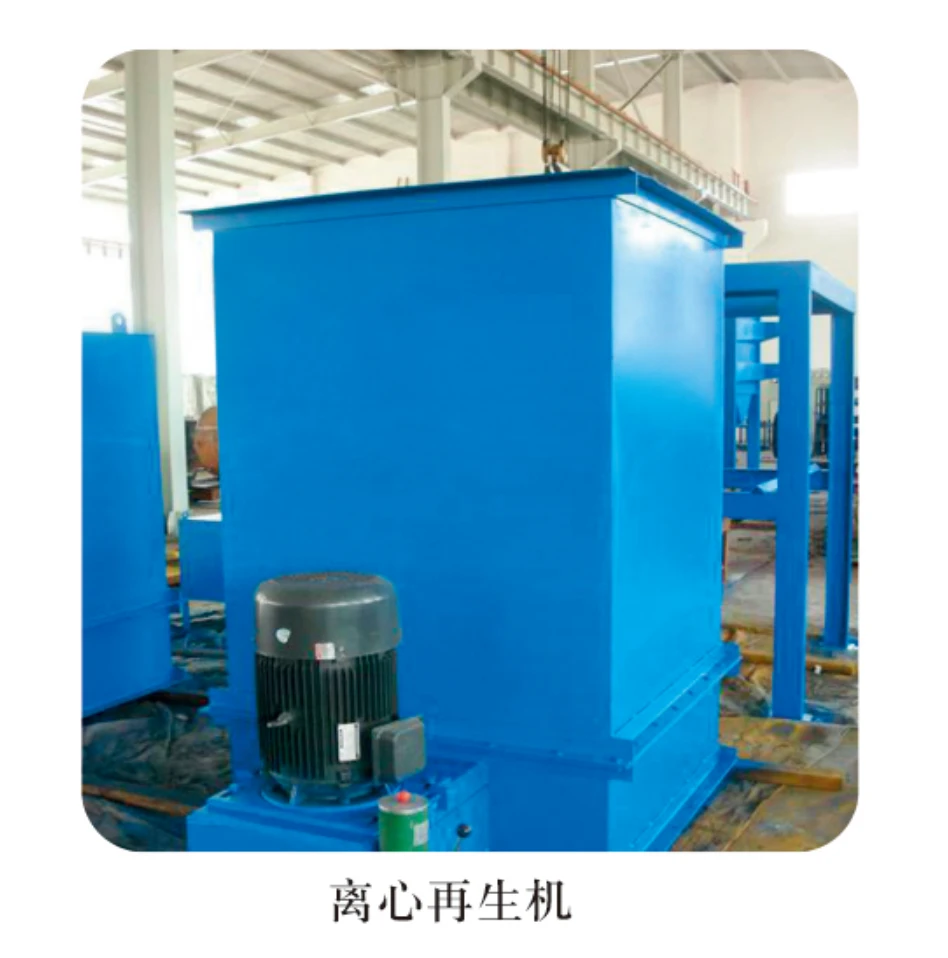
Recyclability is a big deal here. The sand-resin mixture can be mechanically reclaimed, with resin chunks separated and the sand remixed for further production, cutting down waste disposal costs and lowering the ecological footprint.
From what I’ve seen, this technology finds applications on nearly every continent. For instance:
Manufacturers across North America increasingly blend digital design with sand resin molds, using CAD-driven processes to optimize every element of production.
When you put it all together, the benefits are both operational and emotional. Faster production means industries can respond to changing demands or emergencies with agility. More precise castings mean safer structures and more reliable machinery—huge when critical infrastructure or vehicles are concerned. And the sustainability angle aligns companies with growing environmental regulations and consumer expectations.
There’s also a sort of intangible trust built when clients know their parts meet stringent standards at acceptable cost. That combo doesn’t come easy in metal casting.
| Parameter | Typical Value | Unit |
|---|---|---|
| Resin Content | 1.5-3.0 | % by weight |
| Sand Grain Size | 0.1-0.5 | mm |
| Curing Time | 5-30 | minutes |
| Tensile Strength (Mold) | 3.0-5.0 | MPa |
| Recyclability | >85 | % |
| Vendor | Resin Type | Average Curing Time | Eco-Friendly Features | Typical Industries |
|---|---|---|---|---|
| EcoBinder Co. | Furan Resin | 15 min | 95% Recyclability | Automotive, Marine |
| ResiForm Ltd. | Phenolic Resin | 10 min | Low Emission | Aerospace, Heavy Machinery |
| SmartSand Inc. | Epoxy Resin | 20 min | Reusable Sand Tech | Precision Castings, Defense |
The industry isn’t standing still. Automation of mold preparation is on the rise, with robots mixing and shaping resin-sand blends more precisely than human hands ever could. Plus, innovations in bio-based resins promise a greener future, reducing the carbon footprint of casting foundries.
Digital twin technology and IoT sensors are being used to monitor casting quality in real-time, predicting defects before they happen. This sort of smart casting fits well with Industry 4.0 goals – higher yields, less waste, better data.
No process is perfect. Resin variations can sometimes produce unexpected mold brittleness or longer curing than planned. Skilled foundry engineers adapt through careful resin selection and mold design, often collaborating with suppliers to tweak binder formulations. Continuous training and testing are key here.
Managing cost fluctuations in resin materials is another issue, but longer mold life and fewer scrap parts help balance budgets.
Resin binds sand grains more firmly, leading to stronger molds with finer surface finishes and fewer defects. This is critical when complex shapes or tight tolerances are needed. Also, resin sand is more easily reclaimed, reducing waste.
Very scalable. It works for small batches of specialty parts or large production runs alike. The key is choosing the right resin type and curing method to fit production speed and cost requirements.
Yes, especially as many foundries use reclaimers to recycle sand and reduce emissions by using low-VOC binders. New bio-resin developments further improve the environmental profile.
Some training is necessary to handle resin preparation, curing times, and mold handling safely. Most vendors provide technical support and training programs to ease adoption.
Many reputable vendors offer products and consultancy services globally. For example, check industry leaders or visit sand resin casting expert platforms.
Sand resin casting continues to evolve but remains a critical technique for manufacturers seeking precision, durability, and sustainability. It answers many current industrial challenges and positions companies well for future demands in environmental compliance and production flexibility.
If your business is considering upgrading or adopting modern casting techniques, learning about sand resin casting is a smart first step. Curious? Don’t hesitate to explore our site for detailed solutions and expert advice.
Until next time, keep casting smart.