Release Time:2026-03-21
In the realm of metal casting, precision and efficiency are paramount. A gravity casting machine offers a robust and cost-effective solution for producing high-quality metal parts. This article delves into the intricacies of gravity casting, its benefits, applications, and considerations for choosing the right machine. We will explore how these machines can streamline your production process and enhance the quality of your castings.
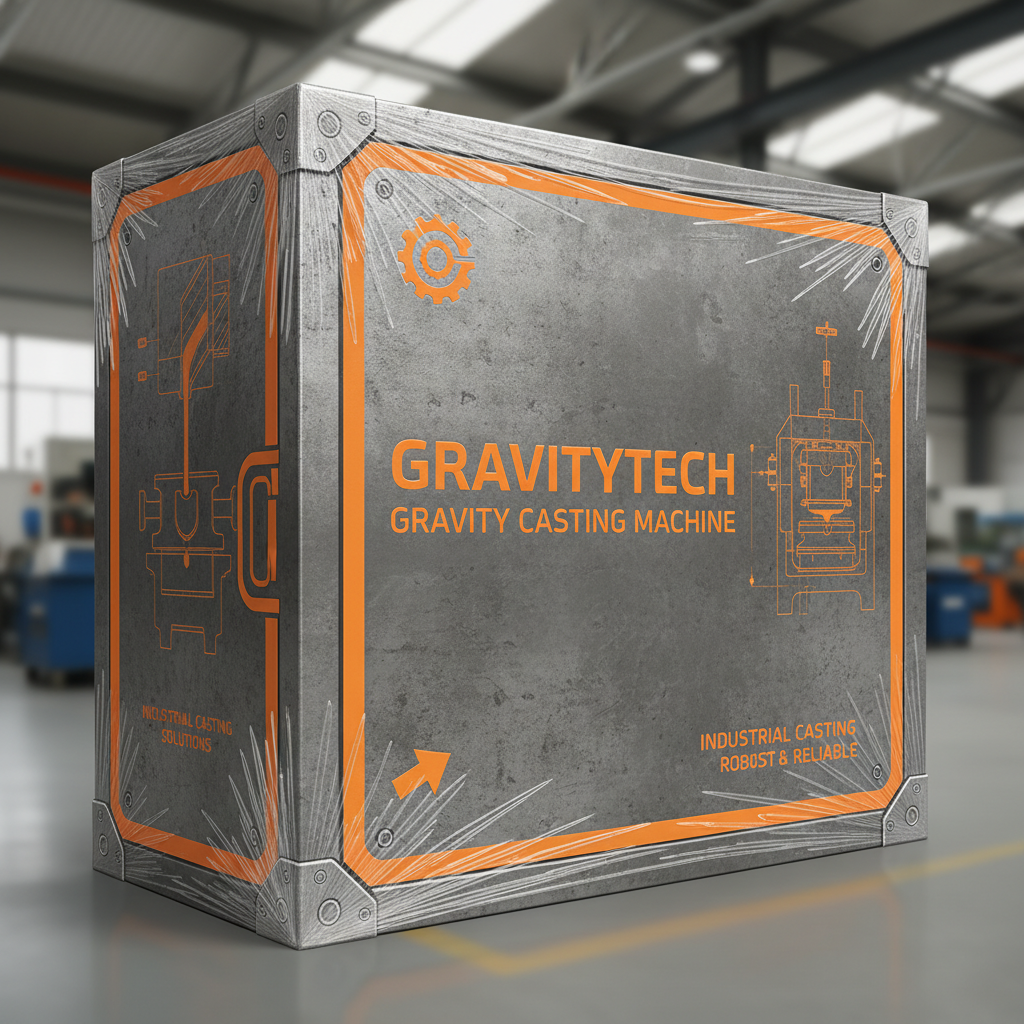
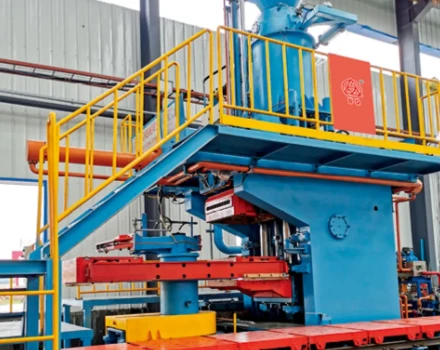
A gravity casting machine, also known as a foundry machine, utilizes gravity to fill the mold cavity with molten metal. Unlike die casting or pressure casting, which employ external force, gravity casting relies solely on the weight of the metal itself. This process is incredibly versatile and suitable for a wide range of metals, including aluminum, brass, bronze, and cast iron. The simplicity of the process makes it a popular choice for both small-scale production runs and larger-scale manufacturing. The process typically involves pouring molten metal into a prepared mold, allowing it to cool and solidify, and then extracting the finished casting.
Employing a gravity casting machine presents several advantages. The initial investment is generally lower compared to other casting methods like die casting. It boasts flexibility in terms of part size and geometry, accommodating a broad spectrum of designs. The process is well-suited for producing parts with complex shapes and intricate details. Furthermore, gravity casting often results in superior mechanical properties compared to other methods, due to the slower cooling rate. This slower cooling minimizes residual stress within the casting, leading to enhanced strength and durability. This makes it an ideal solution for a wide array of industries.
Key Advantages: Lower initial investment, flexibility in part design, superior mechanical properties, and suitability for various metals.
Gravity casting finds application in a vast array of industries. The automotive sector utilizes it for producing engine blocks, cylinder heads, and transmission housings. The aerospace industry relies on gravity casting for components requiring high strength and reliability. Machinery manufacturers use it for creating complex parts with intricate geometries. Furthermore, industries such as marine engineering, pump manufacturing, and even art foundries benefit from the versatility and cost-effectiveness of this process. Whether it's producing large, heavy components or smaller, more delicate parts, a gravity casting machine can deliver exceptional results. Yonghong BQ specializes in machines catering to these diverse needs.
Key Application Sectors:
• Automotive
• Aerospace
• Machinery
• Marine Engineering
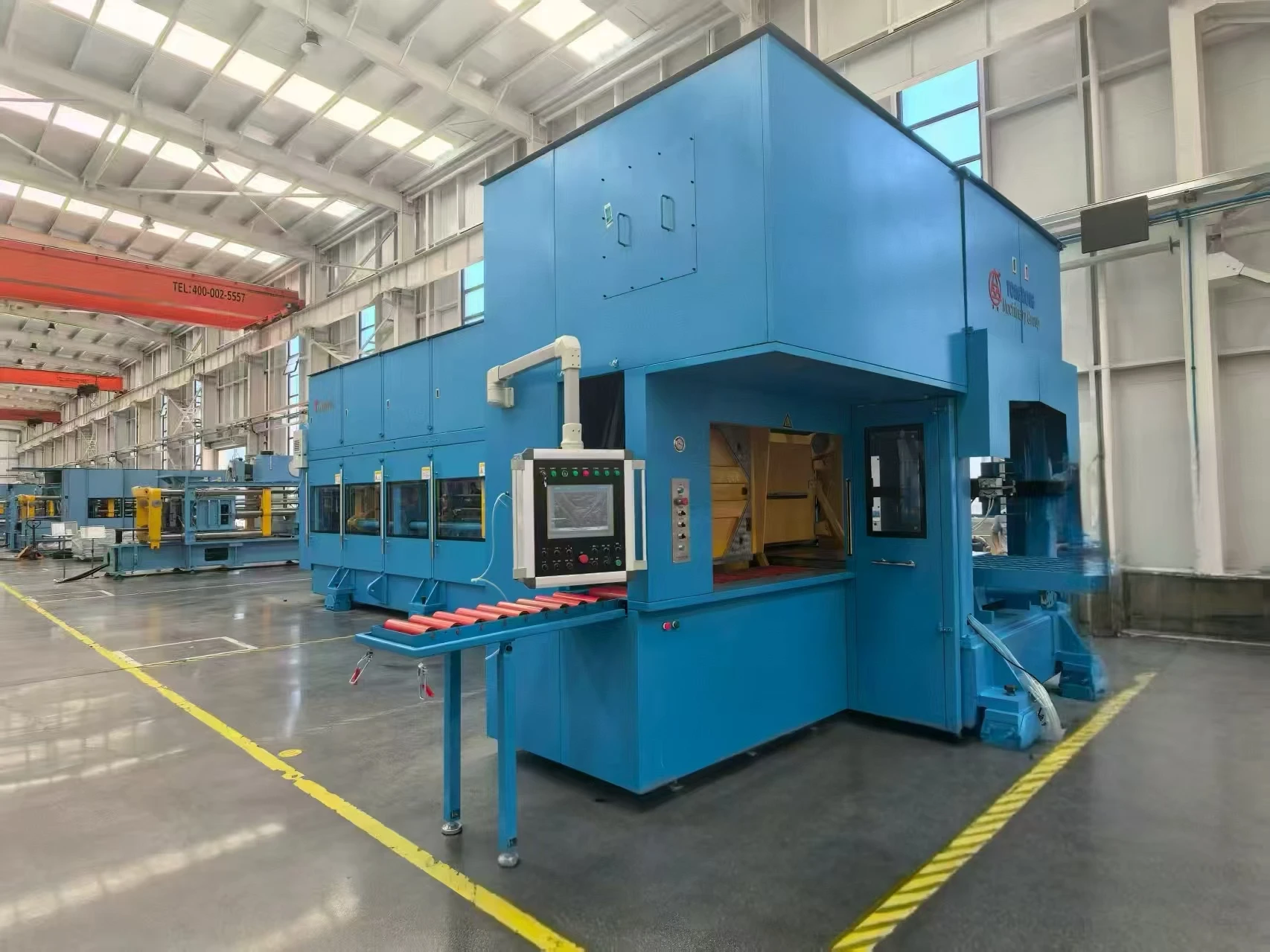
Several types of gravity casting machines are available, each suited for different production requirements. Manual gravity casting machines are the simplest and most affordable, relying on operator skill for pouring the molten metal. Semi-automatic machines offer increased efficiency through automated mold handling and pouring controls. Fully automatic machines provide the highest level of automation, integrating robotic systems for consistent and high-volume production. The choice depends on your production volume, budget, and the complexity of the castings you intend to produce. Our team can help guide you through the selection process.
When selecting a gravity casting machine, consider several key factors. Your production volume and the size and complexity of your castings will dictate the appropriate machine type. The materials you will be casting are also crucial – some machines are better suited for specific alloys. Furthermore, factor in the required level of automation, the available floor space, and the overall budget. Investing in a reliable machine with robust build quality and readily available spare parts is essential for minimizing downtime and maximizing productivity.
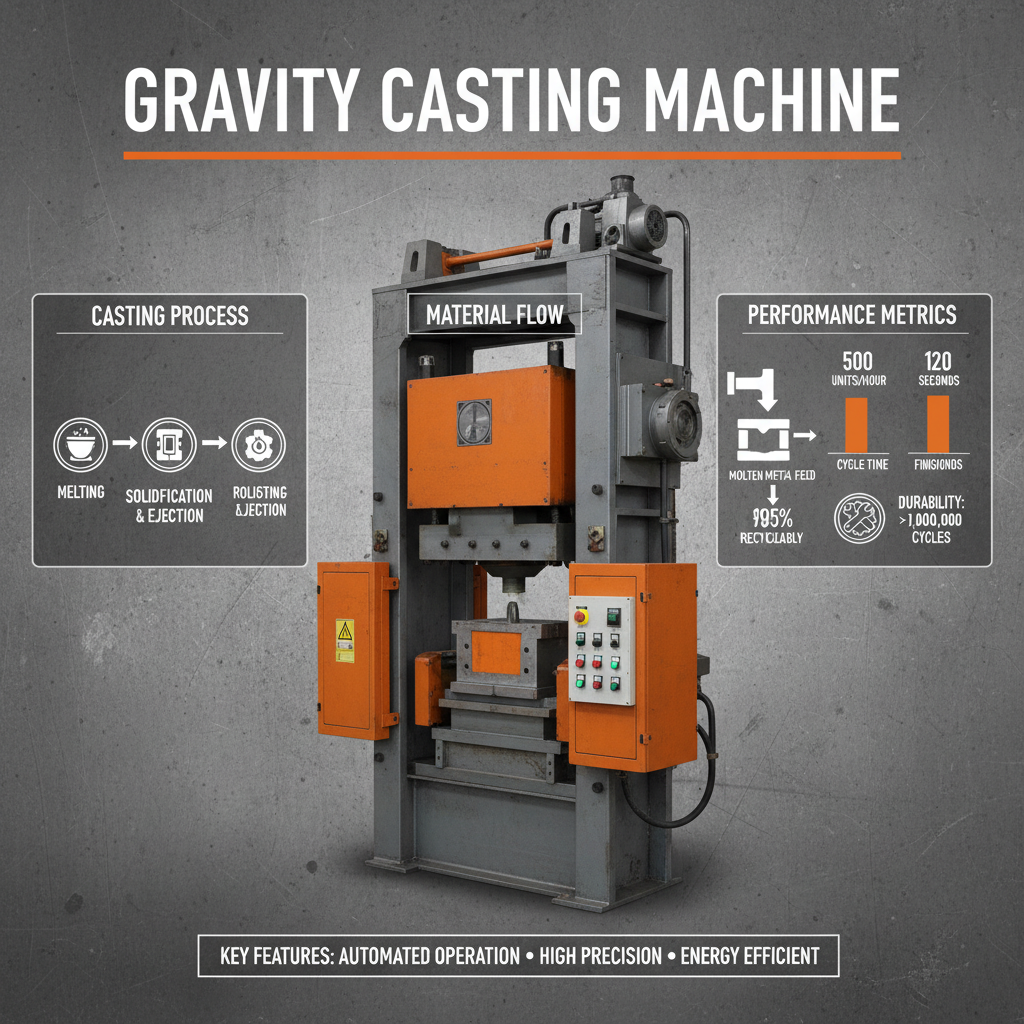
Investing in a high-quality gravity casting machine is a strategic decision for any metal casting operation. The versatility, cost-effectiveness, and ability to produce high-quality parts make it a valuable asset. By carefully considering your specific needs and selecting the right machine, you can significantly enhance your production capabilities and improve your bottom line.
Gravity casting is a versatile process applicable to a wide range of metals. Commonly cast materials include aluminum alloys, cast iron (gray, ductile, and white), brass, bronze, and various steel alloys. The suitability of a specific metal depends on factors like melting point, fluidity, and reactivity with the mold material. Proper mold design and pouring techniques are crucial for achieving successful castings with different metals. For specialized alloys or particularly challenging materials, consultation with a casting expert is recommended. Yonghong BQ provides guidance on optimal material compatibility.
The cycle time for gravity casting varies significantly based on the size and complexity of the casting, the material being used, and the cooling rate. Generally, a cycle time can range from several minutes to an hour or more. Smaller, simpler castings with materials that cool quickly will have shorter cycle times. Larger, more complex castings with materials that require slower cooling will necessitate longer cycle times. Automated systems and efficient mold handling can help reduce overall cycle times.
Common mold materials used in gravity casting include sand, metal, and ceramic. Sand molds are the most widely used due to their cost-effectiveness and ability to accommodate complex shapes. Metal molds, typically made of cast iron or steel, offer greater dimensional accuracy and longer lifespan but are more expensive. Ceramic molds provide excellent surface finish and are suitable for high-temperature alloys. The choice of mold material depends on the casting material, production volume, and desired casting quality.
Regular maintenance is crucial for ensuring the longevity and optimal performance of a gravity casting machine. Key maintenance tasks include lubricating moving parts, inspecting and replacing worn components, cleaning the machine thoroughly, and verifying the accuracy of pouring mechanisms. Following the manufacturer's recommended maintenance schedule is essential. Regular inspections can prevent costly breakdowns and maintain consistent casting quality.