Release Time:2026-01-27
The Internet of Things (IoT) is rapidly transforming industries, connecting devices and generating vast amounts of data. However, harnessing the full potential of IoT requires robust and scalable infrastructure. This is where cloud computing steps in, providing the necessary resources for data storage, processing, and analytics. This article will explore the vital role of cloud computing in IoT, its benefits, challenges, and how it’s shaping the future of connected devices. Understanding this synergy is crucial for businesses looking to leverage the power of IoT effectively.
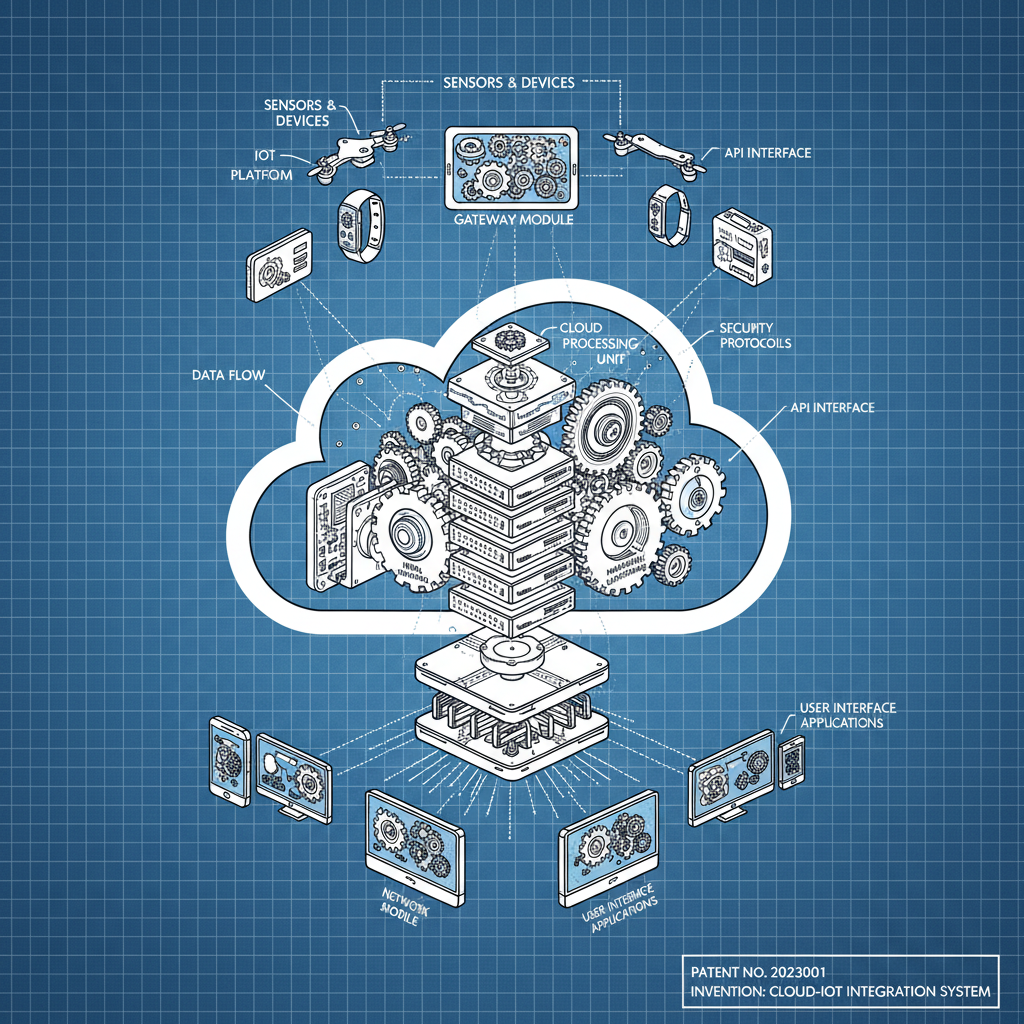
IoT devices generate massive amounts of data, often referred to as ‘big data’. Processing this data locally on devices has limitations in terms of storage capacity, processing power, and scalability. Cloud computing offers a solution by providing on-demand access to virtually unlimited resources. Furthermore, cloud platforms offer essential services like data analytics, machine learning, and security, which are critical for extracting valuable insights from IoT data. Without cloud infrastructure, managing and analyzing the data streams from a large-scale IoT deployment would be incredibly complex and costly. Yonghongbq provides solutions to help streamline your IoT data management and processing through cloud integration.
Key Benefits: Scalability, Cost-effectiveness, Real-time Data Processing, Enhanced Security, and Accessibility.
Several cloud deployment models cater to different IoT needs. These include Public Cloud, Private Cloud, and Hybrid Cloud. Public clouds, like AWS, Azure, and Google Cloud, offer scalability and cost-effectiveness but may raise concerns about data security and compliance. Private clouds provide greater control and security, but typically involve higher upfront costs and maintenance. Hybrid clouds combine the benefits of both, allowing organizations to leverage public cloud resources for certain tasks while maintaining sensitive data on a private cloud. Choosing the right deployment model depends on factors like data sensitivity, regulatory requirements, and budget constraints.
Cloud Deployment Model Comparison:
• Public Cloud: Scalable, Cost-effective, Less Control
• Private Cloud: High Security, Greater Control, Higher Cost
• Hybrid Cloud: Balance of Security & Scalability, Complex Management
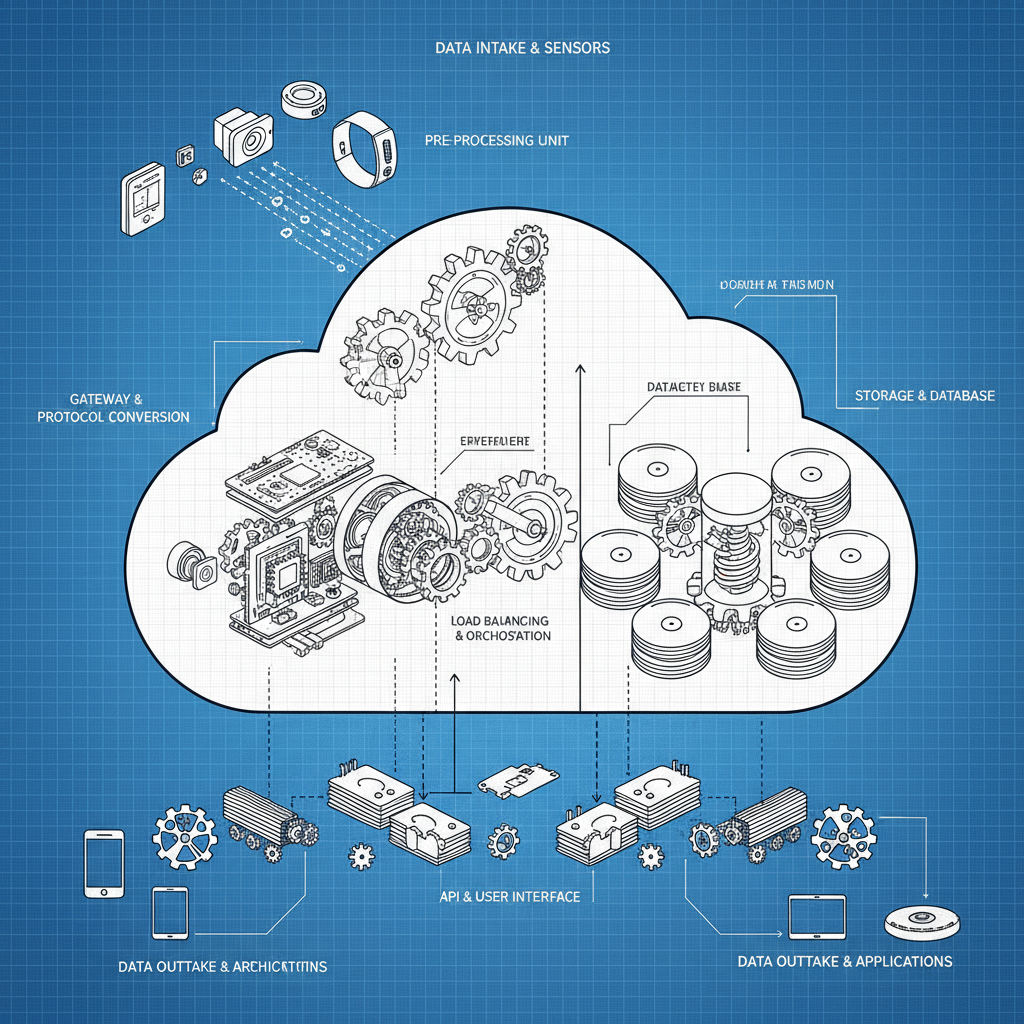
The integration of cloud and IoT relies on several key technologies. Edge Computing processes data closer to the source (IoT devices) reducing latency and bandwidth requirements. Serverless Computing allows developers to build and run applications without managing servers, simplifying deployment and scaling. Containerization (using Docker or Kubernetes) packages applications and their dependencies, ensuring consistency across different environments. Message Queues (like MQTT or Kafka) facilitate reliable communication between IoT devices and cloud platforms. These technologies, combined with robust cloud services, create a powerful ecosystem for IoT applications.
Despite the benefits, integrating cloud computing with IoT presents challenges. Security is paramount, as IoT devices can be vulnerable to cyberattacks. Data privacy regulations (like GDPR) require careful consideration of data handling and storage. Connectivity issues, especially in remote locations, can disrupt data flow. Interoperability between different IoT devices and cloud platforms can be complex. Addressing these challenges requires a holistic approach to security, robust data governance policies, and careful selection of cloud providers and technologies. Yonghongbq specializes in helping organizations overcome these hurdles.
The future of cloud computing in IoT is promising. We can expect to see increased adoption of AI and machine learning for advanced analytics and predictive maintenance. Digital twins – virtual representations of physical assets – will leverage cloud resources for real-time monitoring and optimization. 5G technology will provide faster and more reliable connectivity, enabling new IoT applications. As IoT continues to evolve, cloud computing will remain a critical enabler, powering the next generation of connected devices and intelligent systems.
The integration of cloud computing and IoT is no longer a future trend, but a present reality. By leveraging the scalability, cost-effectiveness, and advanced services of the cloud, organizations can unlock the full potential of their IoT deployments. Addressing the challenges and embracing emerging technologies will be key to success in this rapidly evolving landscape.
Security is a significant concern due to the large number of connected devices and the sensitive data they generate. Potential threats include data breaches, unauthorized access, and device hijacking. Implementing strong authentication mechanisms, encryption, and regular security audits are crucial. Utilizing a cloud provider with robust security certifications and adhering to industry best practices are also essential. Properly securing the ‘edge’ of the network where devices connect is particularly important. Furthermore, ensuring devices receive regular firmware updates to patch vulnerabilities is a proactive security measure.
Edge computing isn’t a replacement for cloud computing, but rather a complement. It handles data processing closer to the source, reducing latency and bandwidth needs, while the cloud provides centralized data storage, analysis, and long-term insights. Edge computing is ideal for real-time applications that require immediate responses, while the cloud is better suited for complex analytics and historical data processing. They work together to create a more efficient and responsive IoT system.
Data analytics is a core component. The cloud provides the powerful tools and resources needed to analyze the massive datasets generated by IoT devices. This analysis can reveal valuable insights into device performance, user behavior, and operational efficiency. Predictive maintenance, anomaly detection, and optimized resource allocation are just a few examples of how data analytics improves IoT systems. Machine learning algorithms further enhance these capabilities, enabling automated decision-making.
Several factors are crucial. These include the provider’s security features, scalability, pricing model, geographic coverage, and integration capabilities. It’s also important to consider the provider’s support services and their expertise in IoT. Choosing a provider that aligns with your specific needs and industry regulations is paramount. Consider the provider's commitment to innovation and their roadmap for future IoT-related services.