Release Time:2026-01-27
In a world increasingly driven by automation and precise measurement, pressure sensors play a vital role across numerous industries. From industrial process control to medical devices and automotive applications, these sensors provide critical data for optimizing performance, ensuring safety, and enhancing efficiency. This article will explore the principles behind pressure sensors, the various types available, their applications, and key considerations when selecting the right sensor for your needs. We’ll delve into how advancements in technology continue to improve their accuracy, reliability, and versatility.
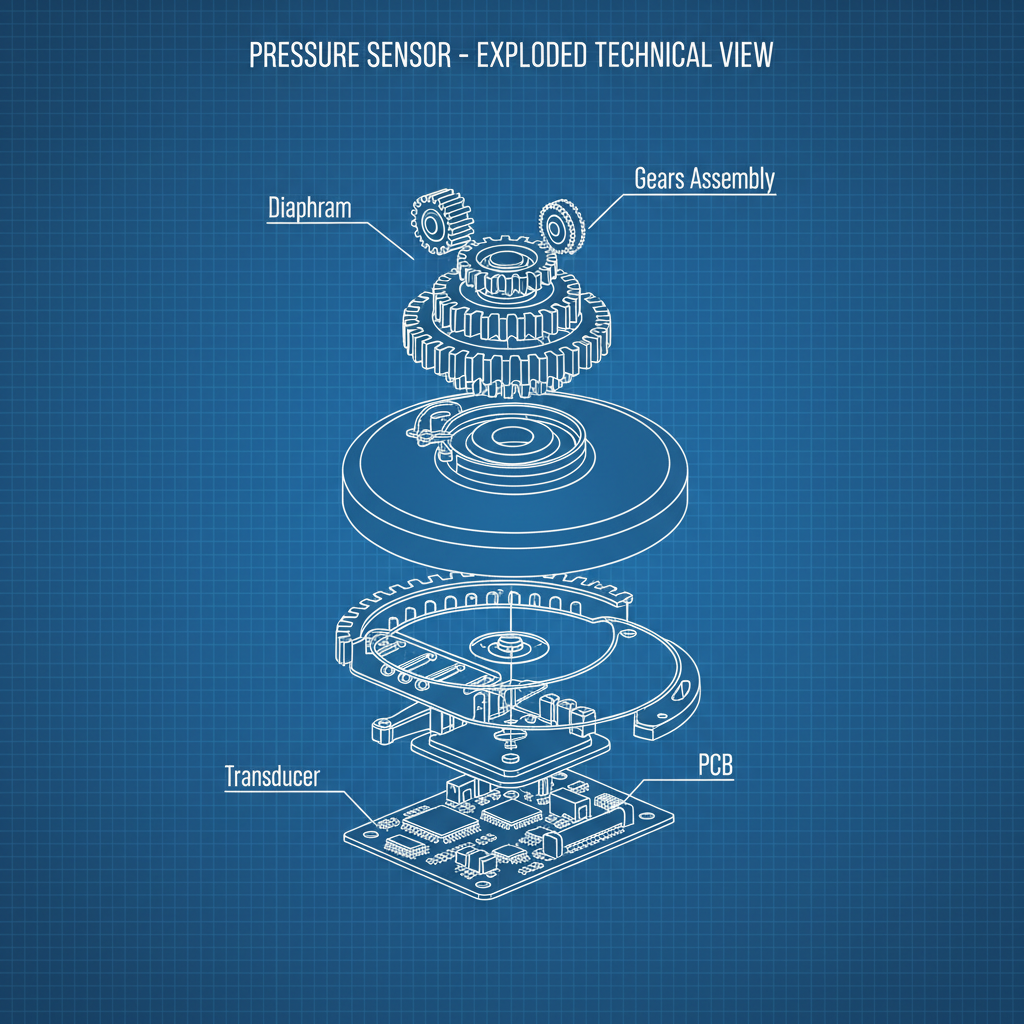
At their core, pressure sensors convert physical pressure into an electrical signal. This conversion relies on various technologies, but the fundamental principle remains the same: a change in pressure alters a measurable electrical characteristic, such as resistance, capacitance, or voltage. This electrical signal is then processed and interpreted to determine the pressure value. Understanding the underlying mechanism is key to choosing a sensor that meets specific application requirements. The accuracy and stability of the sensor are directly related to the quality of the transduction element and the associated signal conditioning circuitry. Many sensors also incorporate temperature compensation to minimize drift caused by temperature fluctuations.
Key Principle: Pressure sensors translate physical force per unit area into an electrical signal, enabling precise monitoring and control.
Several types of pressure sensors are available, each with its own strengths and weaknesses. The most common include:
Sensor Type Comparison:
• Strain Gauge: Cost-effective, versatile.
• Capacitive: High sensitivity, low power consumption.
• Piezoelectric: Fast response time, dynamic measurements.
• Piezoresistive: High accuracy, small size.
Pressure sensors are ubiquitous, finding application in a vast array of industries and devices. Some key applications include:
Choosing the appropriate pressure sensor requires careful consideration of several factors, including pressure range, accuracy, media compatibility, operating temperature, and output signal. The pressure range should be selected to cover the expected operating conditions with sufficient margin. Accuracy requirements will dictate the sensor technology and calibration standards. Ensure the sensor’s materials are compatible with the process media to prevent corrosion or damage. Yonghong BQ offers a wide range of pressure sensors tailored to diverse applications, with expert guidance to help you make the optimal selection.
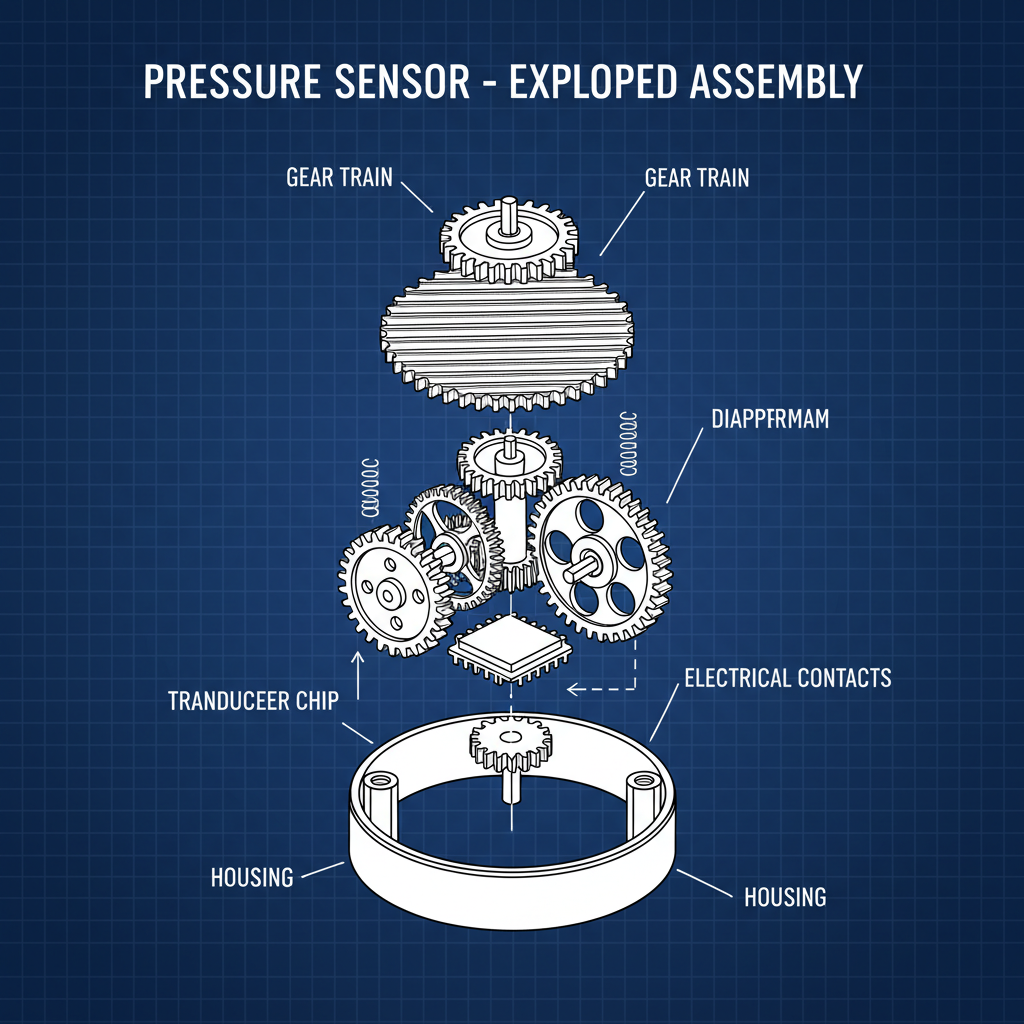
The field of pressure sensing is constantly evolving, driven by the demand for smaller, more accurate, and more reliable sensors. Emerging trends include the development of MEMS (Micro-Electro-Mechanical Systems) pressure sensors, wireless pressure sensors, and sensors with integrated signal conditioning. These advancements promise to unlock new possibilities in industries like IoT, smart manufacturing, and precision healthcare. The integration of artificial intelligence and machine learning algorithms is also enabling pressure sensors to provide predictive maintenance capabilities and optimize performance in real-time.
Pressure sensors are essential components in a vast range of applications, providing critical data for optimizing performance, ensuring safety, and enhancing efficiency. As technology continues to advance, we can expect even more innovative pressure sensing solutions to emerge, further expanding their capabilities and impact. Explore Yonghong BQ’s comprehensive range of pressure sensors to find the perfect solution for your needs.
Absolute pressure sensors measure pressure relative to a perfect vacuum. Gauge pressure sensors measure pressure relative to atmospheric pressure. Differential pressure sensors measure the difference in pressure between two points. The choice depends on the application; for example, monitoring tank pressure often uses gauge sensors, while flow measurement benefits from differential sensors. Understanding these distinctions is crucial for accurate measurements and system control.
Several factors can affect accuracy, including temperature variations, hysteresis, linearity, and calibration. Temperature compensation is vital for minimizing drift. Hysteresis refers to the difference in output for increasing versus decreasing pressure. Linearity describes how closely the sensor output matches a straight line. Regular calibration is essential to ensure the sensor maintains its accuracy over time. Selecting a sensor with low hysteresis and good linearity is also important.
Protecting sensors from harsh environments involves selecting appropriate materials, enclosures, and filtration systems. Choose sensors with corrosion-resistant materials for exposure to corrosive media. Use sealed enclosures to prevent ingress of dust, moisture, or other contaminants. Install filters to remove particulate matter from the process fluid. Proper cable routing and shielding can also minimize electrical interference and ensure signal integrity.