Release Time:2026-03-26
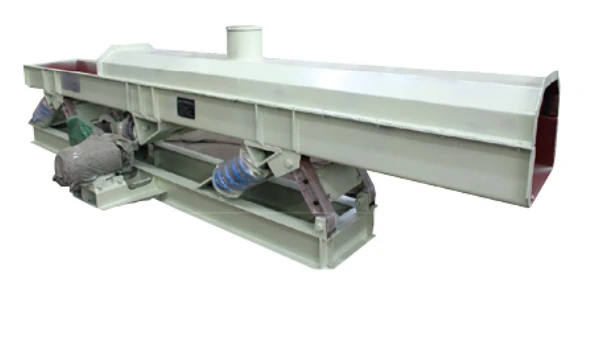
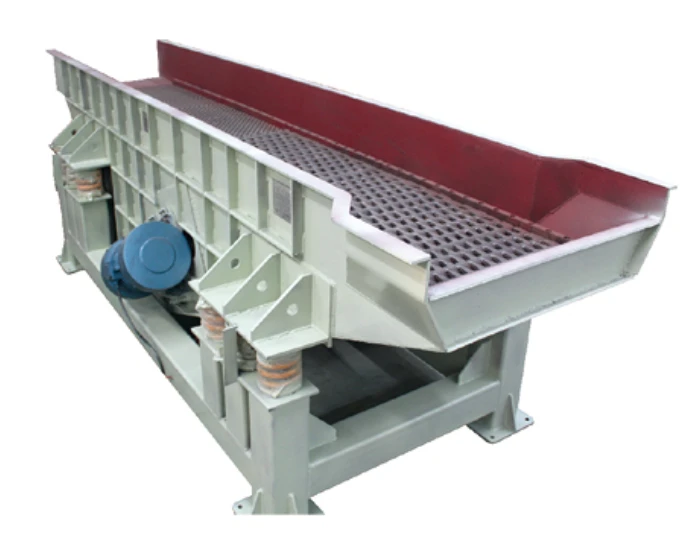
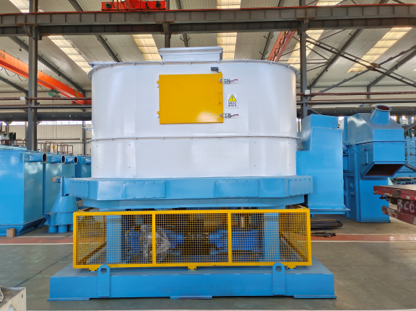
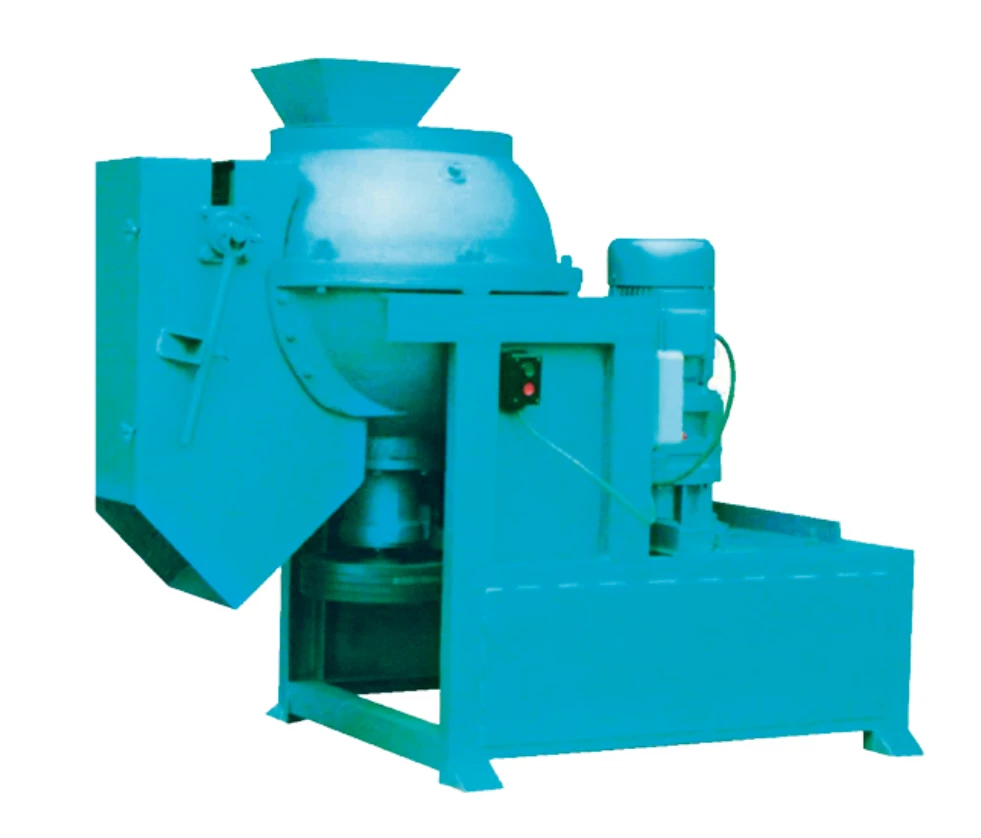
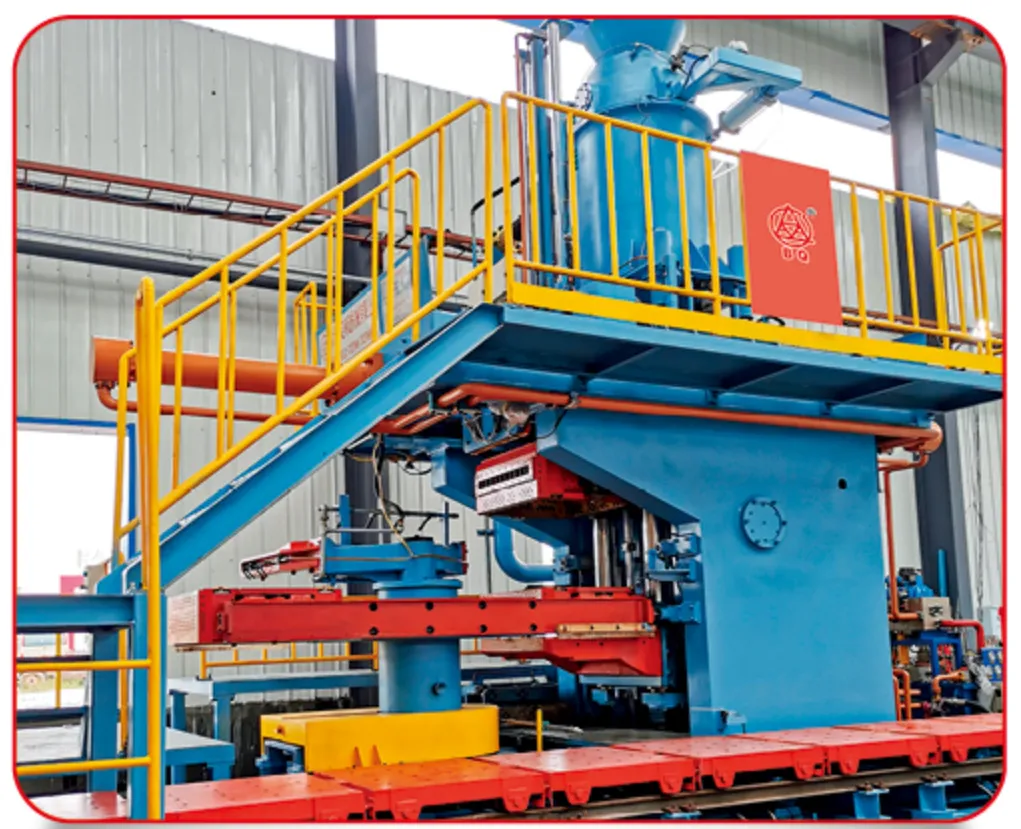
Casting machinery is the backbone of countless manufacturing processes, transforming raw materials into intricate and durable components. From automotive parts to aerospace components, these machines play a vital role in modern production. This article provides an in-depth look at casting machinery, its types, applications, and the factors to consider when selecting the right equipment for your needs. We will also explore how Yonghong BQ provides cutting-edge casting solutions. Choosing the right casting machine is crucial for efficiency, quality, and cost-effectiveness.
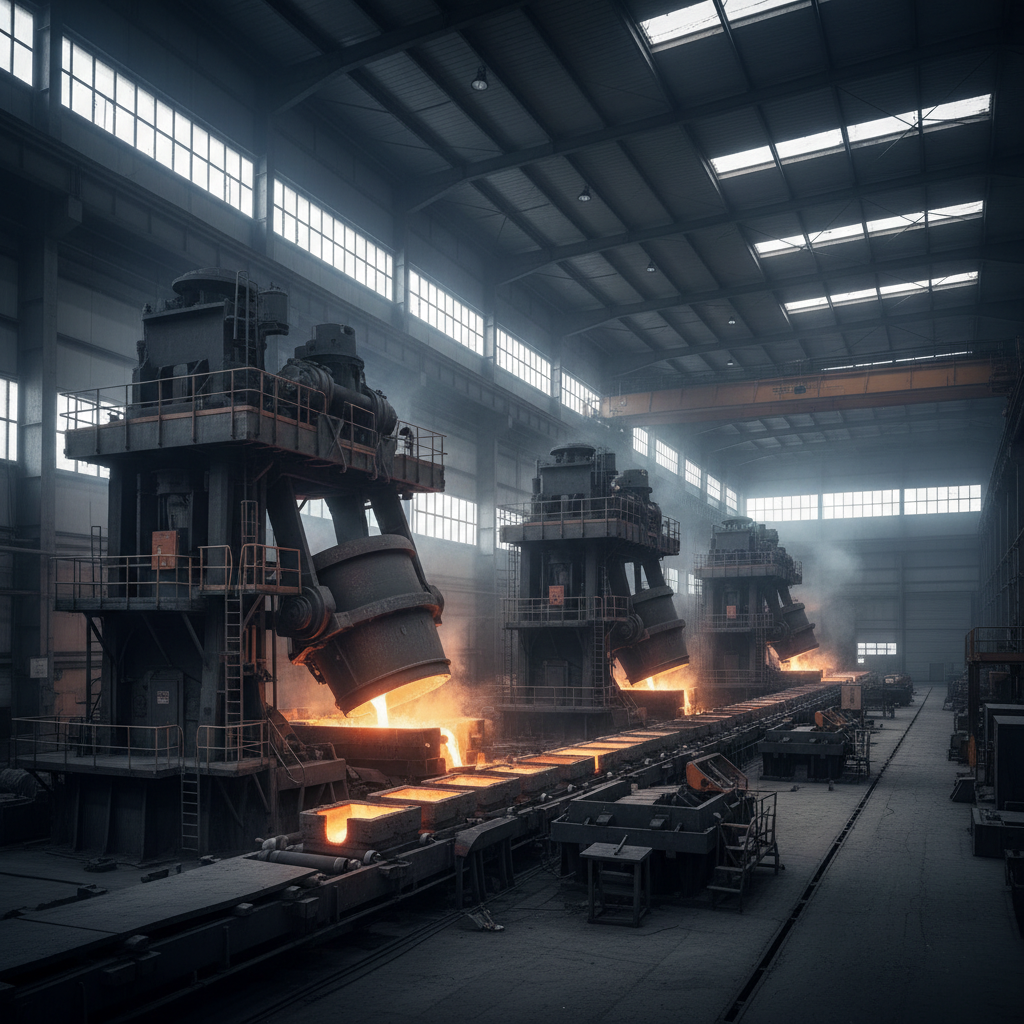
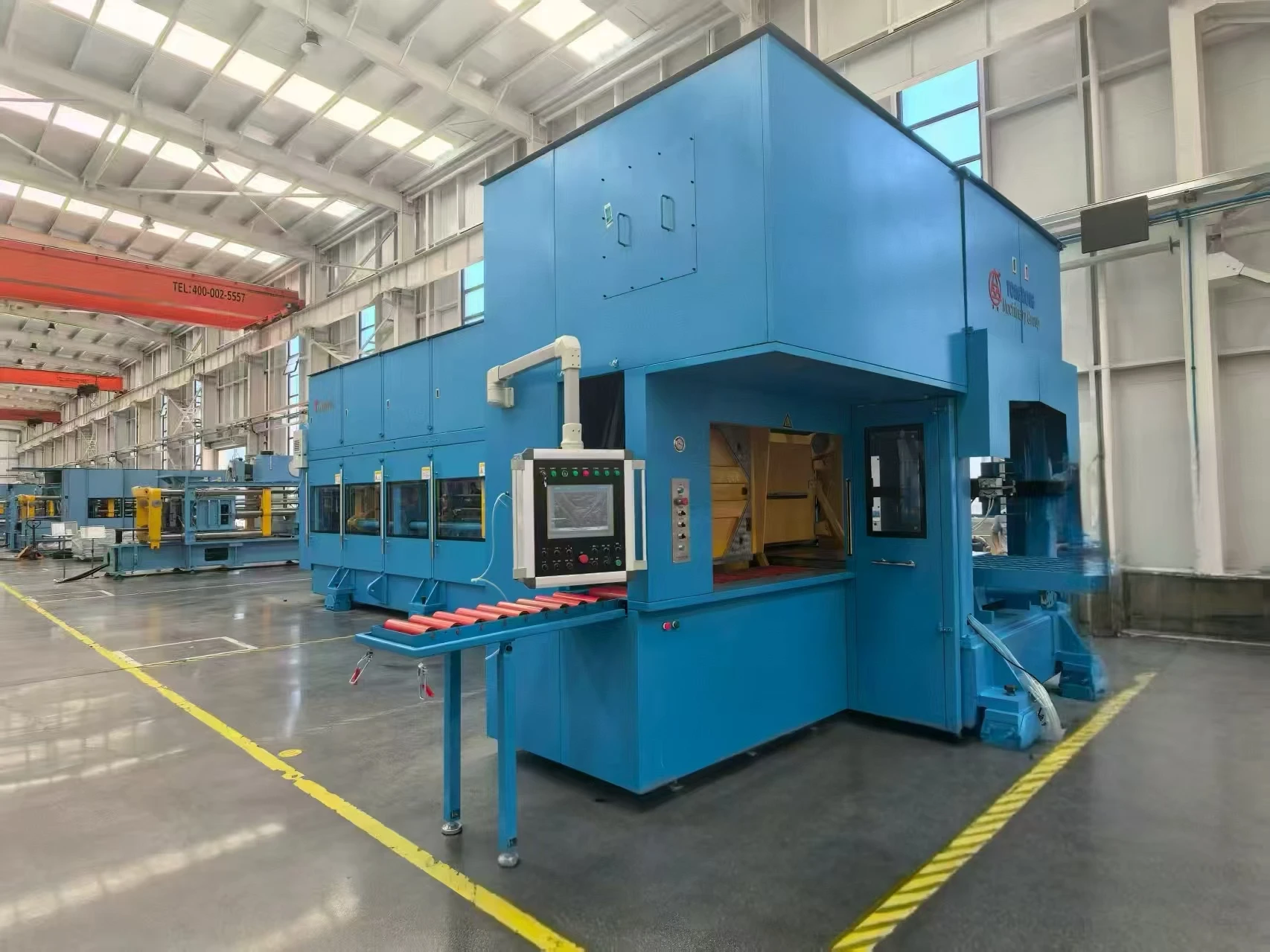
Casting machinery encompasses a wide array of equipment used to shape molten material – typically metals – into desired forms. The process involves pouring the liquid metal into a mold, allowing it to solidify, and then extracting the finished casting. The specific machinery used depends on the casting process (discussed below), the material being cast, and the required production volume. Key components often include melting furnaces, mold-making equipment, pouring systems, and finishing tools. Selecting the appropriate machinery requires careful consideration of these factors to optimize production and ensure the quality of the final product.
Key Takeaway: Casting machinery transforms molten materials into solid shapes using molds, with the specific equipment varying based on process, material, and volume.
There are several primary types of casting machinery, each suited to different applications. These include:
Selecting the appropriate casting machinery is critical for operational success. Several factors must be carefully evaluated. First, consider the material being cast. Different metals require different melting temperatures and mold materials. Second, assess the complexity of the desired shape. Investment casting excels at intricate designs, while sand casting is better for simpler geometries. Third, determine the production volume. Die casting is optimal for high-volume production, whereas sand casting is more suitable for smaller runs. Finally, consider the budget and the available space within your facility. Yonghong BQ offers consultation services to help you navigate these complexities.
Key Considerations:
• Material being cast
• Complexity of the shape
• Production volume
• Budget and space limitations
Here’s a quick comparison of the most common types of casting machinery:
The casting industry is constantly evolving, driven by advancements in automation, materials science, and digital technologies. We're seeing increased adoption of robotics for tasks like mold handling and pouring, as well as the integration of 3D printing for rapid prototyping and mold creation. Sustainable casting practices, focused on reducing waste and energy consumption, are also gaining prominence. Yonghong BQ is committed to staying at the forefront of these innovations, offering our clients cutting-edge solutions for their casting needs.
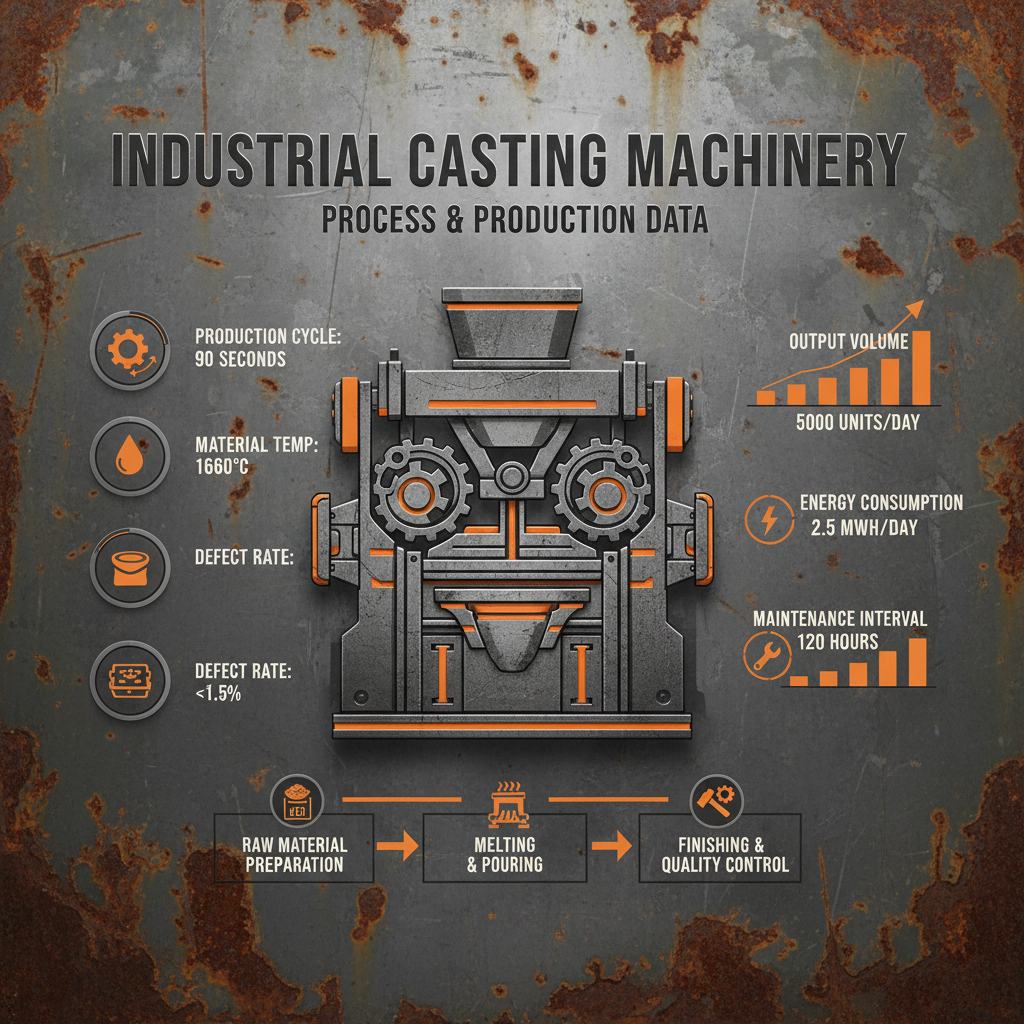
Choosing the right casting machinery is a significant investment that can significantly impact your manufacturing processes. By carefully considering your specific needs, production volumes, and material requirements, you can select the equipment that delivers optimal performance, quality, and cost-effectiveness. Yonghong BQ is a trusted partner for companies seeking reliable and innovative casting solutions. We offer a comprehensive range of machinery and expert support to help you achieve your manufacturing goals.
A well-maintained die casting machine typically has a lifespan of 10-20 years, although this can vary depending on usage intensity, maintenance practices, and the quality of the initial components. Regular maintenance, including lubrication, die inspections, and prompt replacement of worn parts, is crucial for maximizing the machine’s longevity. Factors such as the type of alloy being cast and the complexity of the parts produced can also influence the lifespan. Investing in preventative maintenance programs is highly recommended.
Operating casting machinery involves inherent risks, so strict adherence to safety protocols is paramount. Key precautions include wearing appropriate personal protective equipment (PPE) such as heat-resistant gloves, safety glasses, and protective clothing. Ensuring proper ventilation to avoid exposure to fumes and gases is essential. Regular machine inspections and maintenance are vital for identifying and addressing potential hazards. Operators should receive thorough training on machine operation and emergency procedures. Always follow lockout/tagout procedures during maintenance and repairs.
Automation significantly enhances casting machinery efficiency by reducing manual labor, increasing production speed, and improving consistency. Automated systems can handle tasks such as mold handling, pouring, cooling, and finishing with greater precision and speed than manual operations. This leads to reduced cycle times, lower production costs, and improved product quality. Furthermore, automation minimizes the risk of human error and creates a safer working environment. The integration of robotics and automated control systems is becoming increasingly common in modern casting facilities.