Release Time:2026-01-04
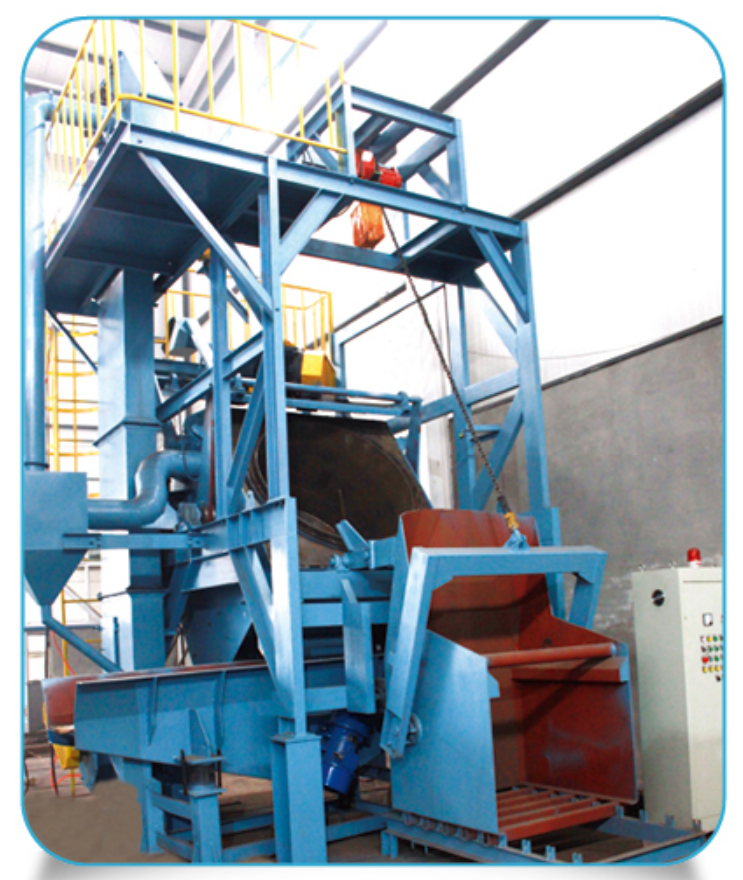
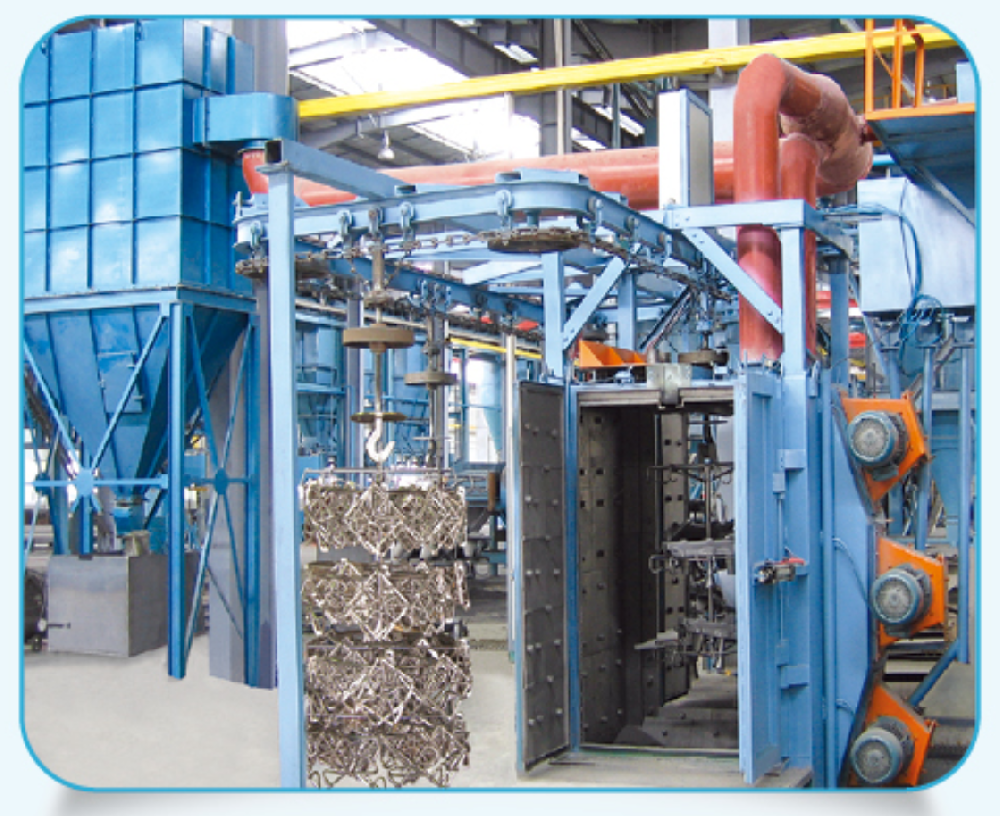
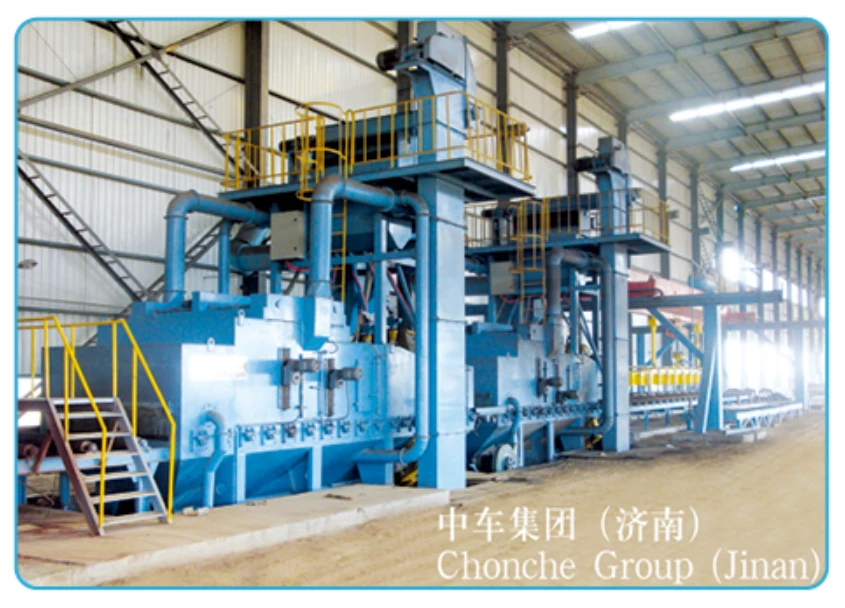
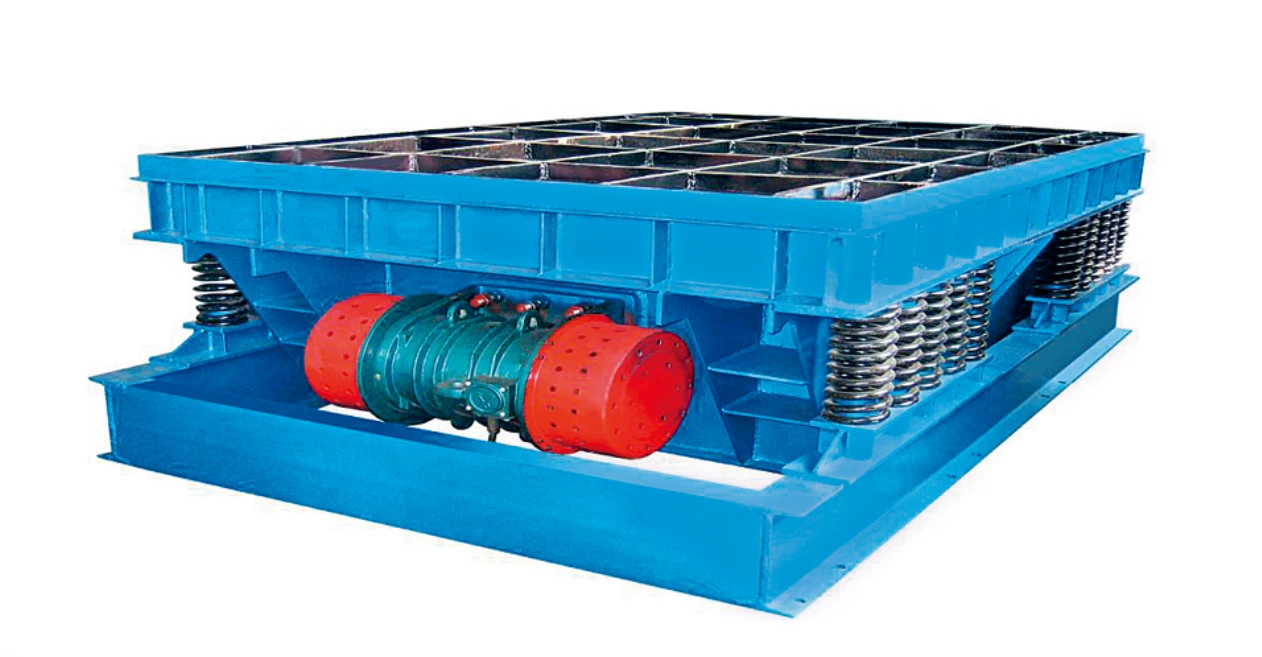
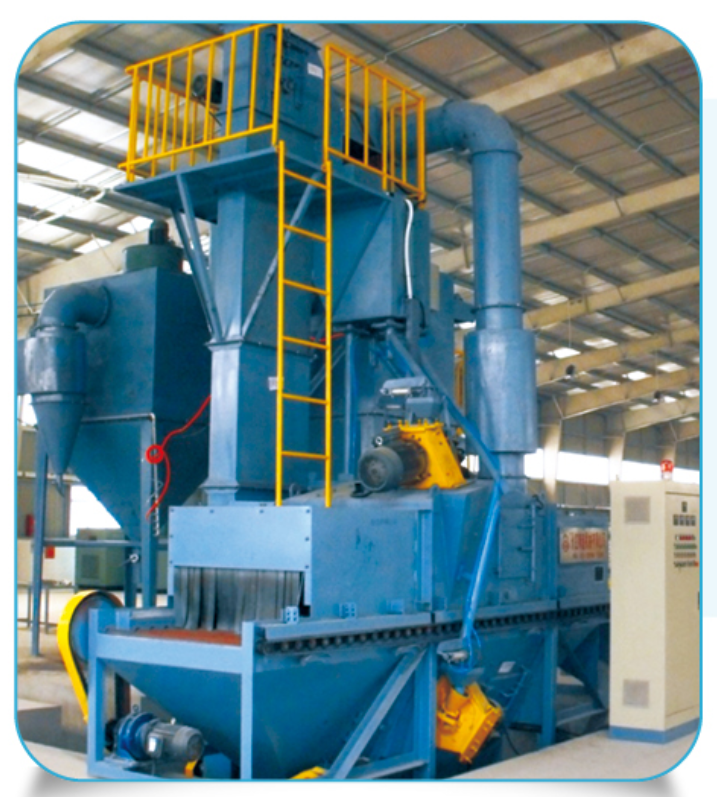
Having spent over a decade in the industrial equipment sector, I can tell you there’s something oddly reassuring about a well-oiled sand molding machine. These machines, frankly, have transformed the way foundries operate — streamlining casting preparation while ensuring precision that, back in the day, was more guesswork than science.
If you’ve ever walked the floor of a busy foundry, you know how critical sand molding is. Not just any sand will do; it’s about the right mix, moisture, and compaction. These machines expertly handle all of that, producing molds that are uniform and reliable. That’s crucial because the consistency of the mold directly affects the quality of the final metal castings.
What fascinates me most is how the design of these sand molding machines has evolved. Early on, there was heavy reliance on semi-automatic processes, meaning the operator had to manually handle many steps. Now, fully automatic systems can complete multiple molds per hour with fine control over variables like pressure and sand usage. It feels like a blend of old-school craftsmanship and new-age automation.
Also, the machines are surprisingly adaptable. You can tweak the settings for different mold sizes and shapes. I recall one client, a manufacturer of automotive parts, who needed very customized molds for an innovative suspension component. Their sand molding machine’s flexibility made it straightforward to adapt without a costly redesign.
| Specification | Detail |
|---|---|
| Mold Size Range | Up to 1200 x 800 mm |
| Cycle Time | 20 - 40 seconds per mold |
| Automatic/Manual Operation | Fully Automatic with manual override |
| Sand Type Compatibility | Green sand, chemically bonded sand |
| Power Supply | AC 380V, 50Hz (customizable) |
| Control System | PLC with touch screen interface |
Now, if you’ve dealt with suppliers in this niche, you probably noticed there’s quite a variety when it comes to sand molding machines. Some emphasize speed, others focus on customization options, and a few are really champions of energy efficiency.
| Vendor | Speed (Molds/hr) | Customization | Energy Efficiency | Price Range |
|---|---|---|---|---|
| Yonghong | Up to 180 | High, adjustable settings | Good, optimized motors | $$ |
| SandTech | Up to 150 | Medium, some presets only | Average | $ |
| MoldPro | Up to 200 | Low, fixed assembly | High, energy recovery system | $$$ |
In real terms, selecting the right sand molding machine revolves around your priorities. Is it speed? Flexibility? Cost-effectiveness? Honestly, it’s often a balancing act. Yonghong’s machines, for instance, strike a nice middle ground, delivering reliable performance without the premium price tag.
Lastly, quality control is something I have seen many overlook until things go sideways. A routine test run after every setup is crucial. One simple test wave can prevent costly scrapped molds. I remember a situation where a foundry caught a pressure calibration issue thanks to such a test — saved them thousands in wasted metal and time.
If you’re in the business, I highly recommend doing your homework on the latest machines. Staying updated with emerging technology can make your workflow smoother and your output more consistent. And don’t hesitate to chat with vendors about customization – these machines are not one-size-fits-all.
So, in summary: a good sand molding machine can be your shop floor workhorse, quietly delivering mold after mold with precision and efficiency—something I have grown to appreciate, quite frankly, far beyond what those early days would have suggested.
References:
1. Yonghong official product data
2. Foundry World Magazine, 2023: “Advancements in Sand Molding Automation”
3. Personal experience & consultations with industry engineers