Release Time:2026-03-28
Investing in a casting machine is a significant decision for any manufacturing operation. The casting machine price varies considerably depending on the type of machine, its capacity, level of automation, and the manufacturer. This article will explore the factors influencing the cost of casting machines, different types available, and provide insights into making an informed purchasing decision. We’ll also look at the return on investment you can expect. Understanding these nuances is crucial for optimizing your production process and maximizing profitability.
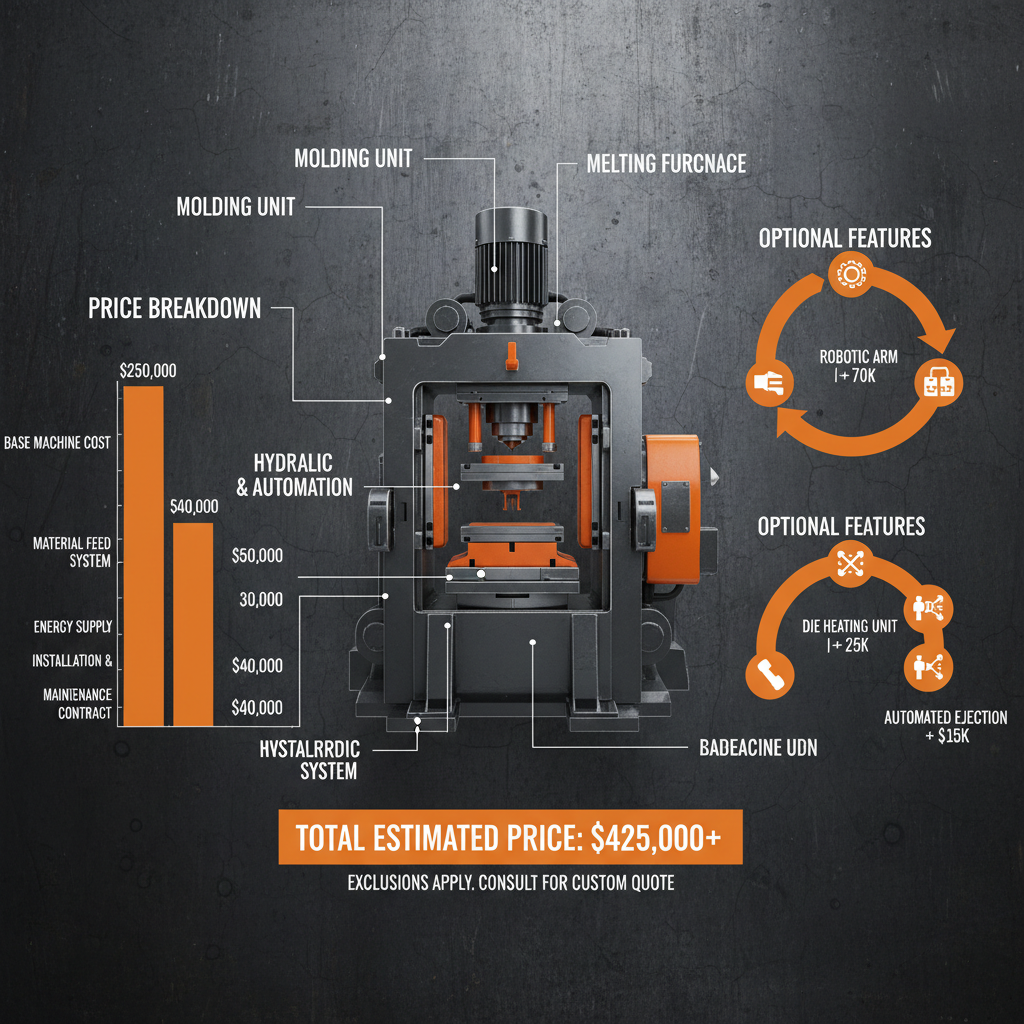
Several key factors determine the casting machine price. These include the machine's type (die casting, sand casting, investment casting, etc.), its automation level (manual, semi-automatic, fully automatic), capacity (tonnage, mold size), and the manufacturer’s reputation. More complex machines with higher capacity and advanced features command higher prices. Additionally, the inclusion of auxiliary equipment such as furnaces, cooling systems, and automated material handling systems will add to the overall cost. Consider your specific production needs and budget carefully when evaluating different options.
Key Considerations: Machine type, automation level, capacity, and auxiliary equipment all significantly impact the final price. Careful planning is crucial.
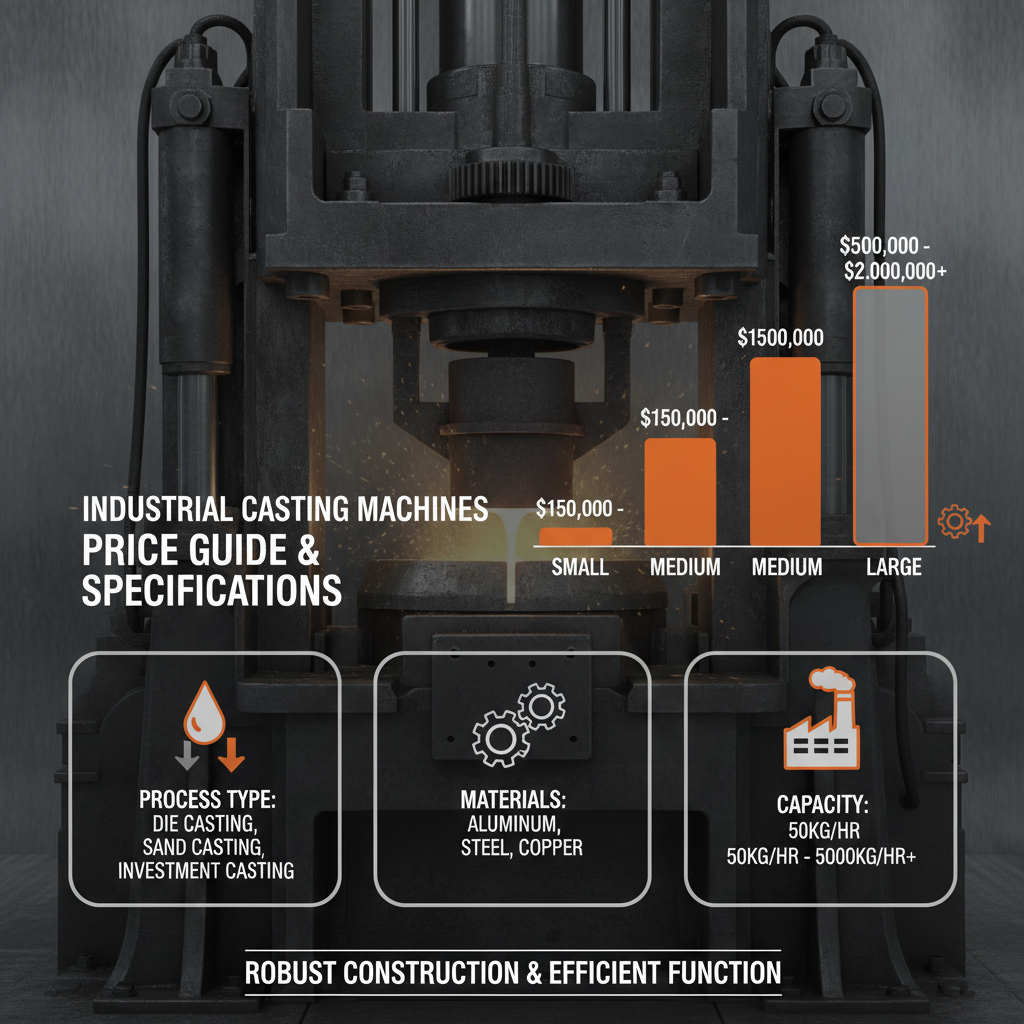
Different casting processes require different types of machines, each with its own price point. Die casting machines, known for their high precision and efficiency, generally have a higher casting machine price compared to sand casting machines. Investment casting machines, used for intricate designs, also fall into a higher price category. Here's a general overview of price ranges (estimates, subject to change):
Automation significantly affects the casting machine price. Manual machines are the least expensive, but they require more labor and are prone to human error. Semi-automatic machines offer a balance between cost and efficiency, while fully automatic machines represent the highest investment but deliver the greatest productivity and consistency. The increased upfront cost of automated systems is often offset by reduced labor costs, improved quality control, and higher production volumes. Consider your long-term production goals when evaluating the level of automation.
Automation Benefits:
• Reduced labor costs
• Improved product quality
• Increased production volume
• Enhanced process control
Selecting the appropriate casting machine involves careful consideration of your specific needs and budget. Factors such as the type of metal being cast, the size and complexity of the parts, and the required production volume all play a crucial role. Research different manufacturers, compare specifications, and request quotes from multiple suppliers. Yonghong BQ offers a wide range of casting machines to suit diverse applications. Don't hesitate to ask for a demonstration or visit a facility where the machines are in operation.
Before making a purchase, calculating the potential ROI is essential. This involves considering the initial casting machine price, operating costs (energy, materials, maintenance), labor costs, and the projected revenue generated by increased production capacity. A well-chosen machine can significantly reduce per-unit costs and improve overall profitability. Look for machines with energy-efficient designs and robust construction to minimize maintenance requirements and maximize uptime.
Choosing the right casting machine is a critical decision that impacts your production efficiency and profitability. By carefully evaluating your needs, considering the various factors that influence price, and calculating the potential ROI, you can make a smart investment that will benefit your business for years to come. Yonghong BQ is dedicated to providing high-quality casting machines and expert guidance to help you find the perfect solution.
Lead times can vary significantly depending on the machine's complexity, customization requirements, and the manufacturer's current production schedule. Generally, standard machines may have a lead time of 8-12 weeks, while customized machines can take 12-20 weeks or longer. It's essential to discuss lead times with the supplier during the quotation process and factor them into your production planning. Yonghong BQ strives to provide accurate and realistic delivery timelines.
Regular maintenance is crucial for ensuring the longevity and optimal performance of a casting machine. This includes daily inspections, lubrication of moving parts, filter replacements, and periodic checks of hydraulic and electrical systems. It's recommended to establish a preventive maintenance schedule and train personnel to perform routine tasks. Yonghong BQ provides comprehensive maintenance manuals and support services.
Yes, Yonghong BQ provides comprehensive installation and training services to ensure a smooth setup and efficient operation of your casting machine. Our experienced technicians will install the machine, calibrate it to your specifications, and provide thorough training to your personnel on its operation and maintenance. We also offer ongoing technical support to address any questions or concerns you may have.
The warranty period for a casting machine typically ranges from 12 to 24 months, depending on the manufacturer and the specific machine model. The warranty usually covers defects in materials and workmanship. Yonghong BQ offers a standard warranty on all its machines, and extended warranty options may be available. Carefully review the warranty terms and conditions before making a purchase.