Release Time:2025-12-12
Vibrating Table is a key solution in the construction materials industry, specifically within precast concrete and foundry casting. This article explores how Yonghong supports professionals with durable, high-performance products, and explains why this product is an ideal choice for businesses in these sectors.
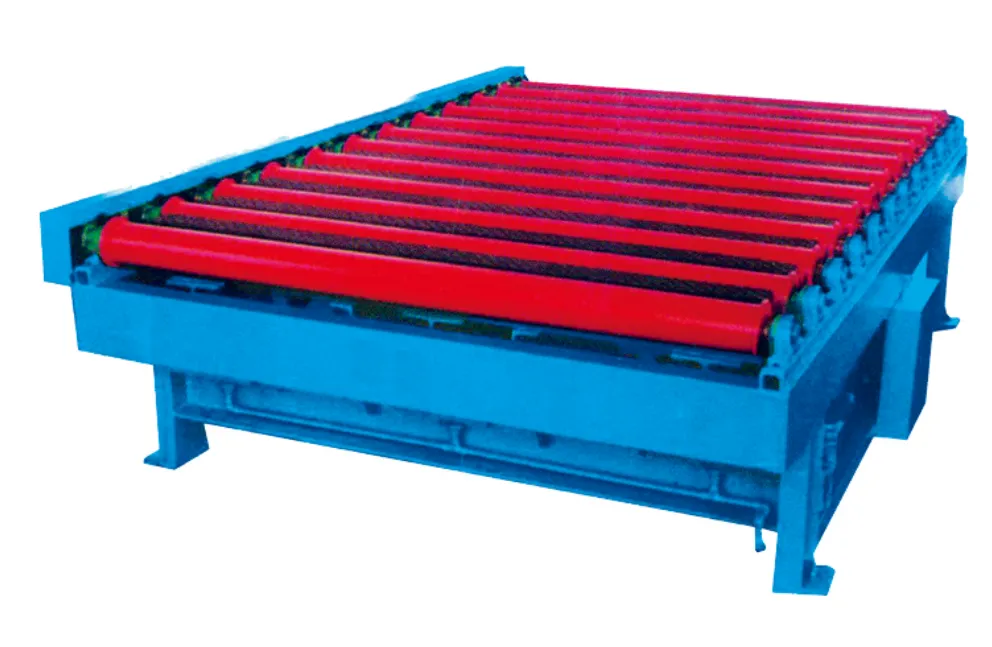
A Vibrating Table is a precision platform that transmits controlled vibration to compact, settle, or de-air materials. In B2B environments such as precast concrete, foundry sand molding, packaging densification, and lab reliability testing, it improves product integrity and process efficiency. Sometimes called a vibrating shaker table or vibrating sand table, it delivers uniform vibration across the deck using robust motors, isolation springs, and a variable frequency drive (VFD). Typical specifications include platform sizes from 300×300 mm to 2000×2000 mm, load capacities from 50 kg to 5,000 kg, frequency ranges of 20–60 Hz, and adjustable amplitude to suit fragile or heavy-duty materials. For example, a precast operation can use a Vibrating Table to reduce air voids in concrete elements, achieving smoother finishes and higher compressive strength with shorter cycle times. Yonghong’s engineering focuses on balanced force distribution, reinforced decks, and low-maintenance bearings—helping industrial teams standardize quality across shifts and sites.
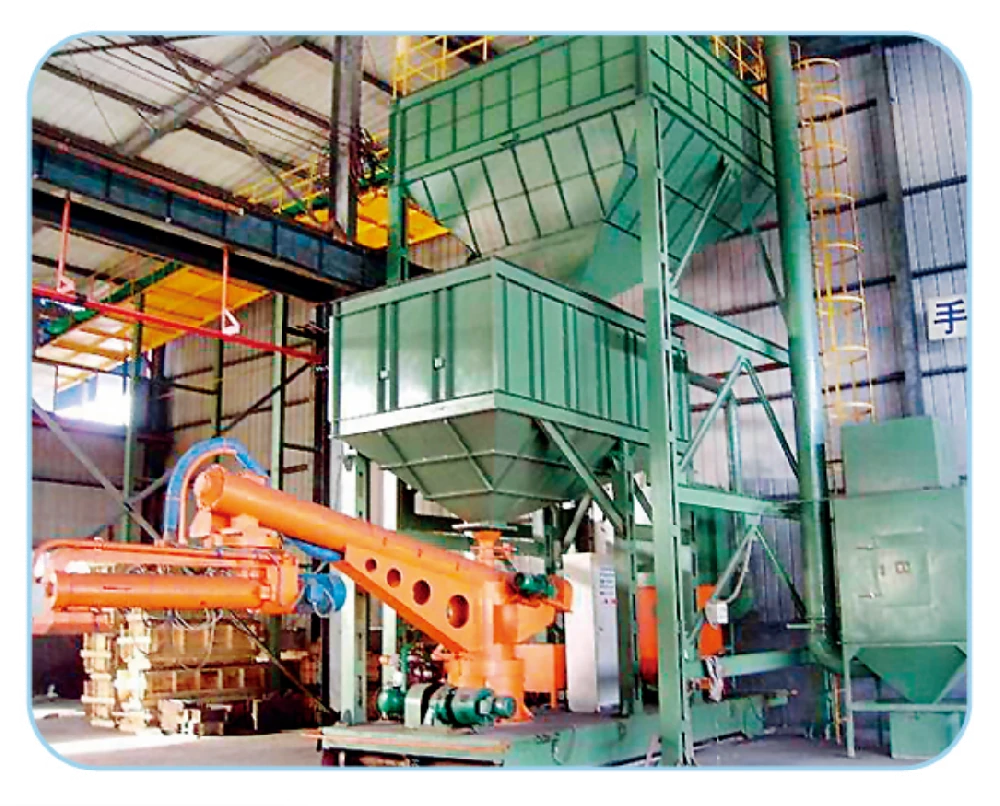
In construction materials, a Vibrating Table compacts concrete in molds, paving blocks, and precast panels to achieve dense, uniform results with fewer defects. In foundries, a vibrating sand table helps pack green sand uniformly around patterns, minimizing collapse and improving casting precision. Packaging and logistics teams use vibrating shaker tables to settle powders, grains, and resin in cartons or drums, reducing shipping volume and preventing product shift. Key advantages include variable-speed control for different material behaviors, even vibration across the deck for consistent compaction, and rugged frames that withstand 24/7 duty. Safety interlocks, anti-slip surfaces, and noise-dampening mounts protect operators and facilities. Yonghong leverages deep application know-how to configure motor size, deck surface, and isolation systems for your process—whether you’re de-airing high-flow SCC concrete, compacting refractory mixes, or stabilizing pallets before stretch wrapping.
Total cost of ownership for a Vibrating Table is driven by energy use, uptime, consumables, and operator throughput. Yonghong’s VFD-driven motors optimize energy consumption by matching vibration intensity to the material, while heavy-duty bearings and balanced eccentric weights extend service intervals. Maintenance is straightforward: periodic greasing, bolt torque checks, and visual inspections of isolators keep the system running reliably. Many B2B users report shorter compaction cycles, less rework, and lower scrap, which translates into measurable ROI within months—especially in high-volume precast, foundry sand packing, and bulk packaging lines. Ergonomic controls, clear readouts for frequency/amplitude, and optional timers simplify training and promote consistent results across shifts. With accessible spares and responsive support, Yonghong helps minimize downtime and align equipment performance with your OEE and quality KPIs.
Manufacturers are prioritizing energy efficiency, safer work environments, and waste reduction. Modern Vibrating Tables support these goals with variable-speed drives that avoid over-vibration, noise-dampened isolation to protect operators, and precise compaction that reduces scrap and material usage. In sectors transitioning to low-carbon concrete, optimized vibration helps achieve target strengths with blended cements and recycled aggregates. Foundries using reclaimed sand benefit from consistent packing with fewer binder overdoses. Digitalization is another trend: plants are integrating vibration controls with PLCs and MES systems for recipe control, traceability, and predictive maintenance. Yonghong embraces these directions with configurable controls, integration-ready panels, and durable designs that support long service life—helping enterprises meet corporate ESG commitments while increasing throughput and product quality.
For B2B decision makers in construction materials and foundry operations, a Vibrating Table delivers consistent compaction, better surface quality, and faster throughput—whether you call it a vibrating shaker table, vibrating sand table, or compaction platform. Yonghong’s robust engineering, application expertise, and service mindset make it a reliable partner from specification to commissioning. Ready to improve quality and productivity across your line? Visit our website: www.yonghongbq.com.