Release Time:2026-01-03
Having spent over a decade immersed in the industrial equipment sector, I can tell you that casting operations are nothing short of fascinating — a perfect blend of art, science, and good old-fashioned grit. You don’t just pour molten metal into a mold and call it a day. There’s a deeply intricate process underneath, one that actually determines the quality and longevity of the finished product.
Casting operation, as the term implies, is all about shaping metal by pouring it into precise molds. Though the concept sounds straightforward, it’s a complex dance of temperature control, material behavior, and timing. Oddly enough, despite the advances in automation and AI, many foundries still rely heavily on experienced castsmen who “know the metal,” because real expertise helps prevent defects like porosity or warping — especially when working with alloys that behave a little unpredictably.
One of my first projects in the business involved a tricky casting operation for an automotive gearbox housing. The client needed extremely tight tolerances, and they were pretty skeptical about achieving them with sand casting. But after adapting mold designs and tweaking cooling rates, we pulled it off — the result was a flawless piece that held up to rigorous stress testing.
In real terms, every metal—from aluminum to cast iron—has unique thermal conductivity and contraction rates. Take aluminum, for example: it cools quickly and demands meticulously engineered molds. You want to avoid internal stresses that can cause cracks down the line. Materials often come with specific treatments like annealing to boost ductility, so the casting can withstand industrial use without unexpectedly failing.
| Specification | Details |
|---|---|
| Common Materials | Aluminum, Cast Iron, Steel, Bronze |
| Typical Mold Types | Sand, Permanent, Shell |
| Melting Temperature Range | 660°C - 1538°C (depends on metal) |
| Cooling Time | Roughly minutes to hours, depending on size |
| Common Defects to Monitor | Porosity, Shrinkage, Cold Shuts, Inclusions |
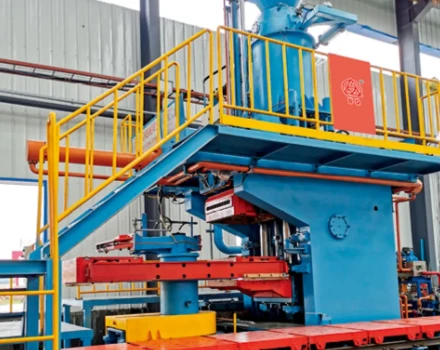
When it comes to casting operation equipment, choosing the right vendor can make a big difference. Frankly, you want a partner who understands these nuances, offers customization, and supports you through testing. I’ve seen it firsthand: companies that skimp on this phase typically face rework, rising costs, or worse, parts that don’t last.
| Vendor | Customization | Technical Support | Pricing (Est.) | Lead Time |
|---|---|---|---|---|
| Yonghong Casting Tech | High - bespoke mold design | 24/7 on-call engineering | Competitive | 2-4 weeks |
| Alpha Industrial Supplies | Medium - standard molds | Business hours only | Higher | 3-6 weeks |
| CastPro Solutions | Low - catalog molds | Email support only | Budget-friendly | 4-8 weeks |
One interesting trend I've noticed lately is the rising demand for sustainable casting practices. Some players are exploring greener binders for sand molds or waste heat recovery systems, which frankly feels like the next logical step in an industry that’s been time-tested for centuries. It’s encouraging to see traditional craftsmanship adapting to modern environmental concerns.
Overall, a well-executed casting operation demands both solid fundamentals and a bit of instinct. You really have to understand your equipment, your materials, and your molds — not just on paper but in practice. I’ve always thought that it’s a little like baking bread; follow the recipe too rigidly and you miss the nuances, but leaving too much to chance leads to disappointing results.
Hopefully, this glimpse behind the scenes sheds light on why casting remains such a vital process in manufacturing. If you’re starting out or looking to improve your operations, investing time in understanding these details will pay off. And if you feel like you’re in over your head, remember: experienced partners and solid tech support are worth their weight in gold.
To wrap up, casting is part science, part craft, and with the right gear and mindset, you can really make it sing.
References: