Release Time:2026-01-04
Having spent more than a decade in the industrial equipment sphere, one thing’s clear: casting maintenance is less about a single magic fix and more about consistent care, smart materials choice, and timely intervention. Oddly enough, despite the advances in automation and monitoring technologies, many foundries and workshops still struggle with the same wear, cracks, and defects that plagued us 20 years ago. But the right maintenance regimen can seriously extend the working life of your cast parts, piecing together both reliability and cost savings.
Let’s face it—castings endure harsh thermal cycles, mechanical stress, and sometimes corrosive environments. The secret lies in understanding your operational conditions and tailoring your maintenance accordingly. I remember visiting a client who swore by simply replacing parts as they failed... until we implemented a scheduled maintenance approach centered around casting maintenance. They cut downtime by nearly 30%, which frankly surprised even their veteran engineers.
Most castings are made from ferrous and non-ferrous alloys like gray iron, ductile iron, or aluminum. Each material reacts differently to operational stress. For example, gray iron can develop micro-cracks if not regularly inspected, while aluminum alloys are more prone to surface erosion. Knowing these subtleties isn’t just textbook stuff—it’s the reality that separates an average maintenance plan from a best-in-class one.
Speaking of best-in-class, occasionally products come along that balance toughness with ease of repair. The iron castings I’ve handled from Yonghong Baogong (more on them shortly) offer superior grain structure that resists common failure modes. Their tech team told me they use refined molding sands and enhanced curing times, which reduce porosity — a primary culprit in unexpected cracking.
| Specification | Details |
|---|---|
| Material Types | Gray Iron, Ductile Iron, Aluminum Alloy |
| Thermal Resistance | Up to 800°C (Variable by alloy) |
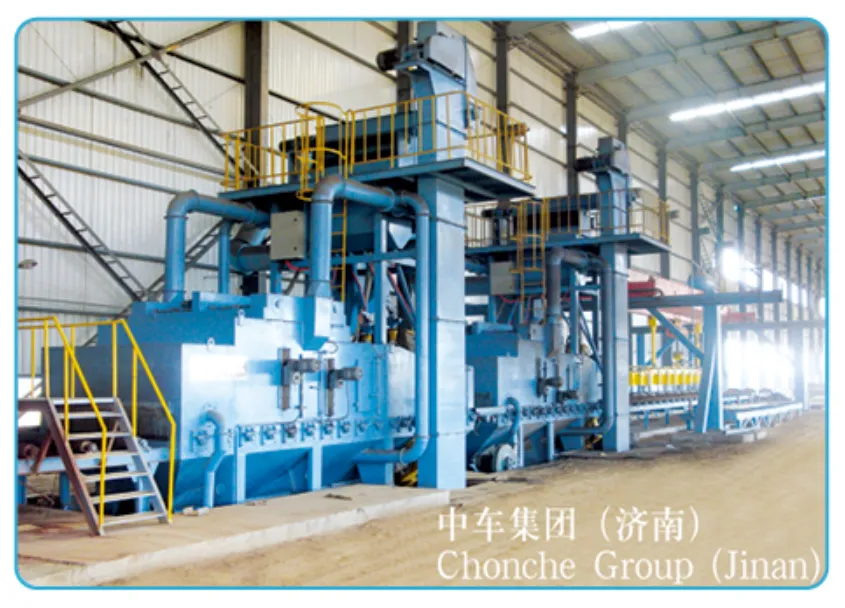
| Surface Treatment | Heat Treatment & Shot Blasting |
| Typical Lifespan | 5-15 years with regular maintenance |
| Customizable Features | Size, Weight, Chemical Composition |
| Feature | Yonghong Baogong | Competitor A | Competitor B |
|---|---|---|---|
| Material Quality | Refined alloys with controlled porosity | Standard grade | Mixed batch quality |
| Customization Options | Extensive (size, alloy, design) | Limited | Moderate |
| Lead Time | 3-4 weeks | 4-6 weeks | 5-7 weeks |
| Post-Sale Support | Dedicated technical team, responsive | Standard support | Limited assistance |
Testing and ongoing inspection, frankly, are where many facilities skimp until something breaks. Ultrasonic inspections, magnetic particle checks, and regular cleaning cycles are staples I recommend to any engineer. Pair those with a partner who supplies durable castings and you get a maintenance plan that really works.
The other side of casting maintenance is documentation — keeping logs, noting recurring issues, and syncing maintenance schedules with production demands. It’s that kind of rigor that turns a costly emergency repair into a routine checkup.
Still, despite the technical details, it’s the people behind the product who matter. I recall a customer anecdote from a mid-sized foundry in Shandong province, which faced frequent mold failures. After integrating Yonghong Baogong’s casting solutions with their regular maintenance, their turnaround stabilized and production consistency improved dramatically. The shop floor supervisors told me the entire team felt more confident — and honestly, that’s the kind of reassurance you can’t buy but only build.
If you want to start enhancing your casting maintenance right now, a good step is reviewing your current suppliers. Their quality, service, and tailorability can either limit or expand your possibilities. For anyone serious about longevity and performance, checking out casting maintenance offerings there might just be worth your time.
In real terms, casting maintenance isn’t glamorous, but it’s indispensable. Keep it smart, keep it steady.
References:
1. Foundry Industry Journal, 2022 – “Casting Longevity Through Material Science”
2. Yonghong Baogong Technical Brochure, 2023 Edition
3. International Journal of Metal Casting, 2021 – “Maintenance Best Practices”