Release Time:2025-10-30
In the intricate world of metal casting, the production of precise internal geometries often poses a significant challenge. This is precisely where the sand core making machine emerges as an indispensable cornerstone, enabling foundries to craft complex, hollow sections within cast components that would otherwise be impossible to achieve. These sophisticated machines are not merely tools; they are the heart of modern casting operations, responsible for fabricating sand cores—sacrificial molds placed within the main mold cavity to form the internal features of a casting. From the intricate passages within an automotive engine block to the precise conduits of an aerospace hydraulic system, the quality of the final product hinges directly on the precision and integrity of the sand core. The evolution of core making technology has seen a dramatic shift from manual, labor-intensive processes to highly automated, computer-controlled systems, each iteration pushing the boundaries of accuracy, speed, and material efficiency. This technological progression is crucial for industries demanding ever-tighter tolerances, superior surface finishes, and reduced material waste, fundamentally reshaping manufacturing capabilities across automotive, heavy machinery, aerospace, and general engineering sectors. The continued drive towards higher performance and cost-effectiveness in casting directly correlates with advancements in sand core production, underscoring the enduring significance of these specialized machines in industrial metal fabrication.
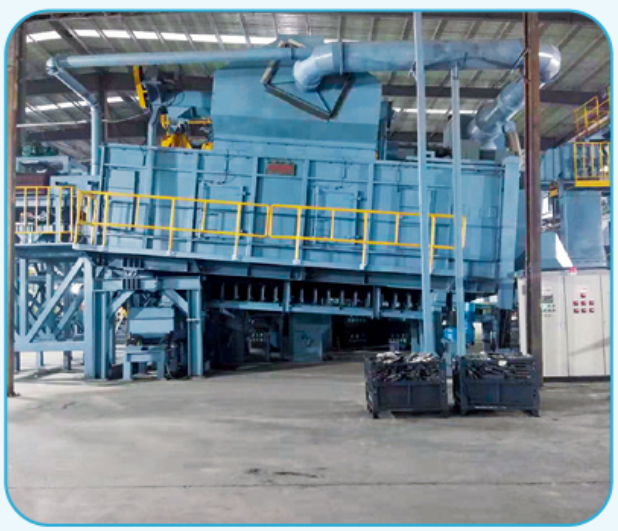
The implementation of advanced core making technologies yields a profound and quantifiable impact on foundry efficiency, translating directly into enhanced profitability and reduced operational burdens. Consider, for instance, the pervasive issue of scrap rates in traditional casting processes, often hovering between 8% and 15% due to core-related defects such as dimensional inaccuracies, gas porosity, or core breakage. By integrating modern core making machines—especially those employing cold box or shell core processes—foundries routinely witness a dramatic reduction in these rates, with many reporting figures consistently below 3%. This improvement alone can translate to millions of dollars in annual savings for large-scale operations. Beyond scrap reduction, these technologies significantly improve casting quality and consistency. Precision-engineered cores ensure tighter dimensional tolerances, leading to decreased post-machining requirements. Data from foundries adopting state-of-the-art core shooters indicate a reduction in machining time by as much as 15-20% on complex parts, alongside a corresponding decrease in tooling wear. Production cycle times are also notably compressed; automated core production cells can churn out cores 25% faster than older, semi-manual setups, accelerating overall throughput. Furthermore, optimized material utilization, with advanced machines precisely metering sand and binder, can cut material waste by 10-12%, contributing to both cost savings and environmental sustainability. The cumulative effect of these improvements is a leaner, more robust production pipeline capable of delivering higher quality components more rapidly and economically.
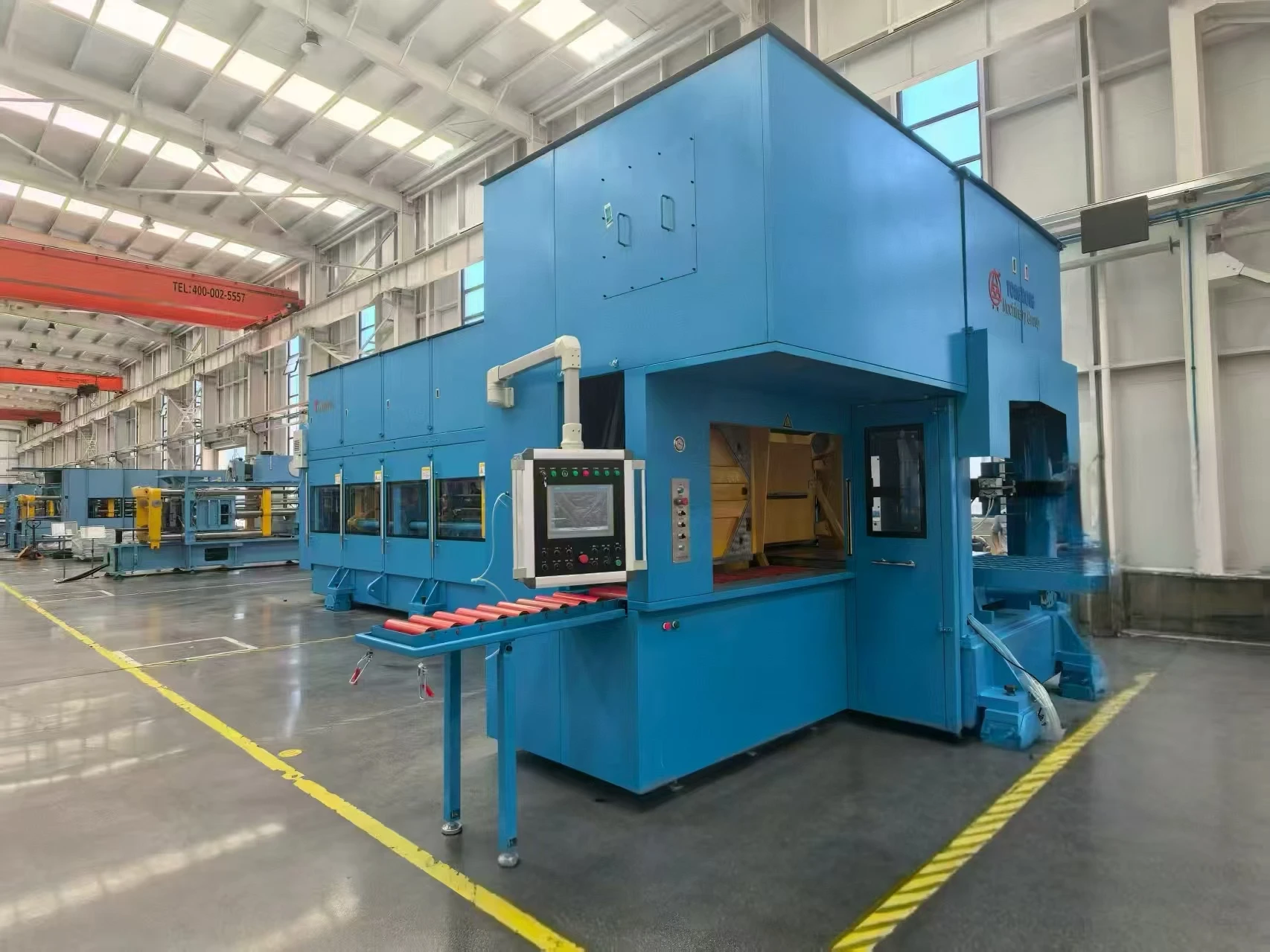
Modern core manufacturing systems stand out due to a confluence of sophisticated technical advantages that collectively redefine precision and productivity in foundries. At their heart, these machines integrate advanced automation and control, typically managed by Programmable Logic Controllers (PLCs) and Human-Machine Interfaces (HMIs) that allow for precise parameter setting and real-time monitoring. This enables minute control over critical processes such as sand injection velocity, binder resin dosage, gassing cycles (for cold box), and heating temperatures (for hot box or shell cores), ensuring unparalleled repeatability. For instance, cold box machines leverage gas generators that accurately deliver catalyst vapors, allowing for rapid curing within seconds, significantly reducing cycle times compared to heat-dependent processes. Shell core machines, on the other hand, benefit from precise temperature regulation within their heated core boxes, often achieving surface finishes superior to other methods. The tooling itself has evolved, with core boxes often manufactured from high-grade alloy steels or aluminum, precision-machined to exacting standards and sometimes featuring wear-resistant coatings to extend lifespan and maintain dimensional accuracy over hundreds of thousands of cycles. Energy efficiency is another key focus; contemporary systems employ optimized heating elements, recuperators to recover waste heat, and intelligent pneumatic or hydraulic systems that minimize air or oil consumption, leading to reductions in energy expenditure by up to 20-30% compared to legacy equipment. Integrated diagnostics and predictive maintenance capabilities, often leveraging sensors and data analytics, minimize downtime and simplify upkeep, ensuring peak operational performance. Furthermore, advanced ergonomic designs and integrated safety features, such as light curtains and interlocking guards, prioritize operator well-being while complying with stringent industrial safety standards, making these machines not just productive but also safer and more user-friendly.
Selecting the appropriate manufacturer for core production equipment is a strategic decision that can significantly impact a foundry's long-term operational success and competitiveness. Beyond the initial purchase price, factors such as technological capability, after-sales support, customization options, and the manufacturer's reputation for reliability must be meticulously evaluated. To illustrate, consider a comparison of three hypothetical manufacturers, each specializing in different aspects of core making, presenting distinct value propositions for varying foundry needs:
|
Feature |
Manufacturer AlphaCore (High-Volume Automation) |
Manufacturer BetaPrecision (Specialty & Flexibility) |
Manufacturer GammaTech (Cost-Effective & Robust) |
|
Primary Core Process Focus |
Cold Box, Automated Shell Core |
Shell Core, Hot Box, Custom Processes |
Cold Box, Manual & Semi-Auto Shell Core |
|
Typical Production Capacity |
150-300 cores/hour (multi-cavity) |
50-150 cores/hour (complex geometries) |
80-200 cores/hour (standard parts) |
|
Automation Level |
Full integration with robotics, Conveyor systems |
Modular automation, Semi-auto options |
Basic automation, Operator interaction required |
|
Energy Consumption (relative) |
Optimized, efficient (e.g., 0.8-1.2 kWh/core) |
Moderate (e.g., 1.0-1.5 kWh/core) |
Higher (e.g., 1.2-1.8 kWh/core) |
|
Maintenance Requirements |
Predictive maintenance systems, lower routine effort |
Standard preventative maintenance |
Regular manual checks and parts replacement |
|
Price Range (relative) |
Premium |
Mid-to-High |
Budget-Friendly |
|
After-Sales Support & Spares |
Extensive global network, rapid response |
Region-specific support, good parts availability |
Local distributors, basic parts stock |
|
Innovation/R&D Investment |
High (Industry 4.0 integration, new materials) |
Medium (Process refinement, custom tooling) |
Lower (Focus on proven robust designs) |
AlphaCore would be ideal for a foundry focused on high-volume automotive components, prioritizing maximum automation and minimal human intervention. BetaPrecision might be the choice for a foundry producing specialized aerospace or medical parts, where extreme precision and the flexibility to handle diverse, complex geometries are paramount. GammaTech, on the other hand, could serve smaller foundries or those producing less intricate industrial components, where initial investment cost and robustness are key considerations. Evaluating these factors rigorously, alongside a manufacturer's track record and long-term support capabilities, ensures a strategic alignment between equipment acquisition and operational objectives, fostering sustained efficiency and growth.
The global foundry landscape is incredibly diverse, encompassing operations ranging from small job shops producing bespoke components to massive industrial facilities churning out millions of identical parts annually. This inherent variability necessitates highly customizable core making solutions, as a one-size-fits-all approach is simply inadequate. Leading manufacturers understand this imperative and offer extensive customization options, transforming their standard machines into perfectly integrated components of a foundry’s unique ecosystem. Customization often begins with the machine's fundamental configuration: core shooting capacity, core box dimensions, and the specific core making process (e.g., cold box for speed, hot box for surface finish, or shell core for high strength). For instance, a foundry specializing in large engine blocks might require a machine with a much larger shot capacity and custom tooling dimensions to accommodate monumental core assemblies, whereas a precision casting facility might prioritize a compact machine with extremely tight control over binder dosage for miniature, intricate cores. Furthermore, integration with existing foundry infrastructure is a critical aspect of customization. This includes interfacing with automated sand delivery systems, robotic core extraction and handling units, and even downstream processes like core assembly and coating stations. Manufacturers often work closely with clients to design bespoke material handling solutions, whether it's conveyor belts specifically designed for fragile cores or automated palletizing systems for high-volume output. Process optimization for unique sand formulations is another area of customization. Some foundries develop proprietary sand-binder systems for specific casting alloys or demanding applications; a custom machine can be calibrated to precisely handle these unique formulations, ensuring optimal curing and core strength. The ability to specify different levels of automation, from semi-automatic operation requiring operator intervention to fully autonomous cells with minimal human oversight, allows foundries to scale their investment according to their current and future production needs, ultimately maximizing efficiency and ensuring seamless integration into their specific operational workflow.
The impact of advanced core making technology is best understood through real-world applications, showcasing how these machines enable breakthroughs in various industries. Here are three illustrative case studies:
Case Study 1: Automotive Engine Block Production
A prominent automotive manufacturer faced challenges with porosity and dimensional inconsistencies in the water jackets and oil passages of its new generation of aluminum engine blocks. Their existing core making equipment struggled to produce the complex, thin-walled cores with the required precision and speed. After investing in a fully automated, multi-station cold box core shooter integrated with robotic core handling, the foundry observed significant improvements. The new system allowed for extremely precise control over sand injection and gassing, drastically reducing core defects. Scrap rates for the engine block casting, previously at 7%, dropped to under 2.5%, leading to an annual saving of over $2 million. Furthermore, the enhanced core integrity and dimensional accuracy meant post-casting machining time was reduced by 18%, accelerating production cycles and improving overall throughput by 15%. The manufacturer was able to meet stricter emission standards requiring more intricate cooling channels, which were reliably produced by the new core making system, contributing to a more efficient and powerful engine.
Case Study 2: Aerospace Turbine Blade Vanes
A specialized aerospace component supplier, producing intricate investment castings for turbine blade vanes, required exceptionally fine and robust ceramic cores to withstand extreme pouring temperatures and maintain complex aerodynamic profiles. Traditional ceramic core production was slow and prone to minute structural flaws. They adopted a state-of-the-art shell core machine, customized for high-temperature refractory sands and equipped with an advanced temperature control system for the core box. The machine delivered superior surface finish and unparalleled dimensional stability, achieving tolerances of ±0.05 mm on critical features. This precision allowed for the casting of thinner and lighter vanes, improving fuel efficiency for aircraft engines. The shell cores also exhibited significantly higher strength, reducing breakage during handling and metal pouring, leading to a 30% reduction in rejection rates for these high-value components. The faster cycle times of the shell core process also helped reduce lead times for prototype development and low-volume production runs.
Case Study 3: Industrial Pump Housings for Chemical Processing
A foundry specializing in large, corrosion-resistant pump housings for the chemical industry encountered difficulties with internal surface finish and wall thickness uniformity in their complex castings. The existing core processes struggled with the sheer size and intricate internal geometries required for optimal fluid dynamics. They implemented a custom-built, large-format cold box machine capable of producing multi-part core assemblies for single pump housings. The machine featured an oversized core box and a powerful sand injection system, ensuring uniform compaction even in deep pockets. Crucially, the system was equipped with advanced ventilation pathways within the core box to prevent gas-related defects during pouring. This resulted in pump housings with significantly smoother internal passages, reducing cavitation and improving overall pump efficiency by an average of 8%. The consistent wall thickness achieved via precise cores also enhanced structural integrity and reduced the need for costly internal grinding operations, cutting post-processing time by 25% and extending the lifespan of the cast parts in aggressive chemical environments.
The trajectory of innovation for the sand core making machine is set to be profoundly influenced by several converging technological trends, promising even greater precision, efficiency, and sustainability. A primary driver will be the deeper integration of Industry 4.0 principles. Expect to see core making machines that are fully interconnected, leveraging the Internet of Things (IoT) to provide real-time data on production parameters, machine health, and core quality. This data will feed into AI-powered analytics systems, enabling predictive maintenance that anticipates component failure before it occurs, drastically reducing unscheduled downtime. Digital twin technology will allow foundries to simulate core production processes in a virtual environment, optimizing parameters for new core designs and minimizing physical prototyping costs. Automation will continue its relentless advance, with robotics becoming ubiquitous for core handling, finishing, and assembly, reducing labor requirements and enhancing consistency. Moreover, sustainability will remain a critical focus. Research into novel, eco-friendly binder systems that reduce volatile organic compound (VOC) emissions and promote easier sand reclamation will shape future designs. Machines will be engineered for even greater energy efficiency, perhaps incorporating advanced heat recovery systems and more precise energy management for curing processes. The rise of additive manufacturing, particularly 3D sand printing, presents both a complementary technology and a potential disruptor. While 3D printing offers unparalleled geometric freedom and speed for prototyping or low-volume specialized cores, the traditional sand core making machine will continue to dominate high-volume production due to its inherent speed and cost-effectiveness per unit. Future machines may feature hybrid capabilities, combining conventional methods with selective additive processes for specific core features. Ultimately, the sand core making machine will evolve into an even more intelligent, autonomous, and environmentally conscious system, pushing the boundaries of what is possible in precision casting and ensuring its enduring role in advanced manufacturing for decades to come.
Here are some frequently asked questions about sand core making machines: