Release Time:2026-01-02
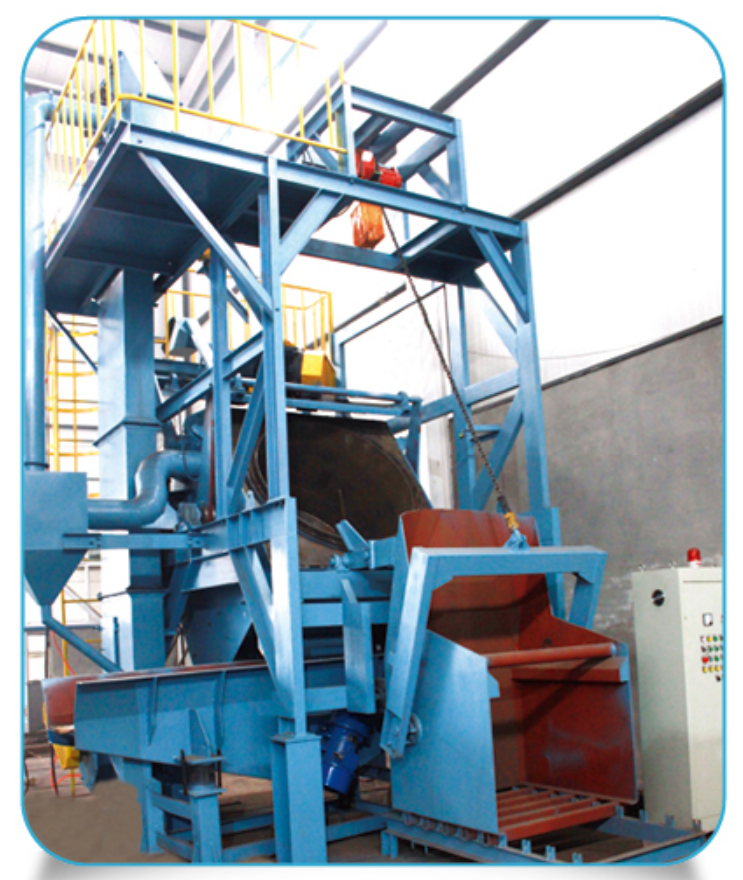
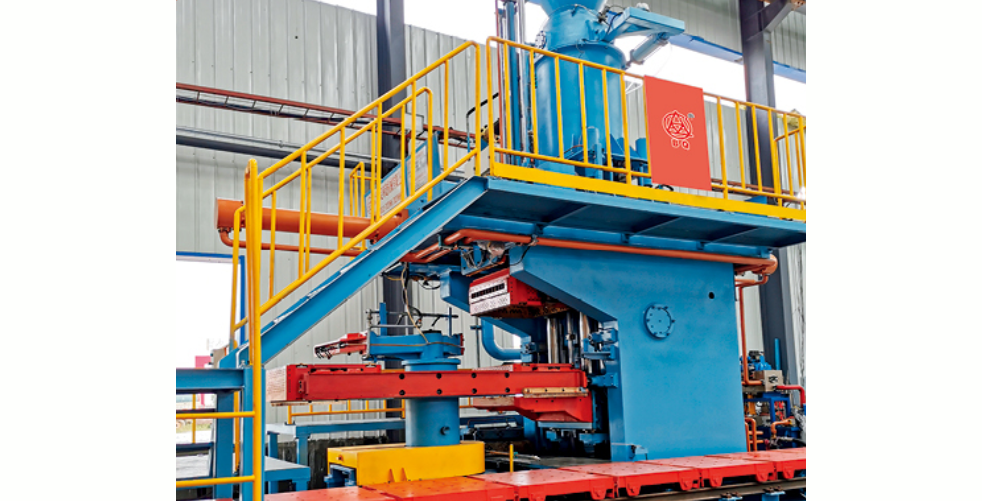
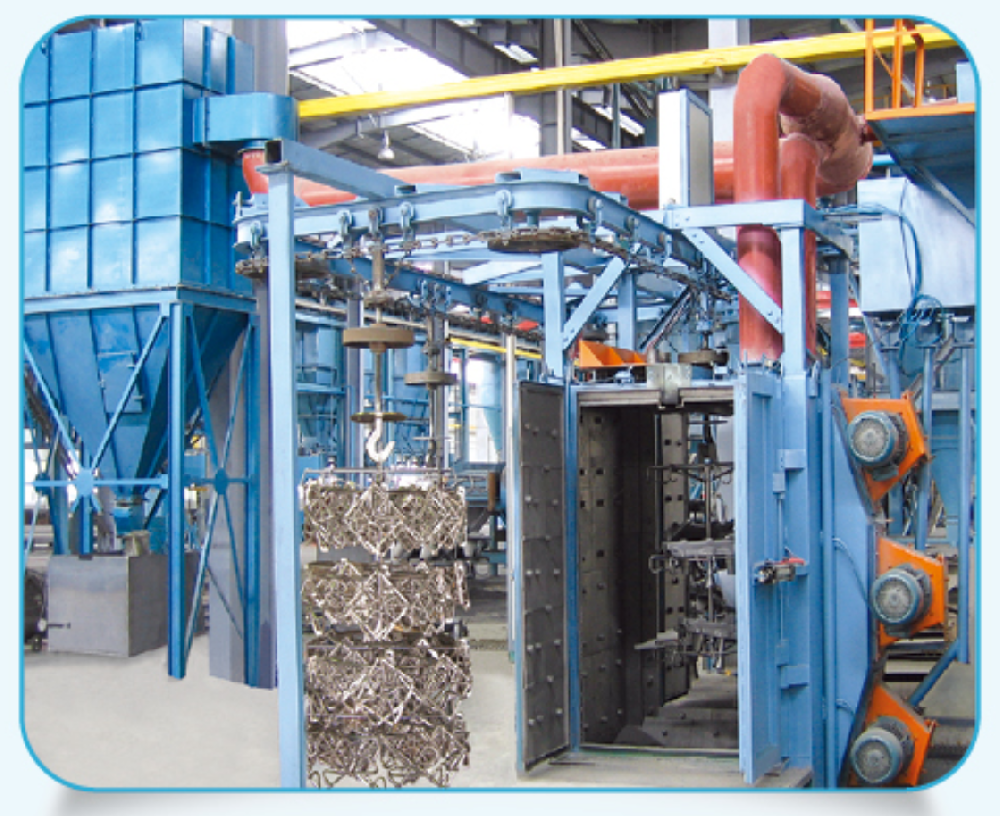
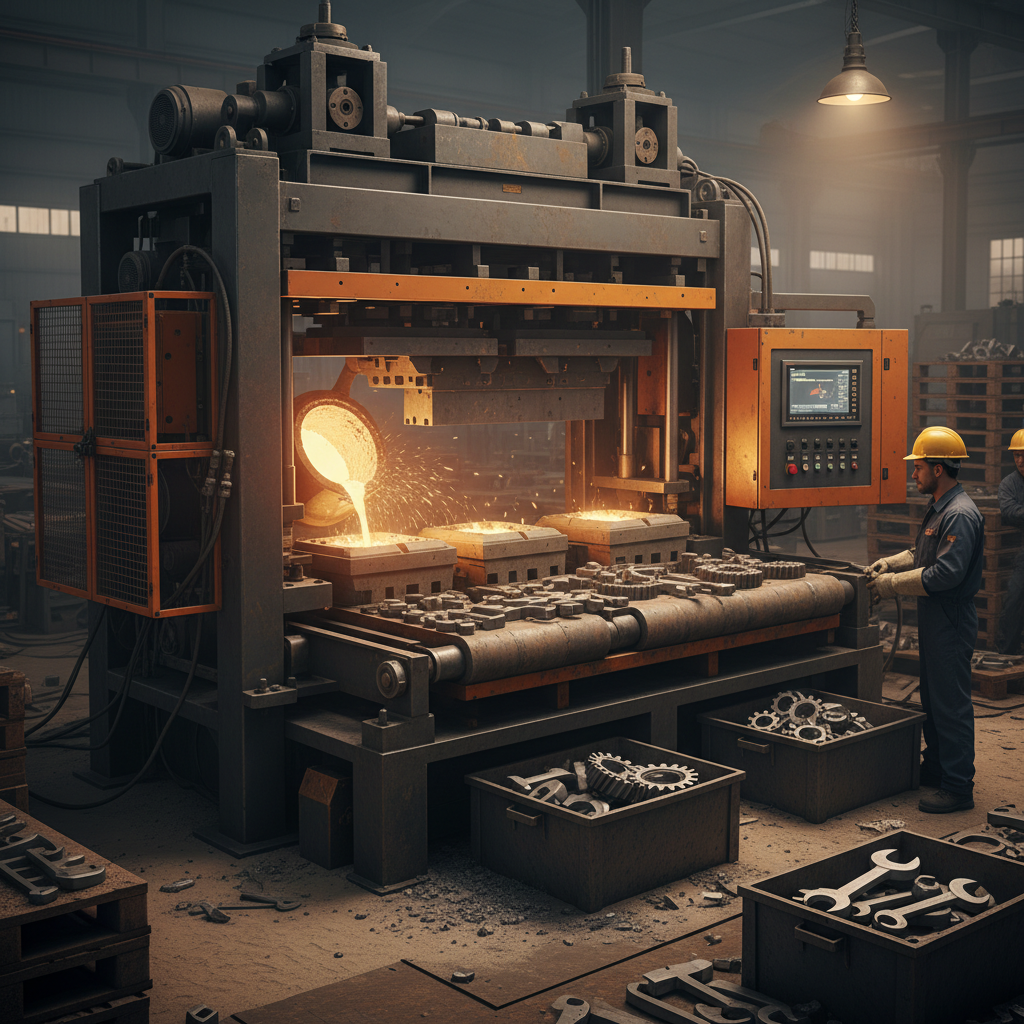
After spending over a decade working closely with casting technologies in the industrial equipment space, I’ve come to appreciate how auto casting machines have quietly revolutionized manufacturing floors across the globe. These machines are more than just automated casting units—they represent a crucial bridge between precision, efficiency, and scalability in metal processing.
Oddly enough, what caught my attention wasn’t just their speed, but how their design addresses some of the long-standing pain points of manual casting—like inconsistent mold filling, or frustrating downtime caused by human error. It certainly feels like the industry has entered a new era, one where operators can rely on tech to reduce waste and improve quality control.
In real terms, auto casting machines typically handle processes like die casting, sand casting, or investment casting, but with automated mold handling and temperature regulation that frankly takes a lot of guesswork out of the equation. The integration of closed-loop control systems means these machines adapt on the fly, making them indispensable for manufacturers who need flawless repeatability.
Many engineers I’ve worked with emphasize that customization options are key. Depending on the alloy or casting size, tweaking machine parameters can be the difference between a good batch and a great batch. Plus, some vendors offer modular designs, making future upgrades less of a headache—something I definitely value given how technology changes so fast.
| Specification | Details |
|---|---|
| Casting Method | Die casting / Sand casting / Investment casting options |
| Maximum Casting Size | Up to 2000 mm × 1500 mm × 1000 mm |
| Automation Level | Fully automated with PLC and sensor integration |
| Cycle Time | 15-60 seconds (depending on mold and alloy) |
| Material Compatibility | Aluminum, Zinc, Magnesium, Copper alloys |
| Control Features | Real-time temperature control, pressure monitoring, auto mold release |
Speaking of vendors, choosing the right partner really matters, and I’ve come across a handful that stand out from the crowd. Here’s a quick comparison based on my experience and market feedbacks. Frankly, reliability and after-sales support should never be underestimated—they can make or break your operations.
| Vendor | Price Range | Customization | Support & Training | Lead Time |
|---|---|---|---|---|
| Yonghong Machinery | $$$ | High flexibility with modular add-ons | Onsite & remote training options | 4-6 weeks |
| Industrial Casting Co. | $$ | Standard configurations; limited modularity | Phone support only | 6-8 weeks |
| Advanced Casting Solutions | $$$$ | Fully bespoke designs, premium features | Comprehensive onsite training & troubleshooting | 8-12 weeks |
One memorable case from my years in the field was a mid-size manufacturer transitioning from manual to automated casting. They chose a Yonghong auto casting machine for its balance of customization and user-friendly control systems. Within just a few weeks, scrap rates dropped by nearly 20%, and production throughput improved significantly. It felt like watching someone upgrade from a bicycle to a sports car.
In the end, it’s fascinating how these machines have subtly reshaped daily workflows. What once required intense manual skill and constant vigilance now allows operators to focus more on process optimization and less on firefighting mold defects. Honestly, I see them as a must-have for any serious industrial operation aiming to stay competitive while reducing waste and energy use.
If you’re exploring options, I recommend taking a good look at auto casting machines. They combine solid engineering with flexible features that keep evolving as industry demands shift. You’ll likely find, as I did, that investing in reliable technology pays for itself quite quickly.
Final takeaway: Automation isn’t just about speed—it’s about smarter, more consistent quality that you can trust day in and day out.
References:
1. Industry case studies on automated casting equipment, 2021.
2. Yonghong Machinery product guidelines and user manuals, 2023.
3. Interviews with manufacturing engineers, Metal Casting Journal, 2022.