Release Time:2026-03-31
Horizontal molding machines are essential equipment in the plastics industry, offering a versatile and efficient solution for producing a wide range of plastic parts. These machines, known for their robustness and precision, are vital for businesses involved in plastic injection molding. This article will explore the key features, benefits, applications, and considerations when selecting a horizontal molding machine. We'll delve into how these machines contribute to optimized production processes and high-quality output. Choosing the right machine is a critical decision impacting your overall manufacturing efficiency and product quality.
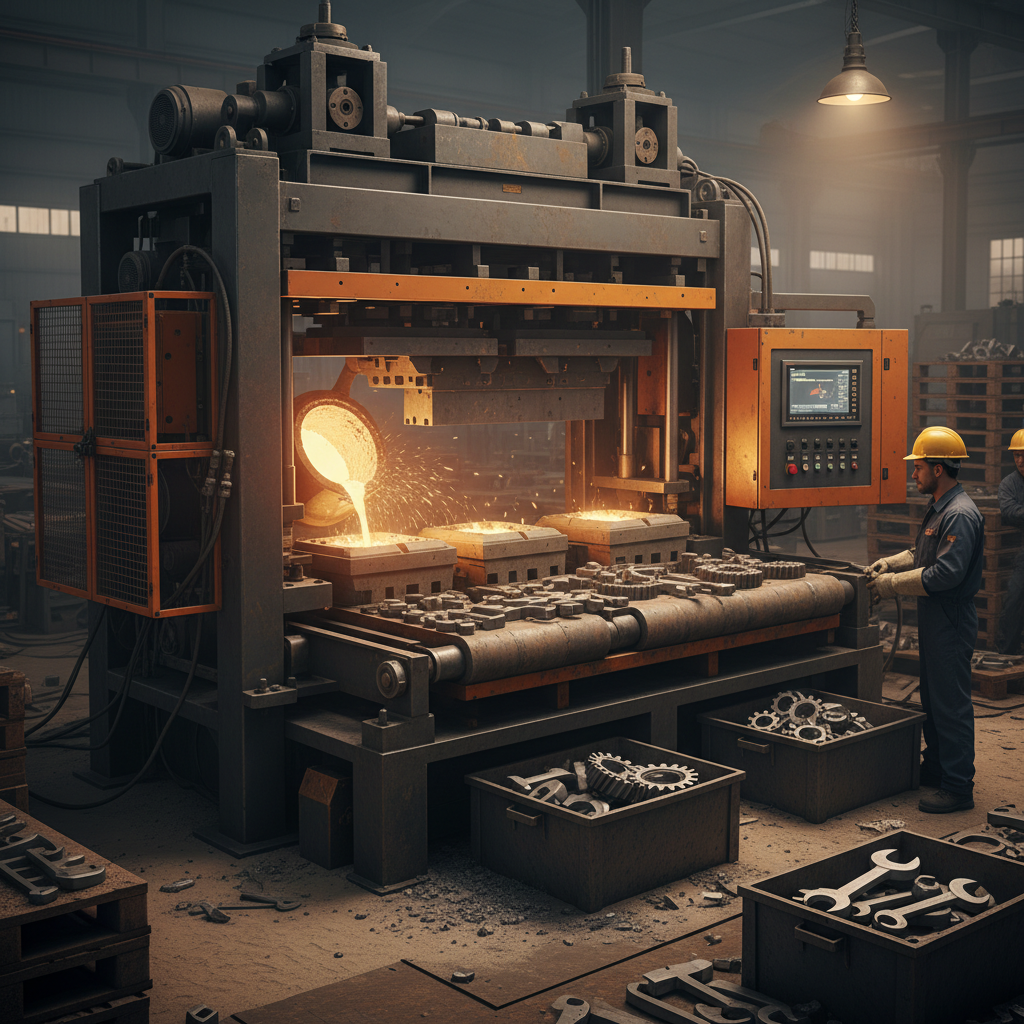
A horizontal molding machine, also known as an injection molding machine, operates by melting plastic material and injecting it under high pressure into a mold cavity. The plastic cools and solidifies, taking the shape of the mold. ‘Horizontal’ refers to the orientation of the clamping unit, where the mold opens and closes horizontally. This design provides easier access for part removal and automation, making it ideal for large parts or high-volume production. These machines are distinguished by their clamping force, injection capacity, and control systems, influencing their suitability for different applications. Selecting a machine with the appropriate specifications is crucial for achieving optimal results.
Key Features: Precise temperature control, robust clamping unit, versatile mold compatibility, and advanced control systems for optimized injection parameters.
Horizontal molding machines offer several advantages over other molding methods. Their stability and rigidity ensure consistent part quality, even with complex geometries. The horizontal configuration simplifies part ejection, particularly for larger components. Furthermore, these machines are highly adaptable, accommodating various plastic materials, including thermoplastics, elastomers, and thermosets. They also excel in automated production environments, enhancing efficiency and reducing labor costs. Modern machines offer sophisticated controls for precise process management, leading to minimized waste and improved repeatability. Yonghong BQ specializes in providing innovative horizontal molding solutions tailored to specific customer needs.
Benefits Highlighted:
• Consistent Part Quality
• Simplified Part Ejection
• Material Versatility
• Enhanced Automation Capabilities
Choosing between a horizontal and vertical molding machine depends on your specific production requirements. Horizontal machines are generally preferred for larger parts and high-volume production due to their stability and ease of automation. Vertical machines, on the other hand, are more compact and suitable for smaller parts and insert molding. The horizontal orientation allows for easier access for robotic part removal and simplifies mold changes, leading to reduced downtime. However, vertical machines often require less floor space, making them ideal for facilities with limited space. Understanding these differences is critical for making the right investment.
The applications of horizontal molding machines are incredibly diverse. They are widely used in the automotive industry for producing interior and exterior components, in the medical field for manufacturing disposable devices and equipment housings, and in the consumer goods sector for creating a vast array of plastic products. These machines also play a crucial role in the packaging industry, producing bottles, containers, and closures. Their versatility and precision make them indispensable for a broad spectrum of manufacturing processes. Explore Yonghong BQ's range of machines to find the perfect solution for your application.
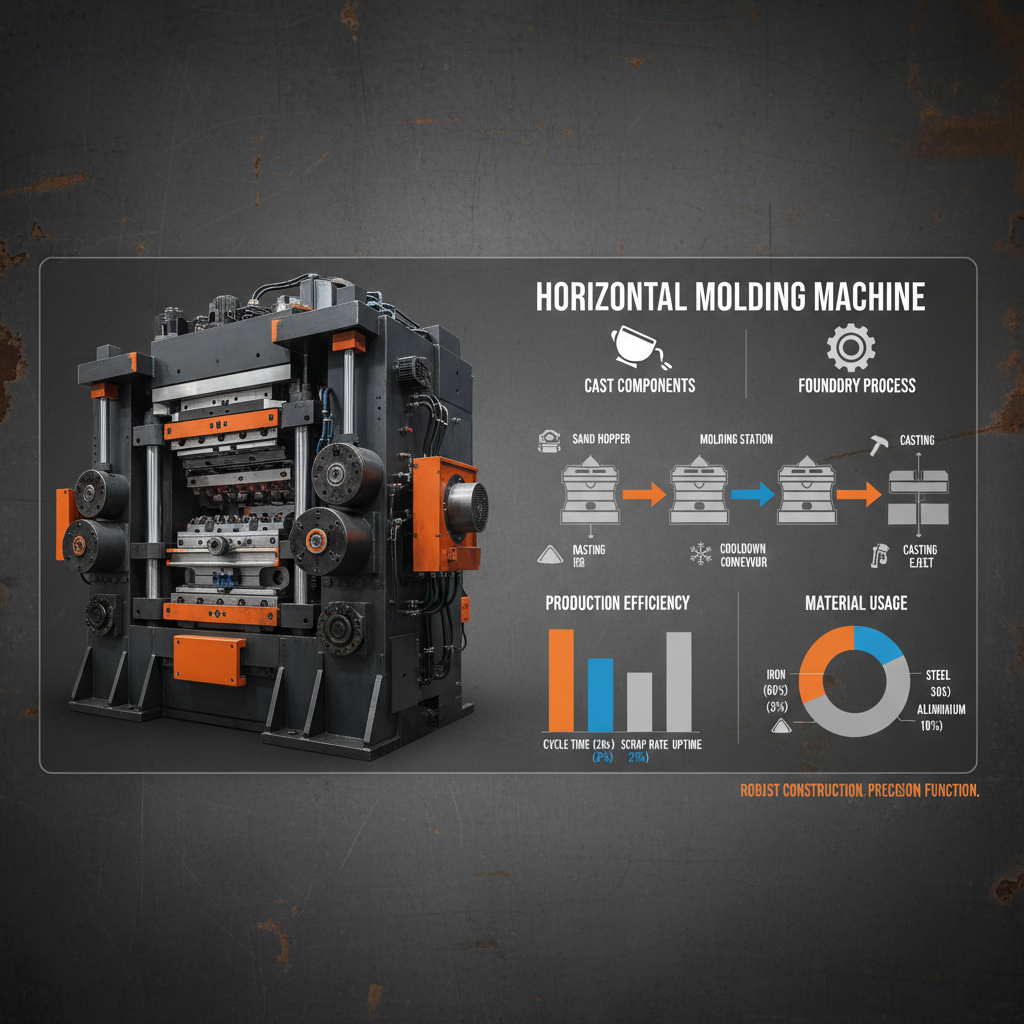
Selecting the right horizontal molding machine requires careful consideration of several factors. Clamping force, injection capacity, and control system capabilities are paramount. The size and complexity of your parts will dictate the necessary clamping force. Injection capacity determines the volume of plastic the machine can process per cycle. Advanced control systems offer greater precision and process control, leading to improved part quality and reduced waste. Furthermore, consider factors like energy efficiency, maintenance requirements, and the availability of technical support. Investing in a reliable and well-supported machine is crucial for long-term success.
Horizontal molding machines are a cornerstone of modern plastic manufacturing, offering a powerful combination of efficiency, versatility, and precision. By carefully evaluating your specific needs and selecting the right machine, you can significantly enhance your production capabilities and achieve superior product quality. Yonghong BQ is dedicated to providing innovative and reliable horizontal molding solutions that meet the evolving demands of the industry.
Regular maintenance is crucial for ensuring the longevity and optimal performance of your horizontal molding machine. This includes daily lubrication of moving parts, regular cleaning of the mold and machine surfaces, and periodic inspection of hydraulic systems and electrical components. Following the manufacturer’s recommended maintenance schedule is essential. Preventive maintenance, such as replacing filters and inspecting seals, can significantly reduce the risk of unexpected breakdowns and costly repairs. Proper maintenance will also contribute to consistent part quality and extended machine life.
Horizontal molding machines are incredibly versatile and can process a wide range of plastic materials. Common materials include thermoplastics like polypropylene (PP), polyethylene (PE), polyvinyl chloride (PVC), and acrylonitrile butadiene styrene (ABS). They can also handle engineering plastics like polycarbonate (PC) and nylon. Additionally, some machines can process thermosets and elastomers. The specific type of plastic material will influence the required machine parameters, such as temperature, pressure, and injection speed.
Achieving consistent part quality requires precise process control and meticulous attention to detail. Maintaining consistent material temperature and pressure is paramount. Regular mold maintenance and cleaning are essential to prevent defects. Implementing statistical process control (SPC) can help identify and address variations in the process. Proper machine calibration and operator training also play a crucial role in ensuring consistent part quality. Utilizing advanced control systems and automation can further enhance process stability and repeatability.
Energy efficiency is a significant concern in modern manufacturing. When selecting a horizontal molding machine, look for features like servo-hydraulic systems, which consume less energy than traditional hydraulic systems. Variable frequency drives (VFDs) can also help optimize energy consumption by adjusting motor speed to match the demand. Proper insulation and waste heat recovery systems can further reduce energy costs. Consider the machine’s overall energy footprint and choose a model that aligns with your sustainability goals.