Release Time:2026-01-04
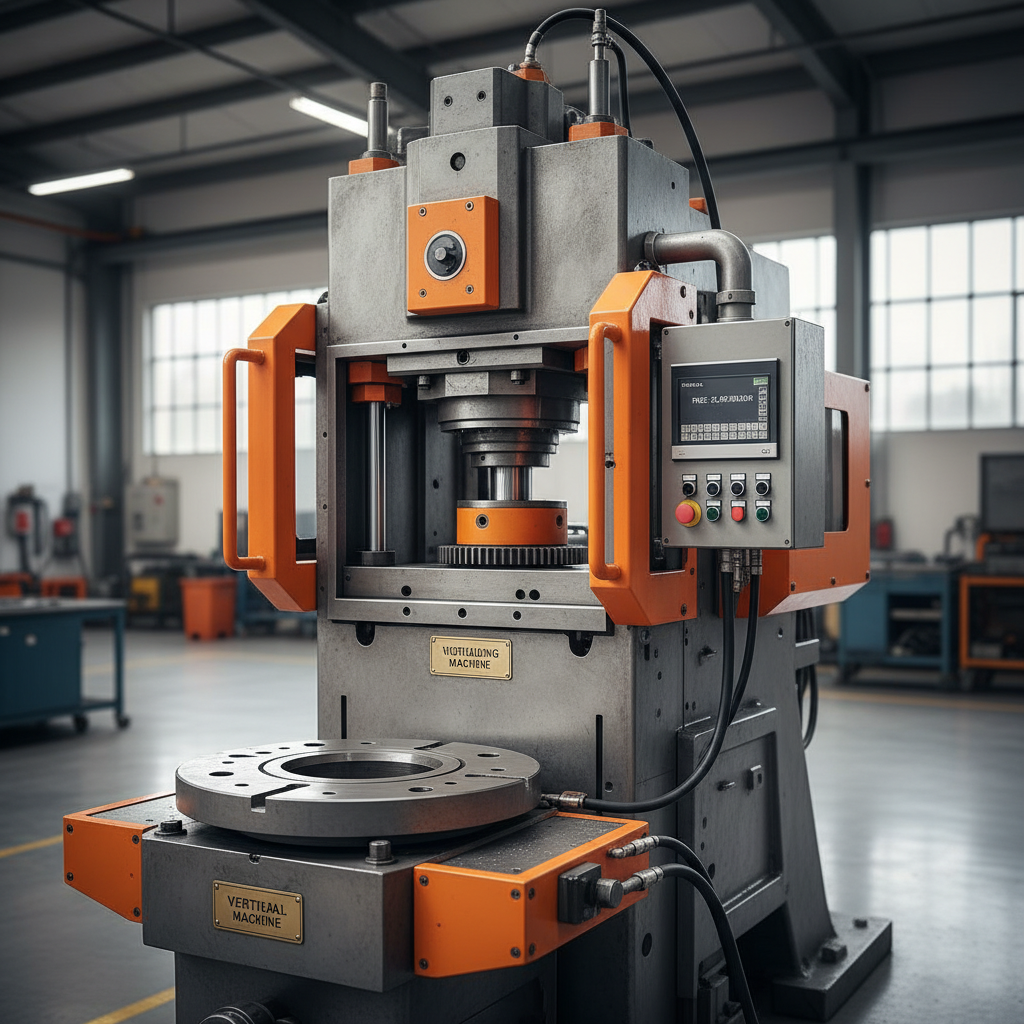
Having spent more than a decade involved with industrial equipment — especially molding machines — I’ve developed a certain fondness for the details behind these workhorses. Molding equipment is often overlooked, but when you think about it, it’s really the backbone of producing so many everyday items, from plastic parts to complex components.
Oddly enough, the biggest manufacturers often don't scream loud about their molding machines, even though these devices embody huge leaps in technology and customization. Frankly, it’s a nuanced blend of mechanical precision, material science, and software control. I remember a project where we needed ultra-precise tolerance for automotive parts — not your usual stuff — and only specialized molding equipment could deliver consistently. The pressures, temperatures, and timing all had to be just right.
What I find fascinating is how molding equipment has evolved. In the past, the machines were bulky, less efficient, and frankly took up a lot of floor space. Now, thanks to advances in servo motors and control systems, many of these units are remarkably compact, energy-efficient, and customizable to very specific industrial needs. It feels like the perfect marriage of mechanical know-how and digital integration.
For those curious, here’s a snapshot of key specs that often matter when choosing molding equipment. These parameters can make or break production quality, so they're carefully scrutinized in procurement meetings:
| Specification | Typical Range | Importance |
|---|---|---|
| Clamping Force | 50 to 3000 tons | Ensures mold stability during injection |
| Injection Pressure | 500 to 2500 bar | Critical for material flow and fill quality |
| Shot Size | 20 to 5000 cm³ | Volume of material injected per cycle |
| Cycle Time | 5 to 60 seconds | Affects throughput and efficiency |
| Machine Type | Hydraulic, Electric, Hybrid | Determines energy use and precision |
Of course, different vendors try to position their machines as the best fit, which frankly can be overwhelming. Here’s a comparison of some well-known suppliers in this space, highlighting the features that often influence purchasing decisions.
| Vendor | Machine Type | Energy Efficiency | Customizability | Price Range |
|---|---|---|---|---|
| Yonghong BQ | Hydraulic & Electric | High (servo motors) | Wide range of mold sizes & materials | $$ - $$$ |
| Vendor X | Electric | Very High | Moderate | $$$ |
| Vendor Y | Hydraulic | Moderate | High (custom engineering) | $ - $$ |
One client I worked with, a mid-size auto parts manufacturer, initially struggled with inconsistent cycle times that led to waste. After switching to molding machines from Yonghong BQ, the improved injection precision and cycle control noticeably cut down defects — they told me it was almost like their line was running on an entirely different level.
It’s not just about the specs, though. The real magic often lies in how well the equipment integrates with existing processes and the support after installation — something I always remind colleagues to prioritize.
So if you’re in the market for molding equipment, I suppose the takeaway is this: invest time in understanding both the mechanical and software capabilities as well as vendor support. Those details truly make a difference on the factory floor.
In real terms, I find it rewarding when you see a piece of equipment transform production challenges into smooth, repeatable operations. It’s sort of like watching a machine breathe life into raw materials — and that never really gets old.
References: