Release Time:2026-04-16
For manufacturers in the plastics and rubber industries, selecting the right equipment is a critical decision that impacts both production efficiency and long-term profitability. When researching the vertical moulding machine price, it is essential to look beyond the initial sticker cost and consider the total cost of ownership, including energy efficiency, cycle times, and maintenance requirements. Whether you are producing automotive components, medical devices, or specialized industrial seals, a vertical machine offers unique advantages in loading and unloading complex parts. In this guide, we will break down the factors that influence pricing and how to choose a machine that maximizes your ROI.
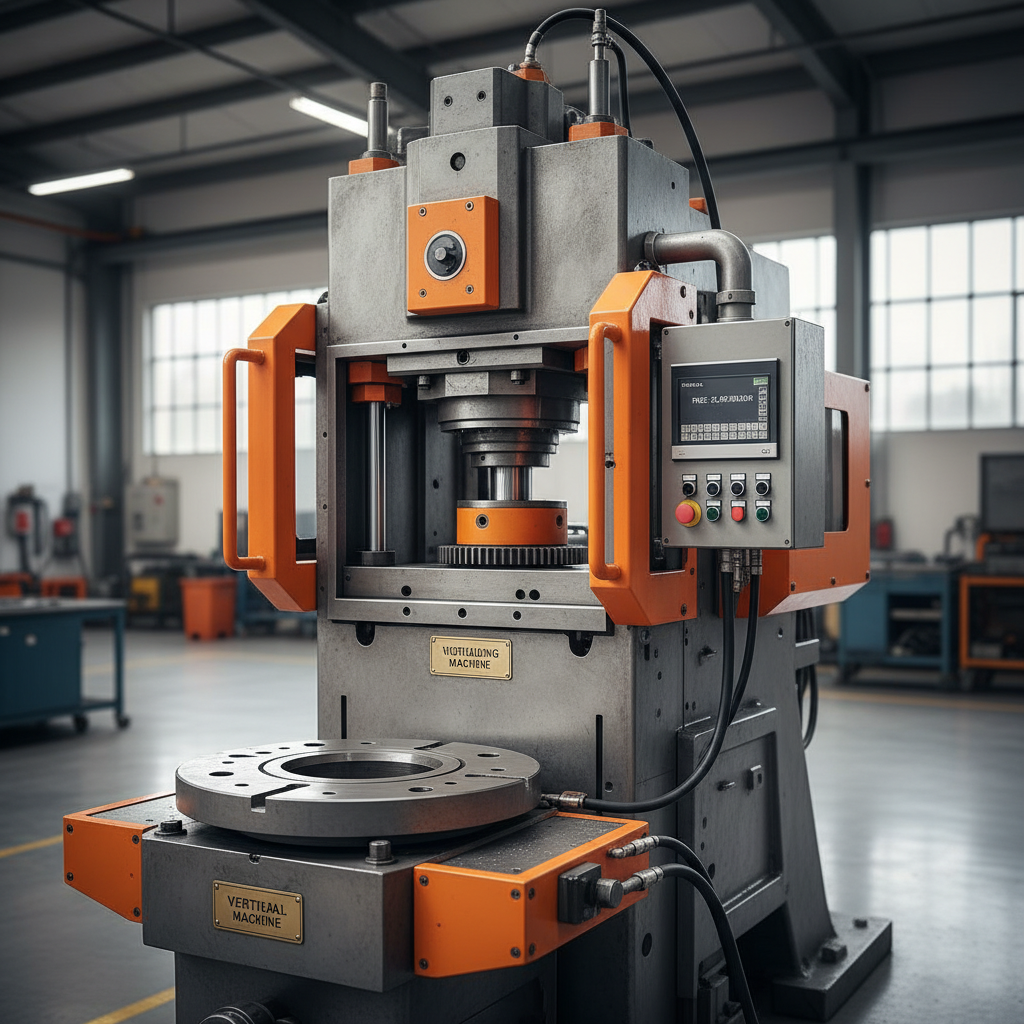
The cost of a vertical moulding system is not fixed; it varies significantly based on the technical specifications required for your specific application. The clamping force is one of the primary drivers of cost, as higher tonnage requires more robust frames and powerful hydraulic or electric systems. Additionally, the shot capacity—the amount of material the machine can inject in one cycle—determines the size of the injection unit and the overall machine footprint. Other factors include the level of automation, such as the integration of robotic arms for part removal, and the precision of the control system. Investing in a high-quality vertical moulding machine price often reflects the use of premium alloy steels and high-precision servo motors that reduce waste and downtime.
Price Drivers: Clamping force (tonnage), shot weight capacity, automation level, energy efficiency ratings, and the quality of the PLC control system.
Choosing between a manual and an automatic system creates a significant difference in the vertical moulding machine price. Manual machines are ideal for low-volume prototyping or highly complex inserts that require a human touch. However, for mass production, automatic systems reduce labor costs and eliminate human error. The table below provides a comparative analysis to help you determine which configuration suits your budget and production goals.
When evaluating a vertical moulding machine price, savvy buyers calculate the return on investment (ROI) by analyzing operational expenses. Modern machines equipped with servo-hydraulic systems can reduce energy consumption by up to 30-50% compared to traditional hydraulic pumps. Additionally, the vertical design simplifies the insertion of pre-formed parts (overmolding), which reduces cycle times and scrap rates. By minimizing material waste and reducing the need for secondary trimming processes, the machine effectively pays for itself over time through increased efficiency and lower overhead.
Technical precision is where the value of a high-end machine becomes evident. The quality of the tie-bars, the parallelism of the platens, and the stability of the heating zones all contribute to the final product's quality. A machine with a higher vertical moulding machine price usually offers superior thermal control and a more durable screw and barrel assembly, which is critical for abrasive materials. Below are the common specifications that buyers should review when requesting a quote.
Vertical moulding machines are not just another piece of equipment; they are specialized tools for specific manufacturing challenges. For instance, in the automotive sector, they are used for insert moulding, where metal components are encased in plastic. The gravity-assisted loading of the vertical design makes this process far more efficient than horizontal alternatives. Similarly, in the medical field, where precision and contamination control are paramount, a high-spec vertical moulding machine price is justified by the ability to produce zero-defect components. By focusing on the application, manufacturers can determine if the premium features of a vertical machine will yield a competitive edge in the market.
Finding the balance between cost and quality requires a strategic approach to sourcing. First, clearly define your production volume and part complexity to avoid over-specifying the machine, which unnecessarily inflates the vertical moulding machine price. Second, prioritize manufacturers who offer comprehensive after-sales support and readily available spare parts to prevent costly downtime. Finally, request a detailed breakdown of the machine's energy consumption and cycle speed. A slightly more expensive machine that operates 10% faster can save thousands of dollars in labor and energy costs over a few years, representing a much better overall value.
Evaluating the vertical moulding machine price requires a holistic view of production goals, technical requirements, and operational costs. While the initial investment can be significant, the benefits of precision insert moulding, reduced cycle times, and energy-efficient servo technology provide a clear path to increased profitability. By choosing a machine that aligns with your specific application and focusing on long-term ROI rather than just the lowest price, you ensure your facility remains competitive and efficient for years to come.
The most significant price increases are typically driven by three factors: clamping force, automation, and precision. A machine with a higher tonnage requires more steel and more powerful hydraulic systems, which increases the base cost. Adding robotic loading/unloading systems or high-end servo-motors for energy efficiency also adds to the price. However, these features are designed to lower the cost per part produced, making the total investment more sustainable in the long run.
While a used machine reduces the initial vertical moulding machine price, it comes with risks. Older machines lack modern energy-saving technology, which can lead to higher monthly utility bills. They may also have worn tie-bars or degraded hydraulic seals, leading to unplanned downtime. For high-precision industries like medical or automotive, a new machine with a warranty and the latest control systems is generally the safer and more economical choice over a 5-year period.
The vertical design allows for easier placement of inserts into the mold, as the operator or robot works from the top down. This reduces the time spent on loading compared to horizontal machines. Furthermore, gravity assists in the ejection of parts, which can shorten the overall cycle time. When you combine faster cycle times with lower scrap rates due to better insert positioning, the operational cost per unit drops significantly, maximizing the value of your investment.
The ROI period varies depending on production volume, but many manufacturers see a full return within 18 to 36 months. This is achieved through reduced labor costs (via automation), lower energy bills (via servo-hydraulics), and the ability to take on more complex, higher-margin projects like insert moulding that cannot be done efficiently on horizontal machines. Accurate ROI calculations should include the reduction in part rejection rates and the increase in hourly output.