Release Time:2026-03-17
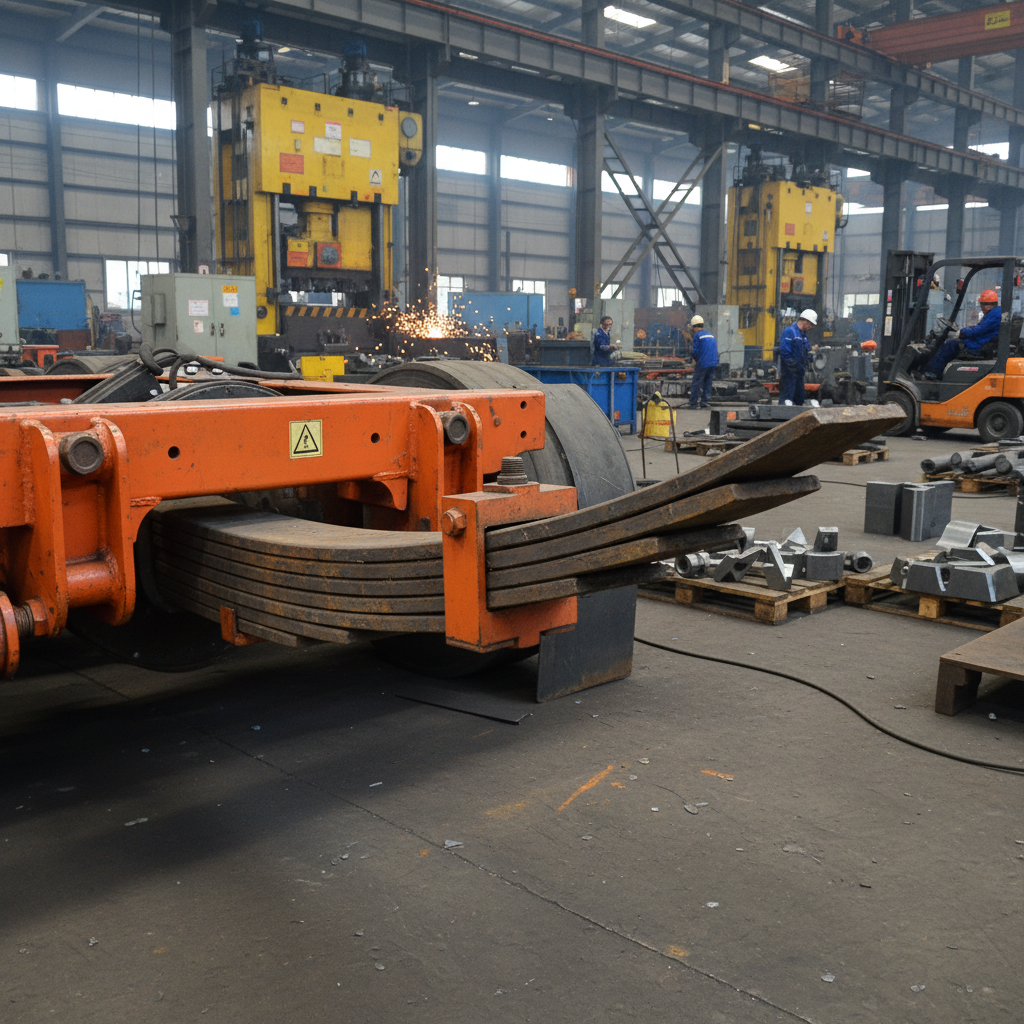
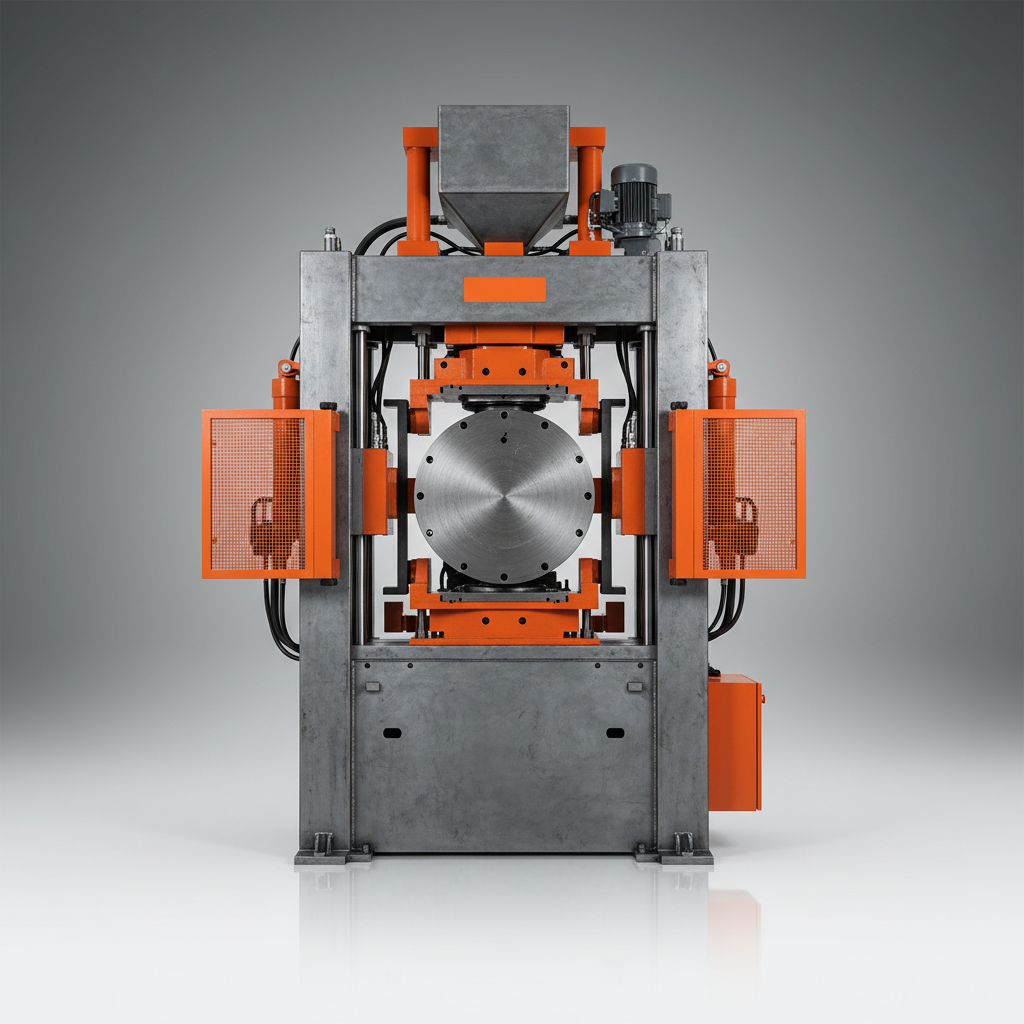
In the dynamic world of manufacturing, efficient and reliable metal casting is paramount. A metal casting machine is a crucial investment for businesses seeking to produce high-quality metal components. This article delves into the world of metal casting machines, exploring their types, applications, benefits, and key considerations when choosing the right equipment. We'll help you understand how these machines can enhance your production process and contribute to your bottom line. Choosing the correct machine can significantly reduce production costs and improve part quality.
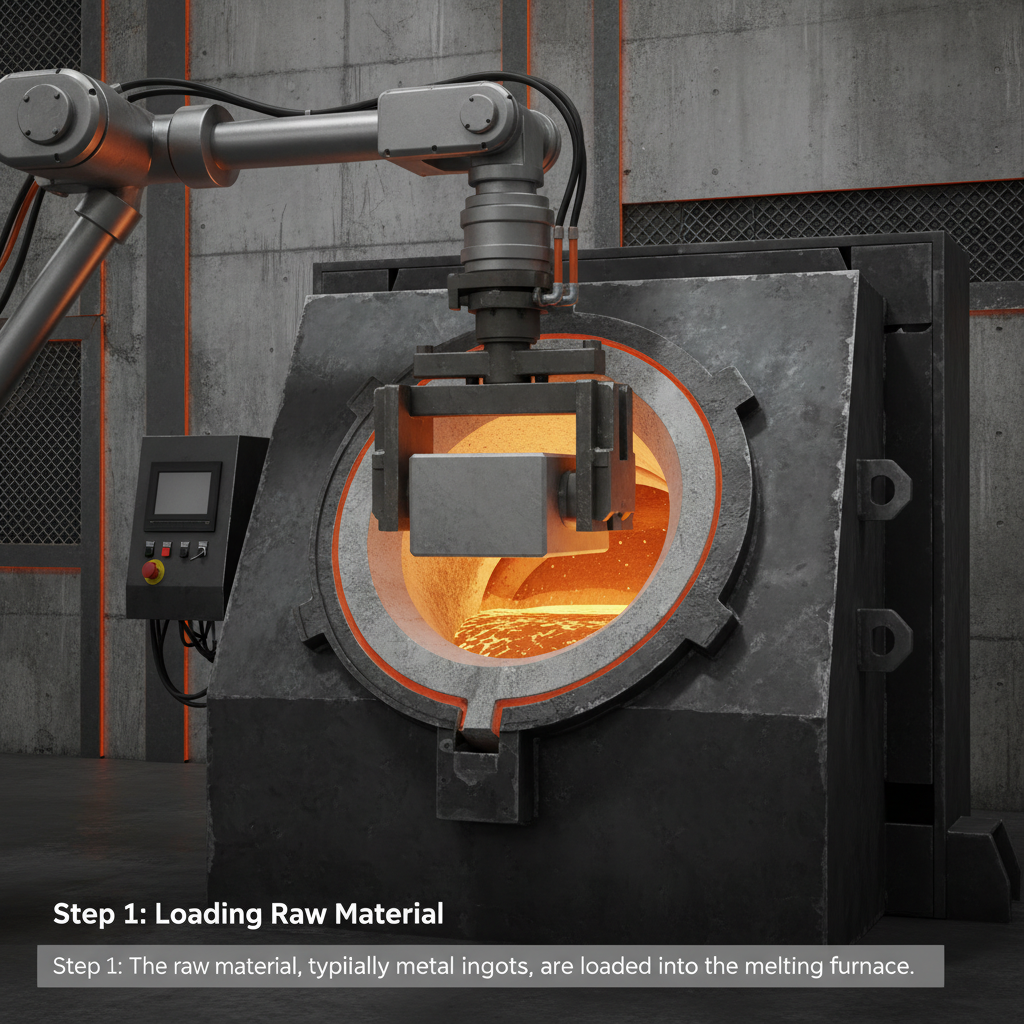
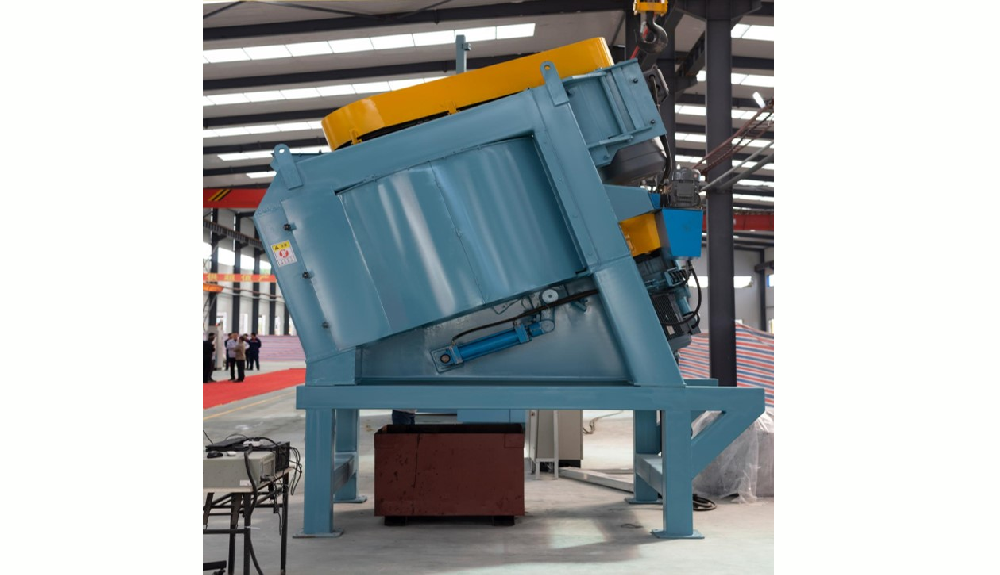
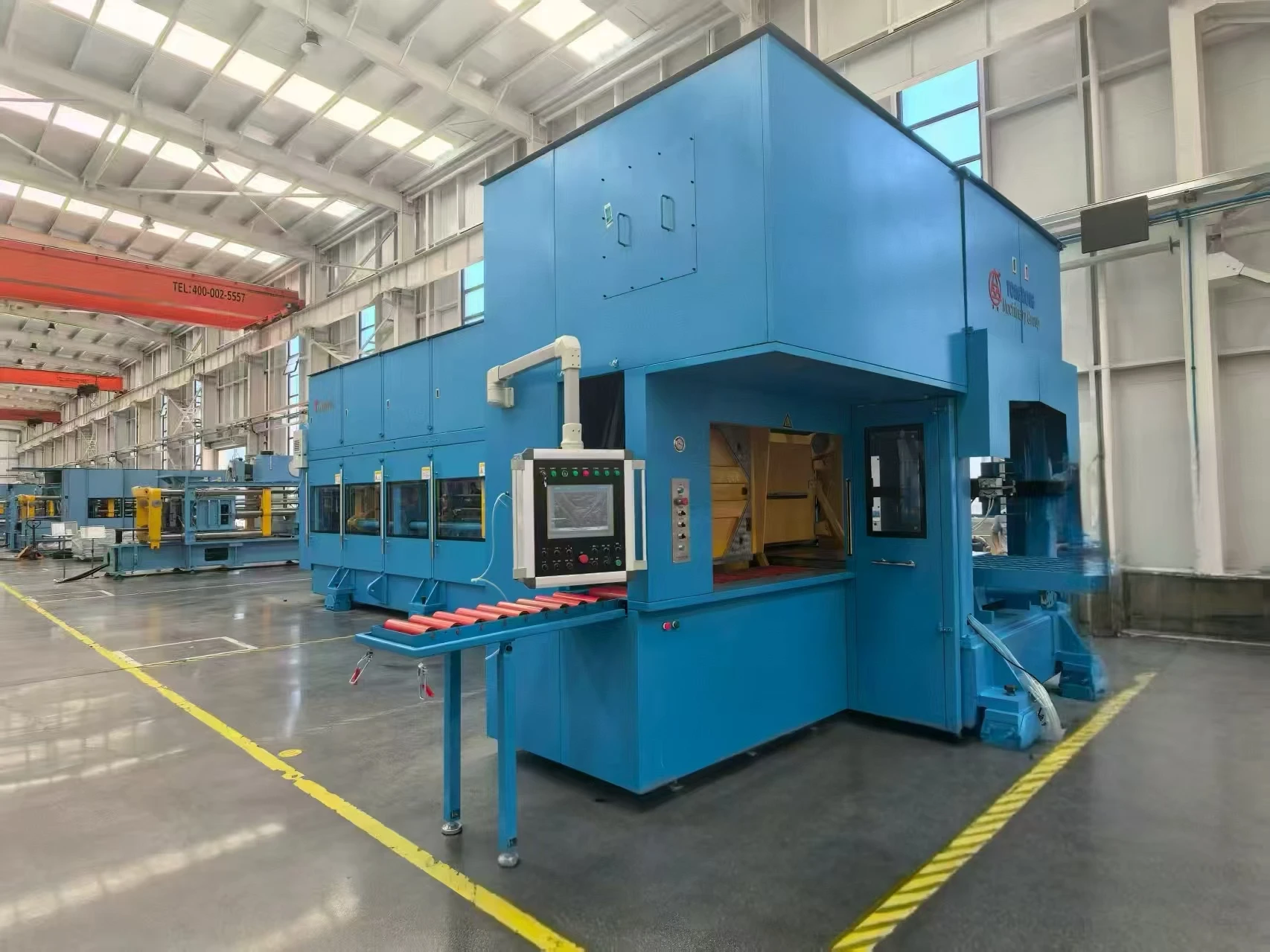
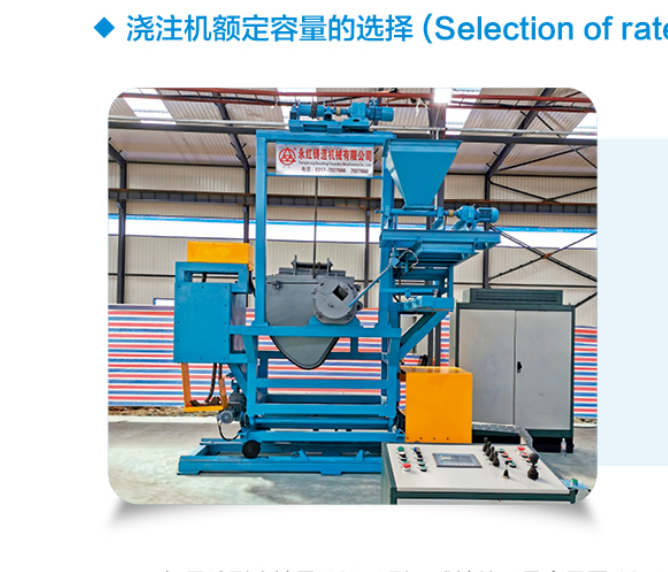
The world of metal casting isn't one-size-fits-all. Several types of machines cater to different needs, materials, and production volumes. Common types include die casting machines, sand casting machines, investment casting machines, and centrifugal casting machines. Each boasts unique advantages and disadvantages. Die casting, for example, is excellent for high-volume production of intricate parts, while sand casting is more cost-effective for larger, simpler components. Understanding these differences is key to making an informed decision. The right machine depends on the complexity, size, and material of the parts you need to produce. Yonghong BQ offers a range of solutions to suit diverse manufacturing needs.
Key Takeaway: Selecting the right metal casting machine type is fundamental to achieving optimal production efficiency and part quality. Careful consideration of material, volume, and part complexity is essential.
Investing in a modern metal casting machine offers a wealth of benefits. These include increased production speed, improved part accuracy, reduced material waste, and lower labor costs. Automated features and precise control systems ensure consistent quality and minimize the need for manual intervention. Furthermore, advanced machines can handle a wider range of materials and produce more complex geometries. This translates into a competitive advantage and increased profitability. A well-maintained machine will offer years of reliable performance, providing a significant return on investment.
Key Benefits:
• Increased production speed and efficiency
• Improved part accuracy and consistency
• Reduced material waste and lower costs
• Ability to handle a wider range of materials
Choosing between die casting and sand casting is a common dilemma. Die casting excels in producing high-volume, intricate parts with excellent surface finish. However, it comes with higher upfront tooling costs. Sand casting, while more versatile and cost-effective for lower volumes, typically yields parts with a rougher surface finish and lower dimensional accuracy. The ideal choice depends entirely on your specific requirements and production goals. Explore Yonghong BQ's range of both die casting and sand casting solutions.
Several factors should influence your decision when selecting a metal casting machine. Consider the materials you'll be working with (aluminum, zinc, iron, etc.), the size and complexity of your parts, your production volume, your budget, and the level of automation you require. Also, factor in the availability of maintenance and support services. Partnering with a reputable supplier like Yonghong BQ ensures you receive expert guidance and reliable support throughout the machine's lifespan.
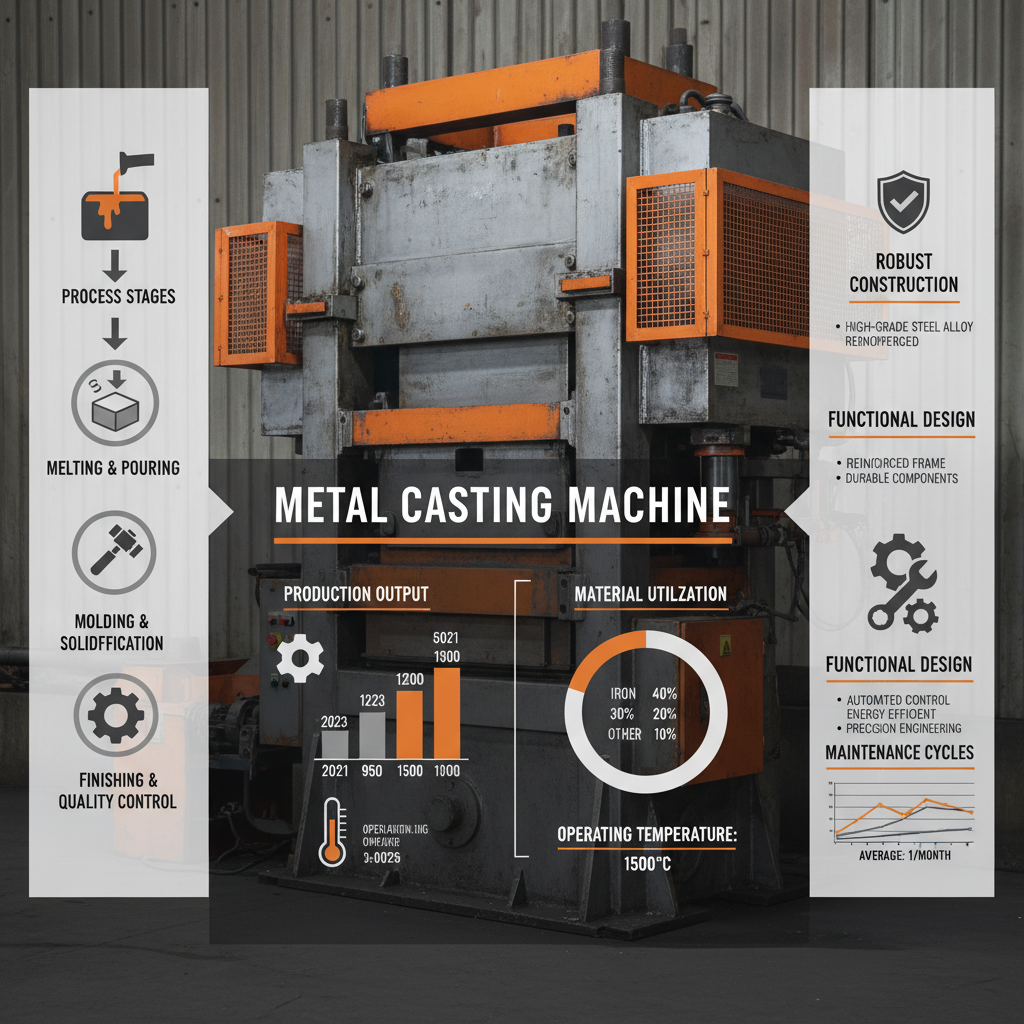
Understanding the key specifications of a metal casting machine is crucial for evaluating its suitability for your needs. Here’s a quick reference guide:
Investing in the right metal casting machine is a strategic decision that can significantly impact your manufacturing capabilities. By carefully considering your needs, evaluating the different types of machines available, and partnering with a reliable supplier like Yonghong BQ, you can unlock greater efficiency, improve product quality, and enhance your overall profitability. Don't compromise on quality – choose a machine that will empower your production for years to come.
Regular maintenance is crucial for ensuring the longevity and optimal performance of your metal casting machine. This includes daily inspections for wear and tear, lubrication of moving parts, regular cleaning, and scheduled replacement of filters and other consumables. Specific maintenance requirements will vary depending on the machine type and usage. Following the manufacturer's recommended maintenance schedule is essential. Preventive maintenance minimizes downtime and costly repairs. Yonghong BQ provides comprehensive maintenance services and support.
Metal casting machines involve high temperatures, pressures, and moving parts, requiring strict adherence to safety protocols. Operators should always wear appropriate personal protective equipment (PPE), including safety glasses, gloves, and heat-resistant clothing. Proper training on machine operation and emergency procedures is essential. Regular safety inspections and maintenance checks should be conducted to identify and address potential hazards. Never bypass safety devices or operate the machine without proper authorization.
The lead time for a new metal casting machine can vary depending on the machine type, customization requirements, and the supplier's production schedule. Typically, lead times range from 8 to 24 weeks. It’s crucial to plan ahead and place your order well in advance of your anticipated production start date. Contact Yonghong BQ to discuss your specific requirements and obtain an accurate lead time estimate.
Generally, increased automation leads to a higher upfront cost for a metal casting machine. However, the long-term benefits often outweigh the initial investment. Automation reduces labor costs, improves production consistency, and minimizes the risk of human error. Furthermore, automated machines can operate continuously, increasing overall throughput. A cost-benefit analysis should be conducted to determine the optimal level of automation for your specific application.