Release Time:2026-04-07
In the dynamic world of plastics manufacturing, the vertical molding machine stands out as a versatile and efficient solution for producing a wide range of plastic parts. This article delves into the intricacies of these machines, exploring their principles, advantages, applications, and key considerations for businesses looking to invest in this technology. From streamlined production processes to reduced floor space requirements, we'll uncover why vertical molding machines are becoming increasingly popular across diverse industries.
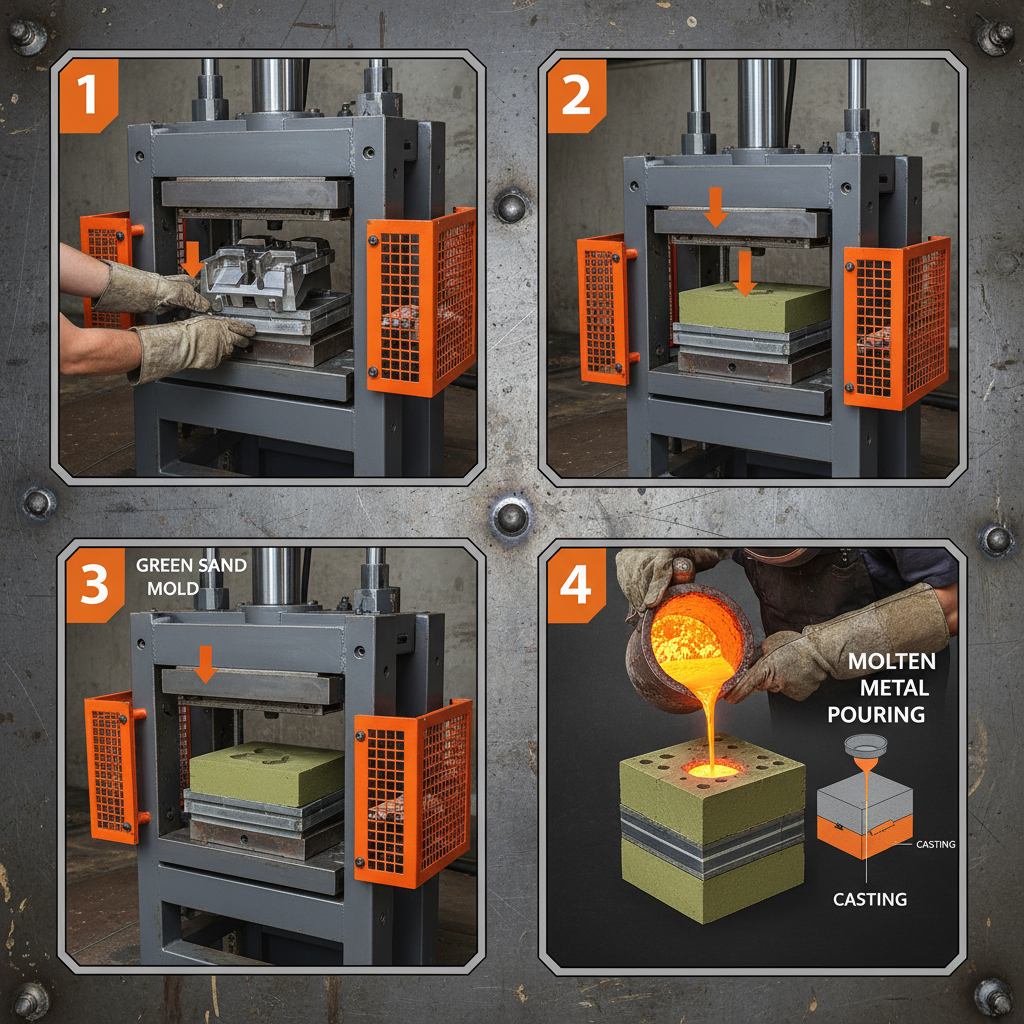
Unlike traditional horizontal injection molding machines, vertical molding machines orient the mold vertically. This design offers several advantages, particularly in terms of automation and cycle time. The process begins with plastic pellets being fed into a hopper, where they are heated and melted. This molten plastic is then injected into the vertically positioned mold cavity under high pressure. Once cooled and solidified, the finished part is ejected, often utilizing automated systems for efficient removal. This vertical configuration makes it easier to deal with flash and allows for gravity assistance during the ejection process, leading to faster cycle times and reduced defects.
Vertical molding machines offer a distinct set of benefits that make them an attractive option for various manufacturing needs. These include a smaller footprint compared to horizontal machines, reducing valuable floor space. The inherent design facilitates automation, minimizing labor costs and increasing production efficiency. The vertical orientation assists with part ejection, resulting in quicker cycle times and fewer part defects. Furthermore, they are particularly well-suited for insert molding, where components are molded around pre-existing parts, and offer improved control over the molding process due to gravity's influence.
Key Benefits: Reduced floor space, enhanced automation, faster cycle times, improved part quality, and suitability for insert molding.
The versatility of vertical molding machines makes them suitable for a diverse range of applications. They excel in producing components for the automotive industry, such as connectors and housings. The electronics sector utilizes them for manufacturing cases, switches, and other intricate parts. Medical device manufacturers benefit from the precision and control offered by these machines for producing medical components and housings. Consumer products, including cosmetic containers and small household items, are also commonly produced using vertical molding technology.
Choosing between vertical and horizontal molding machines depends on specific production requirements. Horizontal machines are generally preferred for larger parts and higher production volumes. However, vertical machines excel in applications requiring automation, insert molding, and a smaller footprint. The table below provides a detailed comparison:
Selecting the appropriate vertical molding machine requires careful consideration of several factors. Determine the size and complexity of the parts you intend to produce. Evaluate your production volume requirements to ensure the machine can meet your demands. Consider the level of automation needed to optimize efficiency. And finally, partner with a reputable supplier like Yonghong BQ, who can provide expert guidance and support.
Vertical molding machines represent a significant advancement in plastics manufacturing, offering a compelling combination of efficiency, versatility, and cost-effectiveness. By understanding their capabilities and carefully selecting the right machine for your needs, you can unlock substantial benefits for your business. Explore the possibilities with Yonghong BQ and take your production to the next level.
Vertical molding machines are capable of processing a wide variety of thermoplastic materials, including Polypropylene (PP), Polyethylene (PE), Polystyrene (PS), ABS, PVC, and more. The specific material compatibility depends on the machine's capabilities and the mold design. Considerations such as melt temperature and injection pressure are crucial for achieving optimal results with different materials. It’s important to consult with a machine supplier like Yonghong BQ to determine the best material choices for your specific application and machine configuration.
Cycle times vary depending on several factors, including part size, material type, mold complexity, and machine specifications. Generally, vertical molding machines offer faster cycle times compared to horizontal machines due to the assistance of gravity in part ejection and reduced cooling requirements. Typical cycle times can range from a few seconds to several minutes. Automation and optimized mold design can further reduce cycle times, increasing overall production efficiency.
Vertical molding machines, like all manufacturing equipment, require regular maintenance to ensure optimal performance and longevity. This includes routine cleaning, lubrication of moving parts, inspection of hydraulic systems, and monitoring of temperature controls. Preventative maintenance schedules are recommended to identify and address potential issues before they lead to downtime. Investing in a reliable machine and following manufacturer guidelines for maintenance will minimize the risk of unexpected repairs.
While vertical molding machines are well-suited for medium to high-volume production, they are generally not the preferred choice for extremely high-volume applications where larger parts are being produced. Horizontal machines typically offer higher throughput capabilities for very large production runs. However, with automation and multi-cavity molds, vertical molding machines can effectively handle significant production volumes for smaller to medium-sized parts.