Release Time:2026-01-06
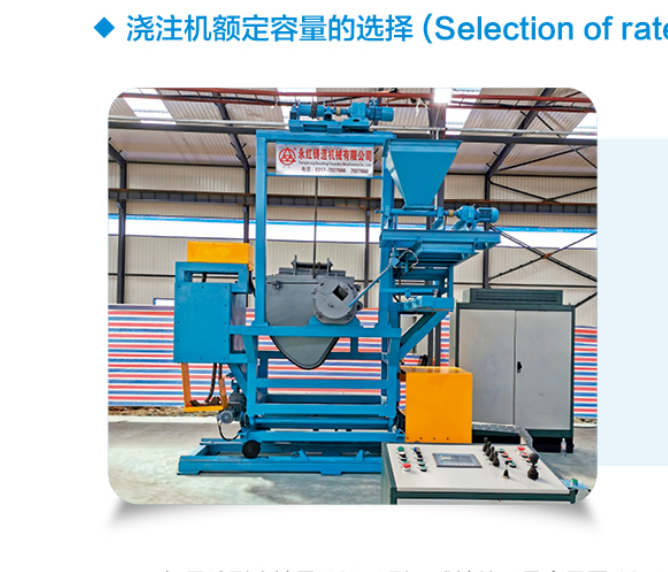
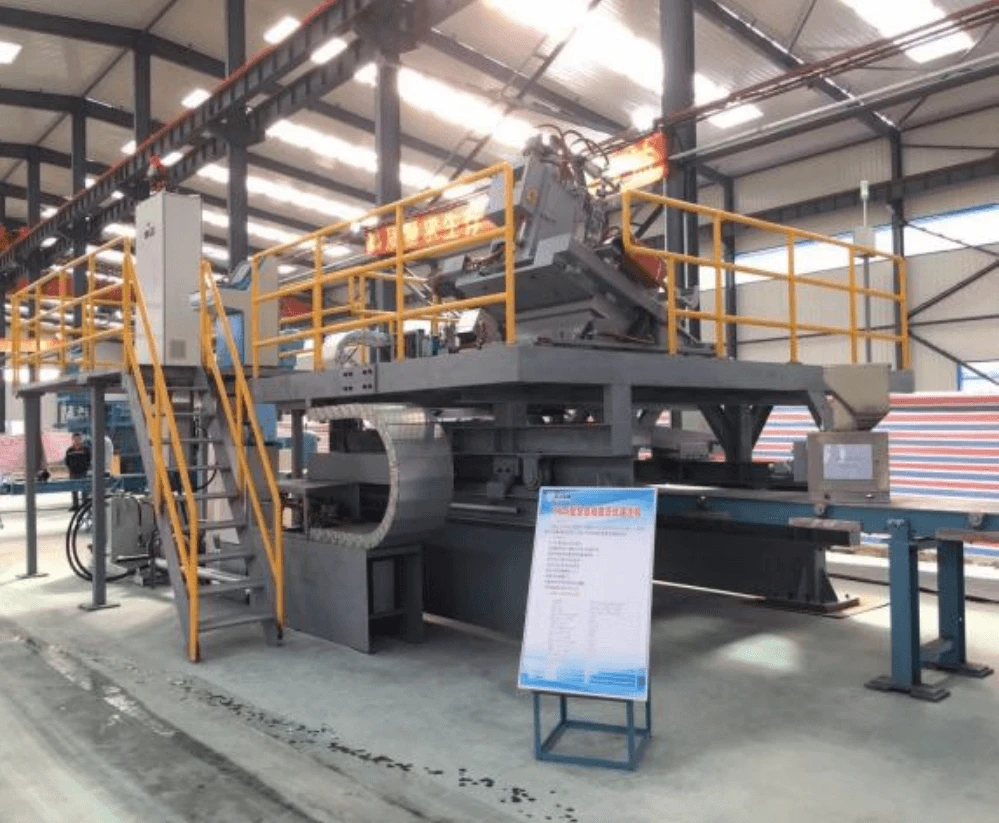
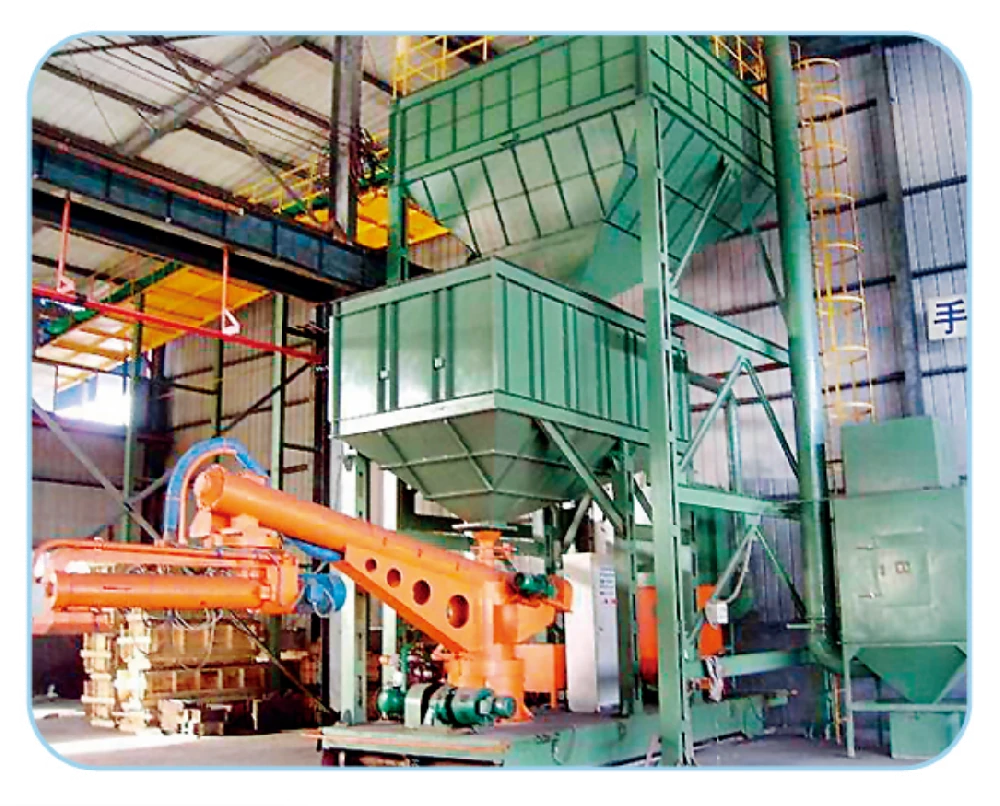
Having spent over a decade working hands-on in the industrial equipment sector, I can honestly say: material preparation is often overlooked but absolutely crucial. If your input materials aren’t consistent, well-processed, and precisely handled, no fancy machine or automated process will save you from downstream headaches. It’s the sort of step that quietly sets the tone for everything that follows. Material Preparation systems help tackle this in ways that you might not fully appreciate until you’ve seen batch after batch fail for lack of proper upfront processing.
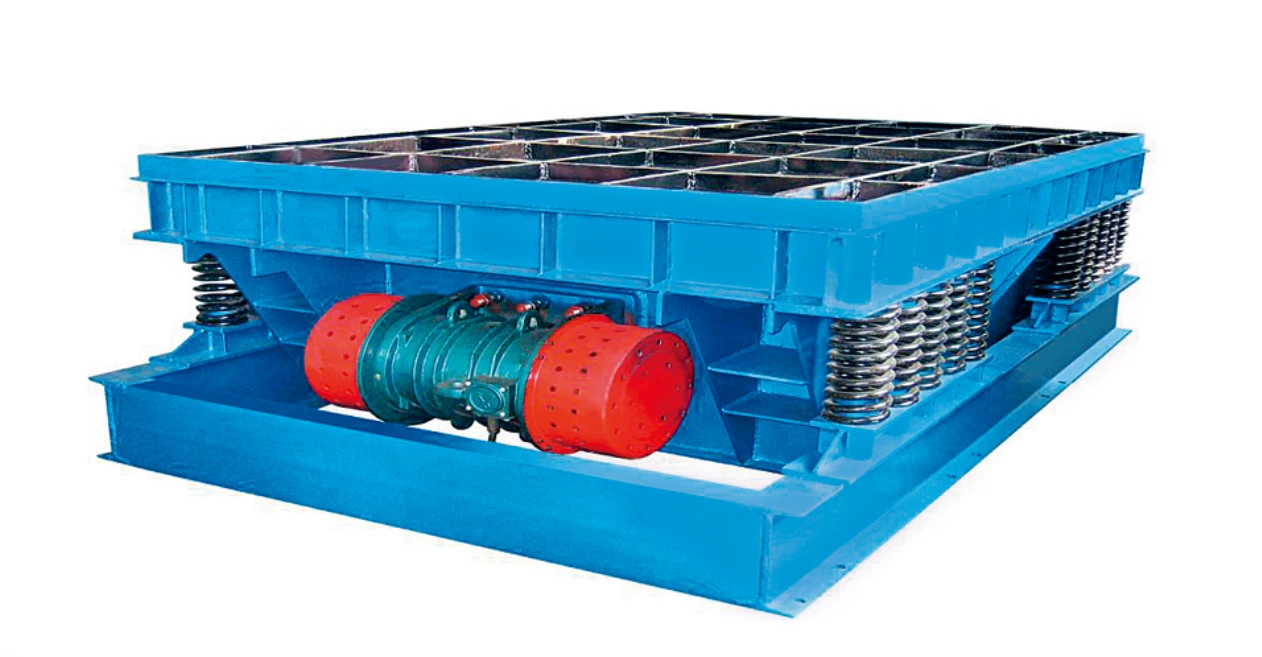
Oddly enough, despite advances in robotics and AI, the humble preparation stage remains strikingly manual in some sectors. You’d think automation would have taken over entirely, but many engineers I’ve met still swear by well-designed, rugged material preparation equipment to ensure uniform particle size, moisture content, and contamination-free supply.
One common theme I notice is different industries have uniquely demanding prep needs. For example, in plastics manufacturing, pellet uniformity and cleanliness are critical, whereas in metallurgy, precise composition and grind fineness take priority. Because of this, flexible customizable systems are gaining ground. You need gear that’s easy to tweak, easy to maintain, and capable of adapting to evolving input materials — tasks that aren’t trivial, trust me.
| Specification | Details |
|---|---|
| Material Type Compatibility | Granules, powders, pellets, fibrous materials |
| Capacity Range | 500 kg/hr – 10,000 kg/hr |
| Moisture Control Precision | ± 0.1% moisture content adjustment |
| Automation Level | Semi-Automatic to Full PLC Integration |
| Customization Options | Modular configurations for varying workflows |
Frankly, when I first encountered these flexible material prep lines, I was skeptical—would the extra complexity bring real returns or just maintenance nightmares? Turns out, the modularity allows for much faster changeovers, which in a mixed-product plant is pure gold. A client I visited last year shared that switching between formulations used to take hours, but with the latest customizable preparation equipment, it’s down to minutes.
| Feature | Yonghong | Competitor A | Competitor B |
|---|---|---|---|
| Material Range | Very Broad (granules, pellets, fibrous) | Limited (powders mostly) | Broad (excluding fibrous) |
| Automation Capabilities | Full PLC Integration Optional | Semi-Automatic | Full Automation, Higher Cost |
| Maintenance Complexity | Moderate, Easy Access Design | Low | High |
| Customization Flexibility | Highly Modular | Minimal | Moderate |
| Price Range | $$ | $ (Lower) | $$$ |
One particular case still sticks with me: a mid-sized plastics company struggling to keep their line running due to inconsistent raw material feed. After switching to a modular, precision-prep solution from Yonghong, their downtime was slashed by nearly 30%, and product quality stabilized. It feels like the kind of win that only experience in the field reveals—details count, and good material prep can be a genuine game-changer.
To sum it all up, material preparation equipment is not just an early step; it’s the cornerstone of efficient, consistent industrial manufacturing. For anyone in manufacturing, investing here pays dividends down the line. I suppose the trick is finding a supplier who understands the unique demands of your materials and workflow rather than just selling a one-size-fits-all box.
Takeaway: Don’t underestimate the role of smart material prep. It can quietly save you time, money, and frustration.
References:
1. Industry material preparation trends report, 2023
2. Client case study archive, Yonghong Equipment solutions, 2023
3. Technical whitepaper on modular material prep systems, Industrial Tech Review, 2024