Release Time:2025-12-02
Whether you’re in manufacturing, construction, or even humanitarian relief, the phrase casting equipment for sale likely pops up more often than you’d expect. But why all the fuss? After all, casting isn’t just about pouring molten metal into molds—it’s a crucial backbone of global industry, responsible for everything from automotive parts to sustainable building materials. Understanding the ins and outs of casting equipment can unlock smarter buying, better production, and sometimes even save lives.
Globally, the metal casting market is projected to reach upwards of $40 billion by 2027, driven largely by demand in automotive and aerospace manufacturing (source: Wikipedia: Metal Casting). But here’s the kicker — with rapid industrialization comes a pressing need for equipment that’s not just effective but sustainable, scalable, and cost-efficient.
Think about the enormous challenge industries face: demand keeps chugging upward, resource efficiency is under the microscope, and shipping delays can cost weeks of downtime. In 2023, the global manufacturing sector experienced a 10% slowdown in parts procurement due to supply chain interruptions (World Bank, 2023). Casting equipment for sale offers a concrete solution — literally and figuratively — by enabling local manufacturers to produce critical components on demand.
It’s also a matter of resilience. For example, in emerging economies, access to reliable casting machinery signals a shift from importing expensive parts to self-sufficiency. So, when you see casting equipment advertised globally, it’s more than metalworking gear; it’s empowerment technology.
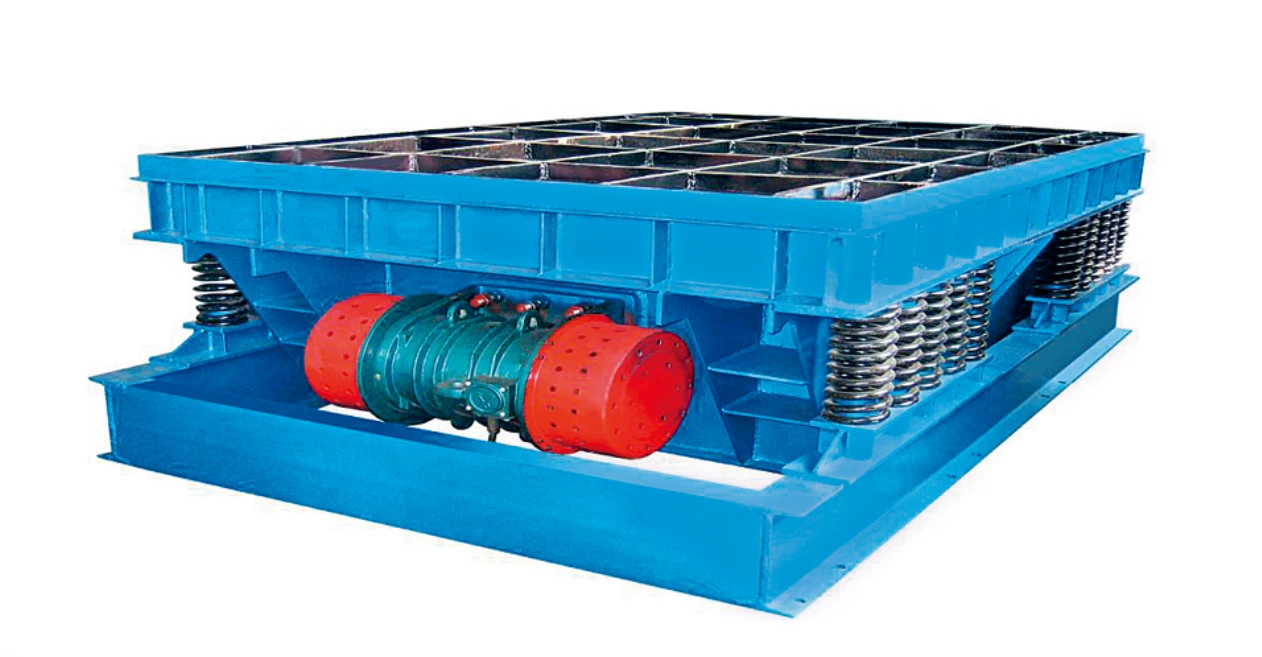
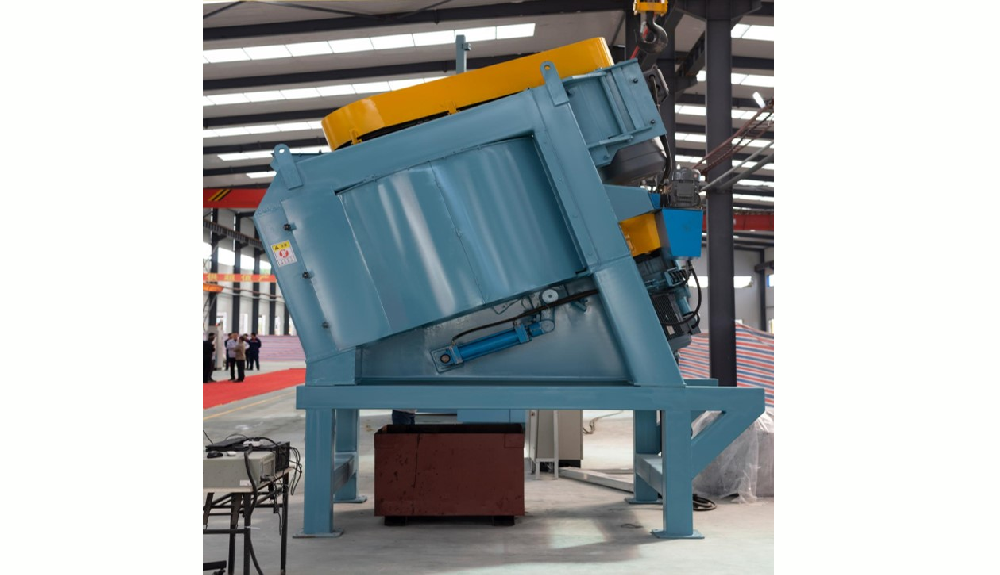
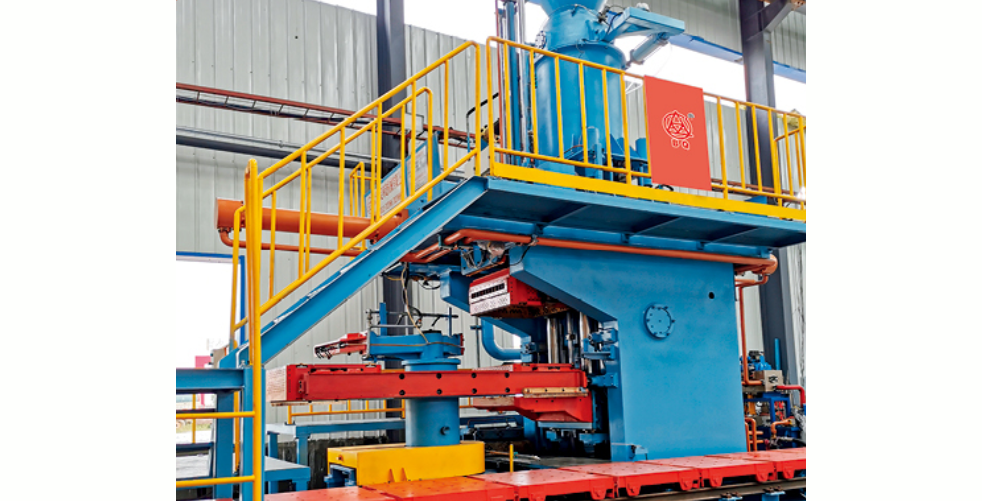
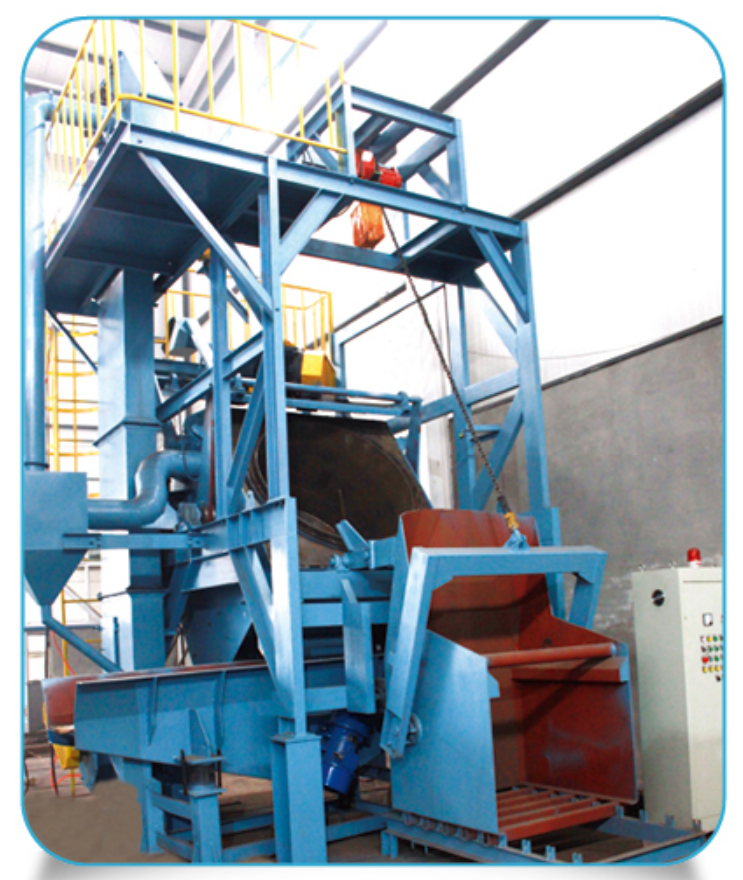
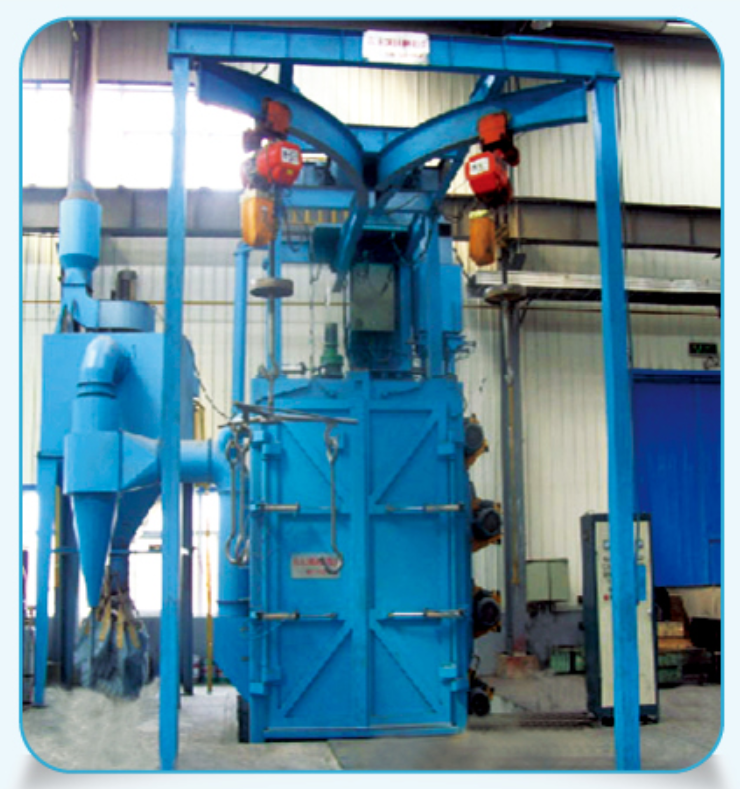
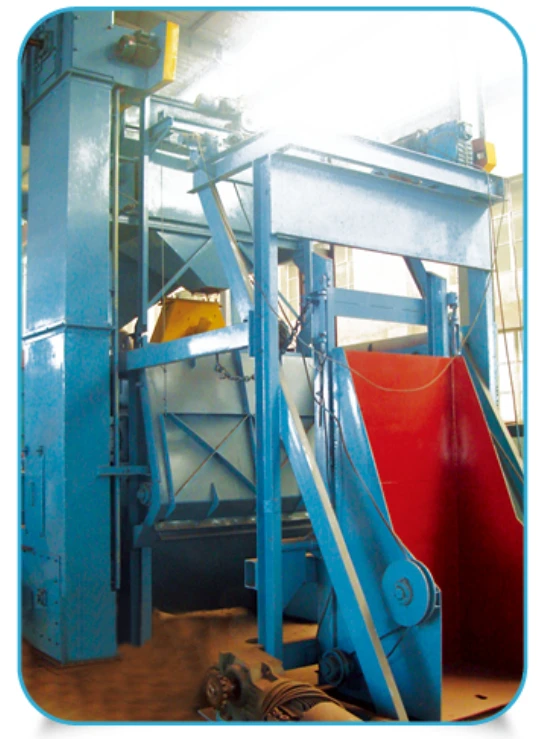
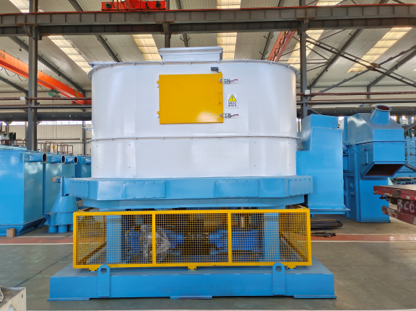
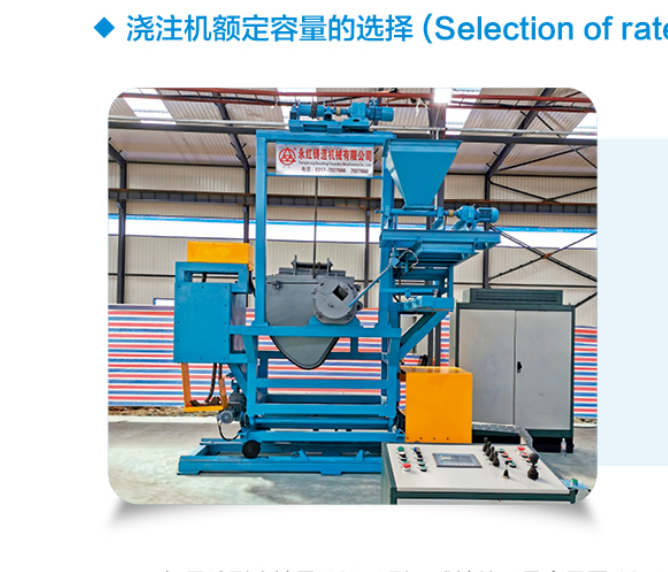
Put simply, casting equipment refers to tools and machines designed to shape materials like metals, plastics, or concrete by pouring them into molds. When offered for sale, this equipment ranges from high-precision induction furnaces and automated molding lines to more manual, portable kits for rapid prototyping or field deployment.
In modern industry, casting equipment is vital for making everything from engine blocks to decorative architectural elements. Down the humanitarian supply chain — say post-natural disaster reconstruction — having access to mobile casting setups can dramatically speed up rebuilding efforts with cost-effective, locally sourced parts.
It goes without saying: casting equipment must withstand extreme temperatures and wear. Many engineers stress that the frame and molding tools should feature heat-resistant alloys or ceramic coatings to extend their lifespan, especially in continuous operation environments.
Buying equipment that adapts—from small batch prototypes to large volume production—is a game-changer. Modern setups often feature modular designs so you can ramp up output or switch materials without overhauling your entire line.
Here’s a practical reality: upfront costs may be daunting, but consider total cost of ownership. Energy-efficient induction furnaces or mechanized molders can slash raw material waste and labor costs in the long run.
Newer equipment leveraging digital controls, sensors, and robotics improve product consistency while freeing operators from repetitive, dangerous tasks. The automotive sector, for one, heavily favors these for tight tolerance demands.
Not all casting equipment is born equal when it comes to sustainability. Technologies that reduce scrap, promote cleaner fuel use, or incorporate reusable molding materials align better with international guidelines like ISO 14001.
Last but not least, no one wants six-hour downtimes chasing mysterious faults. Intuitive controls, easy part replacements, and clear manuals often mean the difference between efficient workflows and constant headaches.
Around the globe, casting equipment’s reach is impressive:
These examples underline how access to the right casting equipment can underpin sustainable development or agile industrial growth.
You get:
Plus, on an emotional level, there’s a sense of confidence in tools that just work—and that’s no small thing when deadlines loom.
| Specification | Typical Feature |
|---|---|
| Molding Capacity | 5-100 kg per batch |
| Furnace Type | Induction or gas-fired |
| Automation Level | Manual to fully automated |
| Power Consumption | 2-15 kW/h (depending on size) |
| Materials Supported | Cast iron, aluminum alloys, plastics, concrete |
| Dimensions (L×W×H) | 1.5 x 1 x 1.2 m (typical portable unit) |
| Vendor | Product Range | Pricing | Support & Warranty | Lead Time |
|---|---|---|---|---|
| Yonghong Machinery | From manual kits to fully automated lines | Mid-range, competitive offers | 24-month warranty, 24/7 technical support | 4-6 weeks |
| GlobalCast Solutions | High-end, industrial automation focused | Premium pricing | Comprehensive warranties & on-site training | 8-12 weeks |
| RapidMold Inc. | Portable and semi-automated units | Budget-friendly | 12-month warranty, remote support | 2-3 weeks |
Frankly, the future feels like something from a sci-fi novel. Carbon-neutral manufacturing is the holy grail here, with casting equipment integrating electric arc furnaces fueled by renewable energy. Add to that the rise of IoT-enabled smart machines that monitor melt temperatures and mold integrity in real time—and you get a recipe for drastically improved yield and safety.
There’s also talk of 3D-printed molds, blending additive manufacturing with casting. This hybrid approach slashes development time and material usage. It’s not just about tech, either — international policies nudging toward green certifications (think ISO 50001 energy management) will push vendors to innovate faster.
No industry is perfect. Casting equipment sales face hurdles like high capital costs, training deficits, and logistical delays—especially in less developed regions. But companies that bundle training programs and remote diagnostics are steadily chipping away at these issues.
Plus, the market demands more eco-consciousness—fortunately, advanced filtration for smelting fumes and reusable mold materials aim to reduce environmental impact.
A1: Focus on modular, manual or semi-automated systems that offer flexibility with lower upfront costs. Check for easy maintenance and supplier support to ensure you don’t get stuck mid-production.
A2: Many machines are designed for versatility, handling multiple alloys such as aluminum and cast iron. Always verify the equipment specs to confirm compatibility with your material needs.
A3: It depends on your scale and precision requirements. Automation offers speed and consistency but comes with higher upfront investments. For startups dipping toes in prototyping, manual lines might suffice initially.
A4: Partnering with vendors who offer shipping logistics and fast-track support can help. Also, look for portable and easy-to-install units to speed deployment on site.
A5: They sometimes carry a premium but often save money long-term through energy efficiency and reduced waste. Consider total cost of ownership rather than just initial price.
The hunt for reliable, efficient casting equipment never really stops—at least not in serious industries. It’s about more than metal or molds; it’s about building a foundation for innovation, resilience, and sustainable growth worldwide. If you’re looking to get your hands on trusted casting solutions, it’s worth exploring trusted sources like casting equipment for sale. Tools like these are what turn designs into realities that power our world.
So, next time you hear about casting equipment for sale, think of the bigger picture: local empowerment, smoother industries, and yes, a little bit of magic that happens when molten metal meets a mold just right.