Release Time:2026-01-30
The sleeve is a fundamental component in numerous industries, ranging from apparel and textiles to medical and industrial applications. Its adaptability and functionality make it a crucial element in product design and manufacturing. This article explores the different types of sleeves, their applications, materials, and the latest trends impacting their production and use. We'll delve into how selecting the right sleeve can optimize product performance and customer satisfaction.
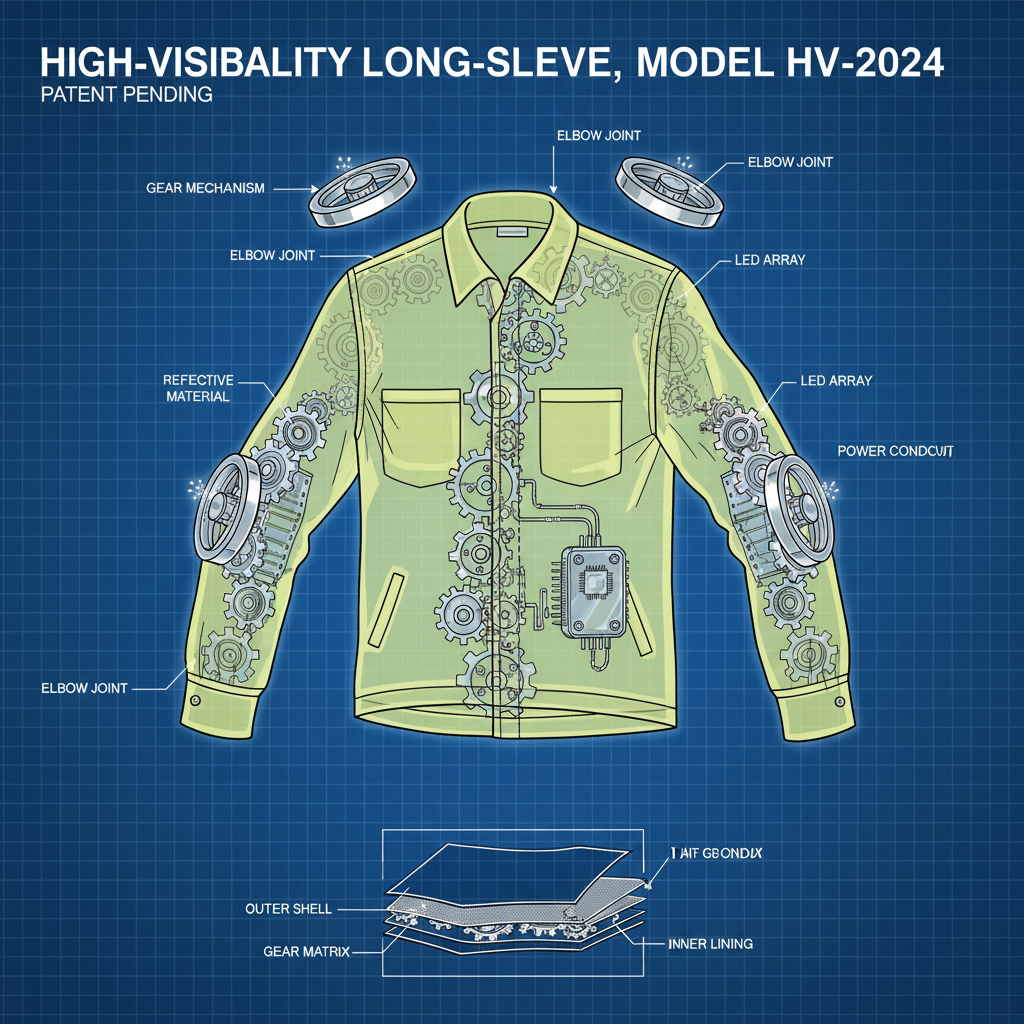
Sleeves come in a wide variety of designs to suit specific needs. These can be broadly categorized based on length, fit, and intended use. Common types include set-in sleeves (providing a tailored look), raglan sleeves (offering greater range of motion), dolman sleeves (loose and flowing), and bishop sleeves (full and gathered at the wrist). Each type contributes a unique aesthetic and functional characteristic to the garment or product. Understanding these distinctions is crucial for selecting the most appropriate sleeve for a particular application. Yonghong BQ provides a diverse range of sleeve options to meet varied client needs.
Key Highlights: A diverse range of sleeve designs cater to specific aesthetic and functional requirements, including set-in, raglan, dolman, and bishop sleeves.
The material used for a sleeve significantly impacts its properties and performance. Textiles like cotton, polyester, silk, and linen are commonly used in apparel sleeves, offering varying degrees of comfort, durability, and drape. In industrial applications, sleeves may be made from polymers like polyethylene, PVC, or neoprene, providing protection against chemicals, abrasion, and extreme temperatures. The choice of material depends on the intended application and the required level of protection or aesthetic appeal. Our sleeves are available in a wide variety of materials to suit diverse industrial needs.
Material Selection Benefits:
• Textiles provide comfort and aesthetic appeal.
• Polymers offer protection against chemicals and abrasion.
• The right material ensures optimal performance and longevity.
Selecting the appropriate sleeve requires careful consideration of several factors. These include the intended application, the required level of protection, the desired aesthetic, and the budget. Factors like seam construction, elasticity, and breathability also play a crucial role in determining the sleeve’s overall performance. A well-chosen sleeve enhances both the functionality and appearance of the finished product. Contact Yonghong BQ for assistance in finding the perfect sleeve for your project.
Sleeves play a critical role across various sectors. In the apparel industry, they define garment styles and provide comfort. In the medical field, protective sleeves are essential for hygiene and infection control. Industrial applications utilize sleeves for safeguarding workers from hazardous materials and conditions. The adaptability of sleeves makes them indispensable in a multitude of manufacturing and production processes. Yonghong BQ delivers tailored sleeve solutions for a diverse client base.
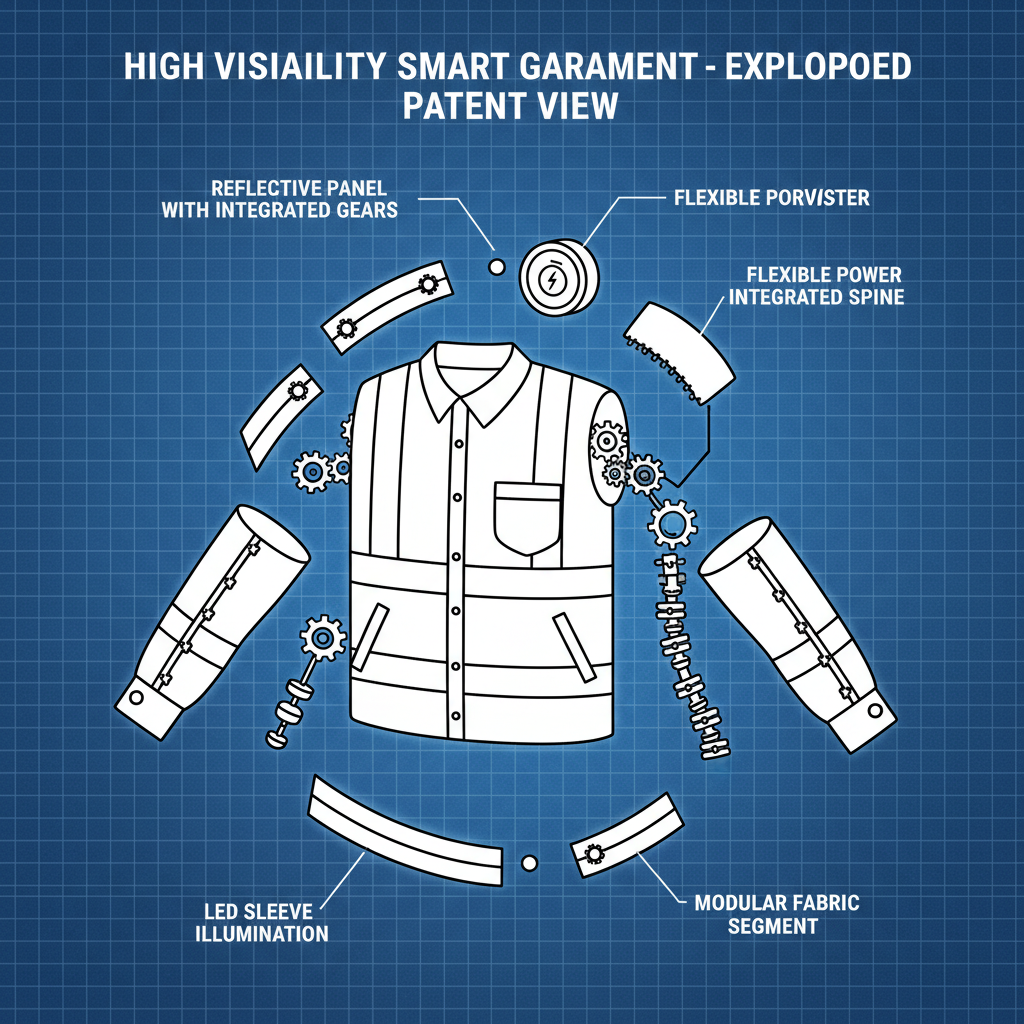
Emerging trends in sleeve technology focus on sustainability, performance enhancement, and smart materials. The use of recycled and biodegradable materials is gaining traction, reducing the environmental impact of sleeve production. Advanced fabrics with moisture-wicking, anti-microbial, and UV protection properties are enhancing comfort and safety. Furthermore, the integration of sensors and conductive materials is paving the way for "smart sleeves" with applications in healthcare monitoring and athletic performance tracking. Explore Yonghong BQ's innovative sleeve offerings.
The sleeve remains a versatile and essential component across a wide spectrum of industries. Its ability to adapt to diverse applications, combined with ongoing advancements in materials and technology, ensures its continued relevance. By carefully considering the factors outlined in this article, businesses can select the optimal sleeves to enhance product performance, protect workers, and meet evolving customer needs. Invest in quality sleeves – invest in success.
When selecting a sleeve material, consider the intended application, the required level of protection, comfort, durability, and cost. For apparel, natural fibers like cotton and silk offer comfort and breathability. For industrial applications, synthetic materials like PVC and neoprene provide chemical and abrasion resistance. Consider the environmental impact and choose sustainable materials when possible. The material should also be compatible with any other components used in the product.
Different sleeve types influence both the aesthetic and functional aspects of a garment. Set-in sleeves provide a tailored fit but can restrict movement. Raglan sleeves offer greater range of motion, making them ideal for athletic wear. Dolman sleeves create a loose, flowing silhouette, while bishop sleeves add a dramatic flair. Understanding these differences is crucial for achieving the desired look and level of comfort.
Utilizing recycled materials in sleeve production offers several benefits, including reducing landfill waste, conserving natural resources, and lowering the carbon footprint. Recycled polyester, for example, can be made from plastic bottles, diverting them from landfills and reducing the demand for virgin polyester. This promotes a more sustainable and environmentally responsible manufacturing process.