Release Time:2025-12-02
When you think of casting metal parts, the sand molding process might not come to mind immediately, but it's actually one of the oldest and most widely used manufacturing techniques worldwide. It’s a bit magical, really — shaping sand into exact molds to produce everything from engine blocks to artistic sculptures. This process matters not just for industrial output but plays a key role in infrastructure, transportation, and humanitarian efforts, especially in areas where access to high-tech manufacturing is limited. Understanding how this process works can unlock insights into sustainable production and rapid prototyping for countless applications.
Around the world, the metal casting market is booming, estimated to reach $240 billion by 2027 according to industry analysts. The sand molding process remains a backbone of that explosion, responsible for roughly 70% of all metal castings globally. From Asia’s manufacturing hubs to Africa’s emerging foundries, this process enables localized production without the need for prohibitively expensive equipment. Organizations like the International Organization for Standardization (ISO) even include sand molding in their materials standards because of its widespread use.
However, with growing demands for precision, sustainability, and speed, traditional sand molding faces challenges — such as waste management and labor intensity — which modern innovations are beginning to tackle.
Simply put, the sand molding process involves creating a mold cavity with sand that shapes molten metal as it cools. Workers pack sand around a pattern (usually a replica of the desired part), forming the mold. When the pattern’s removed, the cavity remains, into which metal is poured. Once it solidifies, the mold is broken to reveal the casting.
This technique connects deeply to modern industries by enabling custom, complex shapes without the prohibitive cost of metal molds, especially beneficial in remote or developing regions where rapid production of metal parts can support everything from agricultural machinery to water infrastructure.
The type of sand used is everything here. Silica sand is common, but mixes often contain clays and binders for durability and permeability — allowing gases to escape as metal cools. The right sand mix ensures surface finish quality and mold strength.
The pattern is the blueprint of your part. Precision in pattern making leads to better fitting components and reduces finishing work. Many foundries now use 3D printing to create patterns, speeding iterations.
While molds are generally single-use, their ability to withstand metal pouring without cracking is vital. Too weak, and you risk defects or safety hazards.
Compared to permanent molds, sand molding is much more affordable. Rapid setup for new designs is a big plus, especially for small to medium batch runs.
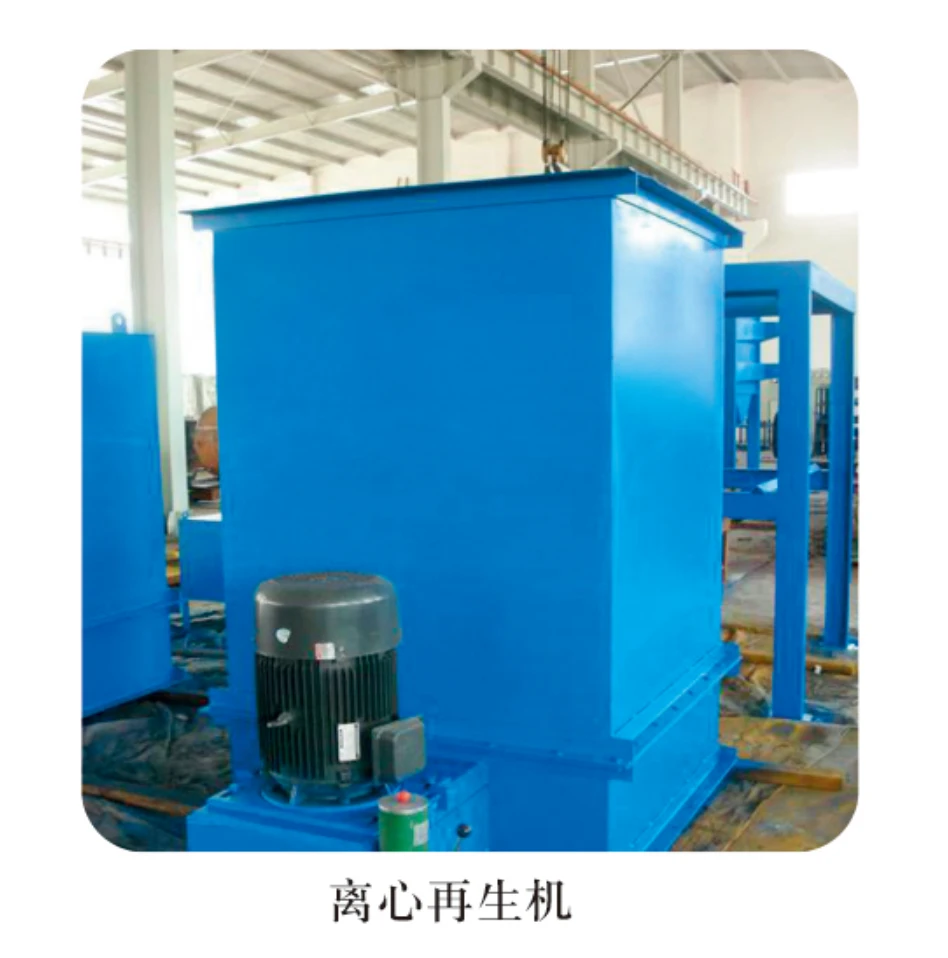
Sand can be recycled, but managing waste binders and dust is crucial. Modern foundries focus on sustainable reclamation practices.
This process is everywhere. In automotive factories of Germany and Japan, it creates engine blocks and chassis parts. In emerging economies across India and Latin America, it empowers small foundries to produce affordable agricultural equipment components. Even NGOs use sand mold castings to rebuild water pumps after natural disasters — a lifesaver in unfolding crises.
As a quick example: a recent relief operation in Southeast Asia set up mobile sand mold facilities to manufacture replacement parts locally rather than rely on slow imports. This sort of low-tech, high-impact use case really highlights the importance of the sand molding process beyond factories.
Emotionally, you might imagine the trust workers place in this time-tested process — they know the parts built this way hold up in heavy-duty machines, vehicles, and infrastructure. That trust is earned, not given.
| Specification | Typical Values | Remarks |
|---|---|---|
| Sand Grain Size | 150–400 µm | Fine sand for smooth finish |
| Binder Content | 3–7% | Clay or chemical binders |
| Pouring Temperature | 1200–1600°C | Depends on metal alloy |
| Cooling Time | 20–60 min | Varies by casting size |
| Mold Reuse | Usually single-use | Sand recycled after breakdown |
| Vendor | Experience (Years) | Typical Turnaround | Custom Pattern Services | Eco-Friendly Practices |
|---|---|---|---|---|
| GlobalCast Ltd. | 25 | 3 weeks | Yes – 3D printed patterns | High - sand reclamation |
| SandForm Industries | 12 | 2 weeks | Limited | Medium |
| EcoMold Technologies | 8 | 4 weeks | Yes | Very high - organic binders |
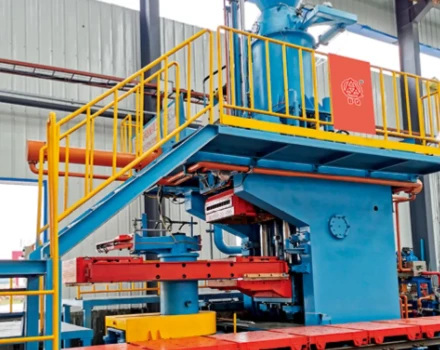
The old sand molding process is not quite ready to retire. Innovations like automated molding lines, 3D-printed sand molds, and eco-friendly binders are transforming it. Add to that digital simulations predicting metal flow and cooling, and you get improved yields with fewer defects.
Another fascinating trend is integrating green energy with foundries, reducing carbon footprints in manufacturing pulses. Plus, initiatives to recycle spent sand fully and swap to biodegradable binders march on.
Despite its strengths, sand molding struggles with porosity defects, surface finish inconsistencies, and relatively slow cycle times. But experts suggest solutions like controlled atmosphere pouring, optimized sand grain coatings, or hybrid molds combining sand with other materials.
Plus, training for workers in new techniques and investments in digital quality controls help bridge tradition and innovation — a balance I find crucial.
The sand molding process is a remarkable blend of tradition and innovation. Decades of refinement paired with modern materials and digital aids keep it relevant on the global stage — from bustling industrial centers to post-disaster repair zones. Its flexibility, cost-effectiveness, and adaptability make it a trusted method for reliable manufacturing across industries.
Curious to dive deeper or explore solutions tailored to your needs? Visit our website: https://www.yonghongbq.com