Release Time:2025-12-02
Sand mixture machines might sound like a niche piece of industrial equipment, but their significance stretches far beyond. These specialized machines form a backbone in numerous sectors, from construction and manufacturing to environmental reclamation. In a world where resource optimization and sustainability are more than buzzwords—they're imperatives—knowing how sand mixture machines work and why they matter can be surprisingly valuable.
Globally, the building and industrial sectors see sand as a critical material. Yet, natural sand deposits are depleting, and quality mixes are essential for durability and safety. Enter the sand mixture machine: an efficient solution that blends different sand grades and additives to improve material performance while easing supply chain pressures.
The UN Environment Programme estimates that sand and gravel extraction exceeds natural renewal rates by a factor of several times in many regions, leading to ecological harm and political tension. Sand is literally the most extracted solid on Earth, following water and air, according to recent World Bank reports. Construction demands, driven by urbanization and infrastructure projects worldwide, have skyrocketed.
Against this backdrop, sand mixture machines enable industries to create customized sand compositions tailored for specific use cases—thus maximizing resource efficiency and reducing waste. Think about rapid urban expansion in Asia or infrastructure buildup in parts of Africa. These machines quietly work behind the scenes, ensuring that the sand mix adapts well to the requirements of concrete, glass, or casting processes.
However, challenges remain—variability in sand quality, cost constraints, and sometimes limited access to state-of-the-art machinery. The sand mixture machine addresses many of these by automating blending, improving reproducibility, and reducing human error.
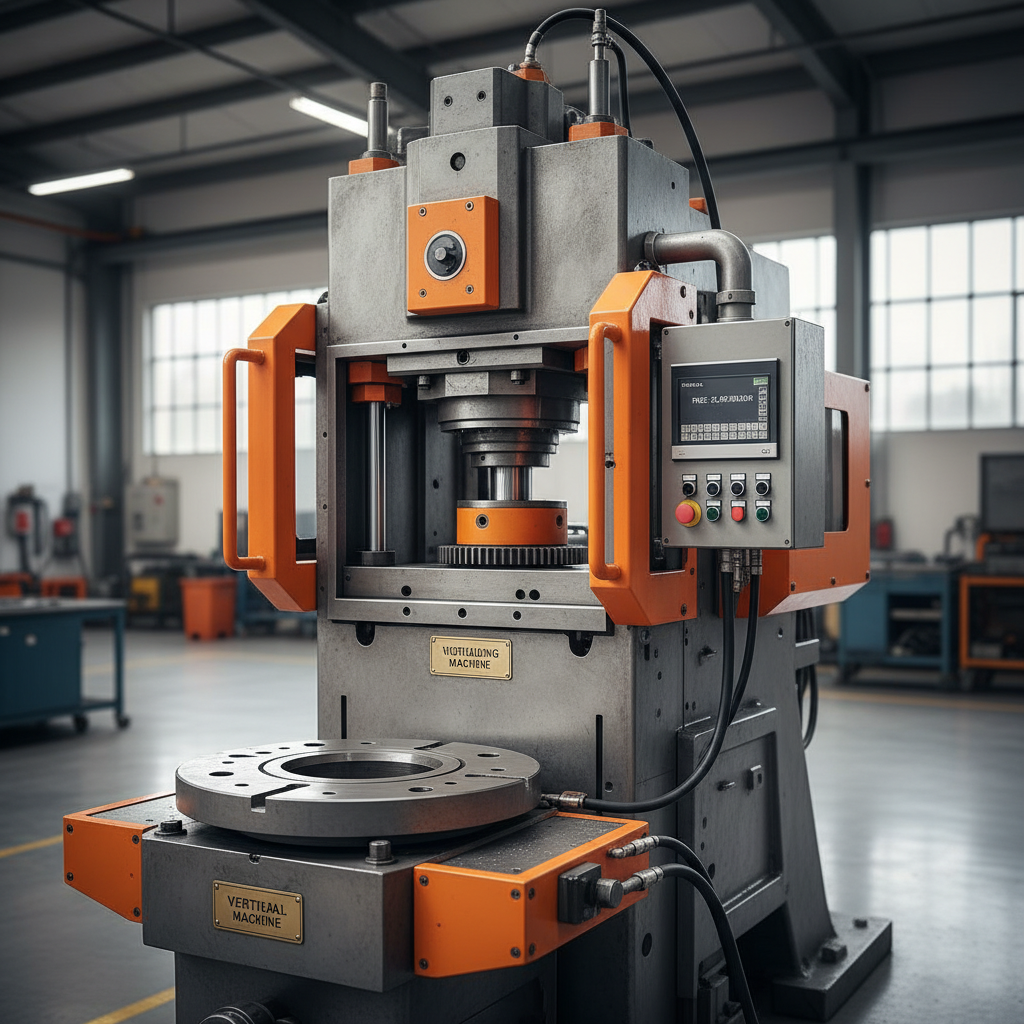
At its core, a sand mixture machine is industrial equipment designed to combine different types of sand with other inert materials like gravel, lime, or binding agents to produce a homogeneous blend optimized for a particular purpose. Consider it a "smart blender" but for heavy-duty, granular raw materials.
From foundries forging metal components to factories producing precast concrete, the homogeneity and particle size distribution achieved by these machines can determine product quality. Without a good sand mixture, you risk weak concrete, casting defects, or inconsistent industrial performance.
Sand mixture machines are the unsung heroes in sectors demanding top-grade sand combinations — ensuring reliability, safety, and material efficiency across industries.
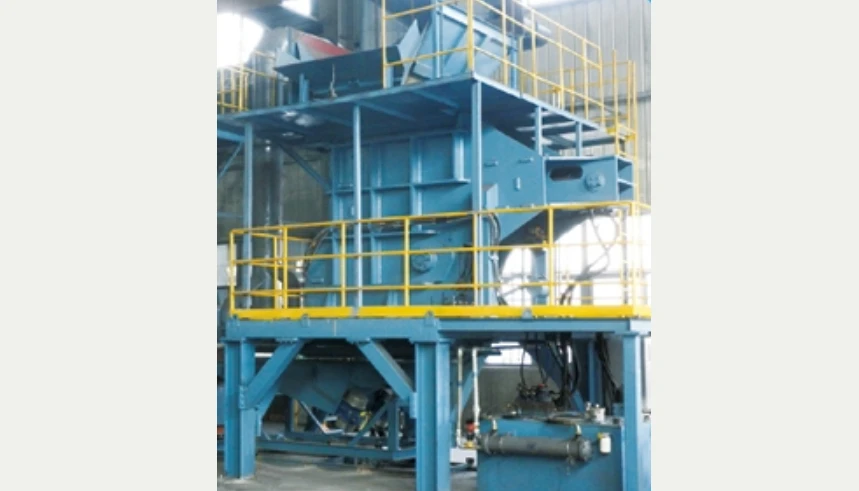
Many engineers emphasize the importance of robust materials and build—these machines often operate in dusty, rough working environments. Manufacturers usually use high-grade steel frames and wear-resistant liners to withstand abrasive sand particles, extending lifespan and reducing maintenance downtime.
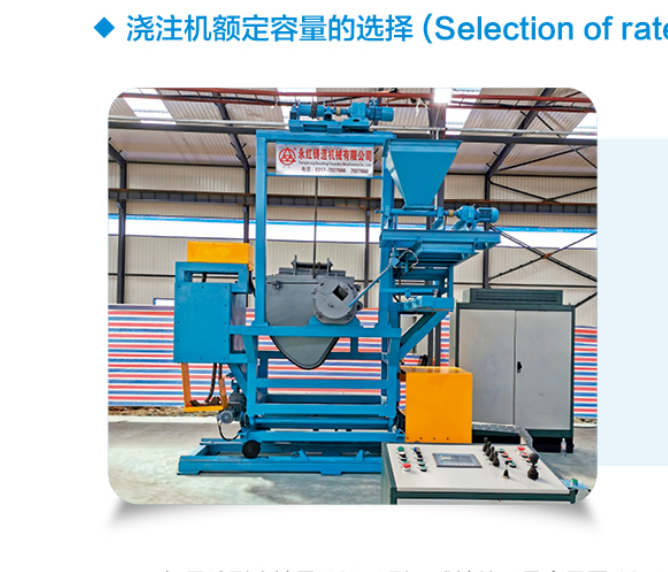
A big deal with sand mixture machines is precision. Modern units offer microprocessor controls governing rotation speed, mixing time, and proportion ratios, allowing users to hit exact specifications every batch. This is vital for concrete production, where minute variations affect curing and strength.
From compact mobile units used in remote sites to large-scale industrial mixers underpinning massive operations—scalability matters. Users can choose from machines handling a few hundred kilograms per cycle up to several tons, depending on project size.
Energy efficiency in mixing operations is critical. Optimized motor designs, minimal friction bearings, and smart automation keep operational costs reasonable. Many newer models also incorporate energy-saving modes for idle times.
Let’s be honest—sand mix machinery gets dirty fast. Designs that facilitate quick disassembly and cleaning help minimize downtime. Features like self-cleaning paddles or smooth internal surfaces can significantly speed up maintenance.
The best machines allow users to adjust mixing parameters or swap out components to handle unique sand types or additives. This flexibility supports evolving industrial needs—plus it prevents rapid obsolescence.
Sand mixture machines find their niche across an impressive array of sectors and regions. For instance:
This diversity highlights an important point: the technology adapts to local challenges while underpinning a global economy increasingly conscious of resource sustainability.
From a cost perspective, consistent mixes reduce waste, avoid project delays, and minimize rework expenses. Environmentally, they help optimize sand use, preserving deposits. Socially, reliable infrastructure and products support community safety and development.
Emotionally, it feels reassuring to know advanced machines enforce quality and innovation rather than leaving things to guesswork. Customers and businesses can trust the outcomes will meet expectations—an often overlooked comfort.
| Specification | Details |
|---|---|
| Mixing Capacity | 500 - 3000 kg per cycle |
| Power Consumption | 5 - 15 kW, energy efficient motor |
| Control System | PLC with touchscreen interface |
| Material Construction | Wear-resistant steel, corrosion-proof coating |
| Mobility | Stationary or mobile options |
| Vendor | Mixing Capacity | Automated Controls | Energy Efficiency | Price Range (USD) |
|---|---|---|---|---|
| Yonghong Group | 500-2500 kg | Full PLC & remote monitoring | High efficiency (IE3 motors) | 15,000 - 40,000 |
| GlobalMix Co. | 700-3000 kg | Semi-automated controls | Moderate efficiency | 12,000 - 35,000 |
| SandPro Solutions | 300-1500 kg | Manual controls | Basic motor setup | 8,000 - 20,000 |
Automation is marching ahead. Expect AI-driven predictive controls that adjust mix ratios in real-time, responding to material inconsistencies. Green tech is also key—with energy sourced from renewables and durable components enabling a circular lifecycle.
Integration with digital supply chains, IoT sensors for quality monitoring, and modular designs to customize on the fly will likely become standard. All this means better output, less downtime, and smarter resource use.
Some hurdles remain—initial capital investment can be steep, and operation requires skilled technicians. Plus, varying sand qualities worldwide sometimes baffle even robust machines.
Manufacturers are combating these with training programs, modular machine upgrades, and hybrid solutions incorporating mechanical and chemical treatment stages for problem sands.
Sand mixture machines quietly enable some of the most critical advancements in construction and manufacturing worldwide. They merge engineering precision with practical needs—helping industries build stronger foundations and invest smarter. If you’re looking to upgrade your operations or explore customized sand handling solutions, now’s the time to dive deeper and see what the latest machines offer.
Discover more about these game-changing machines from trusted suppliers like Yonghong Group and start shaping your material future today.