Release Time:2026-02-24
Thermal relays are crucial components in electrical systems, designed to protect motors from overload conditions. They act as a safeguard, preventing damage and extending the lifespan of valuable equipment. This article delves into the workings of thermal relays, their types, applications, selection criteria, and the benefits of utilizing them for optimal system performance. Effective motor protection is paramount for industrial efficiency and safety, and thermal relays play a vital role in achieving this.
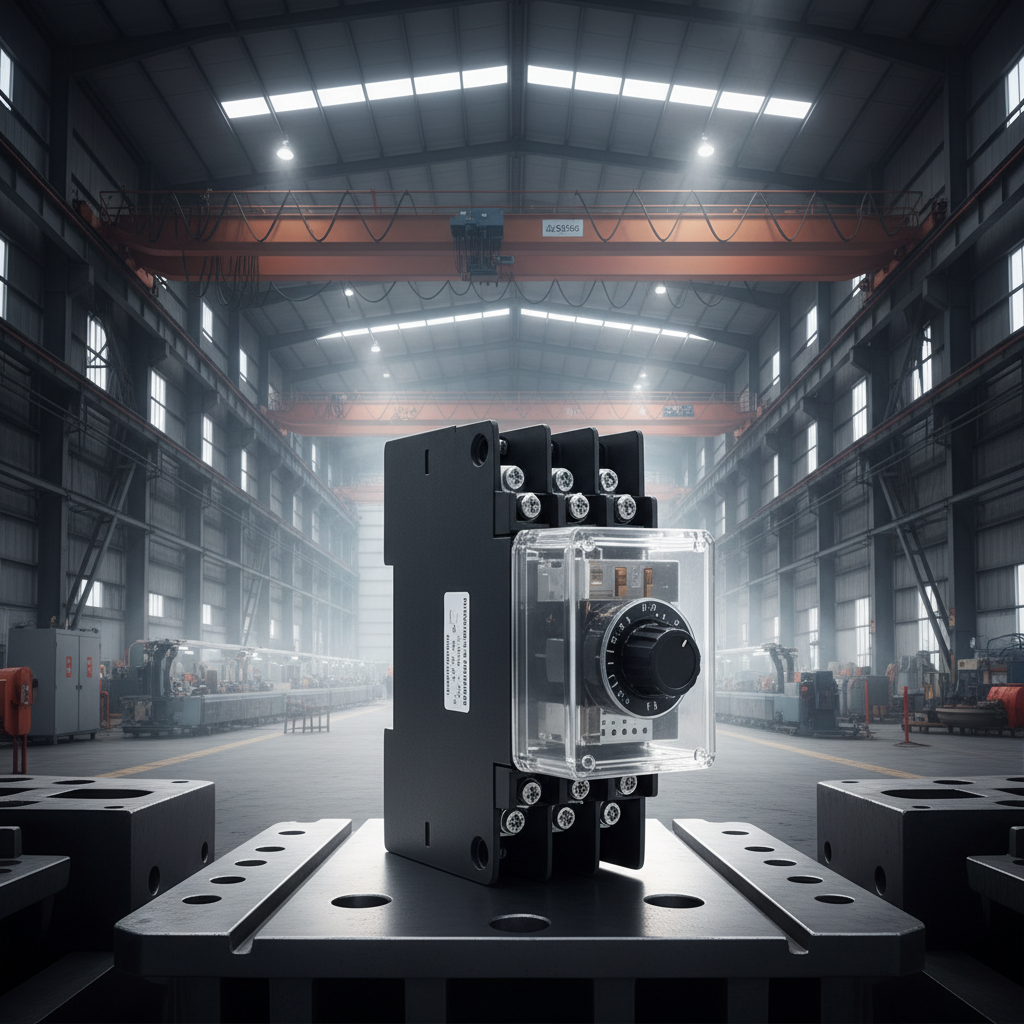
At its core, a thermal relay operates on the principle of thermal expansion. When an electric motor draws excessive current (overload), the bimetallic strip within the relay heats up. This heat causes the strip to bend, triggering a mechanism that disconnects the motor from the power supply. This tripping action prevents the motor from overheating and potentially sustaining permanent damage. Once the motor cools down, the thermal relay can be manually or automatically reset, restoring power. The sensitivity of the relay is adjusted based on the motor's full-load current (FLC), ensuring it responds appropriately to overload situations.
Key Principle: Thermal relays utilize the principle of thermal expansion to detect and respond to motor overload conditions, protecting the motor from damage.
Thermal relays come in several types, each suited for different applications and levels of precision. The most common types include:
The choice of relay type depends on factors like the motor's characteristics, the application's sensitivity, and the desired level of protection.
Thermal Relay Type Comparison:
• Bimetallic: Common, cost-effective, reusable.
• Melting Alloy: Simple, one-time protection, requires replacement.
• Electronic: Precise, adjustable, advanced features.
Proper selection of a thermal relay is critical for effective motor protection. Key factors to consider include the motor's full-load current (FLC), service factor, and application requirements. The relay's trip class (10A, 20A, 30A) determines the amount of overload it can tolerate before tripping. Choosing the correct trip class ensures the relay responds appropriately without nuisance tripping or allowing damaging overloads to persist. Additionally, consider the ambient temperature where the relay will be installed, as temperature can affect its performance.
Thermal relays are indispensable in a wide array of industrial applications, including pumps, fans, compressors, conveyors, and machine tools. They are essential for protecting motors in harsh environments, such as those found in manufacturing plants, mining operations, and wastewater treatment facilities. Their reliable performance ensures continuous operation and minimizes downtime due to motor failures. Utilizing high-quality thermal relays from reputable manufacturers like Yonghong BQ guarantees optimal motor protection and system reliability.

Implementing thermal relays offers numerous benefits, including increased motor lifespan, reduced downtime, enhanced safety, and lower maintenance costs. By preventing motor damage from overloads, they minimize the need for costly repairs or replacements. Furthermore, they contribute to a safer working environment by preventing potential hazards associated with motor failures. Investing in thermal relays is a proactive approach to asset protection and operational efficiency.
Thermal relays are vital components for safeguarding electric motors and ensuring the reliability of industrial systems. Choosing the right relay type and setting it correctly are crucial for optimal protection. By investing in quality thermal relays from a trusted supplier like Yonghong BQ, you can significantly reduce downtime, lower maintenance costs, and extend the lifespan of your valuable equipment.
While both protect electrical circuits, they operate differently. A circuit breaker is a general-purpose protective device that responds to both short circuits and overloads, typically using a magnetic trip for short circuits and a thermal element for overloads. A thermal relay specifically protects against motor overloads and typically has a more refined and adjustable overload trip characteristic designed for motor applications. Circuit breakers are faster to trip in a short circuit condition but may not offer the same level of precision for motor overload protection as a dedicated thermal relay.
It is recommended to test thermal relays periodically, ideally every 6-12 months, or as part of a preventative maintenance schedule. Testing can be done by simulating an overload condition (using a variable resistor) and verifying that the relay trips within its specified time range. Ensure to follow the manufacturer’s instructions for testing procedures. Regular testing ensures the relay is functioning correctly and provides reliable protection.
Trip class defines the amount of overload a thermal relay can withstand before tripping, expressed as a percentage of the motor's full-load current. Class 10A relays trip when the current reaches 110% of the FLC, Class 20A relays trip at 120%, and Class 30A relays trip at 130%. Selecting the appropriate trip class depends on the motor's application and starting characteristics. Motors with high starting torque may require a higher trip class to avoid nuisance tripping during start-up.