Release Time:2025-12-02
If you’ve ever watched a massive construction site or a concrete plant in action, chances are you caught a brief glimpse of sand mixing machines doing their steady, reliable work without much fanfare. Yet, behind every smooth concrete floor and sturdy building foundation, those machines are the unsung heroes. Sand mixer machine manufacturers are the backbone of this lesser-known aspect of the industry—crafting specialized equipment to blend sand efficiently with other materials, essential in foundations, asphalt, glassmaking, and more.
Why does this niche manufacturer group matter so much globally? Well, sand-based construction materials are fundamental to urban growth and infrastructure development worldwide. According to the United Nations Environment Programme (UNEP), the global demand for sand and gravel aggregates stands at roughly 50 billion tons annually, making it the most extracted material worldwide. Efficient sand mixers streamline production, making the process faster, less wasteful, and all-around more reliable. And that’s exactly why understanding the role of a sand mixer machine manufacturer, especially in today’s eco-conscious and increasingly automated landscape, is critical for industry players and planners alike.
Mini Takeaway: Sand mixer machine manufacturers quietly power a massive global construction industry, improving productivity and sustainability in crucial infrastructure projects.
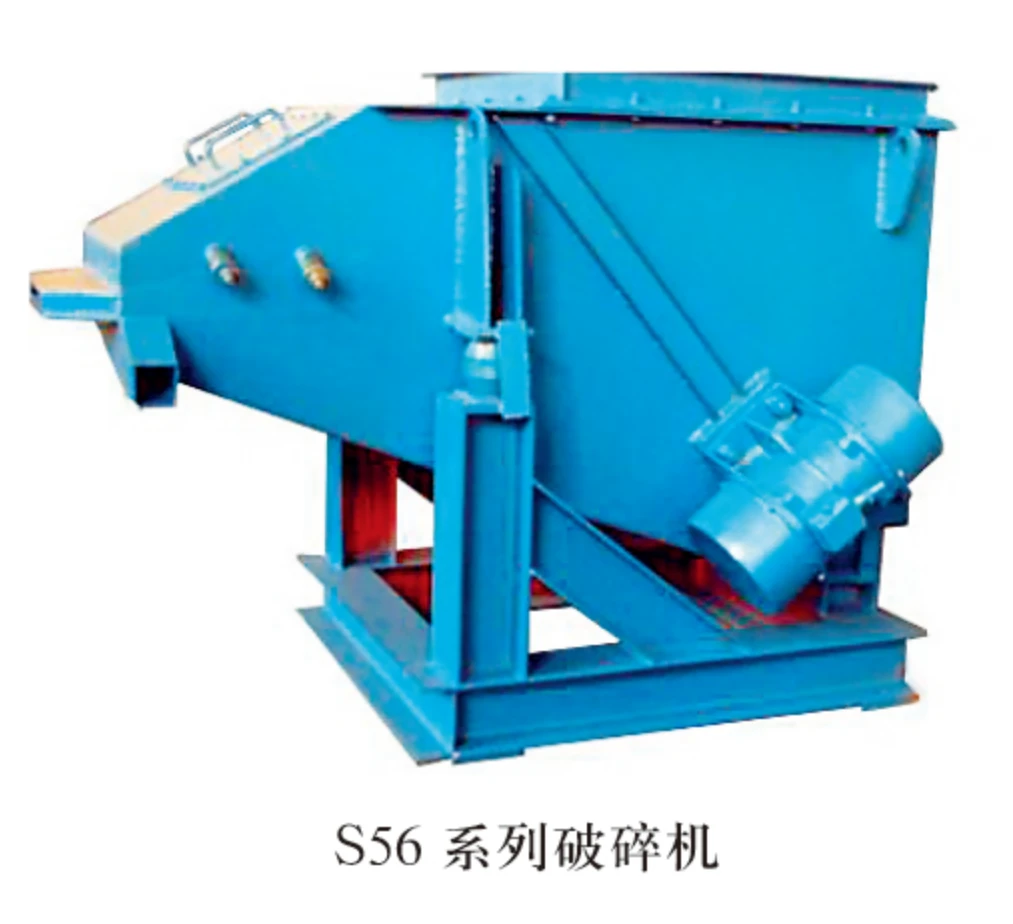
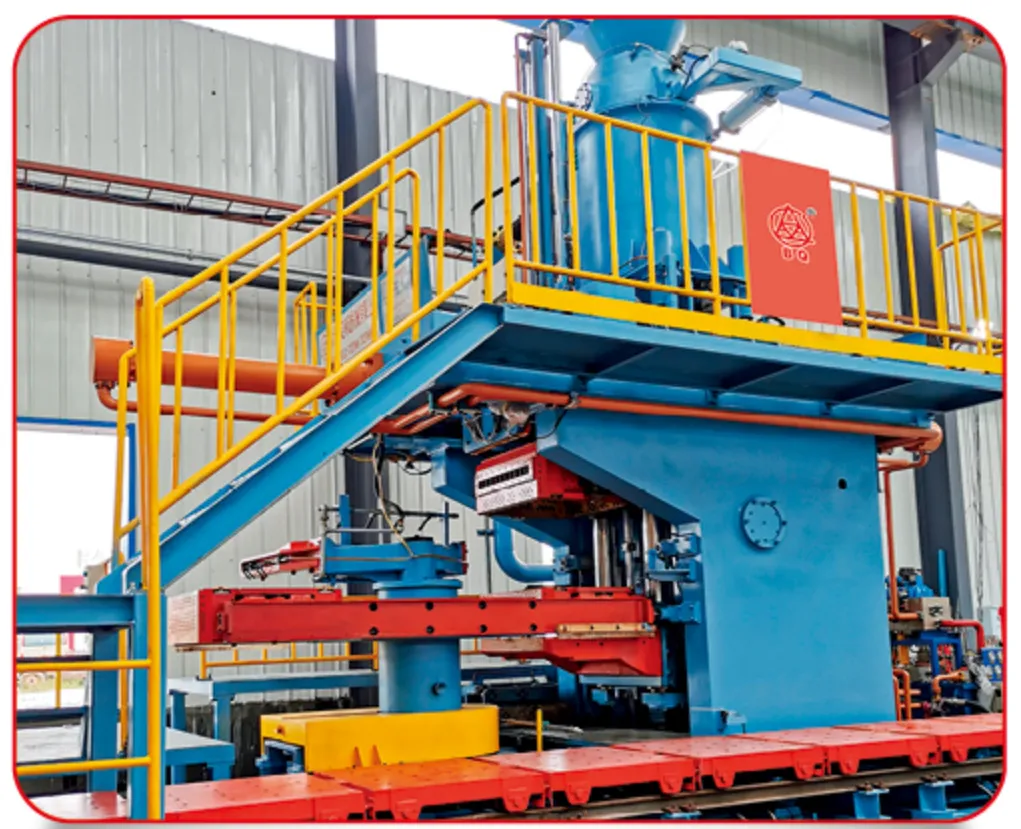
At its core, a sand mixer machine manufacturer designs and produces industrial machines specialized in mixing sand with other materials such as cement, gravel, or additives. These companies focus on engineering mixers that ensure an even, homogenous blend—key for quality concrete or specialized industrial mixes.
It might sound straightforward, but think about the complexity: these machines must tackle varying sand moisture levels, particle sizes, and blend speeds while being durable under tough working environments. In humanitarian contexts too—say, rapid rebuilding efforts after natural disasters—a reliable sand mixer maker can be the difference between delayed reconstruction and swift recovery. So it's not just industry jargon—it’s a sector with broad reach.
Mini Takeaway: Sand mixer machine manufacturers provide essential equipment that ensures consistent mixing quality, impacting sectors from urban construction to disaster relief.
Machines in this category operate in dusty, abrasive environments and often run for extended hours. Manufacturers prioritize wear-resistant materials, reinforced steel frames, and corrosion-resistant coatings. I’ve noticed many engineers emphasize how longevity saves overall cost, even if the upfront price is higher.
Efficiency hinges on blade design, rotation speed, and the mixing chamber shape. Optimal machines achieve uniform blend ratios quickly, reducing energy use and downtime.
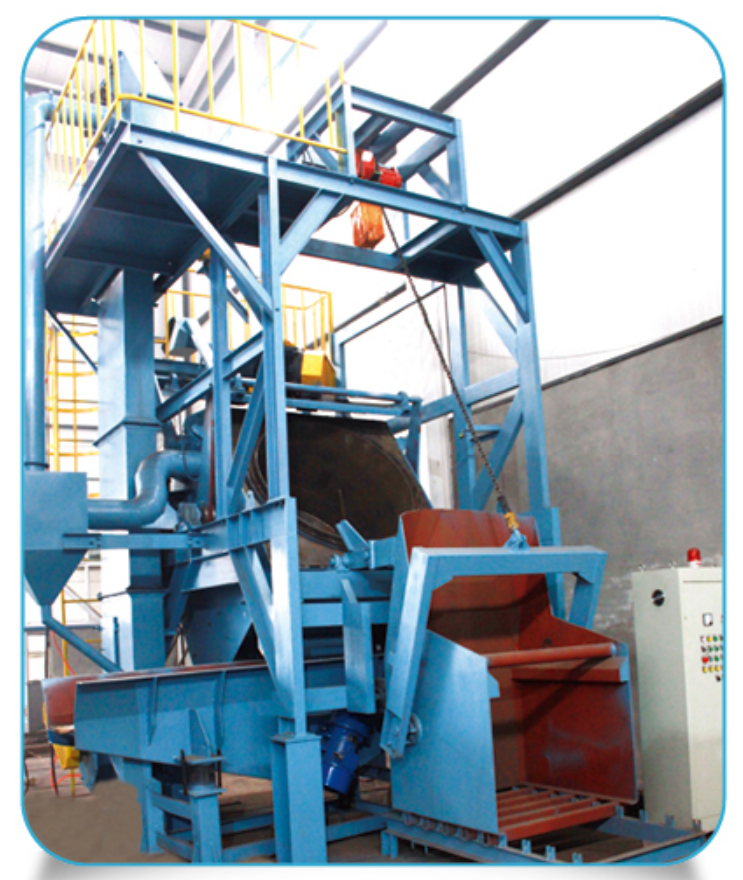
From small-scale portable mixers used by niche industries to massive fixed installations for heavy construction projects, manufacturers offer varying capacities. It’s like picking the right shoe size — the wrong fit can hamper productivity.
Modern sand mixer machine manufacturers integrate programmable logic controllers (PLCs) and sensors that monitor sand moisture, temperature, and mixing times. Automation improves consistency and enables remote operation—significant in today’s push for safer job sites.
Simple maintenance routines and easy part replacement help operators avoid costly shutdowns. It turns out, manufacturers who design for maintainability score higher on long-term client satisfaction.
Mini Takeaway: From ruggedness to smart features, sand mixer machine manufacturers balance engineering, cost, and usability to meet diverse industry needs.
Industries from construction to glass manufacturing depend on these mixers. Here are some examples:
Mini Takeaway: Sand mixer machines are indispensable across various sectors and geographies, from emergency response to heavy industrial production.
Thinking beyond just mixing—the benefits ripple outwards:
Mini Takeaway: Reliable sand mixer machines bring consistent quality, reduce costs, and positively impact society and the environment.
| Specification | Details |
|---|---|
| Mixing Capacity | 500 to 2000 kg per batch |
| Power Source | Electric motor, 5-15 KW |
| Mixing Time | 3 to 8 minutes per batch |
| Automation | PLC control with sensor feedback |
| Material | Wear-resistant steel, corrosion-resistant coating |
| Dimensions (LxWxH) | 2500 x 1800 x 1500 mm (typical) |
| Feature | Yonghong Machinery | GlobalMix Inc. | MixTech Solutions |
|---|---|---|---|
| Customization Options | High – tailored to client needs | Moderate – standard models | Limited – mostly off-the-shelf |
| Automation Features | Advanced PLC and IoT-ready | Basic automation | Semi-automated controls |
| Lead Time | 4-6 weeks | 6-8 weeks | 8-12 weeks |
| Warranty | 24 months | 18 months | 12 months |
| Global Service Network | Extensive | Limited | Moderate |
Innovation never truly stops. Recently, I’ve noticed a few fascinating trends reshaping how manufacturers operate:
Those working with leading sand mixer machine manufacturer companies say these shifts will redefine asset management and efficiency in the near future.
Of course, it’s not always smooth sailing. Here are some hurdles and how top manufacturers tackle them:
These solutions require close collaboration between buyers and sand mixer machine manufacturer partners and a touch of engineering creativity.
Q1: How do sand mixer machines improve construction speed?
A: By ensuring a uniform and quick mix, these machines reduce waiting times between pouring phases, minimizing scheduling delays and labor costs.
Q2: Can I customize a sand mixer machine for unique sand types?
A: Absolutely. Many manufacturers offer design tweaks and add-on sensors to accommodate varying particle sizes and moisture levels.
Q3: What maintenance does a sand mixer require?
A: Routine inspections of blades, motors, and seals are essential, typically monthly depending on usage. Easy part replacement helps reduce downtime.
Q4: Is automation in sand mixer machines expensive?
A: While the initial investment may be higher, automation pays off by boosting consistency, reducing errors, and lowering labor requirements.
Q5: How can international clients source from sand mixer machine manufacturers?
A: Many leading vendors have established export processes and service networks, with customs and logistics handled professionally for smooth delivery.
Sand mixing machinery isn’t the flashiest part of construction or industrial production, but you kind of can’t build without it. With increasing global demand for infrastructure and sustainable building methods, partnering with an experienced sand mixer machine manufacturer is a smart choice—whether you’re rebuilding after a crisis or launching a new construction mega-project.
They bring together engineering robustness, smart automation, and support to keep projects on time and in budget. And who doesn’t want machinery that works smarter, lasts longer, and wastes less?
So, next time you see a sturdy concrete slab or a glass factory humming along, give a quiet nod to the machinery—and the manufacturers behind it—making it all possible.
To explore advanced sand mixer solutions, consider reaching out to trusted manufacturers and learn how they can customize equipment for your specific needs.
Visit our website for more information and detailed product catalogs: https://www.yonghongbq.com
References:
1. United Nations Environment Programme, Sand and Sustainability, 2021.
2. International Organization for Standardization (ISO) Mixer Machinery Standards.
3. World Bank Infrastructure and Urban Development Reports, 2022.