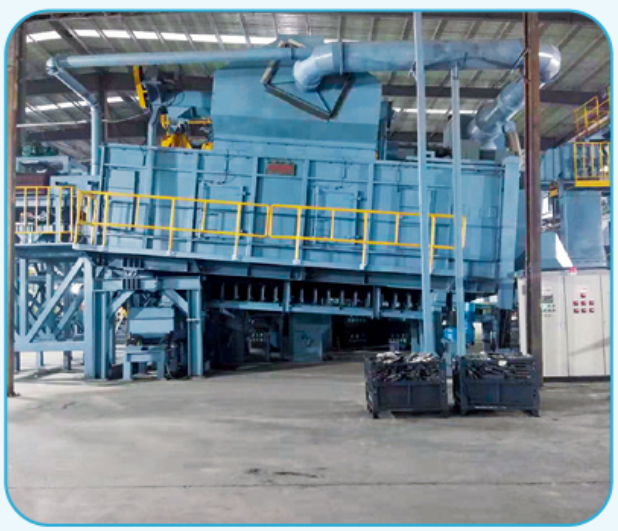
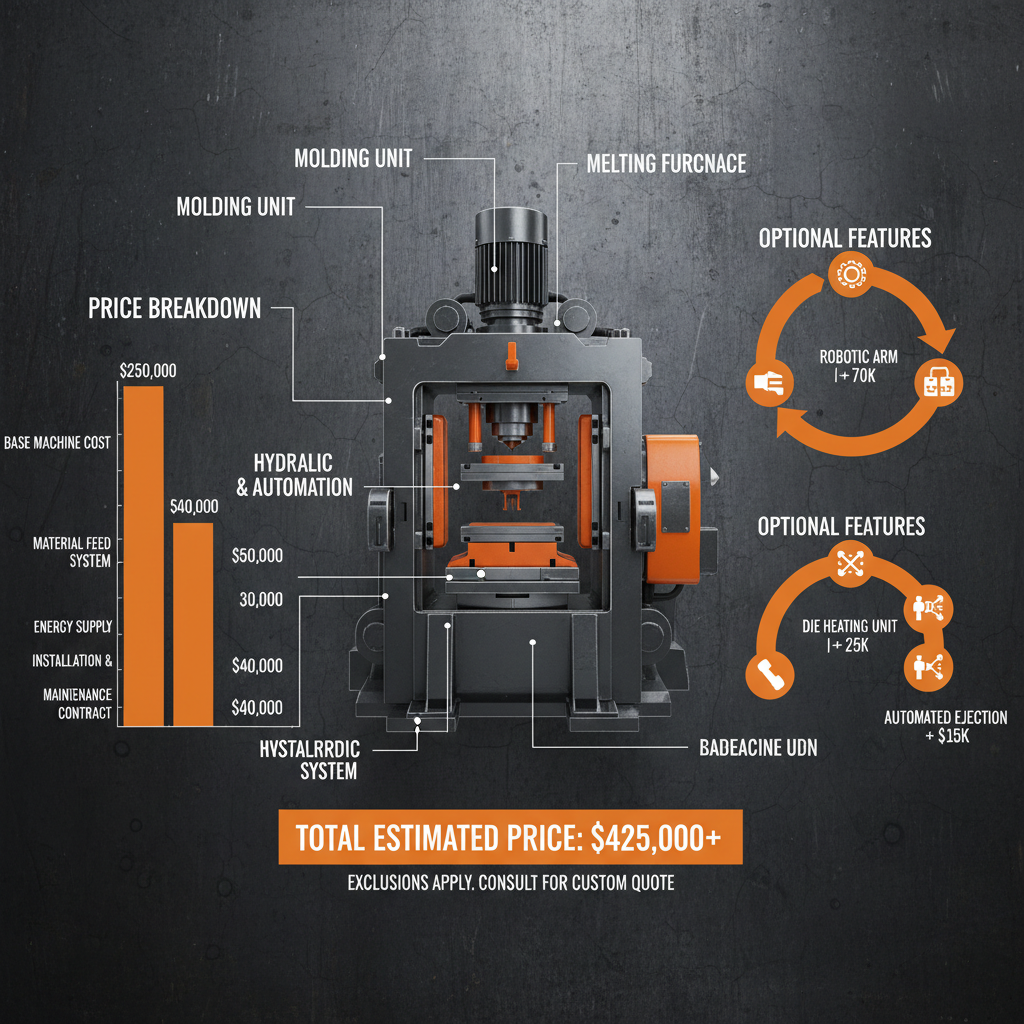
Getting to Know the High Pressure Moulding Machine: Why It Matters
If you’ve ever marveled at the perfectly shaped products coming off an assembly line—from automotive parts to household appliances—there’s a good chance a high pressure moulding machine was involved. These machines play a quietly pivotal role in modern manufacturing, shaping raw materials into durable, complex components at impressive speeds. Beyond factory floors, they intersect with global industries that touch everything from construction to disaster relief housing. Understanding what this technology is and why it’s rapidly gaining attention worldwide offers a glimpse into the behind-the-scenes of efficiency, innovation, and sustainability.
The Global Context: Why High Pressure Moulding Machines Are More Relevant Than Ever
Globally, manufacturing contributes about 16% to the world GDP according to the World Bank, with productivity and precision becoming non-negotiable factors to stay competitive. The use of high pressure moulding machines — specifically those that compress raw materials at extraordinary pressures to form solid, reliable products — offers solutions to challenges like material wastage, product consistency, and speed of production. ISO standards for plastics and metal component manufacturing have increasingly pushed the adoption of precision moulding, supported by UN sustainability goals focused on clean production and reduced waste.
Perhaps the sharpest challenge these machines help address today is the demand for reliable yet rapid production cycles in both established and emerging industries. Think of automotive manufacturing needing thousands of identical parts every day, or humanitarian organizations requiring sturdy, quickly assembled modular housing solutions in crisis-hit areas. The high pressure moulding machine enables these possibilities on a near-industrial scale.
> Mini takeaway: As factories and humanitarian responders alike seek speed, reliability, and sustainability, high pressure moulding machines become central to meeting these complex demands.
What is a High Pressure Moulding Machine?
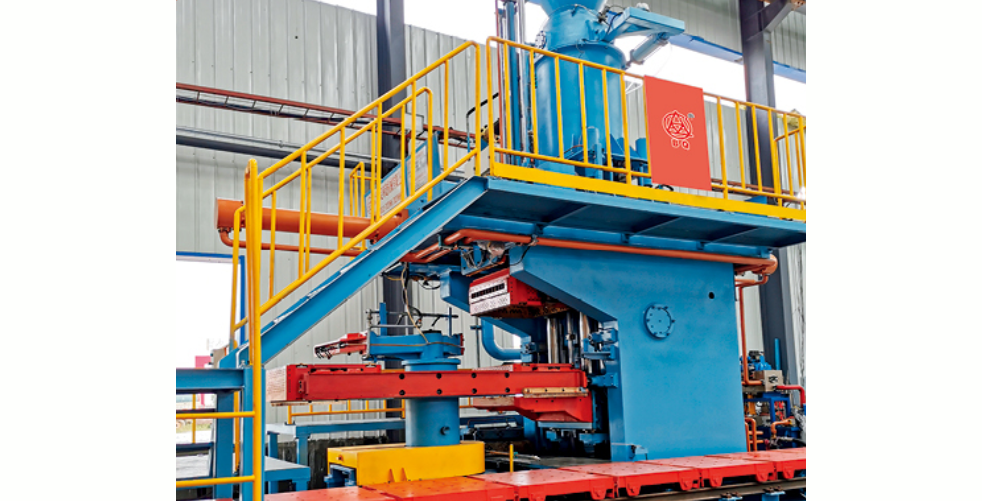
At its core, a high pressure moulding machine is an industrial device designed to apply tremendous pressure—sometimes exceeding hundreds of megapascals—to raw materials inside a mould to produce a desired shape or component. Usually associated with plastics, composites, ceramics, or metal powders, this process improves density, mechanical strength, and surface finish. Unlike conventional low-pressure or gravity casting, these machines enable far more precise control over the finished product’s properties.
How does this fit in the bigger picture? In modern industry, whether you’re making car bumpers, electrical housings, or specialized packaging, “high pressure moulding” ensures components meet strict operational standards, reducing failures and extending lifespan. Oddly enough, these machines also have humanitarian applications, such as producing building blocks or panels for quickly erected shelters in post-disaster zones—a detail that often gets overlooked.
Key Components & Factors Behind High Pressure Moulding Machines
1. Pressure Capacity
The top feature, naturally, is how much pressure the machine can exert. Higher pressures lead to denser, stronger products. In real-world terms, machines range from 50 to 300 MPa depending on the material and application, with some specialized units pushing even further.
2. Heating & Temperature Control
Precise temperature control complements pressure, especially when working with thermoplastics or composites. Uniform heating prevents defects and improves material bonding. Many systems now include rapid heat-up and cooling cycles to boost efficiency.
3. Mould Design & Flexibility
The complexity and adjustability of the mould itself is critical. Modular mould designs allow manufacturers to switch product types without entirely new setups, saving time and costs.
4. Automation & Monitoring
Modern machines often integrate IoT and sensors that monitor pressure, temperature, and cycle times in real time. This digital oversight reduces errors and facilitates maintenance before issues arise.
5. Energy Consumption & Sustainability
Sustainability is increasingly a design driver. Energy-efficient hydraulics, heat recovery systems, and recyclable materials used in the machine’s construction define next-gen equipment’s eco footprint.
> Mini takeaway: Successful high pressure moulding depends on a blend of raw power, precision control, flexible tooling, and smart automation, all tuned for the materials and products at hand.
How High Pressure Moulding Machines Are POWERING Industries Worldwide
From the bustling factories of Germany to assembly hubs in Asia and remote construction zones in Africa and South America, high pressure moulding offers diverse real-world impacts:
-
Automotive Industry: Increasingly lightweight, durable car parts produced rapidly for global supply chains.
-
Electrical & Electronics: Insulating components that must meet serious safety standards.
-
Furniture & Consumer Goods: Components with sharper detail and feel.
-
Construction & Disaster Relief: Durable modular blocks and panels for quick housing solutions in earthquake or flood zones. Organizations like the Red Cross have piloted using moulded composite panels made this way.
-
Packaging & Food Sector: High-strength containers that reduce packaging waste.
In India, for instance, the use of these machines in producing affordable, eco-friendly building panels is rising as urbanization accelerates. In emergency zones, the capability to produce robust shelter materials on-site via mobile high pressure moulding setups is a game changer.
> Mini takeaway: High pressure moulding machines aren’t just industrial workhorses; they have ripple effects on human safety, economic development, and sustainable production in diverse environments.
Product Specifications At a Glance
| Specification |
Typical Range / Value |
| Maximum Pressure |
50 - 300 MPa |
| Heating Temperature |
Up to 400°C (dependent on material) |
| Cycle Time |
1 – 5 minutes (average) |
| Automation Level |
Semi to fully automated |
| Energy Consumption |
200 - 400 kW/h (varies by model) |
Comparing Major Vendors of High Pressure Moulding Machines
| Feature |
Yonghong BQ |
GlobalPress Inc. |
MouldTech Solutions |
| Max Pressure |
300 MPa |
280 MPa |
250 MPa |
| Automation |
Fully automated IoT-enabled |
Semi-automated |
Manual override plus automation |
| Energy Efficiency |
High, with heat recovery |
Moderate |
Basic systems |
| Global Support Network |
Extensive, with 24/7 service |
Moderate coverage |
Limited |
Advantages & Long-Term Benefits of Using High Pressure Moulding Machines
- Cost Efficiency: These machines cut down raw material wastage by ensuring denser products needing fewer post-processing steps.
- Sustainability: Lower energy consumption (especially latest models), reduced waste, and the use of recyclable materials align with green manufacturing goals.
- Reliability: Products exhibit enhanced structural integrity, reducing recalls or replacements.
- Safety & Dignity: In humanitarian contexts, they help deliver strong, safe housing and infrastructure—sometimes the difference between hardship and stability.
- Innovation & Scalability: Easily adaptable moulds and digital controls enable fast shifts between product lines or urgent production demands.
There’s something emotionally reassuring about knowing that dozens of tiny parts built today will combine into a vehicle or device that works flawlessly tomorrow. It’s a trust in precision and quality, and it feels—and functions—like progress.
Emerging Trends & The Future of High Pressure Moulding Machines
If you ask industry insiders, “green energy integration” and “AI-driven process optimization” are the buzzwords that will shape the next decade. Expect:
- Integration of renewable energy sources powering these machines for near-zero carbon footprints.
- Digital twins for real-time simulation improving efficiency and reducing downtime.
- Use of new eco-materials like bio-based composites requiring specialized pressure and temperature controls.
- Increased automation enabling remote operation, ideal for hazardous or remote locations.
Basically, your next moulding machine might talk back, tune itself, and barely need a human in sight—but that human will have more data and control than ever before.
Challenges & How the Industry Is Overcoming Them
Some limitations remain — the machines are costly upfront, require skilled operators, and maintenance can be complex. Plus, not all materials respond equally well to high pressure moulding.
However, innovations such as modular design reduce costs by allowing component upgrades without full machine replacement. Training programs and remote diagnostics also mitigate operational hurdles. New composite materials designed specifically for these processes broaden applicability.
If you’re wondering about sourcing or deployment complexities, many vendors like
high pressure moulding machine manufacturers now offer full-service packages, including installation, training, and international logistics.
FAQ: Your Burning Questions About High Pressure Moulding Machines Answered
Q1: What sets high pressure moulding machines apart from traditional molding?
A1: Unlike traditional low-pressure or gravity-based molding, high pressure machines compress materials to achieve superior density and strength. This precision reduces defects and enhances product durability, essential for automotive, aerospace, and safety-critical applications.
Q2: How adaptable are these machines to different materials?
A2: They can handle a wide range—from metals and ceramics to plastics and composites—with specific temperature and pressure settings adjusted accordingly. However, not all materials are suitable, so understanding material properties is key before investing.
Q3: Are these machines environmentally friendly?
A3: The latest models emphasize energy efficiency and incorporate heat recovery systems. Plus, the reduction of wasted materials contributes to sustainability goals. Continuous innovation aligns them with ISO environmental standards.
Q4: Can small manufacturers afford high pressure moulding machines?
A4: While upfront costs can be high, modular and semi-automated versions are now available at more affordable scales. Leasing and shared-production models also open doors for smaller businesses.
Q5: How can NGOs use high pressure moulding in disaster relief?
A5: NGOs benefit by deploying portable machines to produce building panels or shelter components onsite, enabling faster, safer housing solutions. Partnerships with vendors often include training and logistics support for field applications.
Wrapping Up: The Last Word on High Pressure Moulding Machines
To sum up, high pressure moulding machines continue to revolutionize how we manufacture critical components—balancing strength, speed, and sustainability. They’re quietly shaping everything from your car door to emergency shelters halfway across the world.
For manufacturers, innovators, or humanitarian agencies looking to embrace this technology, it’s about more than just machines—it’s about harnessing precision energy, engineering design, and global connectivity.
Ready to explore how a
high pressure moulding machine can elevate your operations? Visit our website for expert solutions, tailored support, and global service.
---
References
- The World Bank: Manufacturing Sector Overview
- Wikipedia: Moulding (Process)
- ISO Technical Committee on Plastics Moulding